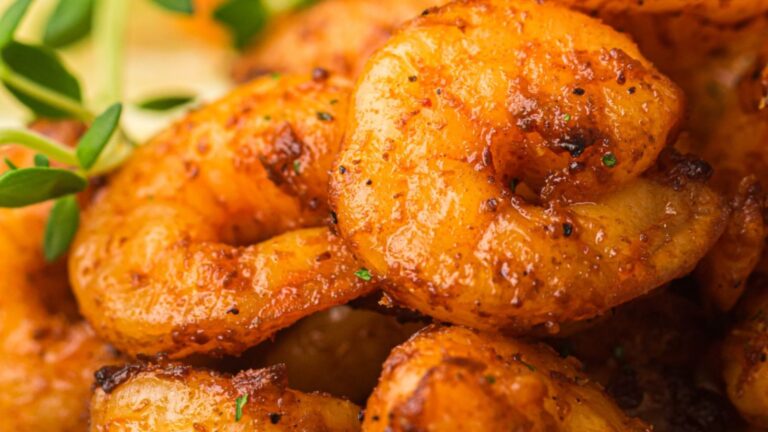
The best souvenir from a trip can be something you tasted: a pastry from a neighborhood bakery, fruit from a market, or a holiday specialty a relative packed for the journey home.
But food sold legally abroad isn’t automatically permitted in your luggage when you return to the United States. The rules follow the ingredients and their origin, not how neatly the package fits into your suitcase.
No simple, universal list of nine forbidden foods exists. Some products are prohibited from particular countries; others may enter only when they meet specific requirements. Processing and documentation can matter, too.
The USDA’s Animal and Plant Health Inspection Service, or APHIS, advises travelers to check requirements before departure, keep receipts and original packaging, and declare agricultural products upon arrival. U.S. inspectors make the final admission decision. APHIS’s international-traveler guidance explains that process.
These nine foods deserve a check before they become souvenirs.
Meat-filled tamales
A family member’s homemade tamales may feel like an ordinary travel snack, but their filling changes how border officials assess them.
U.S. Customs and Border Protection lists tamales containing pork, beef, lamb, or poultry among festive foods that are frequently prohibited. The applicable restriction depends heavily on the country of origin and current agricultural conditions.
Do not assume a cooked filling settles the question. Check the requirements for the ingredients and country involved, and declare the tamales even if you believe they qualify for entry.
Meat-filled empanadas
A baked crust does not place an empanada in the same category as plain bread.
CBP identifies meat-filled empanadas and stuffed pastries as foods that frequently face entry prohibitions. The meat inside matters, even when the outside resembles an otherwise permissible baked good.
Before buying a box for the flight home, establish exactly what the filling contains. A pastry’s familiar name may not tell you whether it includes pork, beef, poultry, or another animal ingredient.
Keep the ingredient label when one is available rather than relying on memory.
Soups containing meat
A sealed container does not guarantee that soup can enter the country. CBP includes soups containing pork, beef, lamb, or poultry among the prepared foods frequently prohibited under country-dependent restrictions.
That distinction is easy to overlook when soup is sold as a packaged specialty rather than a fresh meal.
Travel + Leisure’s report on what U.S. customs officers inspect, which includes comments from a CBP spokesperson, highlights food and agricultural items as an important part of luggage screening. Packaging alone does not remove the need to check and declare them.
Certain mooncakes
Mooncakes are not universally banned. Their filling and origin determine whether a particular product raises an entry issue.
CBP says mooncakes containing meat, unpasteurized eggs, or raw egg yolks from restricted regions are banned from entry. That is narrower than saying all mooncakes, or all egg-containing baked goods, are prohibited.
If you are buying them as gifts, ask for the ingredient information and keep the original box. A decorative package may look beautiful while saying little about the filling.
Check the specific product before packing it, rather than assuming every variety follows the same rule.
Related: Trump Moves to Contain Food Crisis, Forced to Drop Tariffs on Critical Fertilizer Imports
Fresh citrus fruit
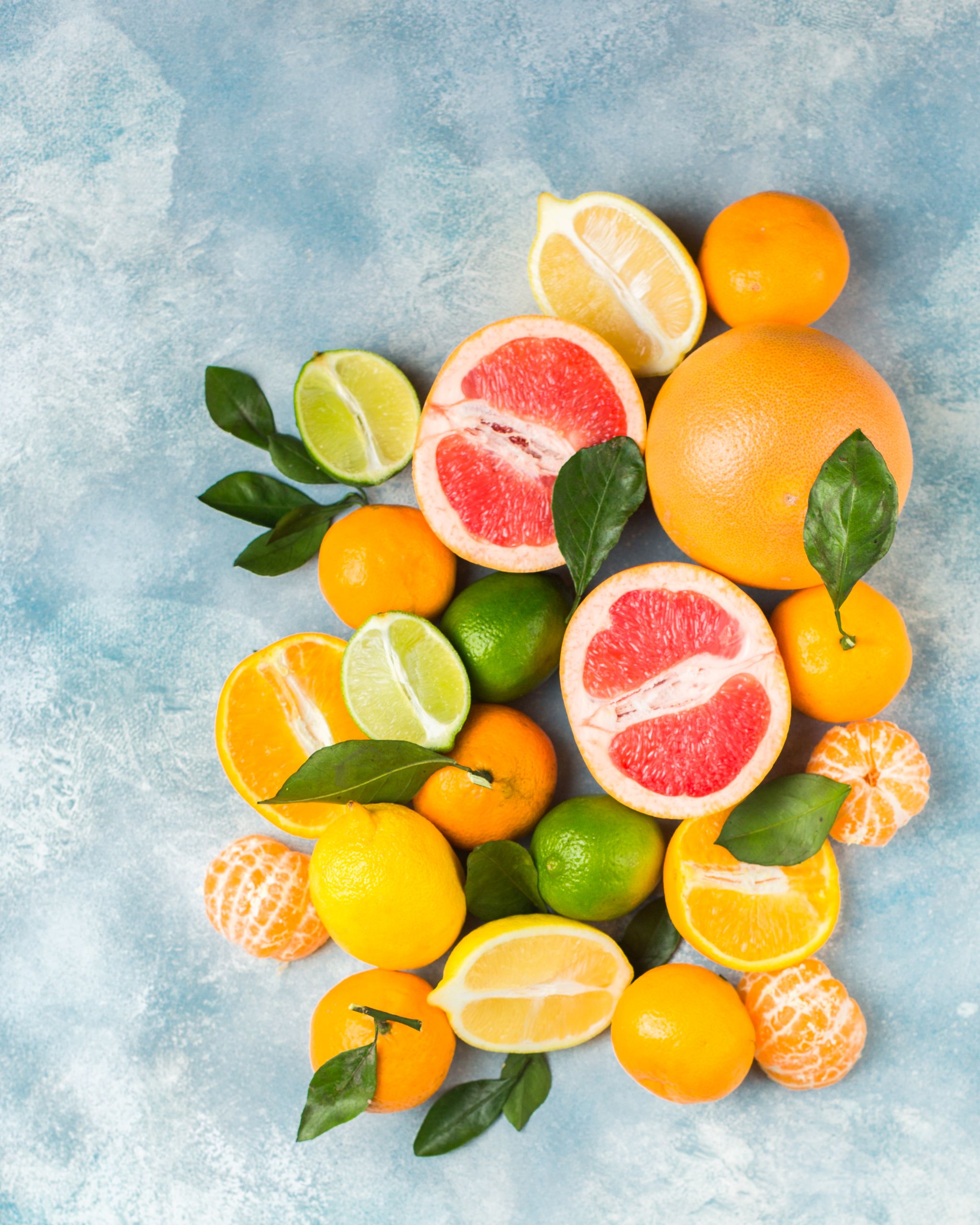
An orange tucked into a carry-on is still an agricultural item, even when it is intended for the flight rather than as a souvenir.
CBP lists fresh citrus from many regions among produce prohibited for personal travelers. Country-specific rules and inspection requirements matter, so “fresh fruit” is not a single admission category.
Finish travel snacks before arrival where appropriate, or declare anything that remains. Do not assume one piece is too small to count.
APHIS recommends keeping documentation that establishes origin, an important distinction when the country where fruit was purchased is not necessarily where it was grown.
Fresh mangoes
A ripe mango from a market can be a memorable part of a trip. Bringing it home requires a separate decision.
CBP identifies mangoes from many regions as prohibited for personal travelers. Just because a fruit is available in U.S. supermarkets doesn’t mean an individual traveler can carry it across the border.
Before purchasing fresh produce to bring back, check the rules for that fruit and its origin. Keep the receipt and original packaging as evidence of origin, but remember that inspectors determine whether the fruit meets entry requirements.
Fresh guavas
Fresh guavas are another fruit CBP names among products prohibited from many regions.
Keep the distinction between fresh fruit and processed products in mind. Permission for a packaged jam or another prepared food would not automatically extend to the raw fruit used to make it.
A gift basket also doesn’t receive blanket approval just because a retailer assembled its contents. CBP says it inspects gift baskets to determine whether their contents meet entry requirements. Each item still needs to qualify.
Fresh chestnuts
Fresh chestnuts can seem less obviously restricted than a delicate piece of fruit, but they also appear on CBP’s list of produce prohibited from many regions.
Check the product’s form and origin. Fresh chestnuts are not interchangeable with a commercially processed chestnut ingredient.
The useful question is not simply, “Can I bring nuts?” It is whether the exact product you purchased meets the requirements that apply to it. Broad food categories can conceal important distinctions.
Suet-containing holiday puddings
A traditional pudding may look like an uncomplicated baked souvenir, but its fat can matter.
CBP’s guidance on specialty and holiday foods says Christmas, holiday, and plum puddings from the United Kingdom or Europe are not allowed if made with suet or animal fat. Versions made without animal products may be admissible, subject to declaration and inspection.
Read the ingredients rather than judging by the dessert’s appearance. This restriction applies to the specified formulation, not a blanket ban on British or European puddings.
Whatever you pack, declare all food and agricultural items. APHIS states that travelers who declare all agricultural products will not face penalties even if an inspector determines those items cannot enter. Declaration does not guarantee admission.
Entry requirements can change. Check current CBP and USDA guidance for the specific food and country of origin before traveling.
A trip’s flavors do not have to disappear when the suitcase closes. If a favorite food cannot come home, could learning to recreate it become an even better souvenir?