Most Americans want to believe certain lines cannot be crossed. A hospital should heal. A school should protect children. A government program should answer to the public. A doctor should see a patient as a person, not a tool.
But some of the darkest stories in American history prove how badly trust can be broken when power hides behind science, policy, security, or progress. The scariest part is not only what happened, but also what didn’t. It is how ordinary the settings often looked from the outside.
These horrific experiments in America did not always happen in secret underground rooms. Some happened in clinics, prisons, schools, military programs, hospitals, and institutions where vulnerable people had little power to question what was being done to them.
The result was more than pain. These failures damaged families, deepened public mistrust, and forced the country to ask what progress is worth when consent, dignity, and truth are treated like obstacles.
Tuskegee Turned Medical Trust Into Generational Betrayal
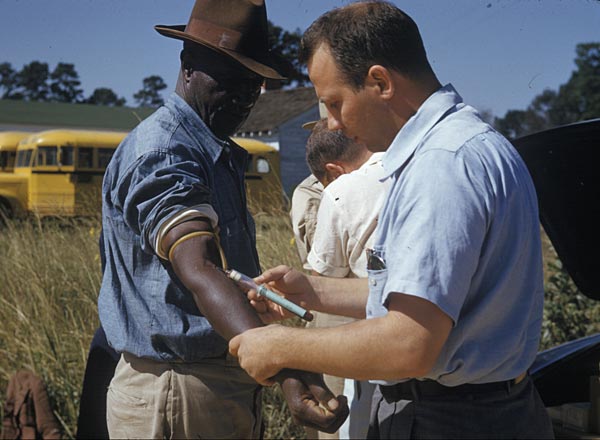
The Tuskegee syphilis study remains one of the most infamous medical ethics failures in American history. Black men in Alabama were enrolled in a long-running study that observed untreated syphilis, even after effective treatment became available. Many were misled about what was happening to them, and the betrayal became a permanent wound in the relationship between Black Americans and the medical establishment.
The horror of the untreated syphilis study is not only that people suffered. It is that institutions kept the study going for decades while families trusted people in white coats. The case helped reshape research ethics, but the damage did not end with new rules. For many families, it became proof that official reassurance can be dangerous when accountability is absent.
Willowbrook Used Vulnerable Children in Hepatitis Research
At Willowbrook State School in New York, children with intellectual disabilities became part of hepatitis studies that still disturb medical ethicists and families today. The institution was already known for overcrowding and poor conditions, which made the research even more troubling. Parents were placed in an impossible moral landscape, with reports that admission and research participation became tangled in ways that raise serious questions about consent.
What makes Willowbrook so hard to read about is the vulnerability of the children involved. They depended on adults, institutions, and medical professionals to protect them. Instead, their bodies became part of research that still sits uneasily in American medical history. It reminds readers that consent means very little when the people being asked have limited power.
Holmesburg Prison Became a Testing Ground
For years, incarcerated men at Holmesburg Prison in Philadelphia were used in medical and dermatological experiments. Many participants were poor, many were Black, and many were offered small payments in an environment where choice was already deeply constrained. The research included skin tests and other studies that later became symbols of how prisons were used as convenient places for experimentation.
The ethical problem is not hard to see. A person behind bars does not stand on equal ground with doctors, universities, companies, or government-linked programs. Even when consent forms existed, the imbalance of power was enormous. Holmesburg remains a grim reminder that poverty and incarceration can make people easier to exploit under the language of science.
Fernald Boys Were Fed Radioactive Tracers
At the Fernald State School in Massachusetts, boys were involved in nutrition studies that used radioactive tracers. The children were living in an institution, and many came from vulnerable backgrounds. Some were invited into a “science club” that offered perks, making the research sound less frightening than it looks in hindsight.
The disturbing part is how easily institutionalized children could be treated as available subjects. The human radiation experiments investigated decades later show why government openness and research ethics became urgent concerns. Fernald still raises an awful question: how many families would have agreed if they fully understood what was being done?
MKUltra Made Secrecy Feel Like Its Own Weapon
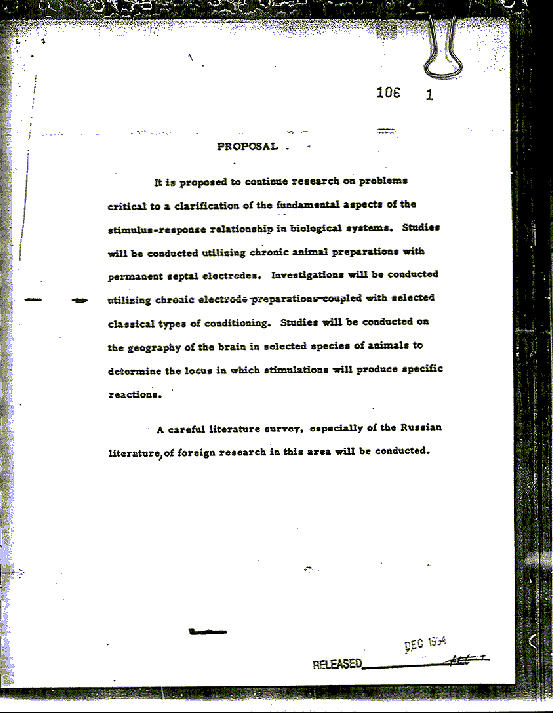
MKUltra was a Cold War-era CIA program tied to research into mind control, drugs, interrogation, and behavior manipulation. The program has become notorious for secrecy, questionable consent, and experiments that later sounded almost unbelievable to the public. It reflected a time when national security fears were used to justify disturbing boundaries.
The fear surrounding the MKUltra program records comes from the sense that ordinary ethical rules were pushed aside behind closed doors. Americans were left to wonder what else could happen when secrecy protects people in power. The program still feeds distrust because it showed how dangerous hidden authority can become.
Forced Sterilization Stole Futures in the Name of Policy
American eugenics programs targeted people who were labeled “unfit,” often because of disability, poverty, race, or institutionalization. The logic was dressed up as public health and social improvement, but the reality was bodily control. People were sterilized because officials believed they had the right to decide whose future children should exist.
The forced sterilization ruling tied to Buck v. Bell gave legal cover to a practice that harmed countless people. The chilling part is that this was not fringe cruelty hiding from authority. It was authority. Families were changed forever because the state treated human dignity as something it could measure, rank, and remove.
Henrietta Lacks Changed Medicine Without Being Asked
Henrietta Lacks was treated for cervical cancer in Baltimore in 1951, and cells taken from her tumor became one of the most important tools in modern medical research. Those cells, known as HeLa cells, helped advance science in extraordinary ways. But her family later learned that her cells had been used widely without her informed consent.
The legacy of HeLa cells is complicated, encompassing both scientific breakthroughs and ethical harms. Medicine gained something powerful, but a Black woman and her family were not given meaningful control over that story. Her case continues to shape conversations about consent, race, profit, privacy, and who benefits when human bodies become research material.
Stateville Prisoners Were Used in Malaria Experiments
At Stateville Penitentiary in Illinois, prisoners were used in malaria research during the 1940s. The studies were connected to wartime urgency and the search for better treatments, but they also raised ethical questions about coercion. Prisoners may technically agree to participate, yet the prison environment makes “choice” far more complicated.
The unsettling part is the power imbalance. A person who is confined, watched, and dependent on prison authorities may not experience consent the same way a free person does. Stateville became part of a larger debate over whether vulnerable populations can ever freely volunteer when the systems around them control so much of their lives.
The Guatemala STD Experiments Crossed Borders With American Power
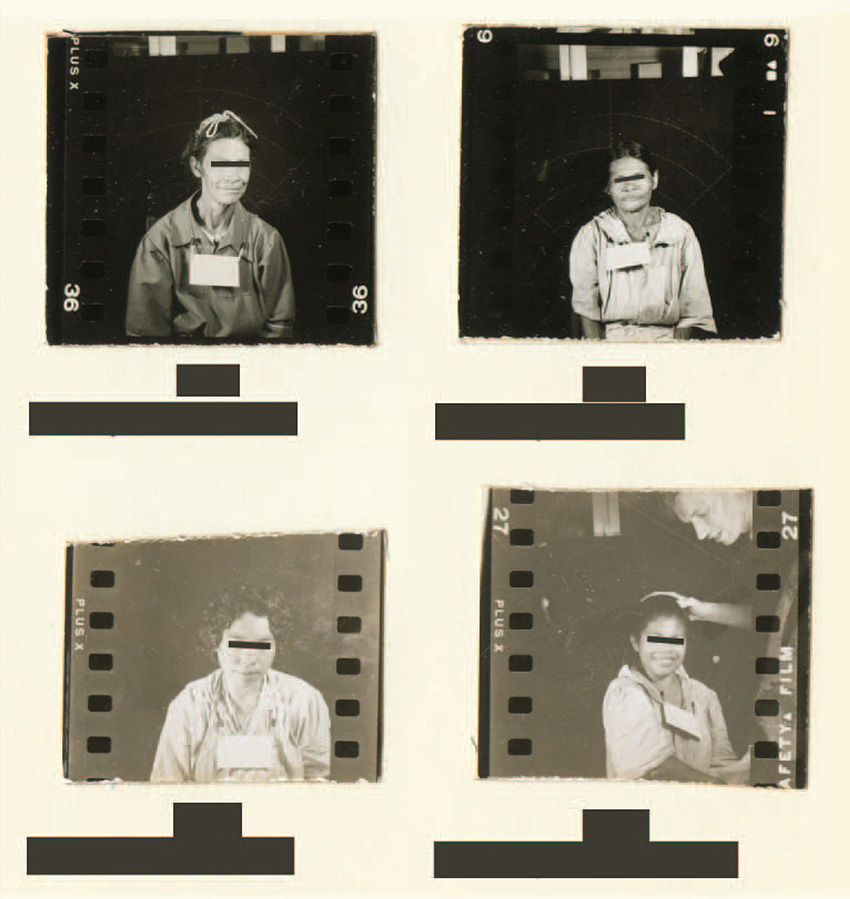
In the 1940s, U.S. Public Health Service researchers conducted sexually transmitted disease experiments in Guatemala. Prisoners, soldiers, psychiatric patients, and others were exposed to infection in research that later caused outrage and an official apology. Though the experiments happened outside U.S. borders, they were carried out by American public health researchers and remain part of America’s dark medical history.
The Guatemala research documents show how devastating research can become when vulnerable people are treated as means to an end. The case is especially disturbing because it exported ethical failure onto people with even less ability to resist. It remains a warning that scientific ambition does not become ethical simply because it is stamped with an official seal.
What These Failures Still Teach America
The darkest lesson from these horrific experiments in America is that harm often wears respectable clothing. It may arrive as research, treatment, patriotism, public health, national security, social progress, or institutional care. That is what makes these stories so disturbing.
The people harmed were often poor, Black, disabled, institutionalized, incarcerated, sick, or otherwise vulnerable. That pattern matters. It shows that ethical failure rarely falls evenly across society. It usually lands first on people with the least power to refuse.
Remembering these cases is not about rejecting science or medicine. It is about demanding better science and better medicine. Progress without consent is exploitation. Authority without transparency is a danger. Trust has to be earned, especially when history gives people reasons to doubt.