A cheese-and-ham sandwich may seem like the least suspicious item in your luggage. But if you bought it at an airport in the European Union and carried it onto a flight to Great Britain, border officials could take it away when you land.
It does not matter that the sandwich was cooked, professionally packaged, or purchased from a duty-free shop after you passed through airport security. Under current rules, where the food came from and what it contains matters more than where you bought it.
In April 2025, the British government expanded restrictions on personal meat and dairy imports from EU countries amid foot-and-mouth disease outbreaks in parts of Europe. The measures apply to people entering Great Britain (England, Scotland, and Wales). Northern Ireland has separate rules.
The restrictions are intended to reduce the risk of animal and plant diseases entering the country. They can apply to food packed in checked luggage, carried in a backpack, wrapped as a gift, or saved from an in-flight meal.
Before packing an edible souvenir, here are eight foods that deserve a second look.
Cheese
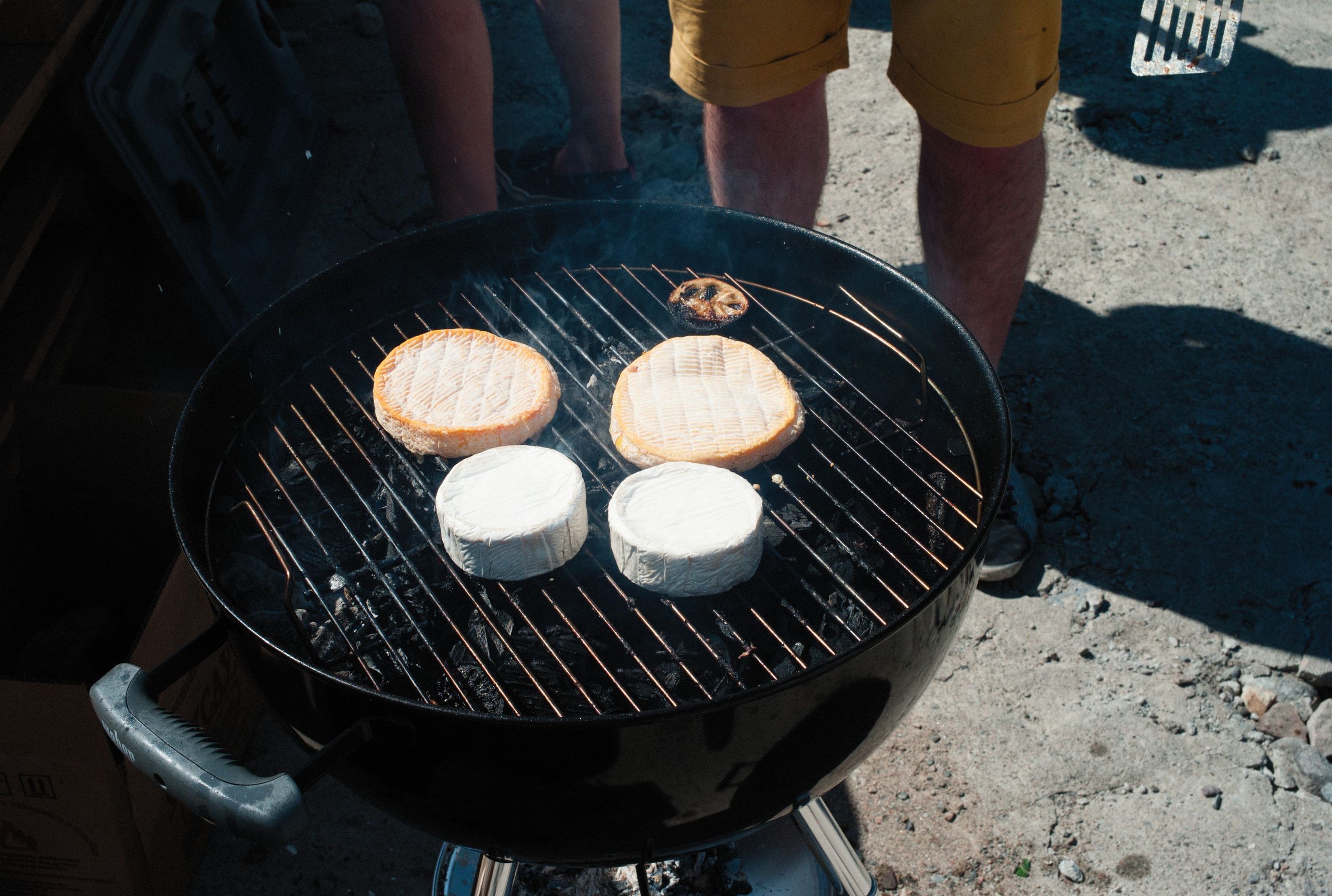
That wheel of cheese from a French market may never make it to your refrigerator.
Travelers arriving in Great Britain from the EU, as well as Switzerland, Norway, Iceland, Liechtenstein, the Faroe Islands, and Greenland, cannot bring in cheese for personal use under the current restrictions. The rule covers dairy products, whether sealed, packaged, or purchased duty-free.
Travelers coming from most countries outside that group also cannot bring milk or milk-based products into Great Britain. That means cheese bought in the United States, India, Kenya, or many other countries is generally prohibited too.
The packaging does not create an exception. A vacuum-sealed block bought from a supermarket is still cheese, just as a handmade wheel from a farm shop is. The government specifically warns that packaged products fall under the restriction.
Milk
A carton of milk can be treated as a biosecurity concern, even if it looks completely ordinary.
Milk cannot currently be brought into Great Britain from the EU and the other European countries covered by the restrictions. Milk and milk-based products are also prohibited from most countries outside the EU.
Narrow exceptions apply for certain essential products. Travelers may bring up to two kilograms per person of powdered infant milk, infant food, or special food required for medical reasons. Those products generally must not need refrigeration and must remain in branded, unopened packaging unless they are already being used.
Ordinary fresh milk does not qualify simply because it is intended for personal use. The same caution applies to a milky drink or another product in which dairy is a major ingredient.
Butter and Yogurt
Breakfast leftovers can cause an unexpected problem at the border.
Butter and yogurt are specifically identified as dairy products travelers cannot bring into Great Britain from the EU and other listed European origins. They also fall under the wider restriction on milk-based products arriving from most non-EU countries.
A small hotel breakfast portion does not receive special treatment because it is individually wrapped. Nor does an unopened tub of yogurt become acceptable because it came from an airport lounge or was included with an airline meal.
Some shelf-stable composite foods remain permitted. Government guidance says travelers may bring items such as bread, certain cakes, biscuits, pasta, and some confectionery, provided they do not contain restricted fillings or large quantities of unprocessed dairy ingredients. A plain biscuit may be fine; a yogurt cup is not automatically fine just because the two were served together.
Pork and Pork Products
A souvenir sausage is not always a harmless souvenir.
Travelers arriving from EU countries cannot bring pork or foods made with pork into Great Britain. That includes obvious products such as raw pork and sausages, but the rule also reaches cured meats and foods in which pork is only one component.
A ham-and-cheese sandwich is the clearest example of how easily travelers can be caught out. The British government says the restriction applies even when such a sandwich is packaged or bought duty-free. It announced the EU-wide extension on April 11, 2025, with the measures taking effect the following day.
Pork and pork products are also banned when travelers arrive from most countries outside the EU. Homemade meals, deli purchases, and sealed supermarket products can all fall under the rule.
Beef
The same problem applies to a steak sandwich, beef pie, or container of cooked beef saved for later.
Beef cannot currently be brought into Great Britain from EU countries and the other European places included in the official guidance. Products made with beef are also restricted, so travelers need to look beyond the main name printed on the package.
A pastry may appear to be a simple baked product, for example, but a beef filling changes how it is treated. The same applies to noodles, pasta, or a prepared meal containing meat.
Travelers from most countries outside the EU face an even broader rule: meat and meat products are prohibited. Cooking, drying, seasoning, or vacuum-sealing beef does not automatically make it acceptable.
Lamb, Mutton, and Goat
A homemade curry can fall foul of the rules just as easily as a package of raw meat.
Lamb, mutton, goat, and foods made from these meats cannot be carried into Great Britain from the EU and the other European origins covered by the restrictions. They are also included in the ban on meat and meat products from most non-EU countries.
This is particularly important for travelers carrying home-cooked dishes. A person may think of the food as a curry, stew, rice dish, or family meal rather than as a meat import. Border rules, however, consider the ingredients.
Carefully wrapping the container or freezing the meal before traveling does not remove the restriction. If it contains one of the prohibited meats, travelers should not assume it can enter simply because the dish is cooked and intended only for their household.
Venison
Game meat is not a loophole.
Venison is listed as a food travelers cannot bring into Great Britain from the EU and associated European countries. Products made with venison are also covered.
That may include venison sausages, pies, pâté, cured products, or sandwiches. Once again, the form of the food does not automatically change the rule.
Venison and other meats are also prohibited from most countries outside the EU under the general ban on personal meat imports. Anyone buying a game-meat specialty as a holiday gift should check the current guidance before placing it in a suitcase.
Most Fresh Fruit and Vegetables From Outside the EU
The rules change when the concern moves from animal products to plants.
Travelers can bring fruit, vegetables, nuts, and seeds into Great Britain from the EU, Switzerland, or Liechtenstein for personal use. However, most fresh fruit and vegetables arriving from other countries require a phytosanitary certificate issued by the plant-health authorities in the country of departure.
A defined list of foods can enter without one. It includes pineapples, kiwis, coconuts, citrus fruits, kumquats, persimmons, durians, curry leaves, bananas, plantains, mangoes, dates, passion fruit, and guavas. Certain processed and packaged plant products are also allowed.
That creates an unusual contrast: a mango from a non-EU country may be allowed without a certificate, while many other innocent-looking fruits or vegetables are not.