America is celebrating its 250th anniversary amid a growing unease about the future of its democracy. Once treated as the unshakable foundation of national identity, democratic principles are now increasingly questioned by citizens, especially younger generations. A recent AP-NORC poll highlights that fewer Americans see democracy as a defining feature of the country, signalling a deeper identity and trust crisis.
The poll reveals that roughly two-thirds of adults now consider a democratically elected government highly important to American identity, down from 80% in 2021. This decline is particularly stark among Americans under 30, only half of whom see democracy as central, compared with 81% of those over 60. The shift reflects growing scepticism that democratic structures are delivering on their promises, not just ideological disagreement.
Historical Context Shows Shifts in Democratic Trust
This decline in confidence is part of a long historical pattern. Public trust in U.S. democratic institutions has fluctuated during crises: post-Watergate, during the economic strain following the 2008 financial collapse, and after contested elections in 2020. For example, Gallup data shows trust in Congress fell below 30% in multiple periods over the last two decades. Such historical comparisons suggest that the current disillusionment is both a generational and cyclical phenomenon, intensified by economic and social pressures.
Economic anxiety is a major driver. Federal Reserve and Census data show the wealth gap has widened: the top 10% now hold nearly 70% of U.S. wealth, and median wages have stagnated for decades. These realities shape perceptions of the American Dream and influence views on democratic efficacy. Citizens witnessing persistent inequality are more likely to doubt that the system represents their interests.

Young Adults Are Leading the Scepticism
Generational divides are central to understanding the crisis. Young adults under 30 are more likely to believe there are countries better than the U.S., 44% compared with 22% of adults 60 and older. This group is also less convinced that democracy is essential to national identity. Social, economic, and digital realities shape this perspective. Millennials and Gen Z have entered adulthood amid soaring student debt, housing instability, climate anxiety, and a political environment often dominated by partisan gridlock amplified through social media.
Political engagement among young adults reflects both scepticism and action. While voter turnout among 18–29-year-olds has historically lagged behind older cohorts, recent midterm elections showed an increase in participation, suggesting that young Americans are selective rather than entirely disengaged. Their critique is directed at performance, not principle.
The American Dream Is Strained Across Generations
Belief in the American Dream, the promise that hard work translates into upward mobility, has also weakened. About 51% of adults say the American Dream once held true, but no longer does. Only 22% of adults under 30 believe it still holds true, compared with 46% of those over 60. Rising housing costs, stagnant wages, and job insecurity illustrate why younger Americans feel the economic ladder is less accessible. Software developers, nurses, and educators frequently report struggling to afford basic housing despite steady employment.
Economic disillusionment is compounded by regional differences. Coastal states, where wages are higher, but living costs are even more extreme, show strong scepticism, while some Midwestern and Southern regions report slightly higher confidence in opportunity, reflecting local cost-of-living dynamics and cultural narratives about work and resilience.

American Exceptionalism and Global Comparisons
Belief in American exceptionalism is also declining. Only about a quarter of Americans now say the U.S. stands above all other countries, down from higher levels a decade ago. About 30% believe there are countries better than the U.S., with older generations more likely to maintain traditional notions of national superiority. Global comparisons reveal that this decline in confidence is not uniquely American; similar trends appear across OECD nations, where citizens report frustration with political inefficiency, economic inequality, and weak institutional trust.
Political Distrust Cuts Across Party Lines
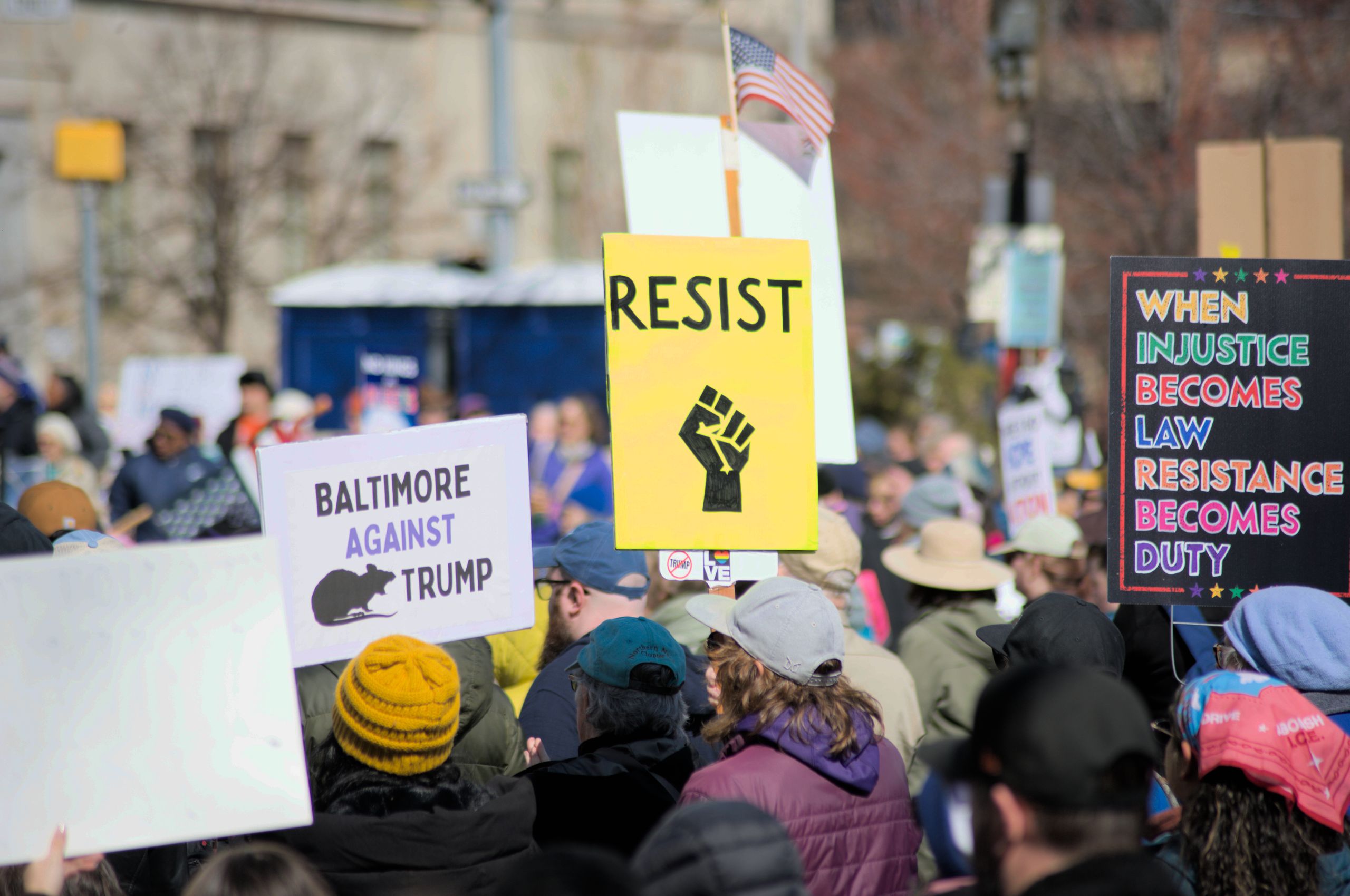
The poll indicates widespread distrust in political institutions. Republicans, Democrats, and independents report frustration with career politicians, lobbying influence, and perceived unresponsiveness to ordinary citizens. Generational gaps amplify this sentiment: older Americans may tolerate procedural inefficiencies, while younger adults increasingly view government as unresponsive to their immediate economic and social concerns. Media trust intersects with political scepticism, as lower confidence in news sources correlates with doubts about the effectiveness of democracy.
Diversity and Shared Culture Remain Divisive
The question of diversity continues to divide Americans. About 51% of adults consider immigration central to U.S. identity, while 55% value cultural mixing. Partisan differences are striking: only 4 in 10 Republicans see cultural mixing as essential, compared with 76% of Democrats. Younger Americans tend to embrace diversity more than older cohorts, though economic insecurity can temper enthusiasm. Simultaneously, only 56% of adults say a shared American culture remains extremely or very important, down from 65% in 2017. These shifts underscore that the country is debating not just governance and opportunity, but also the very definition of American identity.

The 250th Anniversary as a Moment of Reflection
The nation’s 250th anniversary presents an opportunity for reflection beyond spectacle. Americans must confront the question of whether the ideals of democracy, opportunity, and inclusivity are being realised. Disillusionment does not signal a collapse of patriotism but highlights a demand for accountability, equitable opportunity, and leaders who effectively respond to public needs. Addressing these issues is essential if democracy is to remain central to the country’s identity in the eyes of citizens across generations.
Key Takeaways
- Democracy is losing its unquestioned role in defining U.S. identity, particularly among younger adults.
- Economic inequality and the perceived failure of institutions to deliver opportunity are central drivers of scepticism.
- Belief in the American Dream and exceptionalism is declining, with notable generational and partisan gaps.
- National debates over diversity and shared culture illustrate that identity crises extend beyond politics to values and belonging.
Americans face a choice: treat the 250th anniversary as nostalgia or leverage it to reinforce institutions and ideals so they remain meaningful for all generations.