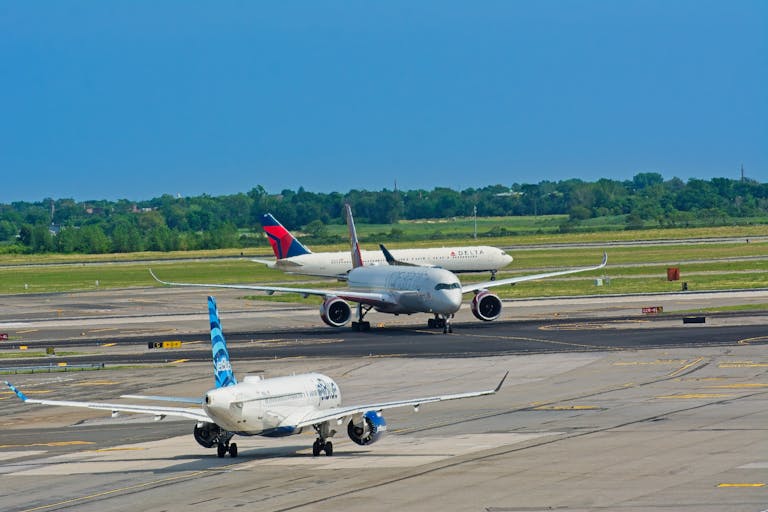
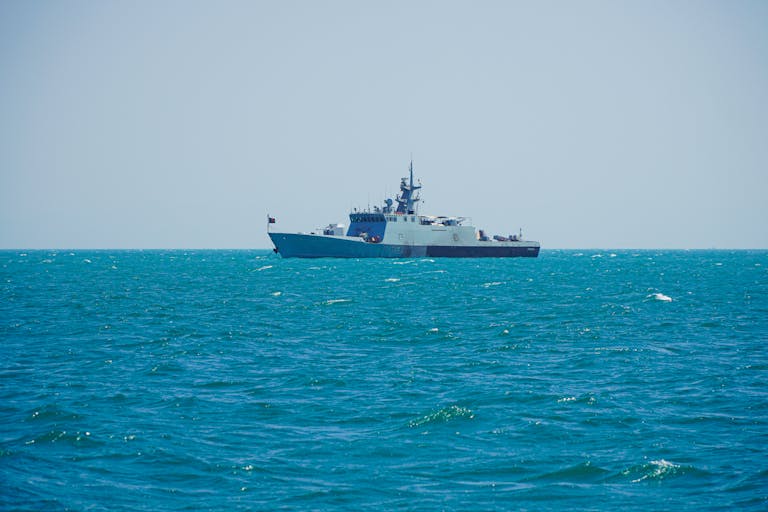
Kuwait’s morning was shattered by missile and drone strikes that have not only disrupted travel and damaged critical infrastructure, but also raised alarm bells across Washington and allied capitals. Hours after Iranian forces launched waves of drones and ballistic missiles, Kuwait International Airport was struck, a facility vital to global aviation links and civilian life.
The attacks came amid renewed exchanges between Tehran and US forces, testing an already fragile ceasefire and elevating concerns about the conflict’s reach beyond pure military battlefields.
US Military Bases Are Direct Targets
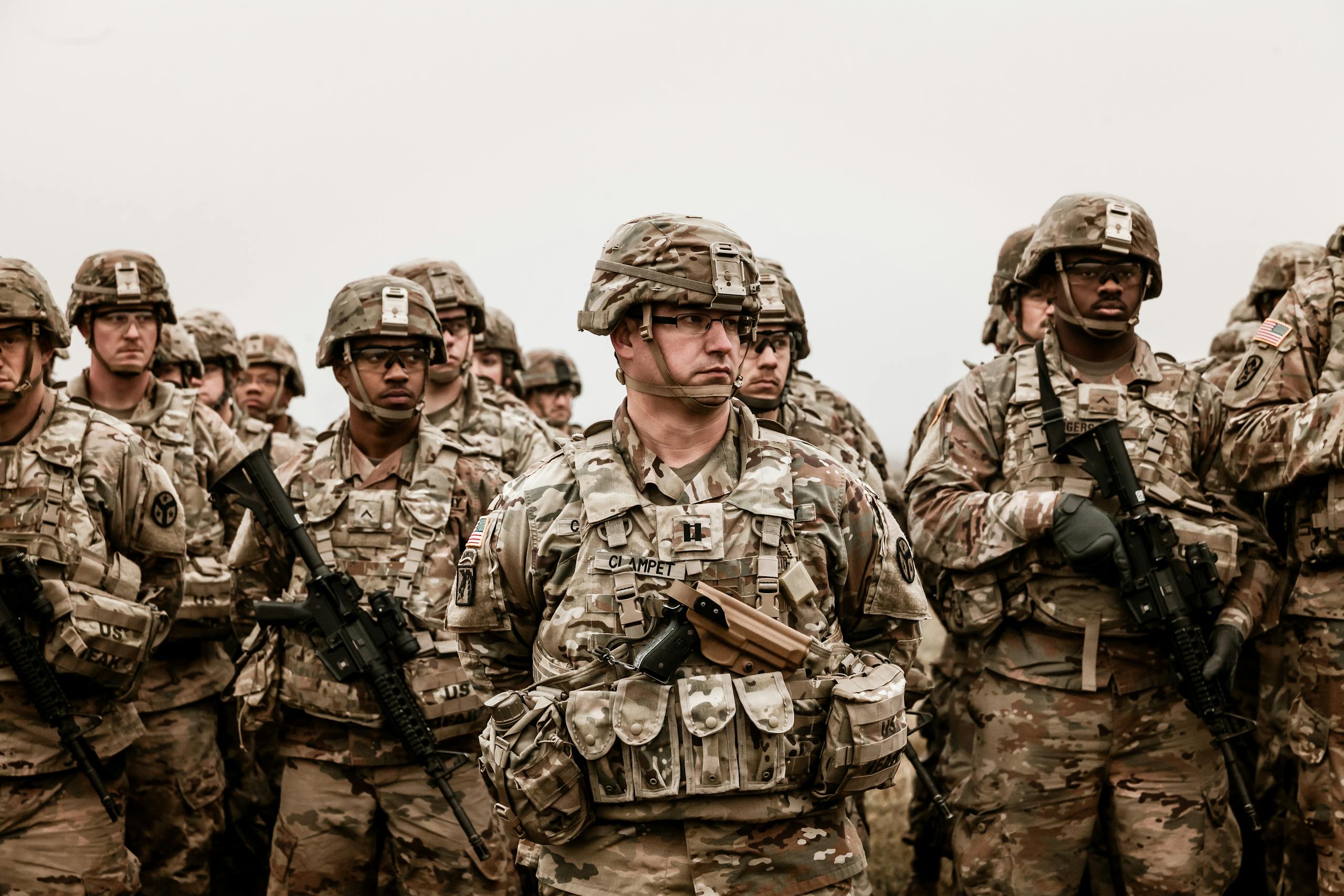
Iran’s missile strikes reportedly aimed at US Camp Arifjan and Ali al-Salem airbase near Kuwait City, underscoring the vulnerability of American troops stationed abroad. These bases are more than outposts; they coordinate regional operations, house intelligence assets, and support American missions across Iraq, Syria, and the broader Middle East.
Even with Kuwait’s air defenses intercepting many of the projectiles, the attacks show just how easily American assets can come under fire. A miscalculated strike could trigger broader engagement, and US commanders must weigh retaliation against diplomatic escalation in a crisis where seconds matter.
The incident also raises questions about force protection measures and whether additional missile defense systems are needed to secure personnel and critical infrastructure.
Civilian Airports Disrupted Affect US Logistics
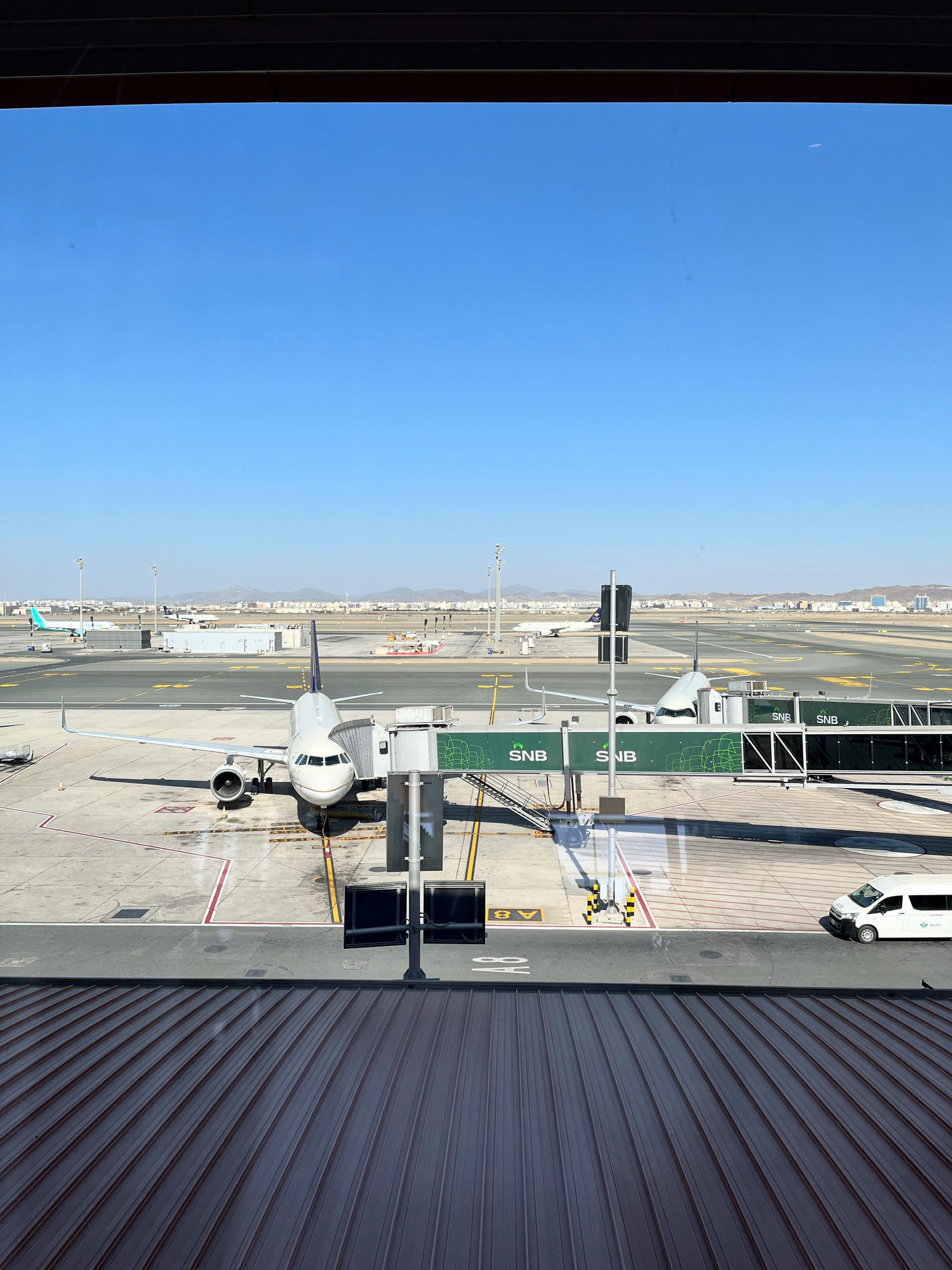
Kuwait International Airport sustained damage, halting flights and threatening evacuation routes for Americans living, working, or traveling through the region. Airports in the Gulf serve as lifelines for military logistics, diplomatic travel, and emergency operations, making them a key pressure point in any conflict scenario.
For the US, this disruption has immediate operational consequences. Flight cancellations delay the movement of troops, equipment, and humanitarian support, while also straining emergency evacuation planning. Contractors, embassy personnel, and citizens suddenly find themselves trapped in a heightened risk environment.
This demonstrates that Iran’s strikes can create cascading disruptions far beyond direct military targets, forcing American planners to adapt rapidly.
Civilian Casualties Amplify Pressure on Washington
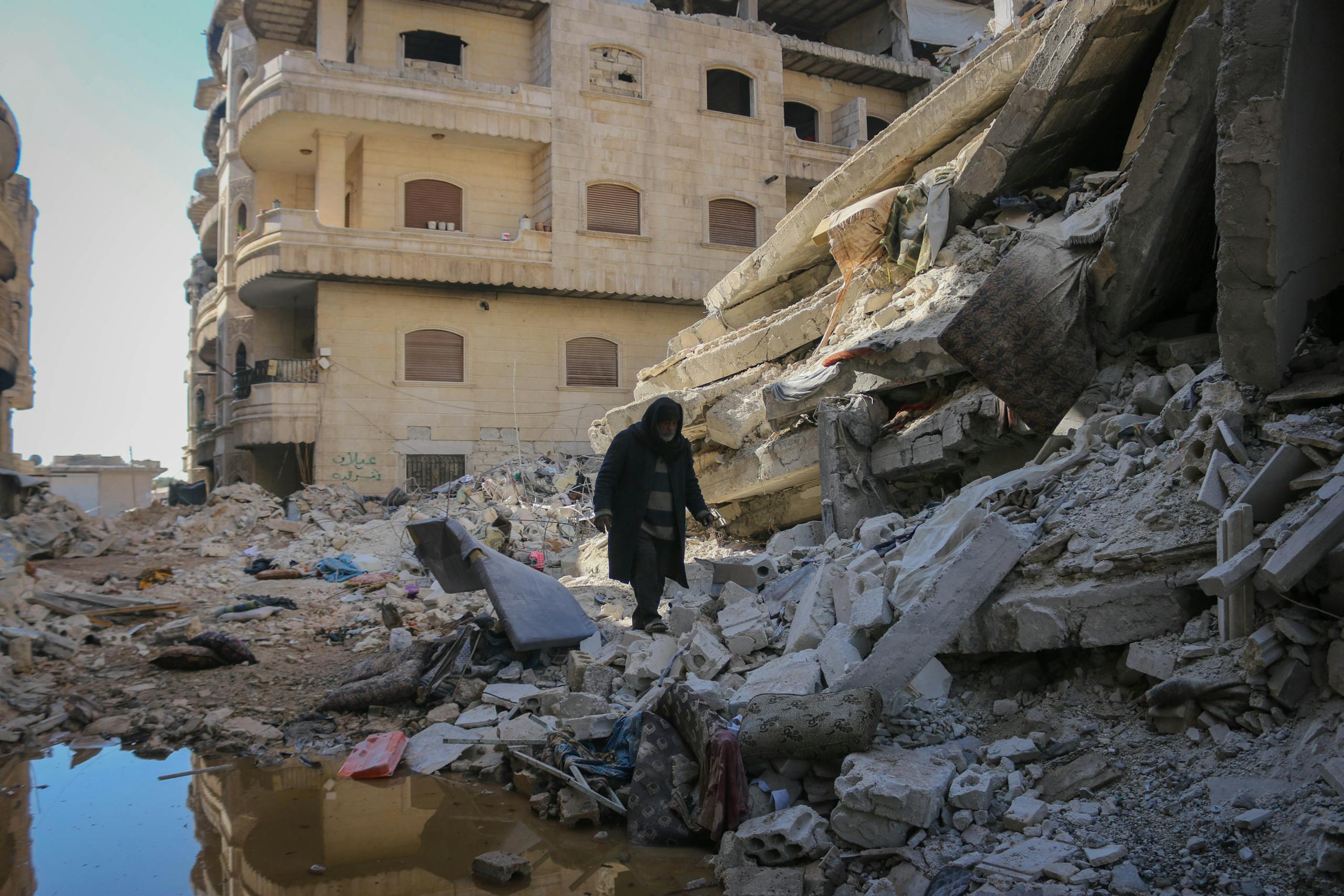
Reports confirm one civilian killed and over sixty injured, highlighting that American operations are never isolated from human consequences. US policymakers now face increased public and international scrutiny, as civilian casualties in allied countries can rapidly shape diplomatic and military decisions.
Every casualty intensifies the demand for a decisive US response. Congress, American voters, and global media will monitor the administration’s actions, linking humanitarian considerations to strategic deterrence. Civilian impact also complicates messaging, as the US must maintain legitimacy while signaling strength, ensuring that responses are measured yet credible.
Iran Is Testing US Red Lines and Resolve

By targeting areas near US installations without triggering full scale war, Iran is signaling its ability to pressure American interests while maintaining plausible deniability. This is part of a broader strategy to test US responses and assert regional influence, especially across the Gulf, where American forces have a strong presence.
For the US, this presents a high stakes dilemma. Respond too aggressively, and there’s a risk of regional escalation; respond too cautiously, and Iran may interpret restraint as weakness. Each intercepted missile represents a tense game of brinkmanship.
Washington must calibrate force protection, deterrence, and diplomacy simultaneously, demonstrating that US red lines are clear without tipping into open conflict.
The Fragile Ceasefire Faces a Severe Test
The US and Iran ceasefire, designed to stabilize the region and reopen maritime trade, now looks more like a fragile pause than a sustainable agreement. The missile attacks signal that Iran is willing to apply pressure while negotiating, forcing the US to balance deterrence with ongoing diplomatic efforts.
American leaders must now navigate a complex path: sustaining dialogue while responding decisively to violations. Any misstep could shatter the temporary calm, drawing Gulf allies into direct confrontation. Kuwait’s skies are a daily reminder that the ceasefire’s strength is measured not by agreements on paper but by the lived experience of civilians and troops on the ground.
Strait Of Hormuz Threats Pose Economic and Strategic Risks

The Strait of Hormuz, through which roughly 20% of the world’s oil passes, remains a critical vulnerability. Even minor threats to shipping lanes or tanker traffic create immediate ripples in global energy markets, affecting prices, insurance costs, and fuel availability in the US.
Kuwait’s proximity to key shipping lanes means any escalation could disrupt American energy imports, military logistics, and international commerce. This is a strategic leverage point that Iran has exploited before, reminding the US that Gulf stability is tightly linked to economic security.
For policymakers, the challenge is preventing disruptions without triggering a wider regional war that could paralyze global oil markets.
Gulf Allies Depend On US Protection More Than Ever
Kuwait’s attack underscores how dependent Gulf states remain on American security guarantees. Bahrain, Qatar, the UAE, and Saudi Arabia are watching closely, knowing that any failure to protect allies could weaken US influence and embolden Iran.
This creates a dual pressure for Washington: it must reassure allies through visible defense capabilities while avoiding escalation that could drag American forces deeper into a conflict. Air defense coordination, intelligence sharing, and rapid deployment strategies are now vital.
The attacks on Kuwait serve as a warning to all Gulf states that regional stability hinges on American presence and decisive deterrence.
Civilian Fear Shapes US Strategy and Response
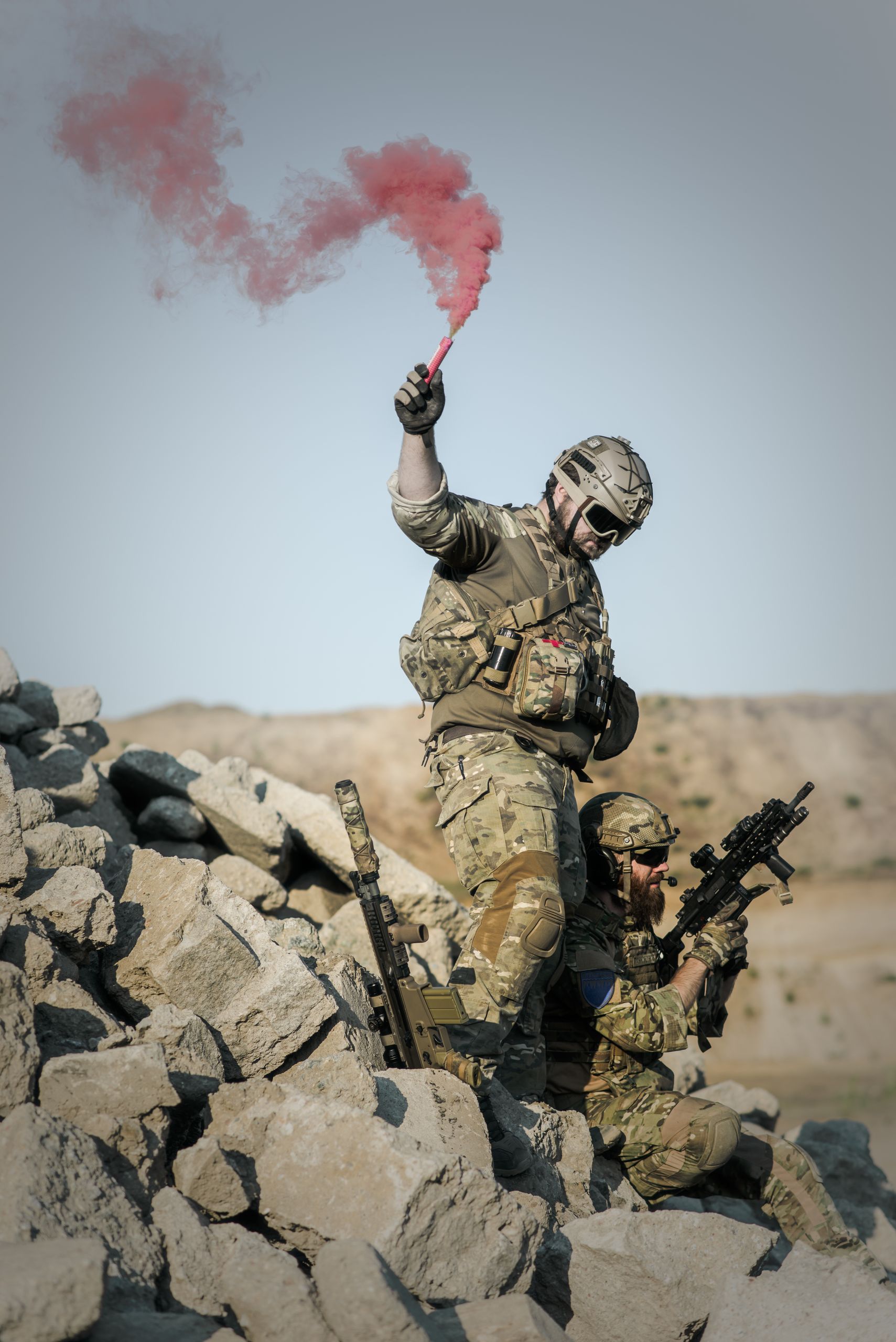
Explosions and airport closures are not abstract; they directly impact American citizens living in Kuwait and neighboring states. Families, travelers, and workers experience daily anxiety, forcing the Pentagon and State Department to adjust operations in real time.
The human dimension now drives strategy alongside military considerations. Embassy security, evacuation planning, and rapid deployment of defensive systems have become immediate priorities. Civilian fear also increases domestic pressure on US policymakers, ensuring that American responses will factor in public safety, regional stability, and geopolitical deterrence simultaneously.
Conclusion
Iran’s missile and drone strikes on Kuwait are a direct challenge to US interests, threatening military bases, civilian infrastructure, and strategic energy routes. Airports are disrupted, troops are at risk, and the fragile ceasefire is under severe pressure.
The US faces a complex balancing act that deters further aggression, protects civilians and allies, and maintains diplomacy to prevent a broader regional war. Kuwait under fire is not just a Gulf crisis; it is a warning flare for American policymakers, showing how quickly threats in the region can escalate into a full blown conflict with global consequences.