Some of the world’s most dangerous foods look surprisingly ordinary. A bowl of beans, a plate of seafood, or a handful of mushrooms might seem harmless, but certain foods can cause serious illness when they are improperly prepared, handled, or consumed.
According to the Centers for Disease Control and Prevention (CDC), some foods are more likely than others to carry harmful germs. Others contain naturally occurring toxins that can remain dangerous even after cooking.
The good news? Many food-related risks are preventable. Understanding what makes these eight foods dangerous can help you make safer choices in the kitchen, at restaurants, and while exploring unfamiliar dishes.
Pufferfish: A Delicacy With a Deadly Secret
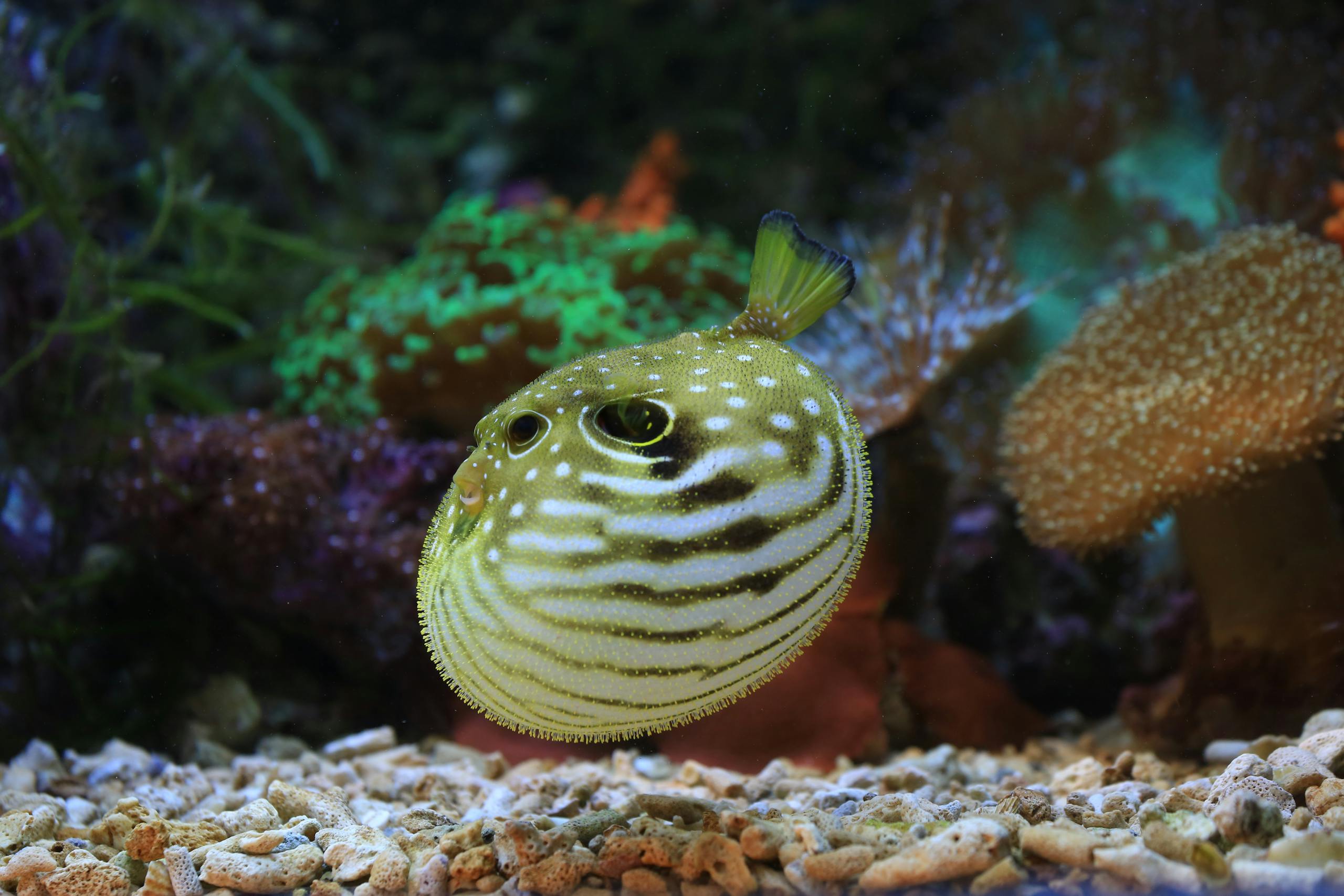
Pufferfish, commonly known as fugu in Japan, is among the most notoriously dangerous foods served anywhere in the world.
The danger comes from tetrodotoxin, a powerful nerve toxin that can be found in various parts of the fish. Exposure can cause numbness, muscle paralysis, and life-threatening breathing difficulties.
Pufferfish are particularly concerning because cooking, freezing, and drying do not reliably destroy the toxin.
The U.S. Food and Drug Administration (FDA) restricts pufferfish imports because of the potential for serious poisoning.
What to remember: Never attempt to catch, clean, or prepare pufferfish yourself. Even professionally prepared pufferfish carries risks, and avoiding it is the most reliable way to prevent poisoning.
Ackee Fruit: Delicious When Ripe, Dangerous When Unripe
Ackee is especially popular in Jamaica, where it is traditionally served with saltfish. Although properly prepared ackee is a familiar food, eating it before it fully ripens can have devastating consequences.
Unripe ackee contains hypoglycin A, a naturally occurring toxin that can cause severe vomiting, dangerously low blood sugar, seizures, and potentially fatal complications.
The FDA explains that the toxin decreases to negligible levels in the edible flesh when the fruit ripens naturally. However, its seeds and outer rind remain dangerous.
Unlike some foodborne germs, hypoglycin A is heat-stable. Simply cooking unripe ackee does not make it safe.
Remember: Eat only properly processed, fully ripe ackee from a reliable source. Never consume the seeds or rind, and avoid fruit that has been forced open before ripening.
Wild Mushrooms: A Dangerous Case of Mistaken Identity
Mushroom foraging has become an appealing outdoor activity, but appearances can be dangerously misleading.
Some poisonous mushrooms closely resemble edible varieties. One particularly concerning example is the death cap mushroom, scientifically known as Amanita phalloides.
According to the CDC, accidental consumption of poisonous mushrooms can cause severe illness, liver damage, and death.
The danger is not always obvious at first. Symptoms may appear hours after a meal, and some people initially experience stomach discomfort before more serious complications develop.
Another important detail: cooking does not reliably destroy the toxins in certain poisonous mushrooms.
What to remember: Avoid eating wild mushrooms unless a qualified mushroom expert has positively identified them as safe. For everyday meals, commercially cultivated mushrooms are the more reliable option.
Raw Oysters: A Seafood Favorite With Hidden Risks
Fresh oysters are a popular delicacy, especially when served raw with lemon juice or cocktail sauce.
Unfortunately, raw oysters can carry harmful microorganisms, including Vibrio bacteria.
One particularly dangerous species, Vibrio vulnificus, can cause severe infections. The risk of serious complications is especially concerning for people with certain underlying medical conditions, including liver disease.
Oysters can appear perfectly fresh while still containing harmful bacteria. Their appearance, smell, or taste cannot reliably confirm that they are safe.
Adding lemon juice, vinegar, or hot sauce does not provide the protection that thorough cooking offers.
What to remember: Choose thoroughly cooked oysters, particularly if you are at greater risk of foodborne illness. Purchase seafood from reputable suppliers and follow safe storage practices.
Raw Kidney Beans: The Pantry Staple That Can Make You Sick
Kidney beans are commonly used in chili, soups, salads, and hearty family dinners.
But eating them raw or inadequately cooked can cause a surprisingly unpleasant reaction.
Raw red kidney beans contain high levels of phytohaemagglutinin, a naturally occurring lectin that can trigger severe nausea, vomiting, abdominal pain, and diarrhea.
The FDA notes that even a small number of raw kidney beans can cause symptoms.
Fortunately, proper cooking destroys the toxin.
The FDA recommends soaking dried kidney beans for at least five hours, discarding the soaking water, and boiling them in fresh water for at least 30 minutes.
Slow cookers alone may not reach the temperatures needed to make inadequately prepared beans safe.
Remember: Properly boil dried kidney beans before adding them to slow-cooked dishes. Commercially canned kidney beans have already undergone heat processing and are generally safe to use as directed.
Raw Milk: Why Pasteurization Matters
Raw milk has attracted attention among shoppers interested in minimally processed foods.
However, milk that has not undergone pasteurization can carry harmful microorganisms, including Salmonella, E. coli, Listeria, and Campylobacter.
The CDC explains that even carefully managed dairy farms cannot guarantee raw milk will be free of dangerous germs.
Foodborne illness from contaminated milk can be particularly serious for young children, older adults, pregnant women, and people with weakened immune systems.
Pasteurization uses controlled heating to kill harmful microorganisms, significantly reducing the risk of milk-related infections.
Another concern is that contaminated raw milk may not have an unusual odor or appearance.
What to remember: Choose pasteurized milk and dairy products, check packaging labels, and keep refrigerated products at the appropriate temperature.
Raw Sprouts: Small Greens With a Big Food Safety Concern
Alfalfa, clover, and mung bean sprouts often appear in sandwiches, salads, wraps, and other fresh dishes.
Despite their innocent appearance, raw sprouts have repeatedly been linked to foodborne illness outbreaks.
The problem begins with how sprouts grow.
Seeds are germinated in warm, humid conditions, which are also favorable for the growth of bacteria such as Salmonella, Listeria, and E. coli.
The FDA reported that contaminated sprouts were associated with 52 foodborne illness outbreaks between 1996 and 2020, resulting in more than 2,700 reported illnesses.
Even sprouts grown at home can become contaminated if harmful bacteria are present on or inside the seeds.
Washing sprouts does not reliably eliminate all contamination.
Remember: Thoroughly cooking sprouts reduces the risk. People more vulnerable to foodborne illness should avoid raw or lightly cooked sprouts.
Cassava: A Common Staple That Requires Proper Processing
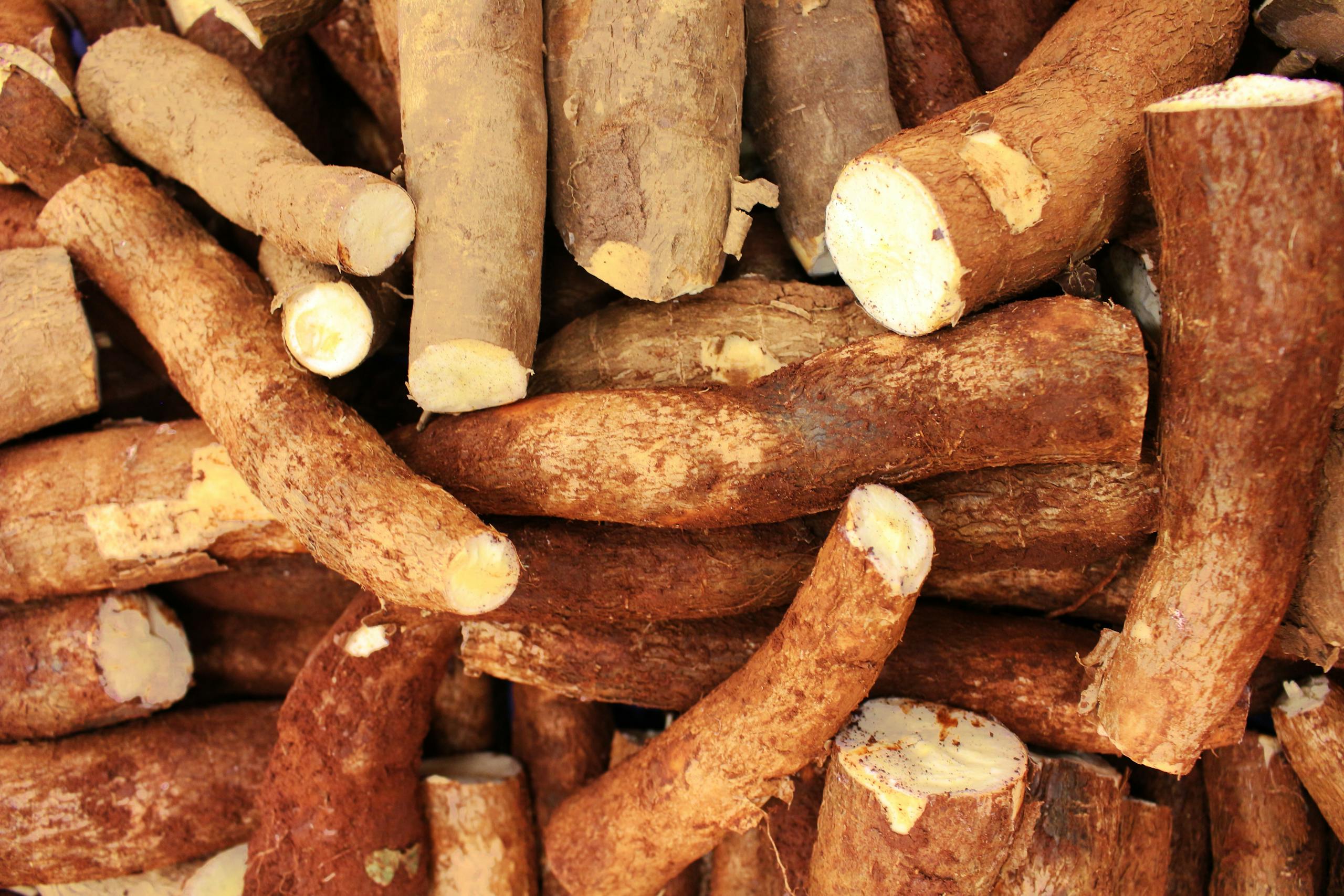
Cassava is a staple food in many parts of Africa, Asia, and South America. It is used to prepare everything from flour-based dishes to traditional meals and snacks.
However, raw or improperly processed cassava can contain cyanogenic compounds that release cyanide.
Consuming excessive amounts of these compounds can cause headaches, nausea, confusion, breathing difficulties, and potentially fatal poisoning.
The risk depends partly on the cassava variety and the preparation methods used. Some varieties require more extensive processing to reduce toxin levels.
Traditional processing techniques may include peeling, soaking, fermenting, drying, and cooking. The right combination depends on the cassava variety and the food you’re preparing.
What to remember: Never assume that raw cassava is safe to eat. Use properly processed cassava products and follow established preparation methods rather than relying on cooking alone.
How to Protect Yourself From Dangerous Foods
Food safety does not mean avoiding every unfamiliar ingredient or giving up meals you enjoy.
It means recognizing that different foods require different precautions.
For some foods, such as raw oysters and sprouts, thorough cooking can substantially reduce the risk of harmful bacteria. For others, including pufferfish and certain poisonous mushrooms, cooking cannot reliably eliminate dangerous toxins.
Proper sourcing is equally important. Purchasing ingredients from reputable suppliers, following established preparation methods, and storing perishable foods correctly can help prevent avoidable problems.
Remember that food can look fresh and appealing even when harmful microorganisms or toxins are present.
If you suspect serious food poisoning or exposure to a dangerous natural toxin, seek medical attention promptly rather than waiting for symptoms to become severe.
The Bottom Line
Some foods become dangerous because of contamination. Others contain natural toxins that require specialized processing or should be avoided altogether.
From familiar kidney beans to exotic pufferfish, the eight foods on this list demonstrate why preparation and handling matter just as much as the ingredients themselves.
The biggest takeaway is simple: Never assume a food is safe simply because other people eat it or because it looks perfectly normal.
Knowing the risks and taking the right precautions can make a meaningful difference between an enjoyable meal and a potentially serious emergency.
Posts You Might Like:
10 Foods You Should Never Store in the Fridge — Here’s What to Do Instead
7 Foods You Should Never Store in the Fridge Door, According to Food Safety Experts