The headline number is startling enough: 230 people arriving in Britain after crossing the English Channel in a single inflatable boat.
But the more troubling story may be what that record says about how people-smuggling networks are changing their tactics.
The overcrowded vessel left France overnight and reached Dover at about 2:30 a.m. Monday, setting a new record for the number of migrants arriving in the United Kingdom aboard one small boat. The previous record, set only last month, was 165 people.
The British government condemned the journey as reckless and dangerous. Yet the incident arrives with an uncomfortable contradiction: overall small-boat arrivals are actually falling this year.
That means the Channel crisis may not simply be growing or shrinking. It may be changing shape.
One Boat Just Carried More People Than Ever Before
The scale of Monday’s crossing immediately drew attention.
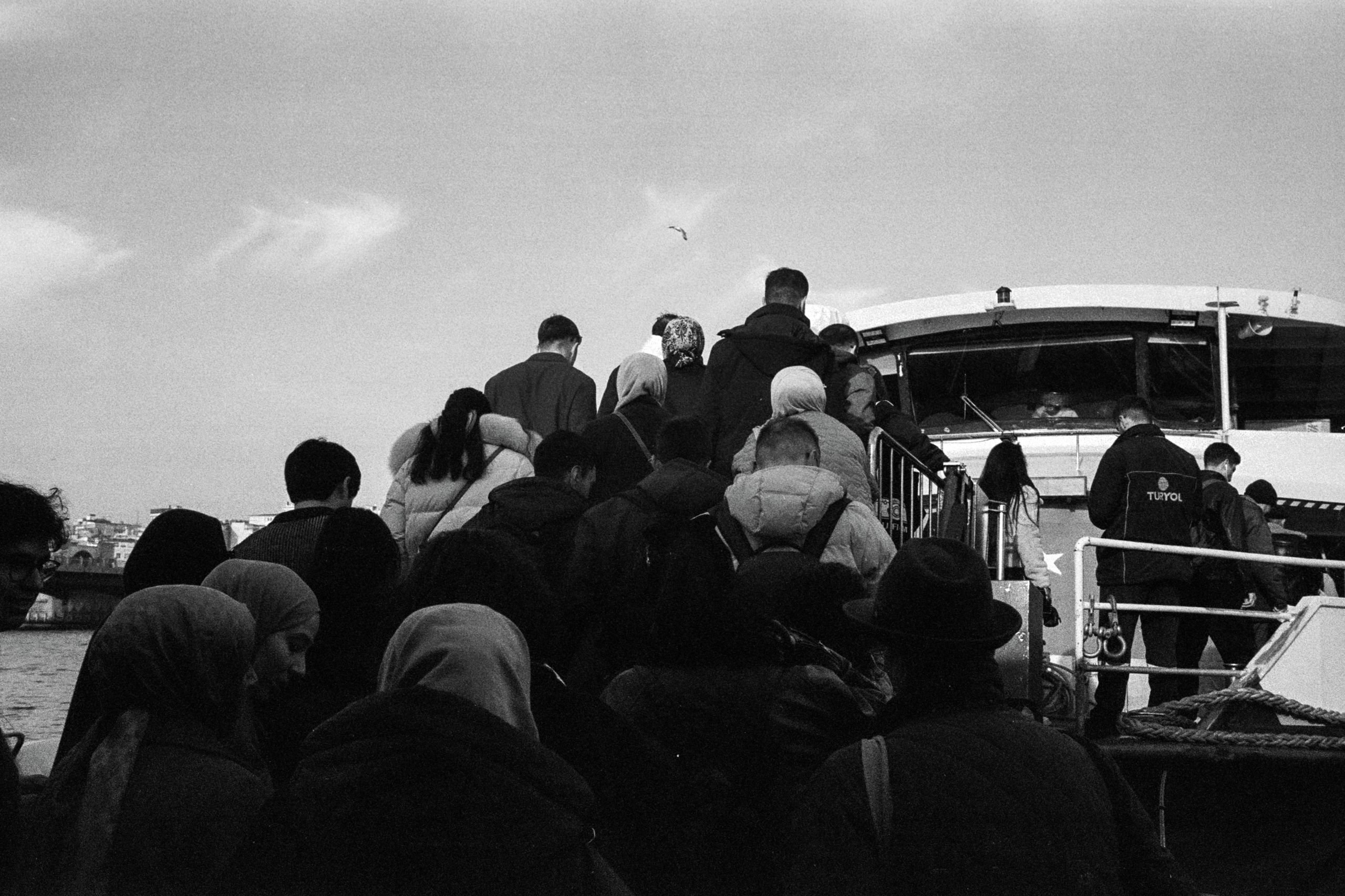
A large inflatable vessel carrying about 230 people arrived in Dover in the early hours after traveling across one of the world’s busiest shipping routes. The number comfortably surpassed the previous single-boat record of 165.
For authorities, however, the record is about more than statistics.
The Home Office said smuggling gangs are increasingly cramming larger numbers of people onto vessels described as unseaworthy, putting passengers at serious risk.
That may help explain why record-breaking boatloads can appear even during a year when fewer people are crossing overall.
Smugglers do not necessarily need more boats if they can pack dramatically more passengers onto each one.
The Numbers Reveal a Strange Contradiction
Anyone looking only at Monday’s images could easily assume Channel crossings are surging.
The broader numbers tell a different story.
The provisional total for 2026 stood at 14,819 arrivals after the latest crossing, about 43% lower than the same point last year and 16% below the comparable period in 2024.
Government figures also showed that 1,176 people arrived aboard 15 boats in the week ending Aug. 2. Another 258 people arrived on four boats on Aug. 8.
The government says July produced the lowest number of arrivals for that month since 2020.
So why does the situation still look so alarming?
Because fewer crossings do not automatically mean safer crossings.
Bigger Boats Can Mean Bigger Disasters
The dangers of overcrowding were demonstrated only days before the record arrival.
On Aug. 4, French authorities rescued more than 150 people after a migrant vessel caught fire in the Channel near Boulogne-sur-Mer. Three French coastguard ships took part in the operation.
Other reports said the dinghy had been carrying 173 people before it capsized following an engine fire.
That incident makes Monday’s 230-person crossing difficult to view as merely an immigration statistic.
Inflatable boats can become extraordinarily vulnerable when overloaded. Mechanical failure, fire, bad weather or sudden movement onboard can quickly turn a crossing into a mass-rescue operation.
The government’s concern is that smugglers may increasingly accept those risks if squeezing more passengers onto fewer boats improves their chances of getting people across.
Farage Turned the Record Into a Political Warning

Gage Skidmore from Peoria, AZ, United States of America, CC BY-SA 2.0, via Wikimedia Commons Licensed Under Nigel Farage in 2017
The crossing quickly became political.
Reform UK leader Nigel Farage described the arrival as evidence of what he called a “national security emergency.” His party has pushed for dramatically tougher measures against unauthorized Channel crossings.
Farage recently proposed a military-led plan that would involve intercepting small boats and returning migrants to France. Legal and security experts have raised questions about whether such proposals could realistically operate without French cooperation and within Britain’s international obligations.
Supporters may argue that Monday’s record demonstrates why stronger action is necessary.
Critics may counter that describing the issue mainly as a security threat risks overlooking the humanitarian reality of people being placed aboard dangerously overloaded vessels by organized smuggling networks.
Either way, a boat carrying 230 people gives both sides fresh ammunition.
Britain Says Its Strategy Is Working, but Smugglers Keep Adapting
The government insists there has been measurable progress.
Britain has expanded cooperation with France and introduced a funding arrangement that links payments to enforcement results. The Home Office says the agreement is intended to put significantly more personnel on French beaches.
The Border Security Commander’s annual report says more than 40,000 crossing attempts have been prevented since the command was established, while disruptions against organized immigration crime groups have increased.
Those figures help explain the fall in overall arrivals.
But enforcement creates its own pressure.
When police disrupt launch sites, confiscate equipment or make it harder to send multiple boats across, smuggling organizations have an incentive to alter their methods.
Packing more people into fewer vessels may be one of those adaptations.
That would mean authorities could be succeeding in reducing the number of journeys while simultaneously confronting increasingly dangerous individual crossings.
The Record Nobody Should Want Broken Again
Monday’s boat reached Britain.
That fact alone may make the operation look successful to the smugglers who organized it.
But 230 people on one inflatable vessel also demonstrates how quickly the human consequences could become catastrophic if something goes wrong.
The debate over Channel migration will continue to revolve around border control, asylum policy, enforcement and Britain’s relationship with France.
Yet the record crossing highlights something easier to miss.
A falling annual total does not necessarily mean the underlying problem has been solved.
Smuggling networks can adapt. Routes can shift. Boats can become larger. Passenger numbers can rise even as departures fall.
That is why Monday’s record matters beyond the politics surrounding immigration.
The frightening number is not simply 230 people arriving in Dover.
It is the possibility that smugglers now believe putting 230 people into one small boat is a risk worth taking.