Heat is sneaking into American life with little warning, turning familiar streets and neighbourhoods into daily endurance tests. Rising temperatures are not just a Southern problem or a distant climate warning—they are reshaping routines, health, and energy costs across the country. These ten cities are climbing the fastest in average temperatures, quietly forcing residents to adapt or face discomfort that has become impossible to ignore.
Reno, Nevada
Reno has seen temperatures jump sharply, making summers longer and nights less comfortable. Urban expansion traps heat on streets and rooftops that were once open land, amplifying stress on residents. Air conditioning is no longer a convenience but a survival tool, while wildfire risks and prolonged dry heat make daily life more demanding for households and outdoor workers alike.
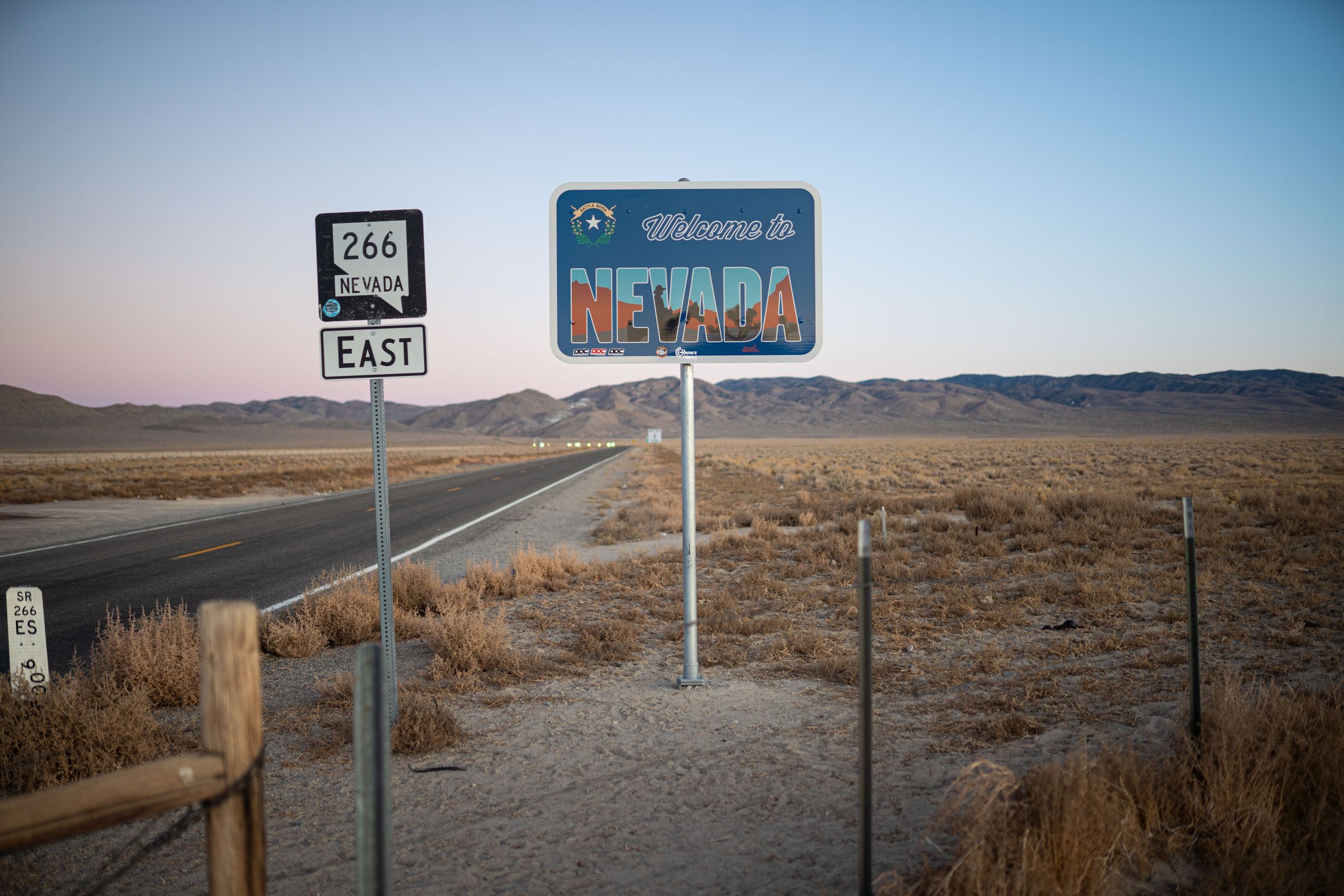
Las Vegas, Nevada
Las Vegas has transformed from a desert known for occasional heat to a city where warmth feels relentless. Even at night, there is little relief, as concrete and asphalt retain heat. Rising temperatures increase electricity demand, make outdoor activity riskier, and highlight a harsh reality: the city’s famed entertainment lights do not hide the strain of extreme heat.
El Paso, Texas
El Paso’s once-manageable dry climate now carries punishing heat that stretches through days and evenings. Families, commuters, and outdoor labourers face higher health risks and energy bills. The city’s growth intensifies the problem as rooftops and roads absorb more sunlight, and everyday life slowly bends around persistent high temperatures that residents cannot ignore.
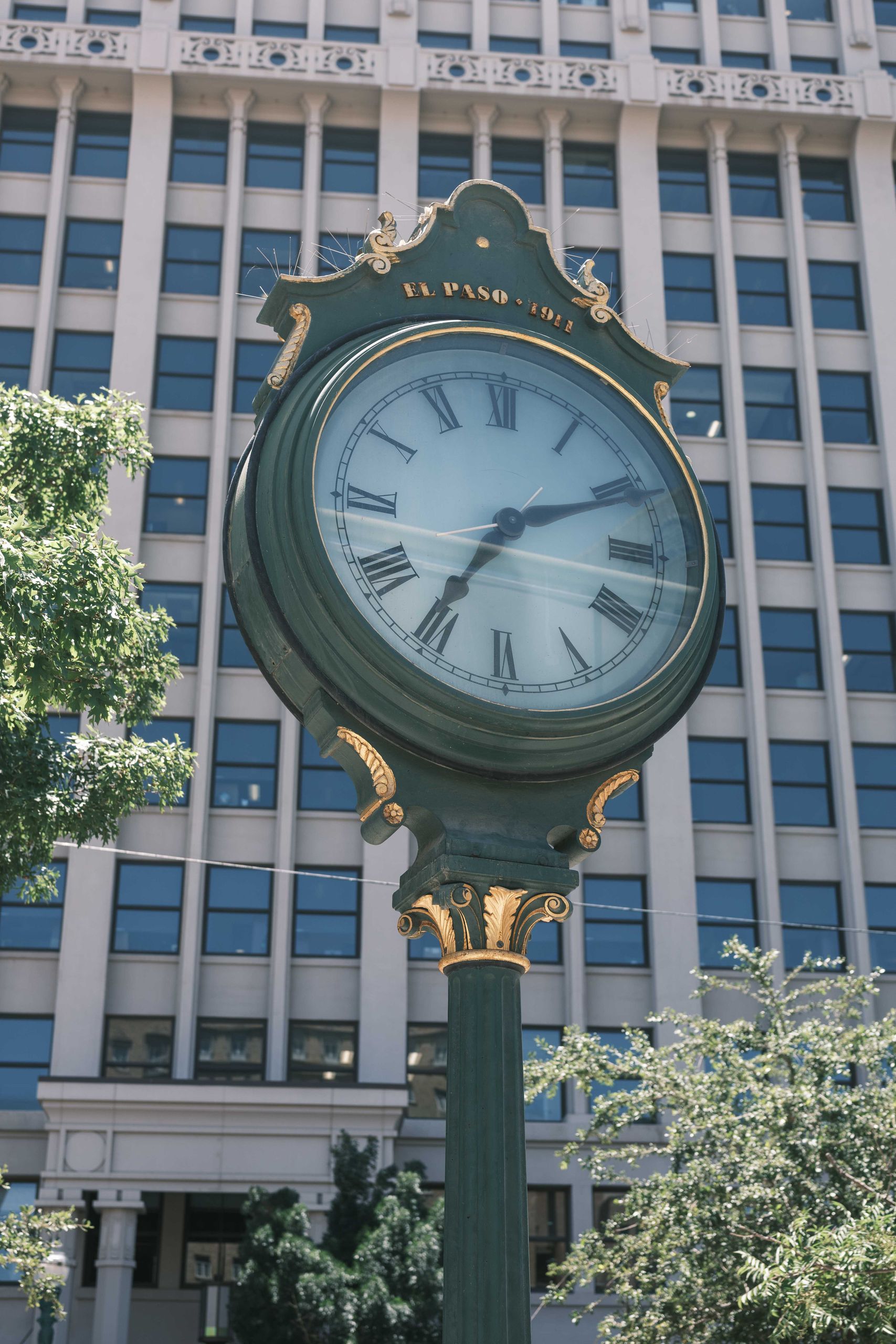
Burlington, Vermont
Burlington’s northern charm is under pressure as winters warm and summers intensify. Seasonal changes affect lakes, trails, and gardens, subtly eroding the city’s familiar rhythm. Residents experience heat in unexpected ways, showing that northern cities are just as vulnerable to rising temperatures and the daily consequences of subtle yet persistent warming.
Tyler, Texas
East Texas’s Tyler experiences nights that remain uncomfortably warm, leaving little relief for residents after long summer days. Daily life is affected in more ways than heat alone: energy use spikes, public health risks rise, and outdoor routines must adapt. The city’s lush trees and greenery offer only partial protection against relentless warming trends.
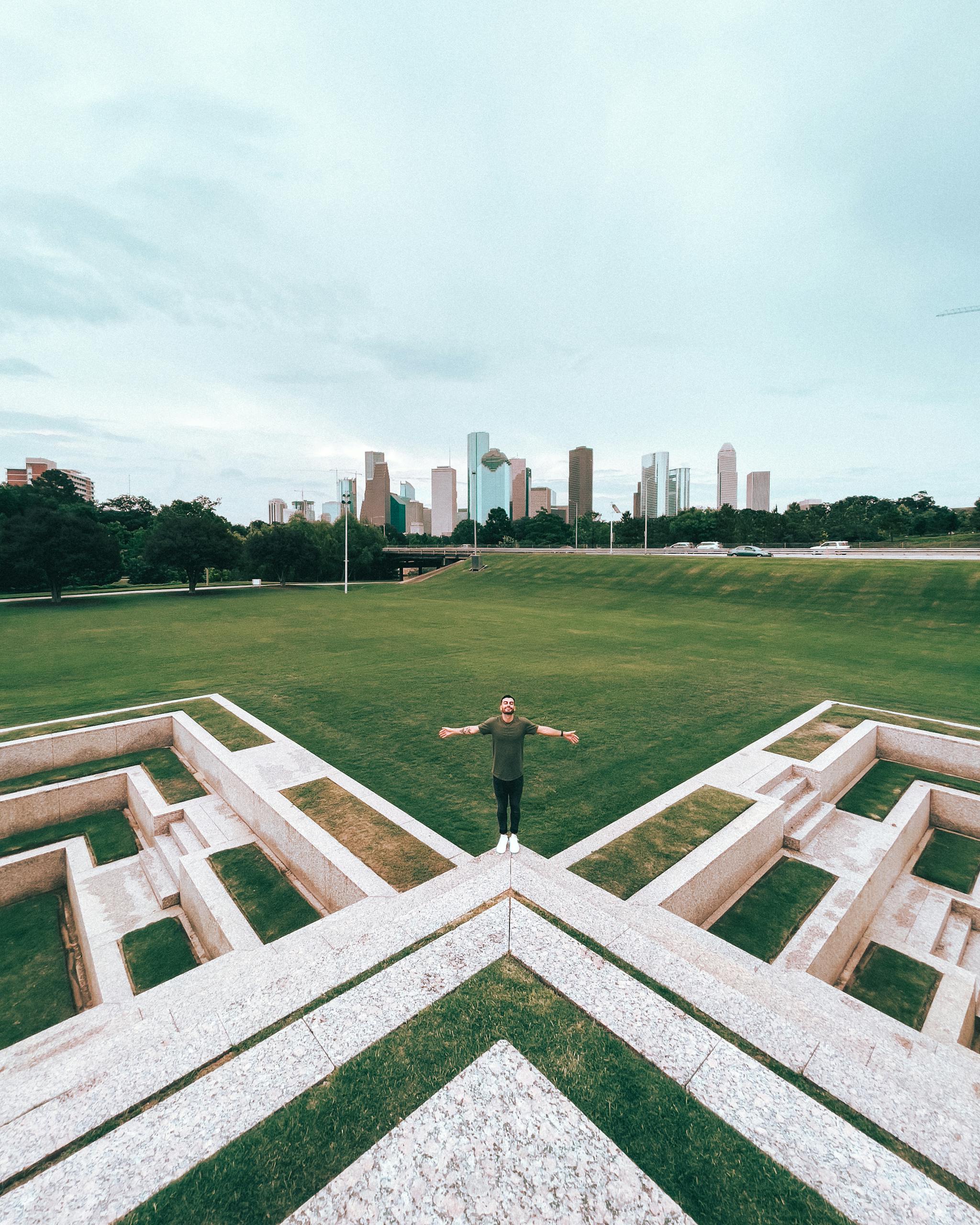
Albany, Georgia
Albany contends with heat combined with Southern humidity, making each degree of temperature rise feel heavier. Ordinary outdoor activities become more taxing, and older homes struggle to keep cool. For vulnerable populations, the creeping heat is no longer just inconvenient—it threatens comfort, safety, and even well-being during long summer stretches.
Chattanooga, Tennessee
Chattanooga’s mountains and riverfront are now paired with suffocating heat, reshaping recreation and outdoor planning. Trails become risky during peak hours, outdoor events require careful timing, and neighbourhoods without shade feel dramatically hotter. The city proves that natural beauty alone cannot offset the persistent rise in temperatures.
Tucson, Arizona
Tucson faces increasingly oppressive heat despite a population accustomed to desert conditions. Daytime highs linger longer, and infrastructure such as pavements and rooftops retains warmth deep into the night. Cooling becomes critical, and residents must plan daily life around conditions that steadily intensify with each passing year.
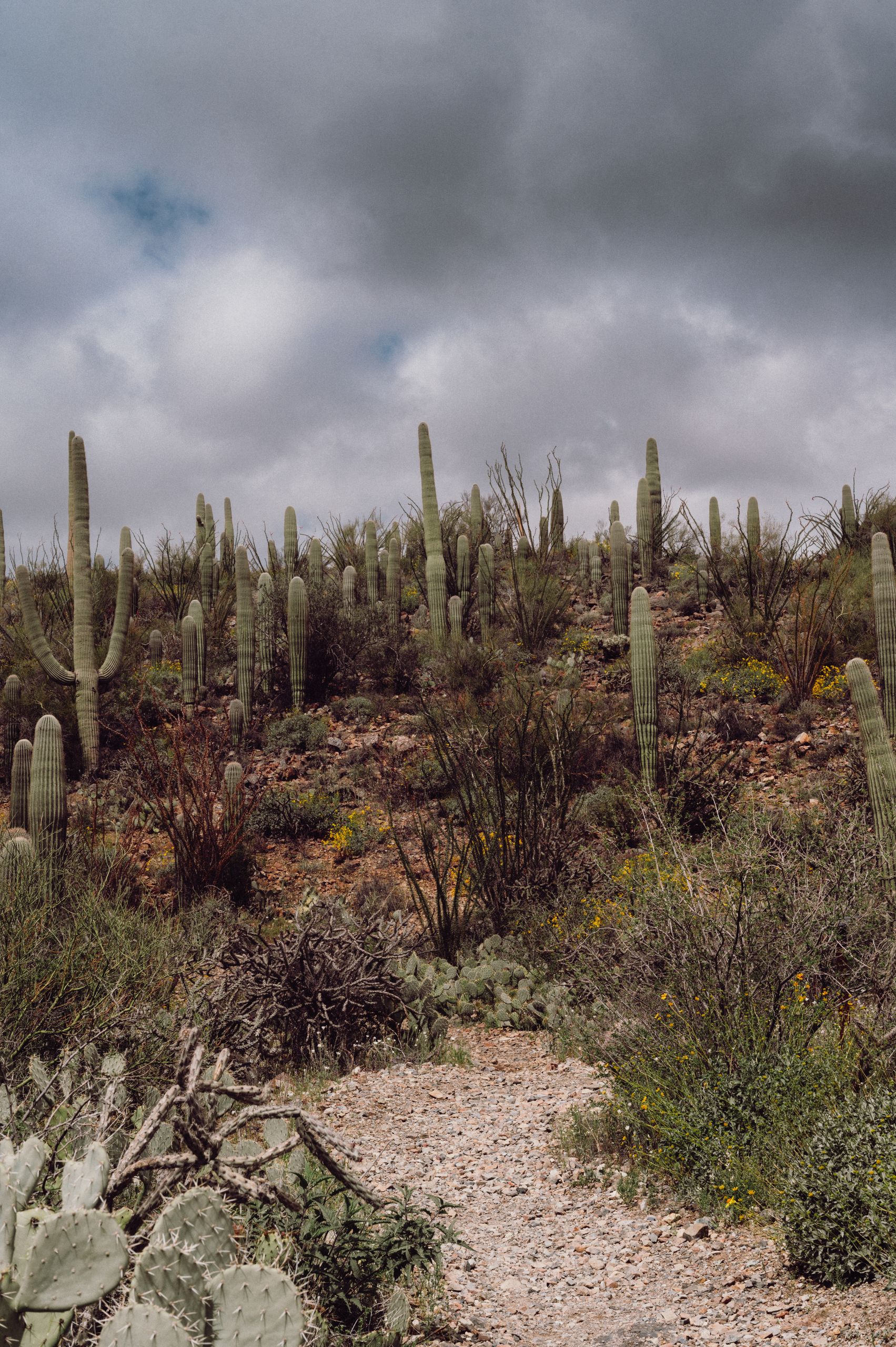
Erie, Pennsylvania
Erie demonstrates that northern cities are not immune. Summers feel hotter, winters milder, and seasonal patterns shift unpredictably. Residents face challenges in housing, recreation, and daily routines as climate expectations set decades ago no longer match reality. The heat quietly alters the lived experience even in cooler regions.
Phoenix, Arizona
Phoenix’s extreme heat has intensified to levels that strain energy grids, disrupt outdoor labour, and threaten public health. Rising temperatures strain infrastructure and daily life, turning previously manageable conditions into persistent risk. Shade, tree cover, and cooling solutions are no longer options; they are essential for survival in a city steadily becoming too hot to ignore.
From desert expanses to northern lakefronts, heat is arriving faster than residents realise, reshaping life quietly but relentlessly. Sleep, outdoor routines, energy costs, and health now carry the burden of a warming nation. These ten cities reveal a larger truth: climate change is not distant or abstract; it is pressing on Americans’ daily lives with force and persistence.