Grocery shopping used to involve fewer delivery apps, digital coupons, and subscription services, but families still needed to manage food spending. Many households developed practical habits around planning, leftovers, seasonal ingredients, and pantry staples.
Not every old habit was better, and modern supermarkets offer conveniences that earlier generations didn’t have. Still, some traditional approaches remain useful when grocery bills are difficult to control. These nine habits can help shoppers spend more intentionally without giving up the foods they enjoy.
1. Planning Meals Before Shopping
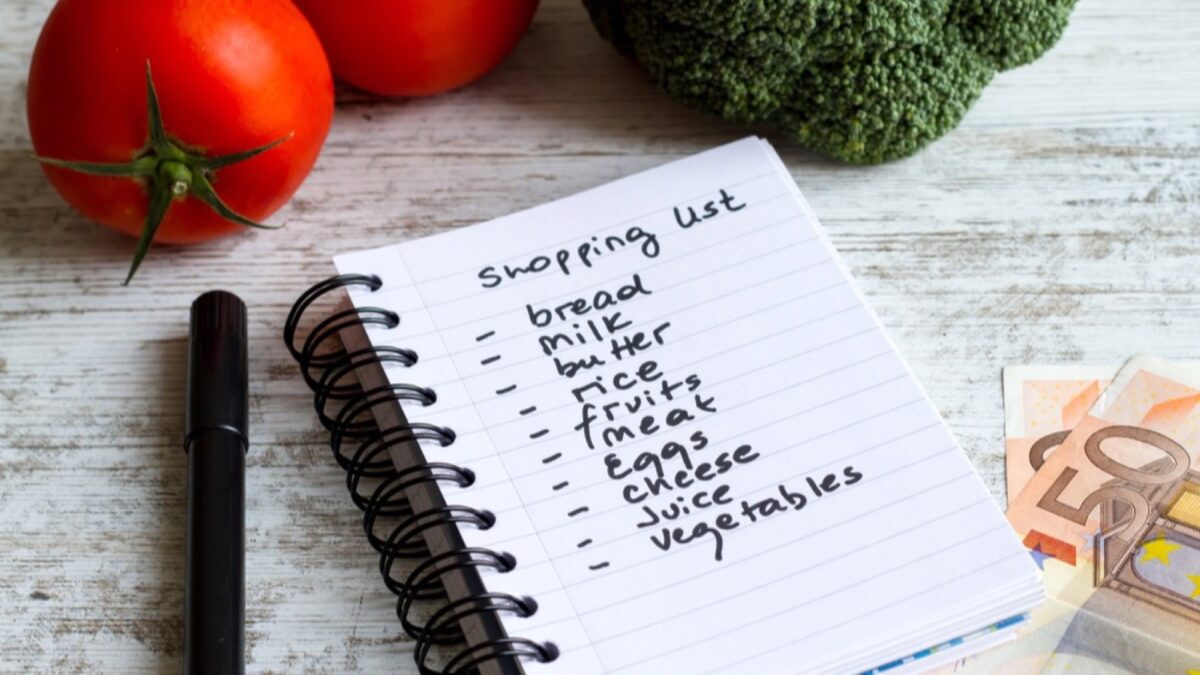
A shopping trip becomes more expensive when you enter the supermarket without knowing what you need. Earlier generations often planned meals around what was available at home and what the family could afford.
A weekly plan doesn’t need to be elaborate. Choosing several main meals and listing the ingredients required provides a useful starting point.
Leaving room for flexibility also matters. If a particular vegetable or protein is unusually expensive, a suitable substitute may offer better value.
2. Checking the Pantry First
Buying another bag of rice or container of flour when one is already available can create unnecessary spending. Pantry checks help households identify ingredients that need to be used.
This also prevents products from being forgotten until they expire or lose quality. Organizing shelves so older packages remain visible makes the process easier. A short inventory can be particularly helpful for households that purchase ingredients in bulk.
3. Using Inexpensive Staples
Potatoes, rice, dried beans, pasta, oats, and other staples can form the foundation of many meals. Their usefulness comes from versatility rather than any guarantee that they will always be the cheapest products.
Rice can accompany vegetables, become a soup ingredient, or provide the base for another dish. Beans can be added to stews, salads, and casseroles. Combining inexpensive staples with vegetables and suitable protein sources helps create more satisfying meals.
4. Comparing Prices Per Unit
A larger package doesn’t automatically offer better value. The useful comparison is often the cost per ounce, pound, or other standard unit.
Supermarket shelf labels frequently provide this information. Checking it can reveal that a smaller package is sometimes the more economical choice.
Unit pricing is especially useful for cereal, pasta, frozen vegetables, cooking oil, and packaged snacks. It reduces the chance of being distracted by packaging or promotional labels.
5. Buying Produce in Season
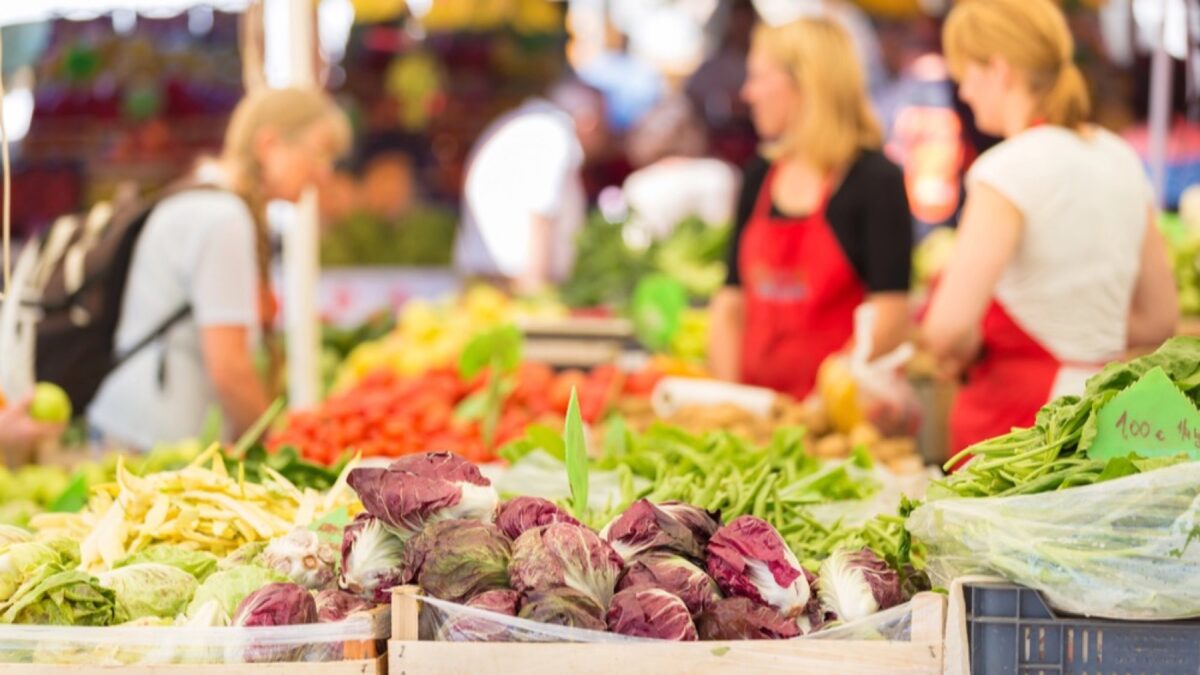
Seasonal produce can provide good value when supplies are plentiful. Strawberries, peaches, squash, and other fruits and vegetables may cost less during certain periods.
Prices still depend on location, weather, and distribution. A seasonal product isn’t automatically cheaper than every alternative. Comparing fresh, frozen, and canned versions helps shoppers identify the best option for a particular recipe.
6. Cooking Once and Eating More Than Once
Preparing a larger pot of soup or stew can reduce the number of times a household needs to cook. The approach works particularly well with beans, lentils, and other ingredients that reheat successfully.
Some families also prepare extra ingredients rather than complete meals. Cooked chicken, for example, can be used in several different recipes.
Many traditional family dinners relied on practical meals that could stretch available ingredients. Modern meal preparation can preserve the same principle without requiring complicated recipes.
7. Using Leftovers Creatively
Leftovers don’t have to appear exactly as they did during the previous meal. Roast vegetables can become soup, while cooked meat can be added to sandwiches or casseroles.
The approach works best when leftovers are stored safely and used promptly. The USDA recommends using refrigerated leftovers within three to four days. Planning a second use for leftovers before cooking the first meal can make food waste less likely.
8. Choosing Store Brands Carefully
Store-brand products can sometimes cost less than nationally advertised alternatives. The savings may be meaningful for frequently purchased items such as canned vegetables, flour, rice, and cleaning supplies.
The lowest price doesn’t always mean the best value. Comparing ingredient lists, package sizes, and personal preferences helps shoppers make informed decisions. Trying one store-brand product at a time can reveal which substitutes work well without requiring an entire grocery overhaul.
9. Keeping a Grocery Budget
A grocery budget provides a reference point for household spending. It doesn’t need to be complicated, but it should reflect family size, dietary needs, and local prices.
Tracking spending for several weeks can reveal patterns. A household might discover that convenience snacks, unused produce, or frequent small shopping trips contribute more than expected.
Budgets should be reviewed as prices and circumstances change. An unrealistic limit may create frustration without improving spending habits.
What Makes These Habits Effective?
The most useful grocery habits reduce waste and encourage deliberate choices. They don’t require buying the cheapest possible product or avoiding occasional treats.
The USDA’s food price resources show how prices change across categories and over time. That makes flexibility important because yesterday’s best bargain may not be today’s.
A practical grocery routine starts with knowing what you already have, planning what you need, and comparing available choices. Those simple steps remain useful regardless of how supermarkets change.