California homeowners are increasingly turning to modular homes to solve housing challenges, add valuable space, and future-proof their properties. With traditional construction often slow, expensive, and disruptive, modular construction offers a faster, cost-efficient, and high-quality alternative. Today, a modular home is more than a temporary solution; it is a strategic investment in style, safety, sustainability, and long-term property value.
We focus on creating modular homes in California that align with real living needs. From backyard ADUs for family or rental income to full multi-use structures, these homes combine thoughtful design, fire-smart materials, steel framing, and energy efficiency.
Our approach ensures every project is tailored to property conditions, local code requirements, and the modern homeowner’s lifestyle while reducing construction time and environmental impact.
Why Modular Homes in California Are Revolutionising Housing
Traditional stick-built homes often face delays due to weather, labour shortages, and on-site coordination issues. Modular homes in California overcome these obstacles by moving much of the construction into a controlled factory setting.
Frames, mechanical systems, plumbing, and electrical work are built with precision before arriving on-site, where installation is rapid and efficient. This approach reduces on-site disruption while ensuring consistency and quality control.
The modular approach also maximises property potential. In California’s tight housing market, adding a modular ADU allows homeowners to create a functional living space without purchasing additional land. Families gain private quarters, rental opportunities, or home offices, while the main residence remains undisturbed.
A well-designed modular home can seamlessly integrate with the existing property, providing a permanent, code-compliant, and aesthetically pleasing structure.
Financing and Affordability Advantages
One key appeal of modular homes in California is accessible financing. Because these homes are treated as real property once permanently installed, conventional mortgages, construction loans, and tiered financing plans are often available.
Low-down-payment options and flexible monthly payment structures make modular homes a realistic solution for homeowners looking to expand without depleting their savings. This positions modular construction as both a smart housing and financial strategy.

Environmental Sustainability and Energy Efficiency
Modular homes in California reduce site disturbance and minimise material waste compared to traditional construction. Steel-framed modular units are highly recyclable and typically generate far less construction waste, helping reduce the carbon footprint.
Many homes are solar-ready or come with solar installations, energy-efficient HVAC systems, and water-saving plumbing, making them not only environmentally friendly but also cost-effective to operate.
Fire, Earthquake, and Wind Resilience
California homeowners face unique environmental risks. Wildfires, earthquakes, and high winds are major concerns, particularly in areas prone to fire or seismic activity. Modular homes in California often utilise steel framing, fire-retardant siding, and careful roof and ventilation designs to resist ember intrusion and structural damage.
Earthquake-resistant anchoring, load paths, and precision engineering minimise the risk of structural failure, while reinforced materials protect against wind damage. These design features provide a level of security and resilience rarely achievable with traditional construction.
Advanced Technology and Smart Living
Modern modular homes in California are built with technology integration in mind. Pre-wiring for smart home systems, energy-monitoring dashboards, and even EV-charging circuits can be incorporated from the factory stage. Homeowners benefit from a turnkey solution that anticipates future energy needs, automates, and efficiently manages living spaces, enhancing both comfort and long-term utility.
Rental Potential and Legal Advantages
Accessory dwelling units (ADUs) offer homeowners additional income potential. Modular homes in California can be designed to maximise rental efficiency while complying with state ADU laws, including size limits, setback requirements, and utility connections.
In many urban areas, a detached modular ADU can cover mortgage payments or provide significant supplemental income. Tax incentives and energy-efficiency credits may also apply, increasing the financial attractiveness of these projects.
Time-Saving Construction and Reliable Scheduling
Factory-based construction enables overlapping workflows: while the modular unit is being fabricated, site preparation, foundation work, and utility coordination can proceed simultaneously. This can reduce overall construction timelines by up to 50% compared to stick-built homes, delivering a faster path from design to move-in. With proper planning, homeowners experience less disruption, fewer weather delays, and predictable delivery schedules.
Interior and Exterior Design Flexibility
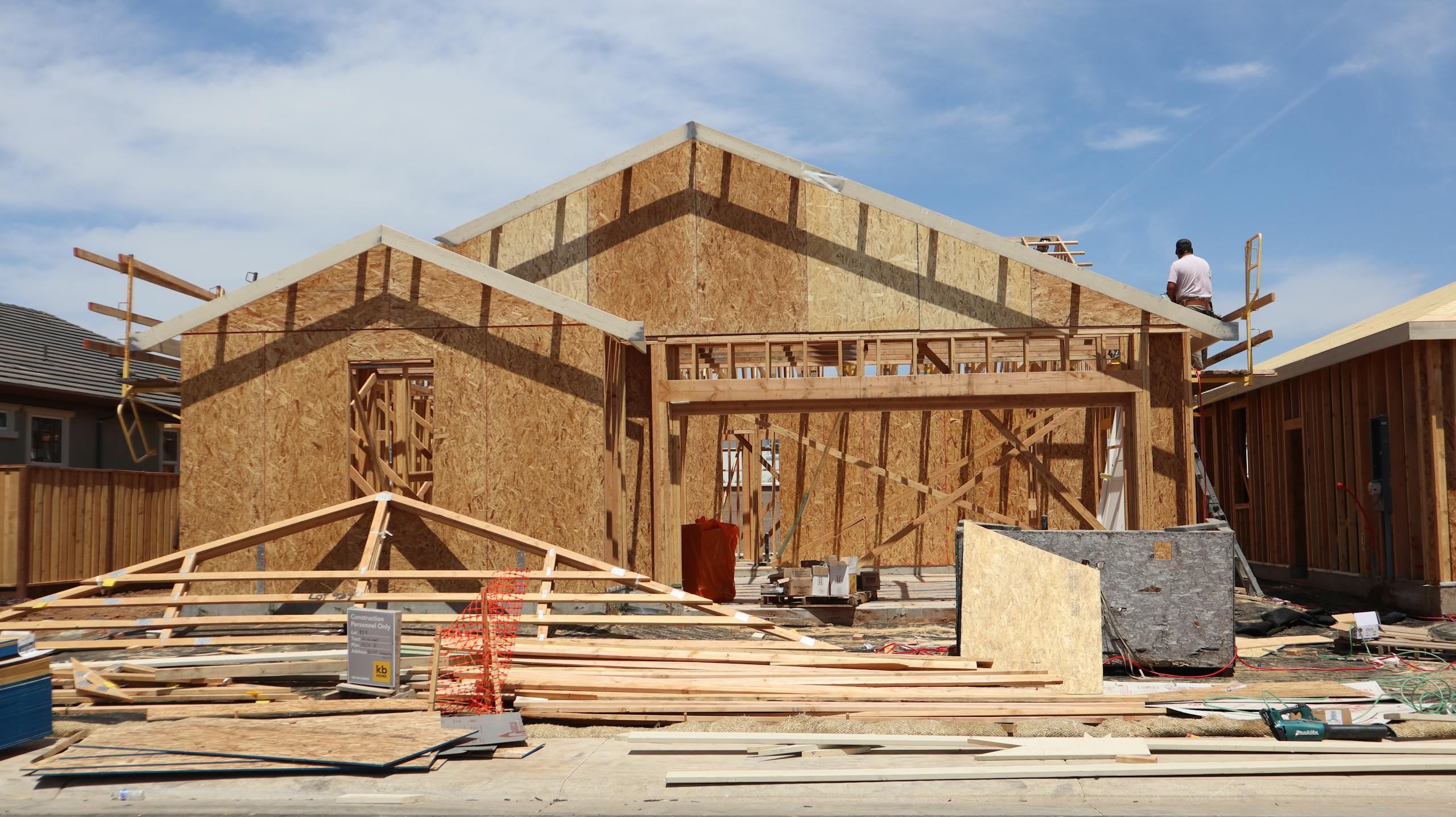
Modular homes in California do not compromise on design. Interior layouts prioritise natural light, storage, privacy, and comfort, ensuring that small spaces feel open and functional. Exteriors are fully customizable with siding, stucco, trim options, and rooflines that match the primary residence.
Homes are designed to complement their surroundings, maintain privacy, and withstand environmental pressures, creating both functional and beautiful living spaces.
Climate Resilience and Long-Term Maintenance
Beyond fire and earthquake preparedness, modular homes can include features to address heatwaves, flash floods, and drought conditions. High R-value insulation, permeable landscaping, and rainwater collection systems improve energy efficiency and environmental performance. Steel framing and factory precision reduce warping, settling, and pest damage, resulting in lower maintenance costs over time.
Choosing the Right Modular Home Builder
Selecting an experienced modular home builder is critical. Homeowners should verify expertise in California ADU law, permitting, fire-safe construction, seismic design, and energy code compliance. Transparency about site conditions, utility requirements, and budget expectations ensures smoother construction and avoids hidden costs.
A qualified builder delivers a complete solution from planning and design to installation and final inspections, ensuring the home performs safely and beautifully for years to come.

Conclusion
Modular homes in California represent the convergence of speed, durability, safety, and smart design. They provide families with flexible living space, potential for rental income, and resilience against environmental challenges.
With thoughtful planning, energy efficiency, and professional installation, a modular home can transform a backyard, side lot, or existing property into a functional, beautiful, and future-ready residence. In a state where every square foot counts, modular homes are not just an option; they are the smarter, safer, and faster path to expanding your property and enhancing your lifestyle.