Police officers do not need a siren to start watching a driver. Often, the first warning sign is a small movement: a car riding too close, a driver drifting over the line, a sudden brake tap near a patrol vehicle, or a phone glowing in someone’s hand at a red light.
We may think bad driving only matters when it causes a crash, but police often notice the pattern before the damage happens. A single mistake can look human. A repeated habit can look reckless, impaired, distracted, evasive, or unsafe.
Across the United States, enforcement is also changing. Patrol officers still rely on training, judgment, and direct observation, but cameras, license plate readers, traffic sensors, and roadside data systems now make some driving patterns harder to hide. The road has become more visible, and drivers who treat traffic laws as suggestions often stand out more quickly than they realize.
Tailgating That Looks Aggressive
Tailgating is one of the fastest ways to draw police attention because it turns ordinary traffic into a moving threat. When a driver rides another car’s bumper, the officer does not see confidence. The officer sees impatience, pressure, and a crash waiting to happen.
We often see tailgating on highways, ramps, bridges, and busy commuter roads where everyone is already tense. The problem is that following too closely leaves too little space to react when traffic slows, a driver brakes, or debris appears on the road. From behind a windshield, it may feel like pushing traffic forward. From a patrol car, it can look like intimidation.
Tailgating becomes even more noticeable when it is paired with flashing headlights, sudden acceleration, lane jumping, or hand gestures. That combination can make a driver look aggressive instead of merely careless. Police notice it because aggressive driving often escalates quickly, especially when another driver refuses to move or responds with anger.
Sudden Speed Bursts After Every Gap
A driver who surges forward every time a gap opens sends a clear message to anyone watching. The car may not be speeding for miles at a time, but the pattern still looks risky because it is constantly accelerating, closing the distance, and forcing others to adjust.
Police notice bursts of speed because they reveal intent. A driver who briefly creeps over the limit may be keeping up with traffic. A driver who repeatedly punches the gas, darts ahead, and brakes hard looks like someone trying to dominate the road.
This habit is especially obvious near intersections, school zones, construction areas, and highway merges. A sudden burst in the wrong place can place pedestrians, cyclists, workers, and merging drivers in danger. We may see a shortcut. Police may see a reckless operation.
Lane Weaving Without a Clear Reason
Lane weaving is one of the classic habits officers notice instantly because it makes a vehicle look unpredictable. A car that keeps sliding across lanes, cutting between vehicles, or changing lanes without signaling becomes impossible for others to read.
Weaving can suggest many things at once. It may point to distraction, impairment, road rage, fatigue, or a driver trying to beat traffic by seconds. Even when the driver is sober and alert, the behavior can still create enough concern for an officer to keep watching.
The most suspicious version is unnecessary weaving. If traffic is open and a driver still keeps crossing lanes, the movement stands out. If traffic is heavy and the driver keeps squeezing through tight spaces, it looks aggressive. Either way, the officer sees a driver posing a risk to everyone else.
Drifting Inside the Lane
Not every dangerous movement crosses a lane line. Sometimes the bigger warning sign is a car that cannot stay centered. It drifts toward the shoulder, floats back toward the divider, then corrects again.
Police are trained to notice this because it can indicate distraction, drowsiness, impairment, or poor vehicle control. The driver may be checking a text, reaching for food, adjusting a screen, or fighting sleep. The car tells the story before the officer ever sees the driver’s face.
This habit becomes more serious at night, on rural roads, and near work zones where small mistakes carry bigger consequences. A vehicle that wanders inside its lane may not seem dramatic, but it often gives police one of the earliest clues that something is wrong.
Braking Hard Near Patrol Cars
Hard braking near a police vehicle is one of those habits drivers think is subtle, but it rarely is. A sudden brake tap after spotting a patrol car can make a driver appear nervous, especially if the traffic ahead does not warrant the slowdown.
We all understand the instinct. A driver sees a cruiser, glances at the speedometer, and reacts. But when the brake lights slam on, the reaction can draw more attention than the original speed. It tells the officer the driver may have been going too fast or may be worried about something else.
The pattern becomes more noticeable when a driver brakes hard, changes lanes, avoids eye contact, exits suddenly, or turns into a parking lot for no clear reason. Police do not need to assume guilt. They only need enough unusual behavior to keep watching.
Rolling Through Stop Signs
Rolling through a stop sign may feel harmless when the road looks empty, but officers notice it because it is easy to see and easy to explain. The vehicle never fully stops. The wheels keep moving. The driver treats the sign like a suggestion.
This habit is especially risky in neighborhoods, near schools, and at four-way stops where pedestrians and cyclists may enter from blind spots. A driver who rolls through one sign may also roll through the next. Police know that small violations often reveal larger habits.
A full stop does not take long, but it tells everyone nearby that the driver is aware and in control. A rolling stop tells the opposite story. It suggests impatience, distraction, or a belief that traffic rules only matter when another car is visible.
Delayed Reaction at Green Lights
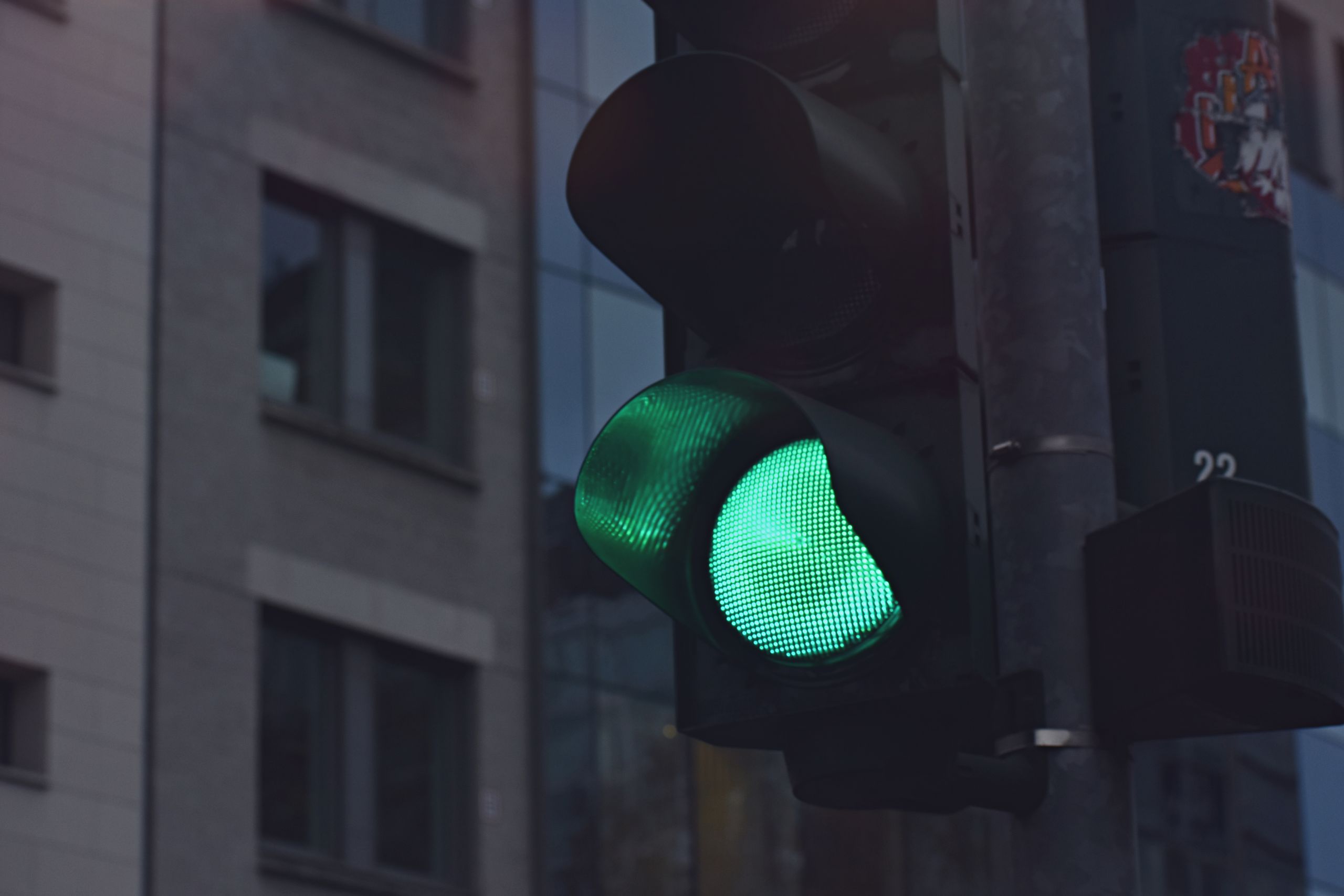
A driver who sits too long after the light turns green can attract attention for a different reason. It may not look aggressive. It may look distracted, impaired, sleepy, or confused.
Police notice delayed reactions because they often reveal what is happening inside the vehicle. The driver may be looking down at a phone, arguing with a passenger, entering directions, eating, or zoning out. At night, a long delay can raise even more concern.
The issue is not just the delay itself. It is what happens next. Some drivers sit too long, then panic and accelerate sharply through the intersection. That combination of hesitation and sudden movement can look unsafe and may give police a reason to watch more closely.
Phone Use Behind the Wheel
Few habits are easier for police to spot than a driver looking down at a phone. The head drops. The car slows for no reason. The vehicle drifts. The driver reacts late when traffic moves.
We may think a quick glance is invisible, but it changes the rhythm of driving. A distracted driver often leaves too much space, then closes it suddenly. They miss lights, wander in the lane, brake late, and react more slowly than the cars around them.
Phone use is especially noticeable at red lights, in slow traffic, and on highways where the driver’s eyes should stay up. Even when state laws differ, the safety problem is the same. A phone pulls attention away from the one task that matters most.
Wide Turns and Poor Cornering
A clean turn looks calm. A suspicious turn looks sloppy, rushed, or uncontrolled. Police notice wide turns because they can signal impairment, distraction, speeding, or simple failure to control the vehicle.
A driver who swings too wide may cross into another lane, clip the shoulder, force another car to brake, or enter a turn too fast. Sharp, jerky cornering can also make the vehicle look unstable. At night, that kind of movement stands out even more.
Turns reveal a lot about a driver because they require speed control, steering control, awareness, and timing all at once. When those pieces fall apart, officers notice. A bad turn may be brief, but it can expose the driver’s entire state of control.
The Driving Habits Police Notice Most
Police notice behavior that breaks the rhythm of normal traffic. They notice the car that is too close, too fast, too slow, too erratic, too hesitant, too aggressive, or too visibly unsafe.
We do not need to drive perfectly to avoid attention. We need to drive predictably. Signal early. Leave space. Put the phone away. Stop fully. Keep the vehicle maintained. Hold a steady speed. Move with traffic instead of fighting it.
Most traffic stops begin before the lights flash. They begin with a pattern that an officer sees from a distance. The driver who understands that pattern has a better chance of staying safe, avoiding tickets, and keeping a clean record.