Consuming a single doughnut, burger, or late-night slice of pizza does not immediately harm brain health. The greater risk arises from the repeated consumption of certain foods, which can become normalized and habitual over time.
Many common foods influence blood sugar, blood pressure, inflammation, gut health, and cardiovascular health. These physiological systems are critical because the brain relies on consistent blood flow, stable energy, and healthy cells for optimal cognitive function.
Research has associated high consumption of ultra-processed foods, added sugars, processed meats, and unhealthy fats with adverse long-term brain outcomes, including accelerated cognitive decline in certain populations.
Sugary Breakfast Cereals

Sugary cereals may appear harmless due to marketing that emphasizes grains, vitamins, and appealing imagery. However, these products often consist primarily of rapidly digestible carbohydrates with minimal fiber or protein, which can lead to rapid fluctuations in blood sugar levels.
The brain requires glucose for energy, but large fluctuations in blood sugar are detrimental. Consuming a high-sugar breakfast can cause a rapid increase in blood glucose, followed by decreased energy and focus. Over time, diets high in refined sugar are associated with increased risks of obesity and diabetes, both of which negatively impact long-term brain health.
Processed Meats
Bacon, sausage, hot dogs, pepperoni, and deli meats are associated with several health concerns. Many processed meats contain elevated levels of sodium, saturated fat, preservatives, and compounds produced during processing. This combination can adversely affect cardiovascular health, which is essential for maintaining optimal brain function.
A major 2025 neurology study found that higher intake of processed red meat is associated with increased dementia risk and poorer cognitive outcomes. While occasional consumption is unlikely to cause immediate harm, habitual intake warrants greater scrutiny.
Fried Fast Foods
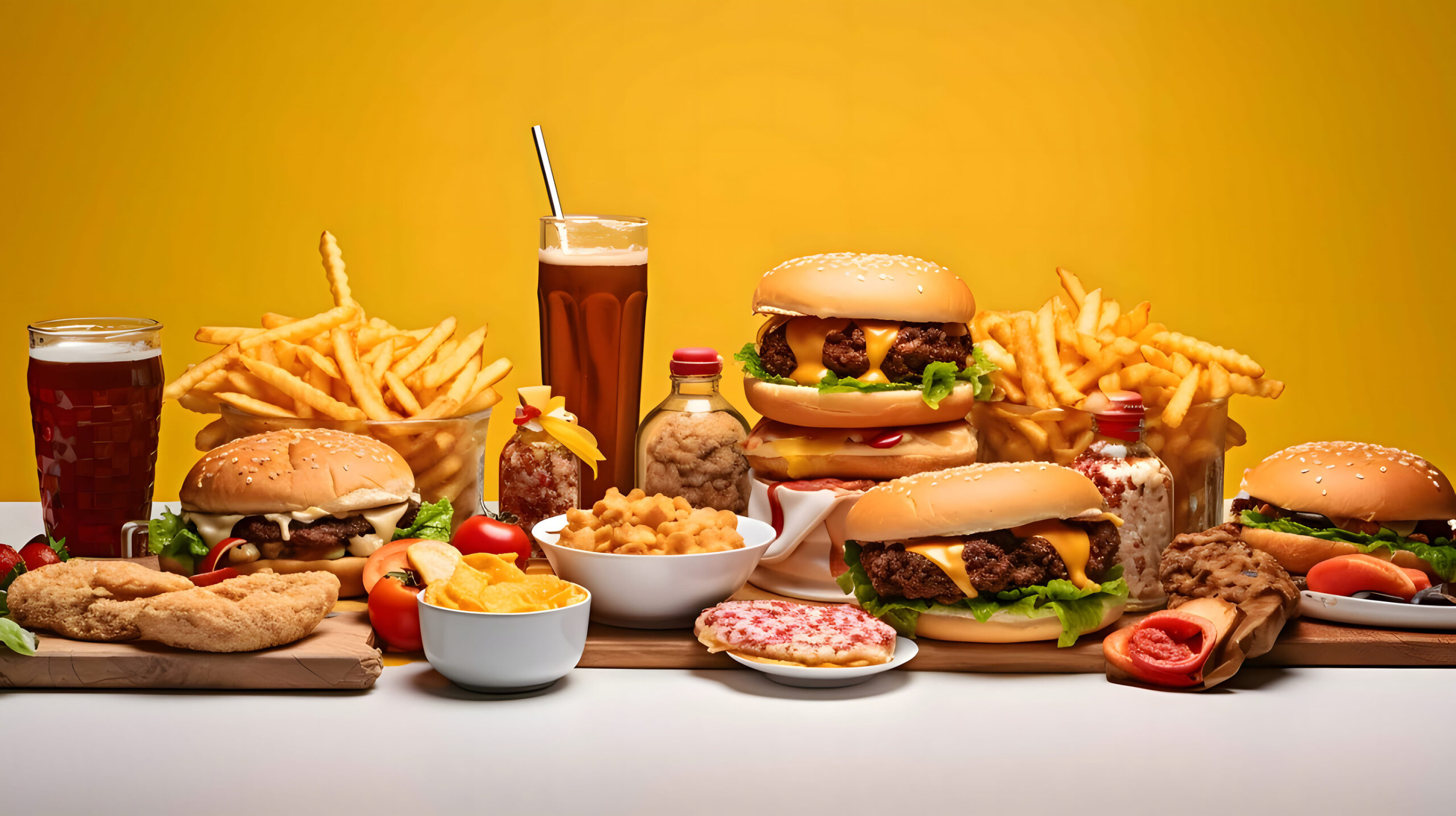
Fried chicken, fries, onion rings, and similar fast foods are formulated to be highly palatable, often containing significant amounts of salt, fat, and appealing textures. While these foods provide immediate sensory gratification, their long-term health consequences are concerning.
Frequent consumption of fried foods has been associated with increased inflammation and poorer mental health outcomes in some studies. Diets high in saturated fats and sugar can also promote brain inflammation and may impair cognitive function. These findings suggest that regular fast food consumption poses significant long-term health risks.
Packaged Snack Cakes and Pastries
Snack cakes, toaster pastries, packaged cookies, and frosted bakery treats may appear harmless due to their small size. However, regular consumption contributes significant amounts of sugar, refined flour, oils, and calories, while providing minimal nutritional value.
These foods are typically classified as ultra-processed, a category that researchers have linked to accelerated cognitive decline when consumed in substantial quantities. In one large study, individuals who derived 20 percent or more of their daily calories from ultra-processed foods experienced a faster rate of cognitive decline.
White Bread and Refined Carbs
White bread, white rice, crackers, regular pasta, and many refined-grain snacks are rapidly metabolized into glucose, similar to sugar. These foods lack the fiber necessary to slow digestion, resulting in rapid increases in blood sugar, particularly when consumed alone or in large portions.
The brain requires a consistent supply of energy. Diets high in refined carbohydrates can lead to increased hunger, fatigue, and cravings for additional quick energy sources. Replacing refined carbohydrates with whole grains, beans, vegetables, and protein can improve the nutritional quality of meals and support brain health.
Candy and Sweet Desserts

Candy, frosted doughnuts, brownies, ice cream, and sweet pies are widely recognized as high-sugar foods. However, frequent consumption as a response to stress can lead to the development of unhealthy daily habits.
Sugar activates the brain’s reward system, which can intensify cravings. Excessive added sugar intake contributes to weight gain, type 2 diabetes, and heart disease, all of which negatively affect brain health over time. Occasional consumption is less concerning than the establishment of a daily habit.
High-Sodium Frozen Meals
Frozen meals offer convenience for individuals with limited time or energy for meal preparation. However, many frozen dinners, pizzas, instant meals, and ready-to-eat bowls contain high levels of sodium. High sodium intake can elevate blood pressure, which in turn may damage the blood vessels supplying the brain.
The American Heart Association has cautioned that hypertension can disrupt cerebral blood vessels and contribute to damage in brain regions associated with cognitive function. Consequently, high-sodium convenience foods present a significant health concern.
Foods Made With Unhealthy Fats

Certain processed baked goods, microwave snacks, frostings, and older fried foods may contain unhealthy fats that are detrimental to cardiovascular and brain health.
Due to mounting evidence linking trans fats to adverse cholesterol changes and increased heart disease risk, the FDA determined that partially hydrogenated oils are no longer generally recognized as safe.
Even with reduced trans fat content, many ultra-processed foods still contain excessive saturated fat, refined starch, and added sugar. This combination can impair metabolic health and increase inflammation, which may negatively affect brain health over time.
Conclusion
No single food causes significant harm to brain health in isolation. The primary concern is the repeated consumption of unhealthy foods, which can establish daily patterns that gradually impair memory, focus, mood, and long-term cognitive function.
A more effective approach is to make gradual dietary replacements. For example, select oatmeal instead of sugary cereal, grilled chicken instead of processed meats, whole grains instead of refined carbohydrates, and fruit or yogurt instead of daily candy. Optimal brain health does not require perfection, but rather a reduction in the consumption of foods that undermine cognitive well-being.