A key economic claim that tariffs are a major solution to rising U.S. debt costs is facing renewed scrutiny after new figures suggest tariff revenue covers only a small fraction of the interest on the national debt. The shortfall is reigniting debate in Washington over whether trade taxes can realistically play a meaningful role in stabilizing federal finances.
Economists say the gap between tariff income and debt interest obligations highlights a broader structural challenge in the U.S. budget, where mandatory spending and rising borrowing costs continue to outpace most revenue streams.
What Tariffs Are and How They Work in the Economy
Tariffs are taxes placed on imported goods. When foreign products enter the United States, importers pay a fee to the federal government, which is typically passed along to businesses and sometimes consumers through higher prices.
Policymakers have long used tariffs for two main reasons. One is to generate government revenue. The other is to protect domestic industries by making imported goods more expensive and encouraging consumers to buy locally produced alternatives.
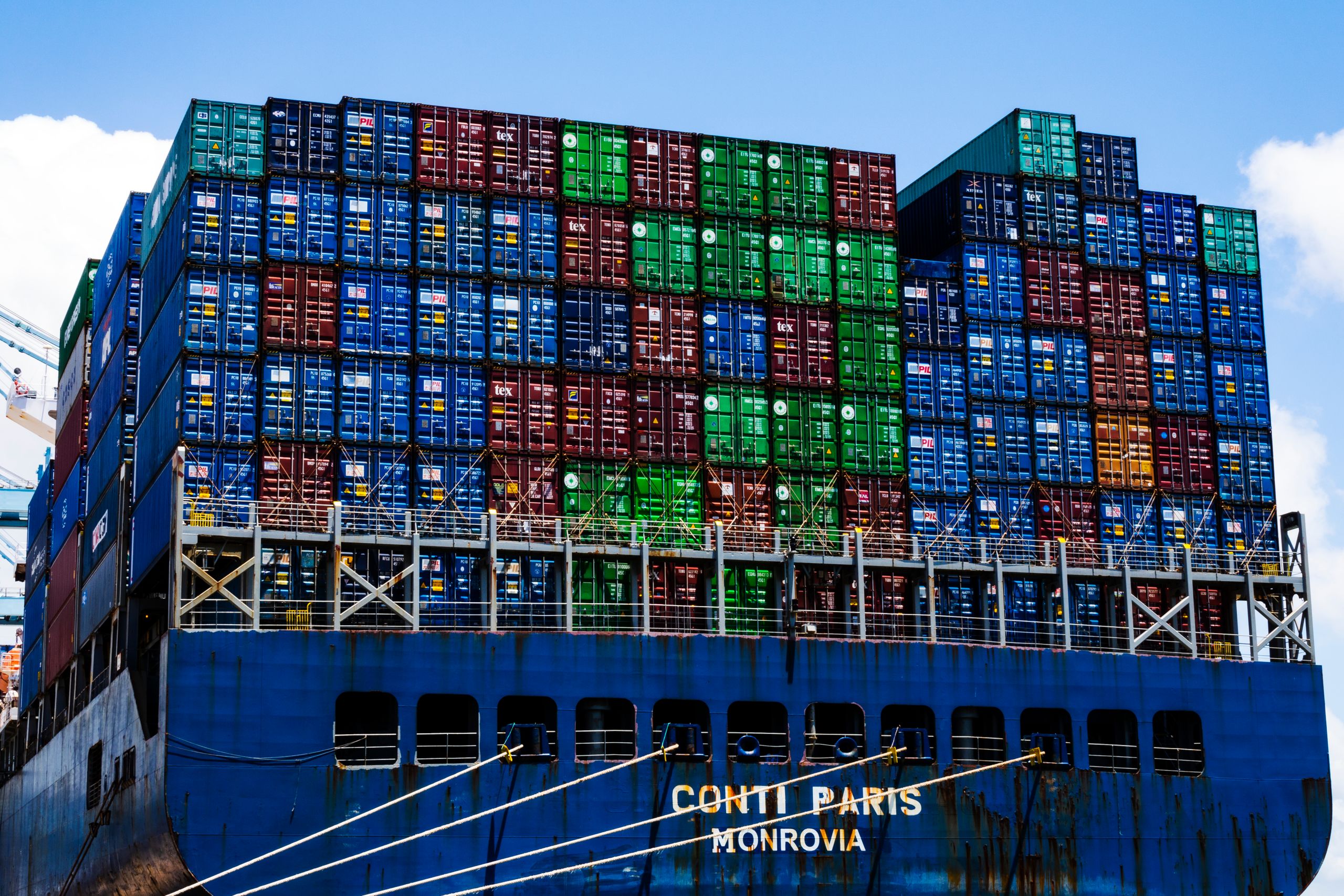
In recent years, tariffs have also become a political tool, with some leaders arguing they can help reduce trade deficits and strengthen domestic manufacturing. Supporters of higher tariffs have sometimes suggested that these taxes could significantly contribute to federal income and help offset rising government costs.
However, economists often caution that tariffs are neither a stable nor a sufficiently long-term funding source for large-scale obligations such as national debt interest payments.
Revenue Reality Versus Political Expectations
New financial analysis indicates that tariff revenue currently covers only about a quarter of the interest on the national debt. Interest payments are among the fastest-growing components of federal spending due to higher borrowing costs and accumulated debt.
While tariff collections do contribute billions of dollars annually to federal revenue, economists say that figure remains relatively small compared to overall budget needs. Interest on the national debt alone now represents a major recurring expense that competes with spending on defense, healthcare programs, infrastructure, and social services.
This gap between expectations and reality has become a central point of debate, especially after earlier political messaging suggested that tariffs could serve as a more powerful revenue source than traditional tax increases.
Experts say the numbers show a clear limitation. Even significant increases in tariff rates would likely not generate enough revenue to meaningfully offset interest on debt without broader economic consequences.
Why Some Policymakers Saw Tariffs as a “Silver Bullet”
The idea that tariffs could play a major role in funding government obligations stems from the belief that taxing imports can generate large, steady revenue streams while also reshaping trade behavior.
Some policymakers have argued that tariffs could encourage domestic production, reduce reliance on foreign imports, and bring additional manufacturing activity back to the United States. In theory, this could expand the tax base in other areas, such as wages and corporate income.
However, critics say this approach oversimplifies how global supply chains and pricing systems work. Many imported goods are deeply embedded in U.S. production networks, meaning tariffs often increase costs for domestic businesses and consumers alike.

Economists also point out that if imports decline due to higher tariffs, the revenue generated by those tariffs can fall as well, limiting their effectiveness as a stable funding source.
Economic Implications for Consumers and Businesses
The shortfall in tariff revenue relative to interest obligations on debt has broader implications for households and companies.
For consumers, tariffs can contribute to higher prices on everyday goods ranging from electronics to clothing and food inputs. While the impact varies by product category, economists say tariffs generally increase costs somewhere in the supply chain.
For businesses, especially manufacturers that rely on imported materials, tariffs can increase production costs and reduce competitiveness. Companies may absorb some of these costs but often pass a portion of them on to consumers through higher prices.
Small businesses can be particularly affected because they may have less flexibility to adjust supply chains or negotiate bulk pricing.
At the same time, the federal government continues to face rising borrowing costs, which can limit fiscal flexibility and increase pressure on future budgets. Economists warn that when interest on debt grows faster than revenue, it can constrain long-term economic planning.
What Experts Say About Long-Term Fiscal Stability
Many economists argue that relying on tariffs as a primary revenue source is unsustainable. Instead, they suggest that addressing structural budget imbalances requires a combination of spending adjustments, tax policy evaluation, and long-term economic growth strategies.
Some analysts emphasize that no single revenue stream is likely to resolve debt interest pressures on its own. Instead, they describe the issue as a structural mismatch between spending commitments and revenue growth.
Others note that while tariffs may play a role in trade policy, their contribution to federal finances is relatively limited compared to income taxes, payroll taxes, and corporate tax revenues.

What Happens Next for Policy and the Economy
As debt interest costs continue to rise, policymakers are expected to revisit discussions about long-term fiscal strategy, including how different revenue tools perform under current economic conditions.
Tariffs will likely remain part of broader trade and industrial policy debates, but economists say expectations about their role in funding major federal obligations may need to be reassessed in light of current data.
For now, the numbers suggest a clear gap between political assumptions and fiscal reality, underscoring the complexity of managing debt in a high-interest-rate environment and the limited role tariffs can play in closing it.