Your pantry has more than one clock. The National Coffee Association suggests buying about one to two weeks’ worth of coffee, while McCormick estimates two to four years for properly stored ground spices. Those figures answer different questions about freshness and keeping quality.
USDA describes “best if used by” as a quality date, so use these 10 checks to plan storage and cooking rather than clear the shelves on autopilot.
Whole-wheat flour
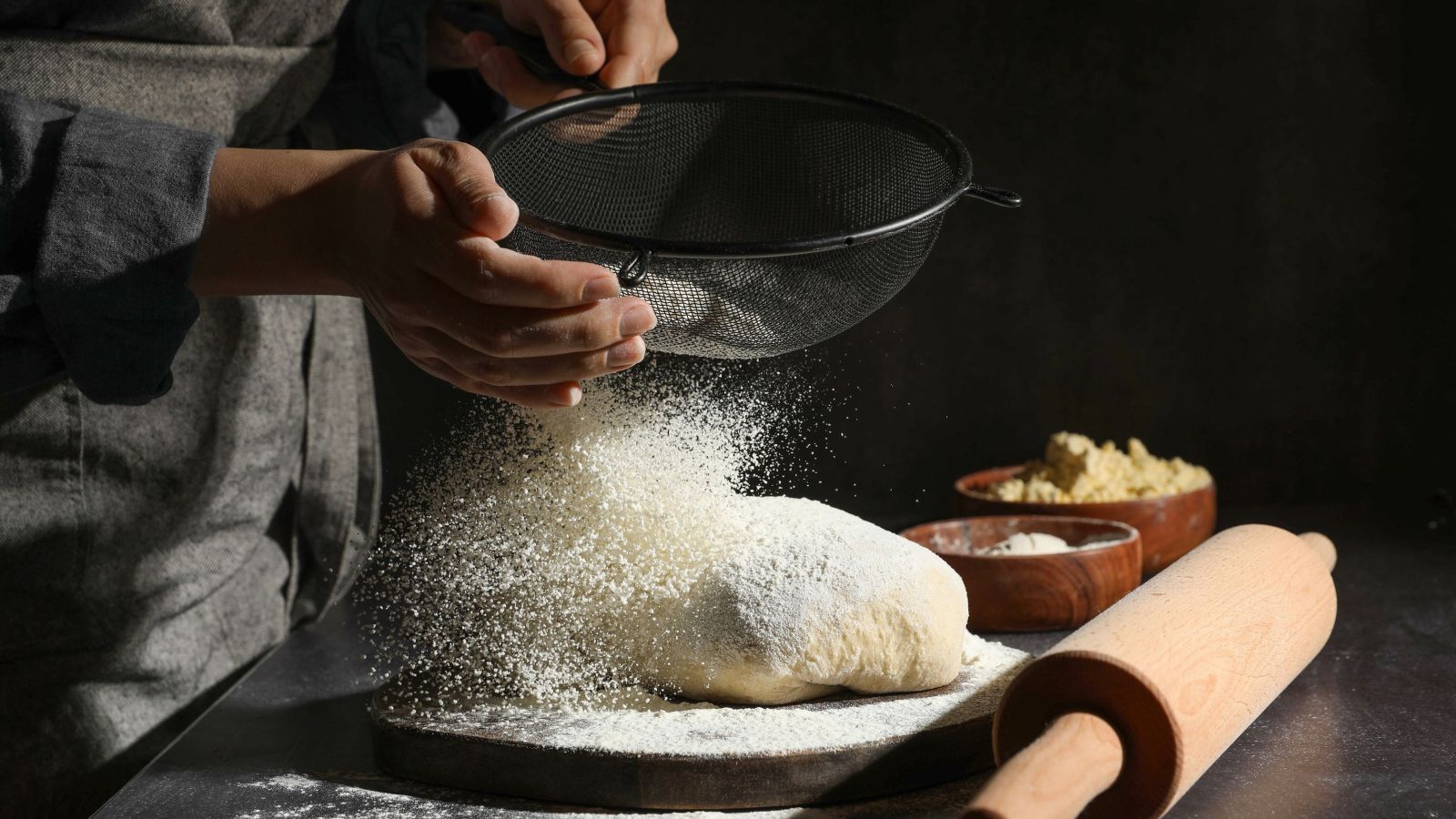
King Arthur Baking estimates one to three months at cool room temperature and up to six months in the freezer for whole-grain flour. Milling exposes oils to oxygen, so the company recommends airtight freezer storage, with refrigeration as another option.
Its estimates depend on milling date and storage before purchase. King Arthur advises discarding flour with obviously rancid odors or signs of insects, such as webbing; don’t taste raw flour to check it.
Almond flour and other nut flours
That opened almond-flour bag deserves its own storage plan. King Arthur’s April 11, 2019, guide identifies nut flours as particularly prone to deterioration at room temperature after opening because of their oil content, and recommends keeping them in the freezer.
Seal the flour airtight and follow its package instructions. The guide supplies no universal nut-flour timetable, so the whole-wheat estimates above should stay with whole wheat.
Brown rice
Brown rice needs a different calendar from white rice. USA Rice gives uncooked brown rice an approximate six-month shelf life, explaining that oils in its bran can oxidize; it describes a much longer storage life for properly kept milled white rice.
Keep brown rice tightly closed in a cool, dry place, or refrigerate or freeze it for longer keeping. Match the storage plan to the rice actually in your jar.
Opened olive oil
Give that good bottle a place in tonight’s dinner. California Olive Ranch recommends using its oil within 30–60 days of opening for peak flavor, compared with its stated two-year bottled shelf life before opening.
The producer identifies light, heat and oxygen as concerns, so keep the cap tight and choose a cool, dark cupboard away from the stove. This is its quality recommendation, not a universal countdown for every oil.
Walnuts
Diamond’s walnut timetable belongs beside a refrigerator or freezer, not a warm pantry shelf. Under those cold-storage conditions, its table lists 24 months for unopened packages, 12 months for opened shelled walnuts and 18 months for opened in-shell walnuts.
Keep them airtight and protected from moisture and strong odors, following the actual package instructions. The conditions matter as much as the calendar: those longer windows should travel with the cold-storage requirement.
Ground spices
A spice jar can keep its place in the cupboard while its aroma quietly slips away. McCormick estimates two to four years for properly stored ground spices and recommends following the product’s best-by date.
Its guidance connects aging with diminished flavor and quality, making that range an estimate rather than a promise about every opened jar. Close the lid tightly and choose a spot away from heat, moisture and direct sunlight.
Related: 7 Kitchen Habits That Could Be Quietly Taking the Flavor Out of Your Food
Baking powder
Before blaming a recipe for a disappointing rise, give the baking powder some attention. Clabber Girl says an unopened can typically lasts up to 18 months, while an opened can is best used within six months for good rising performance.
Its activity test calls for one teaspoon stirred into one-third cup of warm water: immediate bubbling indicates active leavening. Keep the container closed in a cool, dry place, and remember that the bubbles test baking performance.
Opened dry yeast
Opening the jar changes the instructions for Red Star Active Dry Yeast. The manufacturer gives its unopened jar a “best if used by” date two years after packaging, but recommends using opened yeast within four months and storing it in the refrigerator or, preferably, freezer.
Write the opening date on the jar, then reseal and return the remaining yeast promptly after measuring. Let that little date label do the remembering before your next bread-baking day.
Roasted coffee
Let the morning cup keep its fragrant entrance. The National Coffee Association recommends buying roughly one to two weeks’ supply and storing beans or grounds airtight in an opaque container somewhere cool and dark, away from moisture.
That is a purchasing recommendation for freshness, not a fixed replacement date. Refrigeration and freezing are options under its guidance, provided the packaging is genuinely airtight and you take precautions against condensation.
Canned tomatoes
The tomato cans waiting for your next sauce have a quality window, too. USDA recommends approximately 12–18 months for high-acid canned foods such as tomatoes, compared with two to five years for low-acid canned foods.
These are commercial-food storage recommendations for unopened containers in good condition, kept somewhere cool, clean and dry, away from the stove and sink. Use the guidance to plan your pantry rotation while remembering USDA’s distinction between a best-by date and an automatic discard deadline.
Start with one forgotten package, give it the right home, and let your next recipe begin there.