A steakhouse dinner should feel like a small occasion. We go in expecting sizzling plates, polished service, a perfectly cooked cut of beef, and that satisfying feeling that the bill was worth it. But even at a good steakhouse, the wrong order can turn a promising meal into an expensive disappointment. Some menu items look tempting because they sound familiar, fancy, or cheaper than the premium steaks, yet they often miss the whole point of going to a steakhouse in the first place.
The smartest move is not ordering the longest list of sides or chasing the flashiest plate on the menu. It is knowing where the restaurant is likely to shine and where it may be stretching too hard. A steakhouse earns its reputation through beef quality, heat control, seasoning, timing, and classic sides that support the main event. When we understand the menu traps, we can spend better, eat better, and leave without feeling like we paid premium prices for a forgettable plate.
Huge Menus That Try to Do Everything

A steakhouse menu should feel focused. We expect a strong lineup of steak cuts, a few seafood options, a chicken dish, classic sides, appetizers, and desserts that fit the room. When the menu runs for pages and tries to cover pasta, burgers, tacos, ribs, stir-fry, seafood towers, sandwiches, and random specials, that is often a quiet warning sign. A restaurant that attempts to please every possible diner may struggle to execute anything with real precision.
Large menus can also point to heavy freezer use, reheated components, and kitchen teams juggling too many cooking styles at once. Steak requires attention, timing, and consistency, especially when guests order different temperatures across the same table. If the kitchen is also managing dozens of unrelated dishes, the steak may no longer be the star. We are better off choosing steakhouses with a confident, edited menu that shows discipline instead of one that reads like a diner, seafood house, and sports bar had a messy group chat.
Overcooked Steak That Drains the Flavor
Ordering a steak well-done is a personal choice, but it comes with a real tradeoff. The longer the beef stays over the heat, the more moisture it loses. A premium cut that could have been juicy and tender can become firm, dry, and less flavorful when cooked past the point where its fat and juices work their magic. At that stage, even an expensive steak may taste more like effort than indulgence.
Medium-rare and medium are popular for a reason. Those temperatures allow the steak to retain its tenderness, retain more of its natural flavor, and show off the quality of the beef. We do not have to order rare to enjoy a good steak, but we should understand that pushing a cut too far can erase the qualities we are paying for. If we are nervous about doneness, asking the server how the kitchen interprets medium or medium-well can prevent an expensive regret.
Chopped Steak Sold Like a Bargain
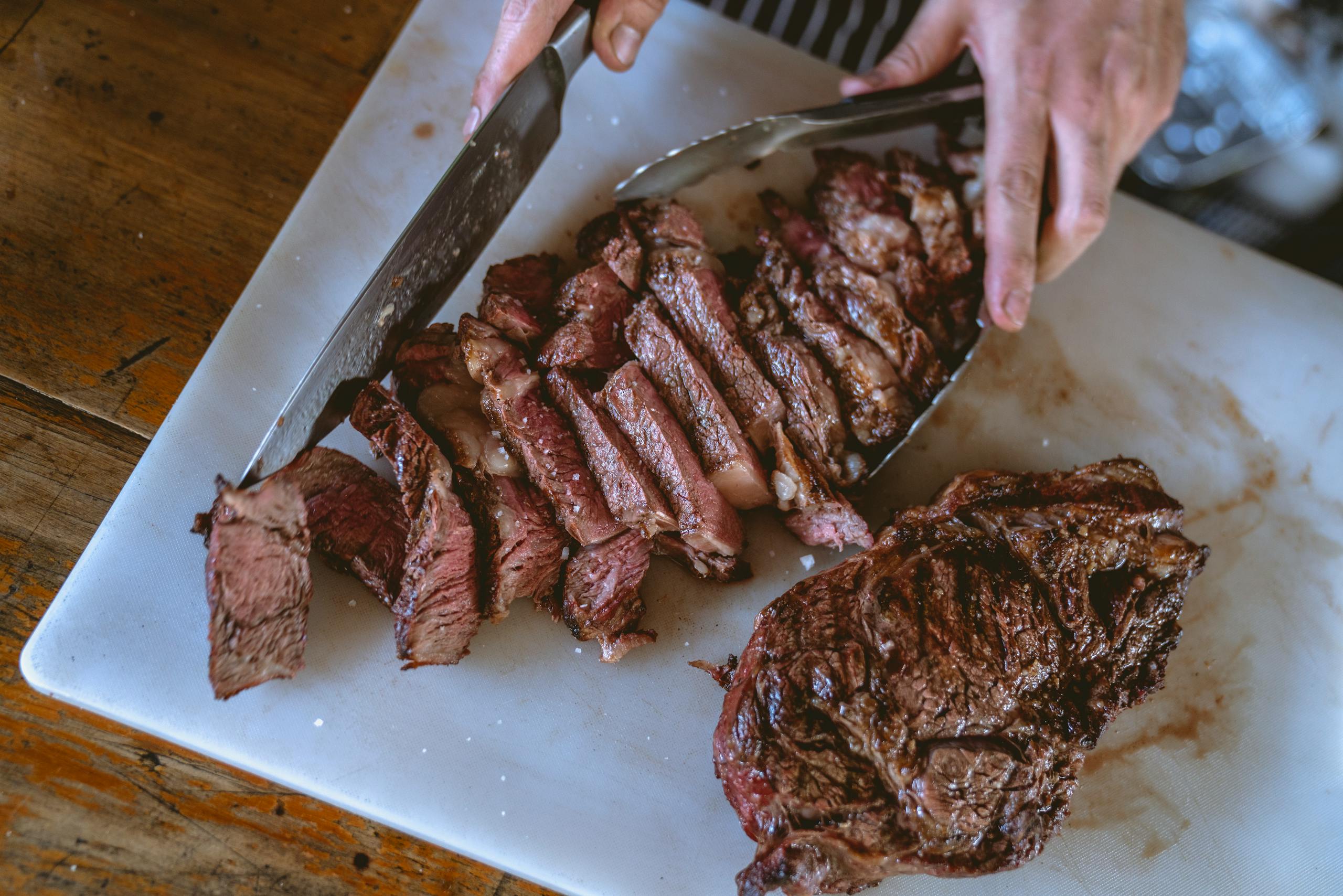
Chopped steak can look like the smart budget order when the rest of the menu feels pricey. The problem is that it is usually closer to a dressed-up hamburger patty than a true steakhouse experience. There is nothing wrong with seasoned ground beef, onions, gravy, mushrooms, or mashed potatoes when that is what we are craving. But when we sit down at a steakhouse, paying steakhouse prices for chopped steak can feel like buying concert tickets and standing in the parking lot.
The bigger issue is value. A chopped steak may be cheaper than a ribeye or filet, but it rarely delivers the same sense of occasion. We are not getting the marbling, texture, sear, or cut-specific flavor that makes a steakhouse meal memorable. If the budget is tight, a sirloin, flat iron, hanger steak, or smaller strip steak may offer a much better compromise. Those cuts still let us enjoy the kitchen’s grill work without turning dinner into an overpriced burger night.
Flashy Gold-Covered Steaks
A gold-covered steak may look dramatic on social media, but edible gold does not make beef taste better. It adds shine, spectacle, and a bigger bill, not deeper flavor. The real pleasure of steak comes from the meat quality, aging, seasoning, searing, resting time, and the way the fat melts into each bite. Gold leaf brings none of that. It is theater served on a plate.
We should be careful when a steakhouse seems more focused on presentation than cooking. A giant tomahawk, tableside salt show, flaming reveal, or luxury garnish can be fun once, but drama does not replace skill. If the price jumps because of decoration rather than better beef, better aging, or better preparation, the value becomes questionable. We are usually better off ordering a thoughtfully cooked ribeye, strip, or filet with a classic side than paying extra for a steak dressed like it is attending an awards show.
Steak Sauce That Covers the Main Event

Steak sauce is not evil, but it can be a problem at the wrong table. A well-cooked steak already brings salt, crust, fat, smoke, butter, and beefy depth. Pouring a heavy bottled sauce across it can drown those flavors under sweetness, acidity, and spice. The steak no longer tastes like the cut we ordered. It tastes like sauce with a side of beef.
There is a better way to handle extra flavor. If we enjoy sauces, we can ask what the kitchen recommends, such as peppercorn sauce, chimichurri, béarnaise, red wine reduction, or compound butter. These options are usually designed to support the steak instead of bullying it. A small taste on the side keeps us in control. Once the sauce covers the whole plate, there is no undo button, and that expensive ribeye may never get a fair chance.
Ribs at a Place Built for Steak
Ribs can be fantastic, but they belong to a different cooking tradition. Great ribs usually need low heat, smoke, patience, seasoning, and a kitchen built around barbecue techniques. A steakhouse, on the other hand, is built around hot grills, broilers, searing, and precise steak temperatures. Those are very different strengths. When ribs appear on a steakhouse menu, they may be fine, but they are not always the kitchen’s best work.
The risk is that the ribs are baked, reheated, sauced heavily, or finished quickly to imitate barbecue flavor without the full process. That can leave them sweet, soft, sticky, or oddly dry instead of smoky and tender. If we truly want ribs, a respected barbecue spot is usually a better choice. At a steakhouse, the smarter order is the item the restaurant is designed to execute well: a properly cooked cut of beef with sides that match it.
Too Much Free Bread Before the Steak Arrives
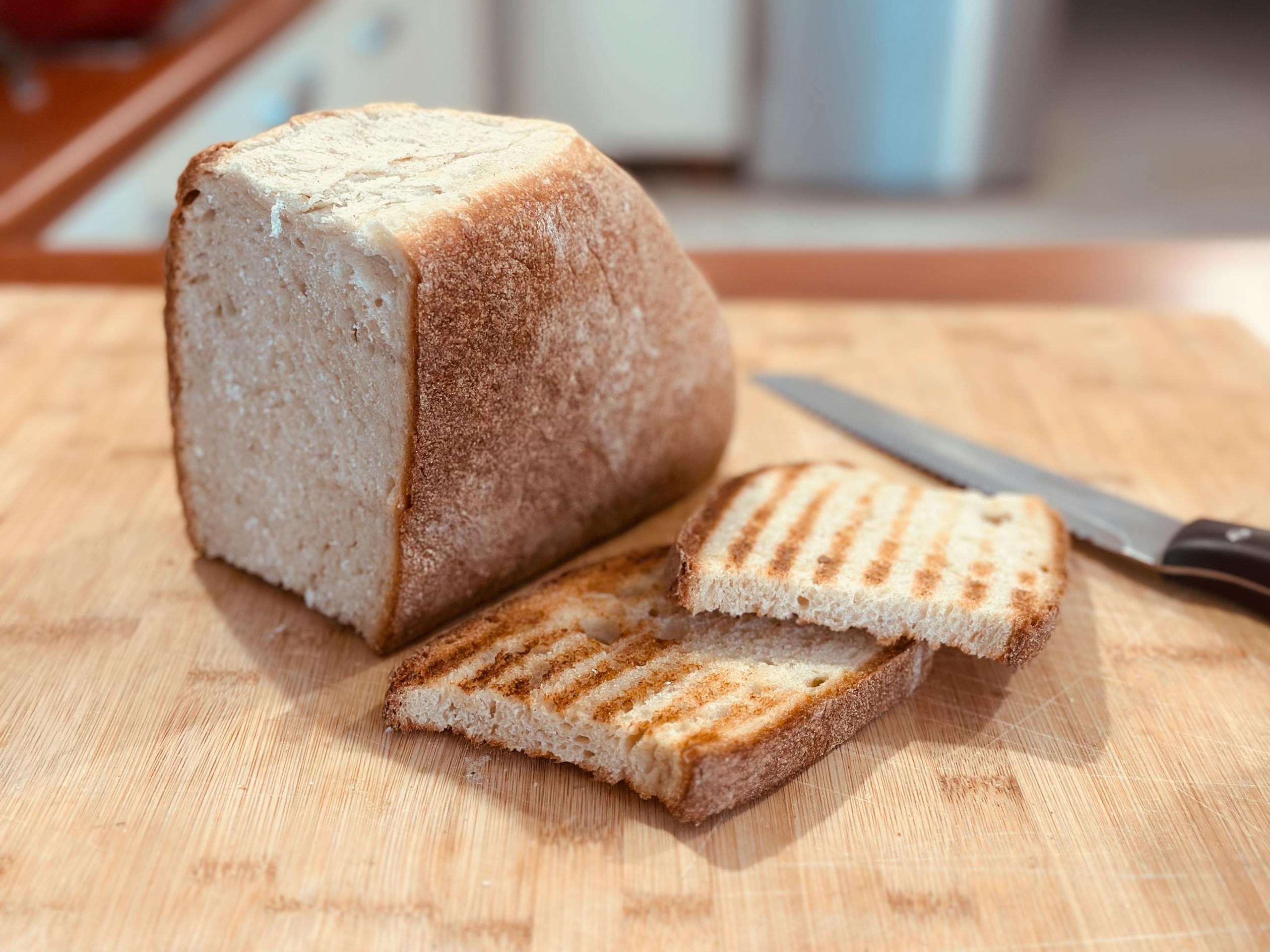
Free bread can be one of the nicest parts of a steakhouse dinner. Warm rolls, whipped butter, crusty sourdough, or buttery biscuits can make the table feel instantly generous. The trap is eating too much before the main course arrives. Bread fills the stomach quickly, and by the time the steak appears, we may already feel too full to enjoy the plate we came for.
This matters more at steakhouses because the meals are naturally heavy. Steak, potatoes, creamed spinach, mac and cheese, salads, sauces, and desserts already create a rich dining experience. If we demolish the bread basket early, the main event becomes a struggle instead of a pleasure. A smarter move is to enjoy one piece slowly, save room, and let the steak remain the reason for the night. Bread should warm up the meal, not steal the spotlight.
Bargain Specials That Sound Too Good
A steakhouse special can be excellent, but an unusually cheap steak deserves careful attention. Premium beef is expensive, skilled cooking takes labor, and good steakhouses price accordingly. When a special looks wildly cheaper than the rest of the menu, we should ask what cut it is, how it is prepared, and what comes with it. Sometimes it is a smart deal. Other times, it is a way to move a tougher cut, older inventory, or a portion that needs heavy sauce to feel satisfying.
This does not mean we should avoid every discount or prix fixe menu. Happy hour steaks, lunch cuts, early-bird specials, and chef’s features can offer real value. The difference is transparency. A good server should be able to explain the cut, portion, doneness recommendation, and flavor profile without dodging the question. If the explanation sounds vague, rushed, or overly salesy, the so-called bargain may become the plate we regret most.
Fish That Feels Like an Afterthought

Many steakhouses offer fish because not every guest wants beef. That does not automatically make the fish a bad order, but it does mean we should read the room. If the restaurant is known for dry-aged beef, massive steaks, and classic sides, the fish may be included mainly to keep non-steak eaters comfortable. It may not receive the same attention, sourcing, or menu development as the beef.
Fish also leaves less room for error. Overcook it, and it dries out fast. Store it poorly, and the flavor turns dull or unpleasant. Pair it with the wrong sauce, and the plate feels confused. If the menu gives clear signs that the kitchen takes seafood seriously, such as fresh daily selections or specific preparation details, it may be worth ordering. If the fish is described vaguely and buried beneath a steak-heavy menu, we should think twice before choosing it over the house specialty.
Overloaded Sides That Bury the Meal
Steakhouse sides can be irresistible. Creamed spinach, loaded baked potatoes, truffle fries, lobster mac and cheese, mushrooms, onion rings, and mashed potatoes can turn the table into a feast. The mistake is ordering so many rich sides that the steak becomes just another item in a heavy spread. Suddenly, the meal feels less elegant and more like a food challenge.
The best steakhouse sides should balance the plate. One rich side and one fresher or simpler side usually works better than stacking cheese, cream, bacon, butter, and fried toppings across the table. Mushrooms, asparagus, wedge salad, roasted vegetables, or a simple potato can support the steak without smothering the experience. We are paying for the beef, so the sides should frame it, not bury it under a mountain of dairy and starch.
Key Takeaway
Choosing wisely at a steakhouse is about trusting the restaurant’s strengths and keeping the order focused. Stick to signature beef cuts cooked to the right temperature, pair them with a few well-chosen sides, and let the steak’s natural flavor shine without overloading on bread, gimmicky sauces, or flashy add-ons. This approach ensures every bite is satisfying, every dollar is well spent, and the dining experience lives up to the occasion.