San Francisco’s Mission-style burrito became famous for generous fillings because it turned a portable food into a substantial, customizable meal. Rice, beans, meat, salsa and optional extras could share one large flour tortilla, with foil helping hold the package together. Neighborhood taquerias developed their own approaches, and national chains later spread the format far beyond the Mission District. Its size made an impression; its flexibility helped it travel.
The history is less neatly wrapped than the burrito. El Faro and La Cumbre both appear in competing creation stories, while some longtime Mission restaurateurs question whether “Mission-style” is a useful label at all. That tension is part of the story: a neighborhood staple became an identifiable American format, even as the people making it continued to see individual recipes, Mexican traditions, and customer preferences rather than one standardized invention.
The Big Burrito Has Competing Origin Stories
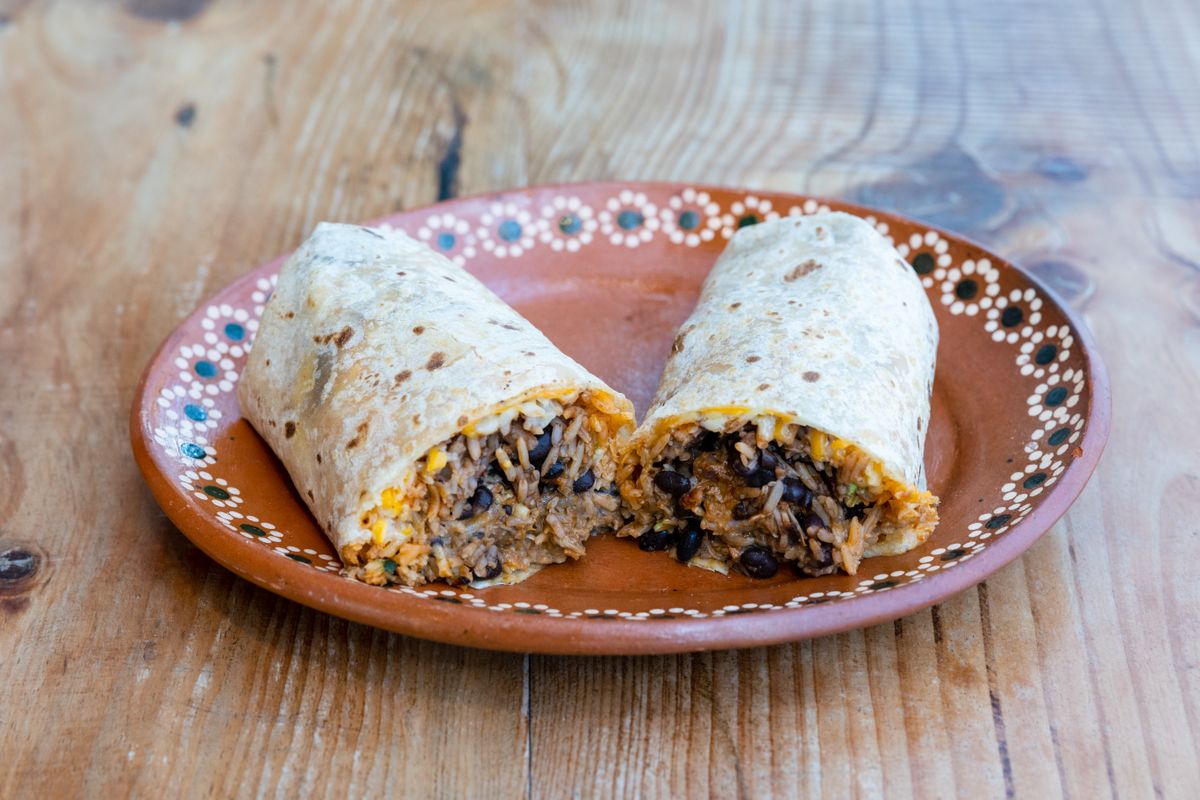
The Mission’s oversized version should not be confused with the burrito’s invention. Burritos have Mexican roots, particularly in northern flour-tortilla traditions, although precise origin stories are disputed. “Any origin story when it comes to Mexican food, very few of them are indisputable,” Gustavo Arellano, a Los Angeles Times columnist and author of Taco USA: How Mexican Food Conquered America, told KQED. San Francisco’s contribution concerns a particular development, not ownership of every tortilla-wrapped meal.
El Faro’s account places a pivotal moment in September 1961, when founder Febronio Ontiveros reportedly prepared unusually large burritos for hungry firefighters. La Cumbre’s history credits Raul and Micaela Duran with developing their version at their Valencia Street meat market in 1969, before converting it into a taqueria in 1972. Those dates come from the businesses’ competing accounts; they do not establish a single, independently settled invention date.
Miguel Jara, founder of La Taqueria, recalled buying burritos from Micaela Duran, whom he knew as Miki.He repeated the story that she joined two tortillas to accommodate a larger meal for firefighters, but immediately qualified it: “Whether that’s true or not, I have no idea.” That admission is valuable. It preserves a neighborhood memory without turning an often-repeated anecdote into verified fact simply because it sounds like a perfect origin story.
What emerges more clearly is a pattern of immigrant-owned businesses adapting food to their customers. Jara, born in Jalisco and raised in Tijuana, had run a San Francisco body shop before entering the restaurant business. He told KQED that he missed Mexican street food and spent a year developing La Taqueria’s space and menu. His path illustrates how personal experience and entrepreneurial work shaped the neighborhood’s food culture beyond any argument about who rolled the first large burrito.
Generous Fillings Made It a Meal, Not Just a Bigger Wrap
The familiar Mission-style format packs substantial portions inside a large tortilla, usually rice, beans, and meat. A “super” version often adds cheese, sour cream, and guacamole or avocado. Those additions help explain its reputation for abundance: the appeal is not just a bigger tortilla, but the chance to pack several meal components into one handheld order. Exact combinations differ by restaurant and customer.
Foil provides practical support and a recognizable look. It helps keep the tortilla from unraveling or rupturing around the filling, allowing the diner to expose more of the burrito as they eat. That wrapper helps make a generously filled meal portable. The silver package signals the format before anyone sees whether the contents include carnitas, carne asada, vegetables or a different combination.
Arellano captured the appeal with affectionate exaggeration: “When you think of a burrito, you think humongous, humongous [wrapped] in foil.” He emphasized customization, too: “You get to customize it to your own taste.” The size attracts attention, but choice makes the format adaptable. Customers can seek richer additions, change proteins or choose a simpler combination without abandoning the basic structure that made the meal recognizable.
Rice, however, is not a universal requirement. La Taqueria is repeatedly associated with the Mission burrito despite leaving rice out of its burritos. Jara’s response to KQED’s question about the label was wonderfully direct: “I don’t know what’s a Mission-style burrito.” The exception matters because it shows that abundance doesn’t require a single checklist. A celebrated neighborhood burrito can express the same generous spirit while following a different recipe.
National Fame Came With a Complicated Label
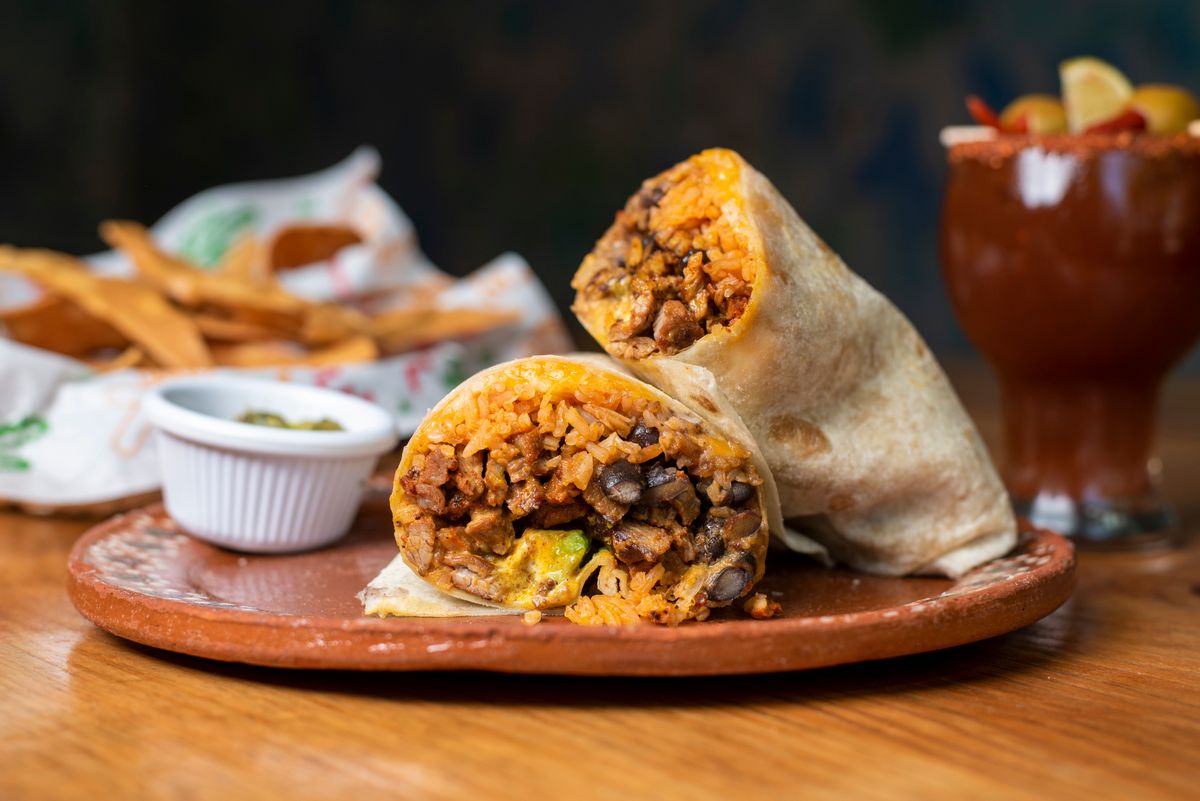
National expansion helped turn that local format into a familiar American expectation. According to Arellano, Chipotle founder Steve Ells modeled his business on the San Francisco taquerias he frequented, including their ingredient-station approach to customization. The chain spread the style during the mid-1990s. That is a story of popularization, not invention: a large business helped distribute a format whose foundations had already been developed by neighborhood restaurateurs.
Not everyone welcomes the label attached to that success. Francisco Hernandez, founder of El Metate, told KQED that he prepares burritos according to traditions from Guanajuato, Mexico, rather than a formula he calls Mission-style. His priority is straightforward: “My only goal is fresh Mexican cuisine, fresh rice, fresh beans, fresh meat.” The remark redirects attention from branding to the ingredients and work behind each order.
Musician and burrito reviewer Cecilia Peña-Govea, known as La Doña, raised a related cultural concern. Having experienced displacement and gentrification, she told KQED, “I see the way in which cultural assets are packaged and commoditized.” Her objection concerns how a neighborhood’s food is marketed, not whether the food tastes good. Naming a style can celebrate a place, but it can also simplify the contributions of the people who made it meaningful.
Papalote owner Victor Escobedo offered a more expansive interpretation at a 2025 KQED event. Unlike a melting pot, he said, “A burrito is individual items that stay exactly who they are.” That image fits the Mission burrito’s appeal: a generous combination whose parts remain recognizable. Its fame rests on more than sheer bulk. It carries choices, Mexican food traditions and decades of neighborhood adaptation inside a wrapper practical enough to take along.
Other Posts You May Like
- 7 Overused Restaurant Buzzwords: A Deep Dive into Misleading Marketing Tactics
- 7 Restaurant Habits That Reveal Your Dining Experience and Social Confidence