President Donald Trump has shifted one of the biggest pressure points in the conflict with Iran from the sky to the sea.
After months of U.S. and Israeli strikes, Washington is leaning heavily on a naval blockade designed to choke off Iranian oil exports and squeeze Tehran’s access to cash. Iran’s main export hub at Kharg Island has seen tanker activity collapse, sharply reducing its ability to move crude.
But there is a problem for Washington: some oil is still getting out.
China, long the biggest buyer of Iranian crude, is continuing to receive shipments through pre-positioned cargoes, ship-to-ship transfers and payment channels built to survive U.S. sanctions. The blockade may be hurting Iran without fully shutting down that lifeline.
The Blockade Is Hitting Iran Where It Hurts
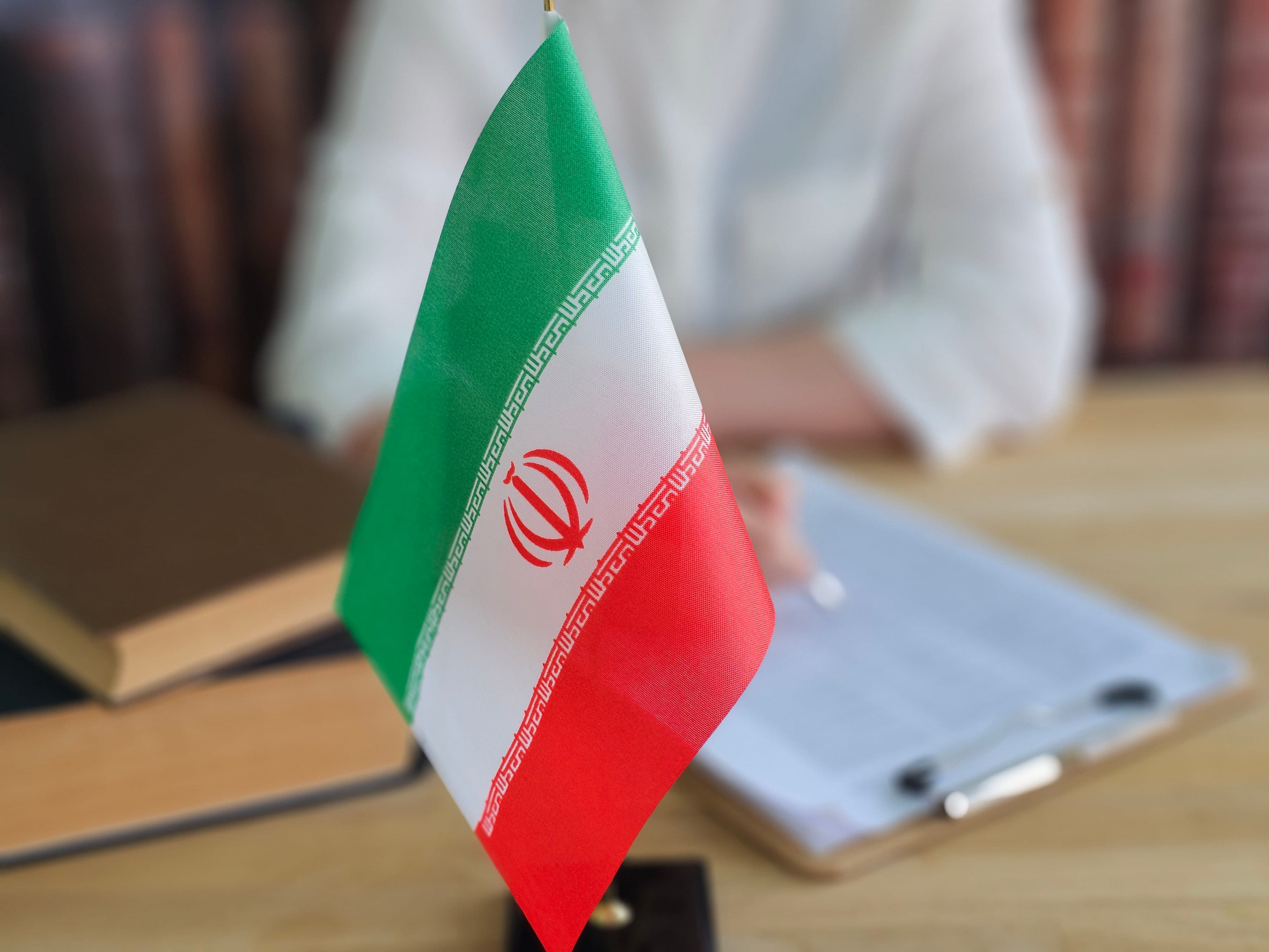
The United States reimposed its naval blockade on Iranian shipping in July after an interim ceasefire broke down. Since then, the pressure on Tehran’s energy trade has become increasingly visible.
The Financial Times reported that Kharg Island, Iran’s main oil export terminal, had seen no tanker activity since July 31, one of the longest shutdowns since the conflict began. Tankers have been left idle off the Iranian coast, while Tehran has reportedly reduced production to avoid filling storage it cannot easily empty.
Trump has framed the strategy as economic pressure, saying the United States is watching Iran struggle with inflation and a shortage of money while keeping military options in reserve.
For the White House, the bet is clear: if Iran cannot freely sell its crude, pressure may build without another massive round of strikes.
China Is Still Finding Ways to Get Iranian Oil
The blockade did not erase years of sanctions-evasion infrastructure overnight.
China has long been Iran’s dominant oil customer. Before the war, Chinese buyers were taking roughly 1.7 million barrels of Iranian oil per day. By July, that figure had fallen to about half a million barrels per day, a steep drop but not zero.
During a roughly month-long pause between mid-June and mid-July, Iran reportedly pushed more than 60 tankers out, carrying oil worth an estimated $5 billion to $6 billion, much of it bound for China.
Chinese buyers have also relied on payment methods that reduce exposure to the U.S. financial system, including renminbi transactions and barter. Ship-to-ship transfers near Malaysia can make cargo origins harder to trace, while official trade records may list crude as coming from somewhere other than Iran.
Those methods show why making the blockade airtight is so difficult.
The “Dark Tanker” Problem Makes Enforcement Messier
Tankers involved in sanctioned oil trades have long used tactics such as switching off tracking signals and transferring crude between ships at sea.
Before the latest blockade was reimposed, shipping analysts were already seeing more Gulf tankers moving in “dark” mode around the Strait of Hormuz. Disabling tracking systems can obscure the true amount of oil leaving the Gulf.
That creates a problem for Washington.
A blockade can stop visible traffic, pressure ports and scare away legitimate shipping companies. It is harder to eliminate every barrel moving through informal networks, especially when the final buyer is willing to accept sanctions risk.
China’s continued purchases also give Iran some cash flow and bargaining room, even if volumes are far below normal.
Trump Is Betting Economic Pain Can Force a Deal
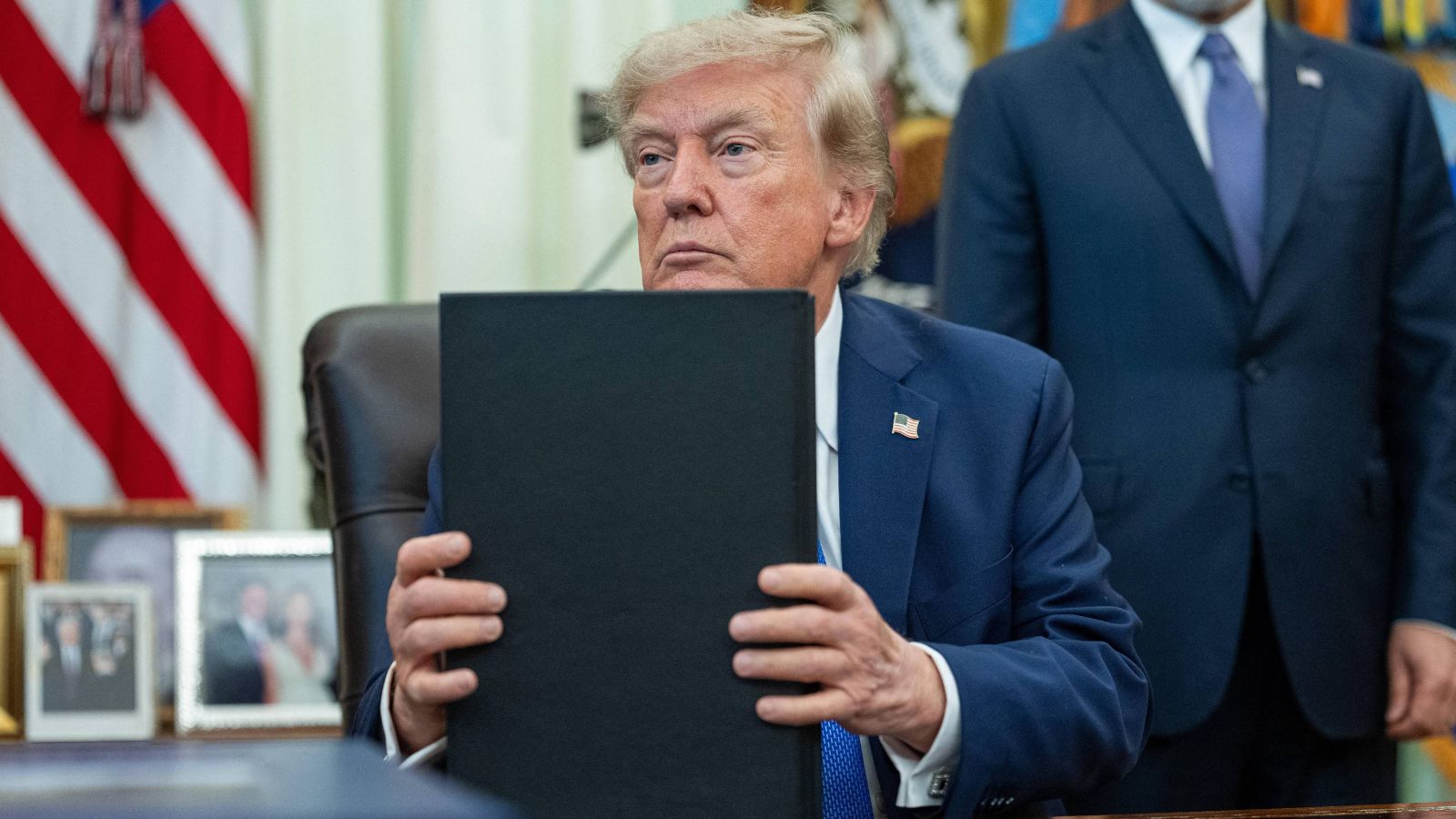
The blockade comes after an enormous military campaign.
U.S. Central Command said that by late March, Operation Epic Fury had already involved more than 11,000 combat flights and strikes on more than 11,000 targets. Yet Iran still retains leverage through the Strait of Hormuz and is demanding major concessions before fully reopening the waterway.
Those demands include lifting sanctions, ending the blockade, releasing frozen Iranian assets and compensation for damage caused by U.S. and Israeli attacks.
Washington has not agreed.
Instead, the administration appears to be betting that economic pressure will weaken Tehran’s negotiating position faster than another escalation would.
Missiles can destroy infrastructure. A blockade attacks the revenue needed to rebuild it.
But that strategy depends on the economic pain becoming strong enough to change Iran’s calculations.
Hormuz Is Still the Bigger Risk
The danger for Washington is that Iran has its own economic weapon.
Before the conflict, roughly a fifth of global oil and liquefied natural gas shipments moved through the Strait of Hormuz. Iran has tied reopening the waterway to U.S. concessions, leaving both sides locked in a contest over who can tolerate more pressure.
The United States can squeeze Iranian exports.
Iran can disrupt a shipping route the global economy depends on.
Talks involving Oman have moved toward a framework for new shipping lanes, but major political conditions remain unresolved. Iran says there will be no full reopening without U.S. action. Washington says it will lift its blockade once an agreement is implemented.
That leaves both sides with enormous leverage and enormous risks.
The Blockade Is Working, but “Working” Is Not the Same as Winning
There is little doubt the naval pressure is hurting Iran.
Oil exports have dropped, Kharg Island has gone quiet, and tankers have piled up while Tehran searches for ways to keep crude moving.
But the oil reaching China is an important warning against declaring the strategy complete.
Sanctions networks adapt. Tankers change routes. Cargoes move between ships. Buyers willing to take risks find new payment channels.
Trump’s blockade may be squeezing Iran without immediately widening the war. But as long as Iranian oil continues to reach buyers, Tehran still has something Washington has not completely shut off: time.
The real test is not whether the blockade can hurt Iran.
It is whether it can hurt enough to change Iran’s decisions before the pressure produces another dangerous escalation in the Gulf.