Most pollution does not arrive from smokestacks, oil spills, or dramatic images of trash floating across the ocean. Sometimes, it sits quietly on the bathroom shelf, under the kitchen sink, inside the laundry basket, or next to the coffee maker. The uncomfortable truth is that many everyday things are more toxic than people realize because their damage starts long before we use them and continues long after we throw them away.
These items are not always evil, and no one needs to live in guilt over every purchase. The real problem is how normal they have become in daily life, especially when convenience makes waste and chemical exposure feel invisible. From plastic packaging to scented sprays and synthetic clothing, these everyday items leave a much larger toxic footprint than most households imagine.
Plastic Bottles That Poison More Than Water
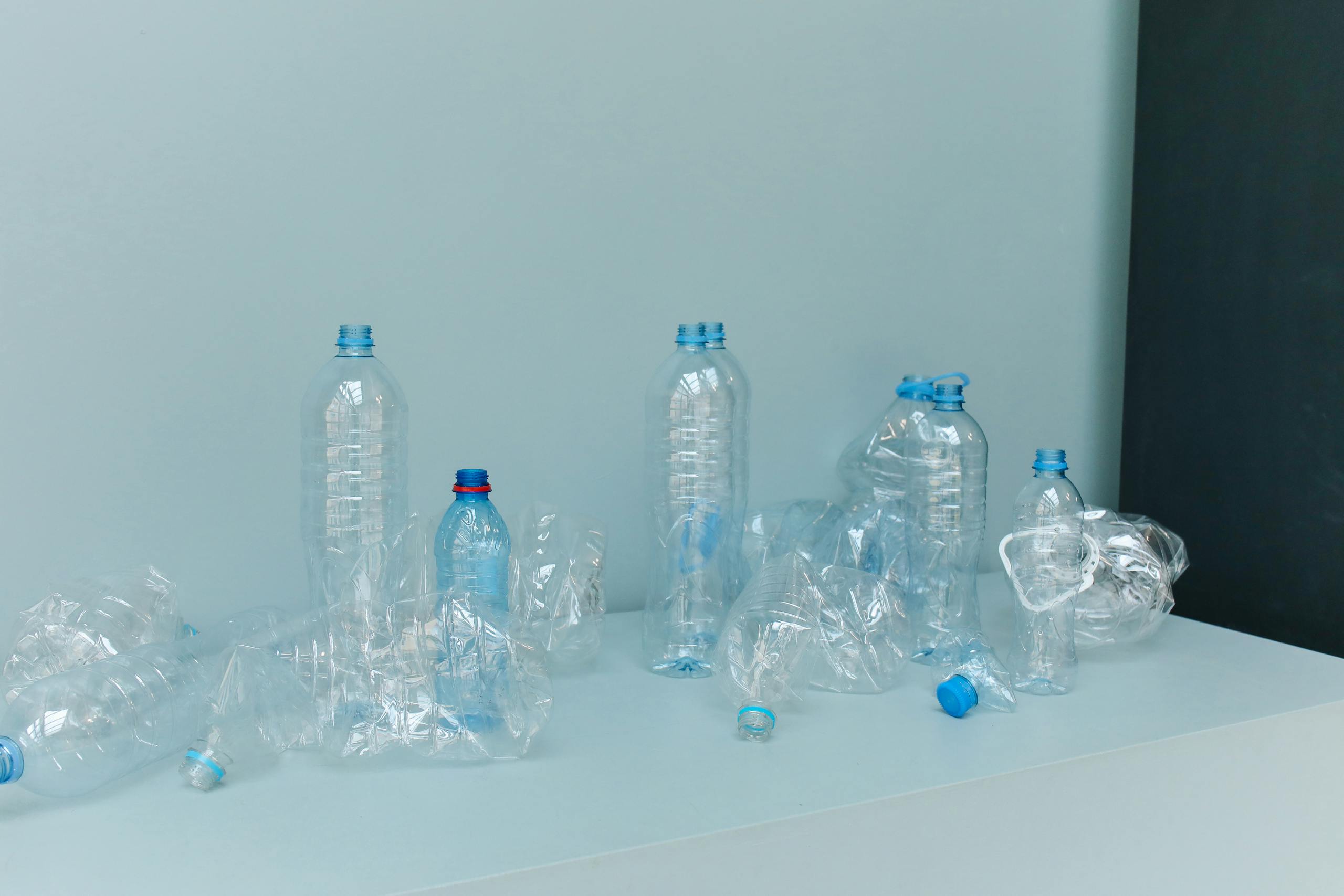
Plastic bottles may seem harmless because they are light, cheap, and disposable. Yet they are made from fossil-fuel-based materials and can leach chemicals into the environment long before disposal. Tiny microplastics often break free, moving through rivers, oceans, and wildlife habitats, creating a toxic ripple effect that lasts decades.
The hidden toxicity begins during production, with energy use and chemical additives contributing to environmental harm. Even when recycled, many bottles do not become new bottles, amplifying their persistent impact. Switching to reusable bottles dramatically reduces this silent chemical load and curbs the spread of microplastics.
Wet Wipes That Clog and Contaminate
Wet wipes feel convenient for cleaning babies,makeup, or surfaces, but most contain plastic fibers that never fully break down. When flushed, they block sewer systems, create toxic sludge, and release microplastics into waterways. The toxins from their materials affect aquatic ecosystems and, eventually, human health.
Even wipes marketed as flushable remain a hidden hazard because municipal systems cannot fully process them. Opting for biodegradable wipes or reusable cloths eliminates unnecessary toxins from entering homes and waterways, making cleaning less damaging overall.
Synthetic Clothes That Leak Chemicals
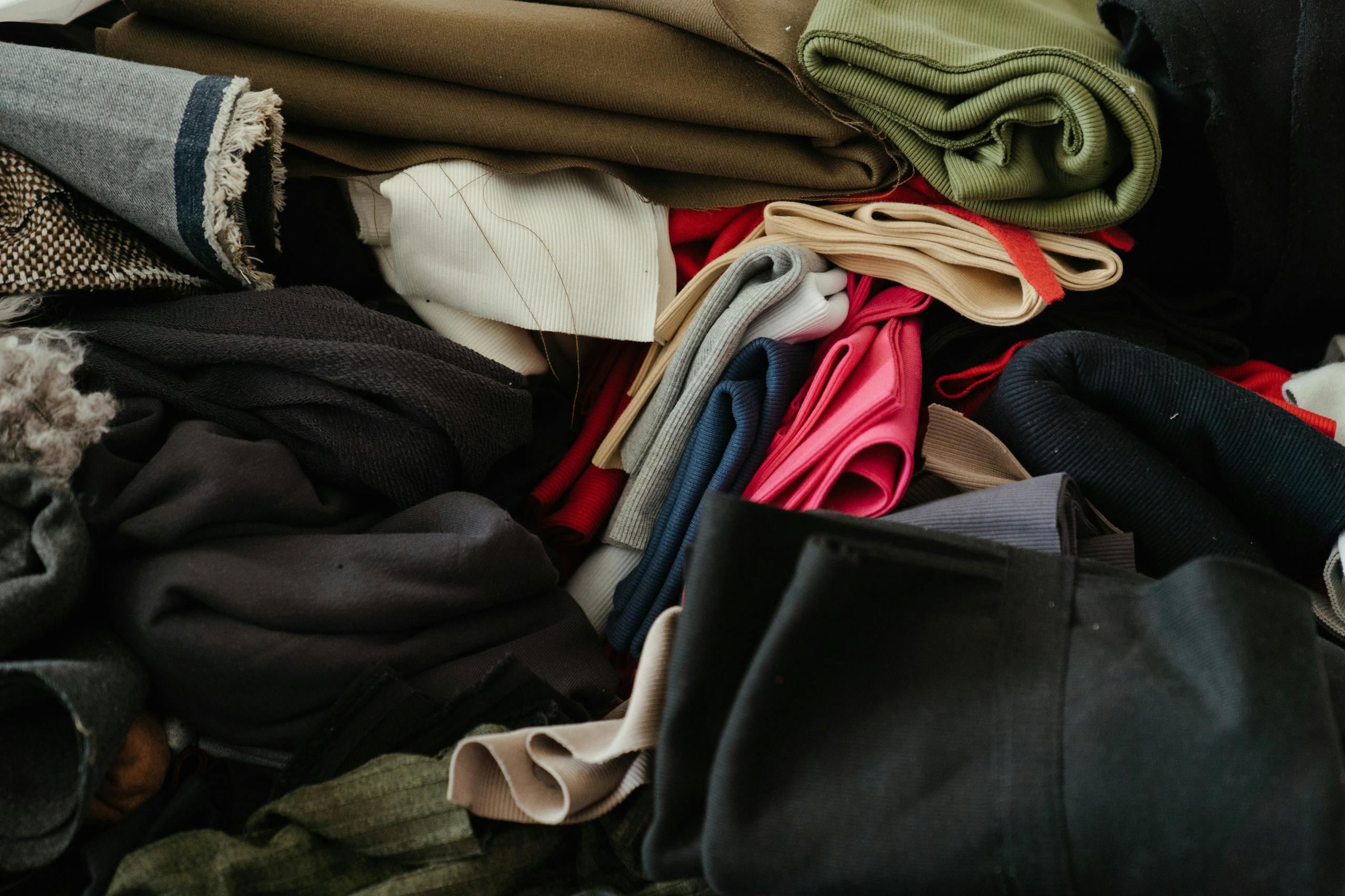
Polyester, nylon, and fleece are staples in modern wardrobes, yet every wash releases microfibers into wastewater systems. These fibers, composed of synthetic polymers, act as invisible carriers of chemical dyes, finishing agents, and toxins. Microfibers accumulate in rivers, oceans, and even agricultural land, silently polluting the environment.
Fast fashion worsens the problem by encouraging frequent disposal of short-lived clothing. Choosing durable fabrics, washing less often, and using fiber-catching filters helps prevent these toxic particles from spreading unseen.
Scented Sprays That Pollute the Air You Breathe
Air fresheners, body sprays, and cleaning sprays often seem harmless, yet many release volatile organic compounds (VOCs) that linger indoors. These compounds react with other pollutants, forming toxic secondary chemicals that reduce indoor air quality. What smells clean can actually be chemically aggressive and potentially harmful.
The toxicity escalates with overuse, heavy fragrances, and poor ventilation. Reducing the use of scented products, opening windows, and using fragrance-free alternatives can keep homes fresh without filling the air with chemical pollutants.
Disposable Coffee Cups That Leak Toxins

Paper coffee cups may appear eco-friendly, but most are lined with plastic, making them difficult to recycle. The combination of plastic lining, lids, and sleeves contributes to the accumulation of toxic waste. A single-use cup may last minutes in your hand but leaves a footprint that persists for decades.
The production process, shipping, and disposal all add hidden chemical exposure. Switching to reusable cups or bringing your own reduces toxic waste dramatically, turning a daily habit into a safer routine.
Household Cleaners That Poison Waterways
Many cleaning products contain strong chemicals, synthetic fragrances, and antibacterial agents that persist after washing down the drain. These toxins enter rivers, streams, and lakes, threatening aquatic life and contaminating water supplies. Even routine cleaning contributes to cumulative environmental toxicity.
Safer alternatives like concentrated refills, fragrance-free formulas, and simple cleaning solutions can maintain hygiene while reducing chemical pollution. Responsible cleaning protects both homes and the broader environment.
Cheap Shoes That Release Harmful Materials
Mass-produced shoes often contain foam, rubber, synthetic leather, adhesives, and dyes that cannot be safely recycled. When discarded, these materials leach chemicals into soil and water over time. Short-lived, trendy shoes increase both waste and toxic exposure.
Durable, repairable footwear minimizes the need for constant replacement and reduces toxic leakage. Prioritizing quality over quantity is not just sustainable, it directly limits everyday chemical pollution.
Food Packaging That Spreads Hidden Toxins
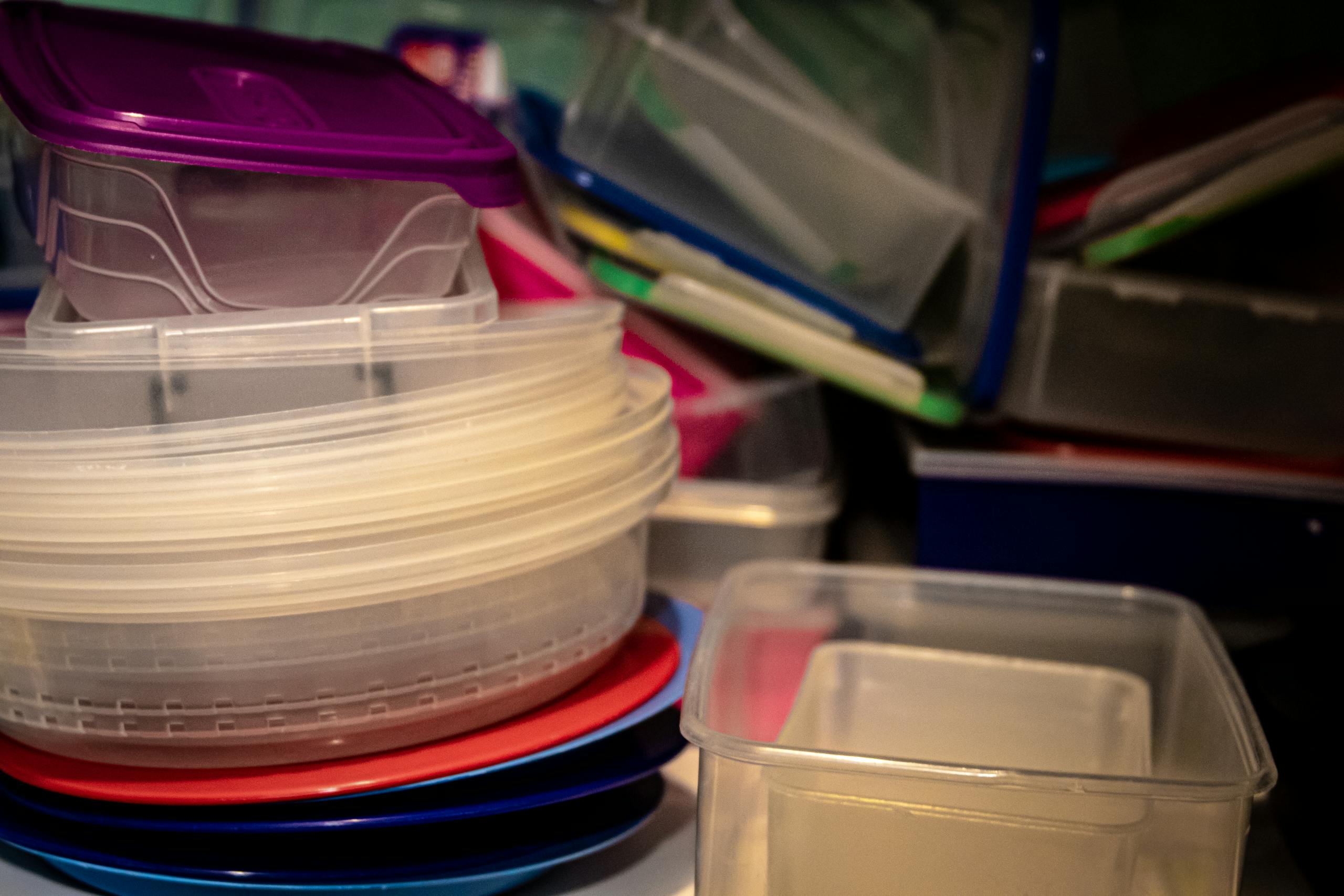
Snack wrappers, plastic trays, sauce packets, and takeout containers often contain multiple layers of plastic and additives. Many cannot be recycled, turning brief consumption into long-term toxic waste. Chemicals from packaging can leach into landfills, soil, and waterways over time.
Reducing reliance on single-use packaging, refusing unnecessary extras, and choosing reusable containers can prevent toxins from accumulating quietly behind convenience culture.
Electronics That Become Chemical Hazards
Phones, chargers, tablets, and small gadgets are full of metals, plastics, and chemical coatings that become hazardous when discarded. Improper disposal can release heavy metals, flame retardants, and other toxins into the environment. Frequent upgrades multiply the chemical burden, especially in countries without safe e-waste management.
Keeping electronics longer, repairing, donating, and recycling responsibly prevents these hidden toxins from entering landfills and contaminating communities.
Paper Towels That Carry Chemical Residues
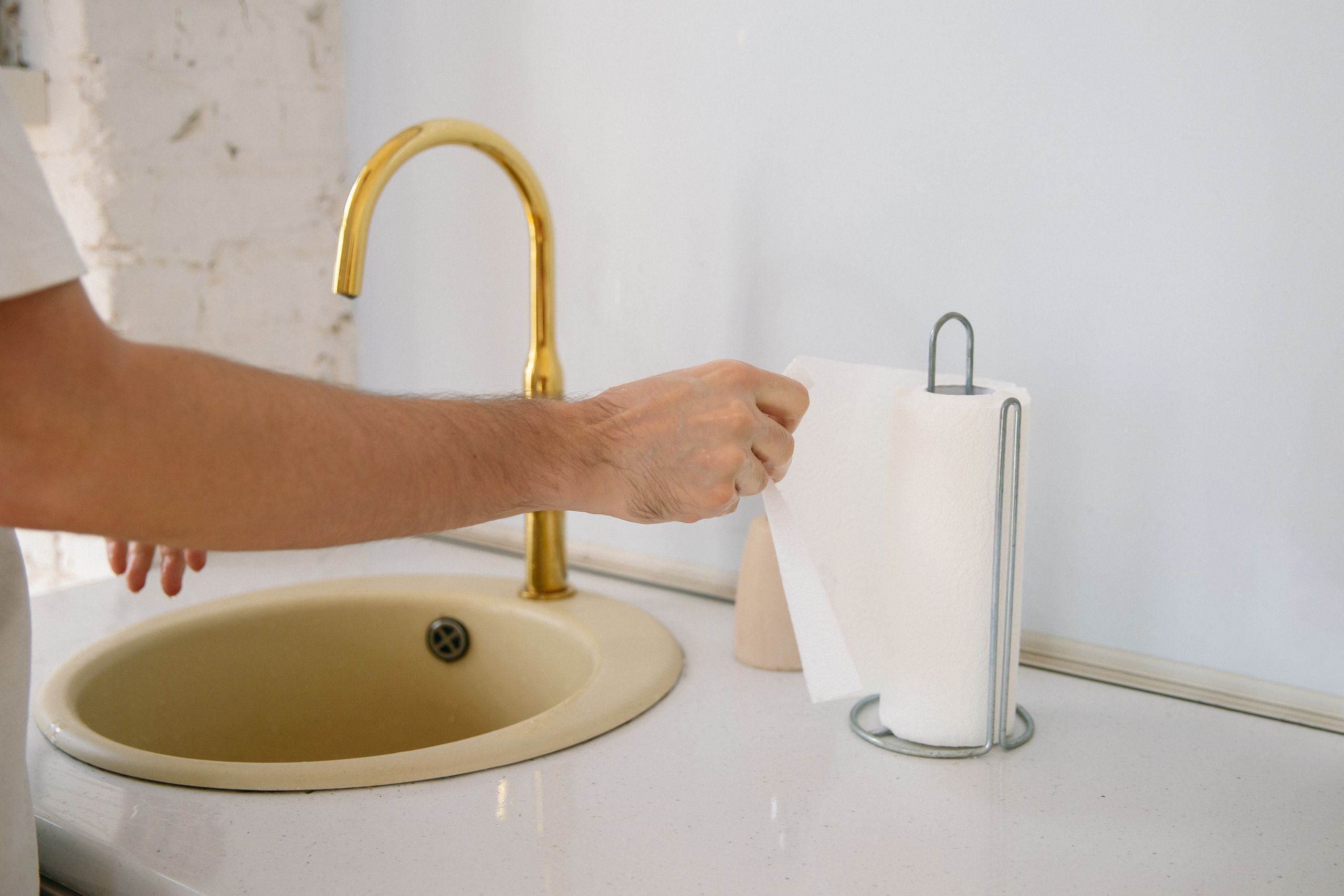
Paper towels are marketed as natural and disposable, but their production involves bleaching, processing, and packaging that create toxic byproducts. Used towels often cannot be recycled due to contamination, making each spill a source of chemical waste. Mass daily use across kitchens and offices amplifies their hidden toxicity.
Reusable cloths, rags, and washable napkins can handle ordinary spills with minimal chemical impact. Conscious swaps reduce both everyday waste and long-term chemical exposure.
The Final Thought
Toxic pollution is most dangerous when it feels invisible. These everyday things quietly spread chemicals through the air, water, soil, and even our homes. They feel normal, convenient, or even harmless but their cumulative effect is far from neutral.
The key is not perfect avoidance but awareness. By rethinking purchases, extending product lifespans, choosing safer alternatives, and reducing single-use items, we limit the hidden toxins that surround us. Every small choice adds up to a cleaner, healthier world.