Earthquakes do not need a headline to be dangerous. They happen under oceans, across mountain belts, beneath crowded cities, near islands, along deserts, and inside regions many people never think of as earthquake zones. One day, it is Japan or Indonesia. Another day it is Türkiye, Chile, California, the Philippines, Mexico, Alaska, New Zealand, Morocco, Italy, or the Caribbean.
When several earthquakes appear in the news close together, fear spreads quickly. People begin asking whether the planet is becoming unstable, whether one quake is triggering another across the globe, or whether scientists are hiding a bigger warning.
The truth is more complicated and, in some ways, more frightening. The world is not suddenly “breaking apart,” but earthquakes are a permanent global threat. They cannot be predicted with exact timing, they can strike familiar and unexpected places, and they expose the weakness of buildings, roads, coastlines, emergency systems, and public awareness.
Earthquakes Are a Global Problem, Not a Local Surprise
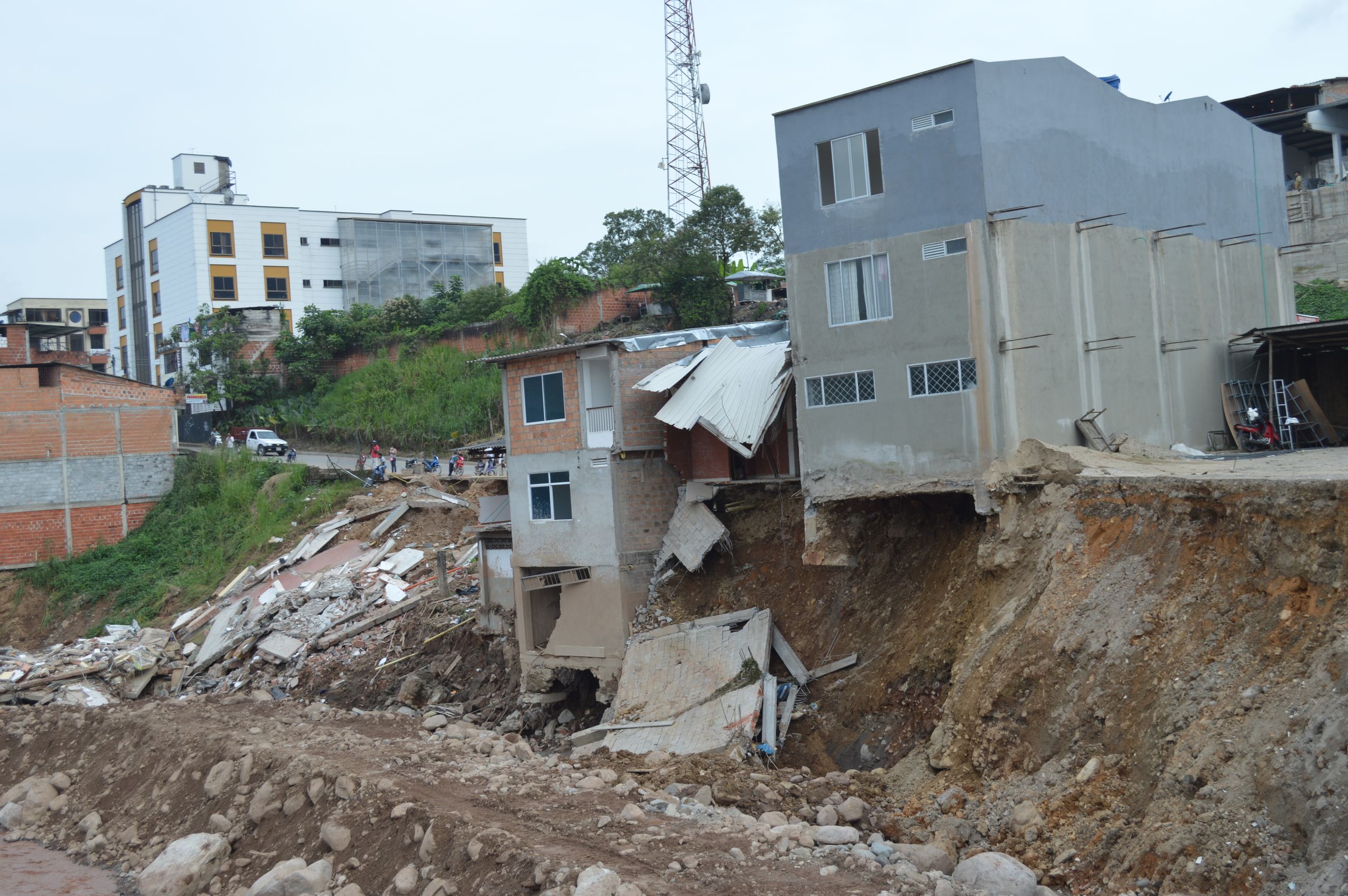
Earthquakes are often treated like disasters that belong to certain countries. Many people think of Japan, Chile, Indonesia, California, or the Philippines because these places lie near major fault lines and plate boundaries. But seismic risk extends far beyond the places that dominate the headlines.
The Earth’s crust is broken into moving plates. These plates slide past each other, collide, sink beneath one another, or pull apart. That motion builds stress over time. When the stress becomes too much for rocks to hold, the ground breaks suddenly, releasing energy as seismic waves.
That is why earthquakes happen across so many different regions. The Pacific Ring of Fire produces many of the world’s most powerful quakes, but it is not the only danger zone. The Mediterranean, the Himalayas, the Caribbean, the Middle East, East Africa, Central Asia, North America, and parts of Europe all carry earthquake risk in different forms.
The danger is not evenly distributed, but it is never limited to a single country. Earthquakes are a worldwide reminder that the ground beneath us is not as still as it looks.
Why Earthquake Clusters Make People Nervous
When major earthquakes happen close together in time, the pattern can feel impossible to ignore. A deadly quake in Asia, a strong tremor in the Caribbean, a tremor in the Mediterranean, and aftershocks elsewhere can make it seem as if the whole planet is warning us.
But timing alone does not prove a connection. Earthquakes happen every day across the world, most too small to cause damage or even be felt. Strong earthquakes are less common, but they still occur often enough that several notable events can appear close together by chance.
This is where public fear and scientific reality often separate. People see patterns because the human mind is wired to connect dramatic events. Scientists look for physical links: shared fault systems, regional stress transfer, aftershock zones, plate boundaries, and measurable seismic behavior.
One earthquake can trigger another nearby, especially aftershocks. A large quake can also slightly change the stress on surrounding faults. But a quake in one part of the world does not automatically mean another distant country is next. The more useful question is not whether every quake is connected. It is whether the affected region was prepared before the shaking began.
The Real Warning Is Weak Preparedness
The real warning from worldwide earthquakes is not that the planet is suddenly entering a disaster cycle. The warning is that many communities are still not ready for the level of shaking they could one day face.
Preparedness decides whether an earthquake becomes a tragedy or a survivable emergency. A strong quake in an area with modern building codes, trained responders, public drills, and strong hospitals may cause fear and damage but fewer deaths. The same magnitude in a region with fragile buildings, crowded housing, poor roads, and weak emergency systems can become catastrophic.
This is why magnitude alone never tells the full story. A smaller quake near a poorly built city can be deadlier than a larger quake in a remote area. A shallow quake can be more destructive than a deeper one. A quake at sea can raise tsunami concerns. A quake in steep terrain can trigger landslides.
Earthquakes do not kill only through shaking. They kill through collapsing buildings, falling debris, fires, broken bridges, blocked roads, landslides, damaged hospitals, panic, delayed rescue, and poor planning.
Why Some Countries Suffer More Than Others
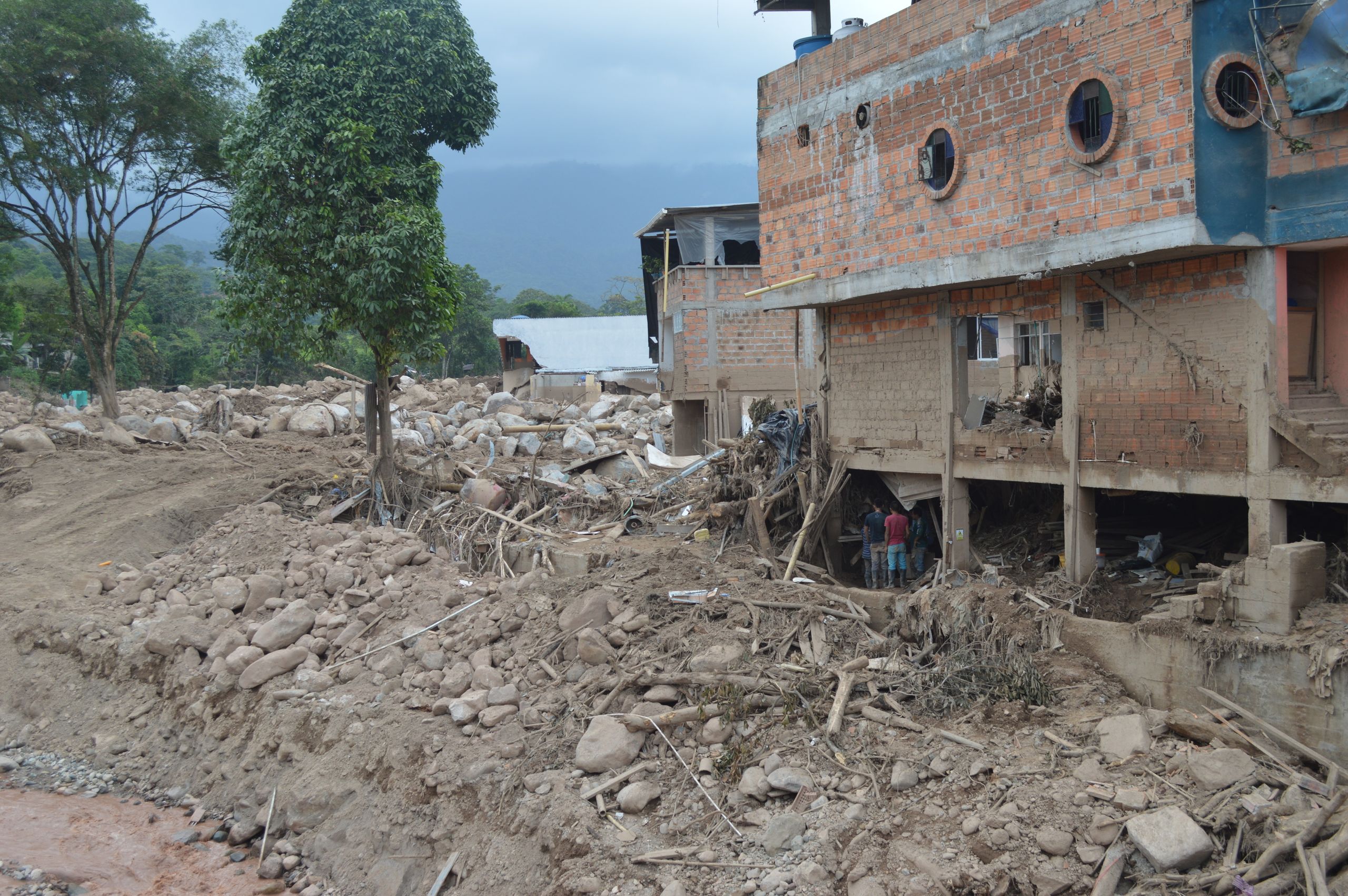
Earthquake disasters are shaped by geology, but also by inequality. Two countries can face similar seismic danger and experience very different outcomes. The difference often comes down to money, construction standards, enforcement, emergency planning, and public trust.
Japan is frequently cited for its earthquake readiness because it has invested heavily in engineering, early warning systems, public education, and strict building standards. Chile has also learned from repeated major earthquakes and strengthened many parts of its disaster response system.
Other regions face a harsher reality. Older buildings may not be retrofitted. Informal housing may be built on unstable slopes. Emergency vehicles may struggle to reach damaged areas. Hospitals may be overwhelmed. Rural communities may wait longer for help. In poorer neighborhoods, people often live in the structures most likely to fail.
This is why earthquake risk is never just a natural story. It is also a social story. The fault may create the shaking, but human decisions decide how much damage follows.
The Pacific Ring of Fire Remains the World’s Most Famous Earthquake Belt
The Pacific Ring of Fire encircles the Pacific Ocean and includes some of the most earthquake-prone regions on Earth. Japan, Indonesia, the Philippines, New Zealand, Alaska, the U.S. West Coast, Mexico, Central America, Peru, and Chile are all tied to this vast zone of tectonic pressure.
This region is dangerous because several tectonic plates interact along trenches, faults, and subduction zones. In subduction zones, one plate dives beneath another. That process can generate enormous earthquakes, volcanic activity, and tsunamis.
Some of the strongest earthquakes ever recorded have occurred along Pacific margins. Coastal communities in these regions often face a double threat: violent shaking first, then possible tsunami waves. That is why evacuation education is so important. In some places, strong or long shaking is a warning to move inland or to higher ground immediately.
The Ring of Fire deserves its reputation, but focusing only on it can be misleading. Earthquake danger is also real in places far from the Pacific.
Earthquakes Beyond the Ring of Fire
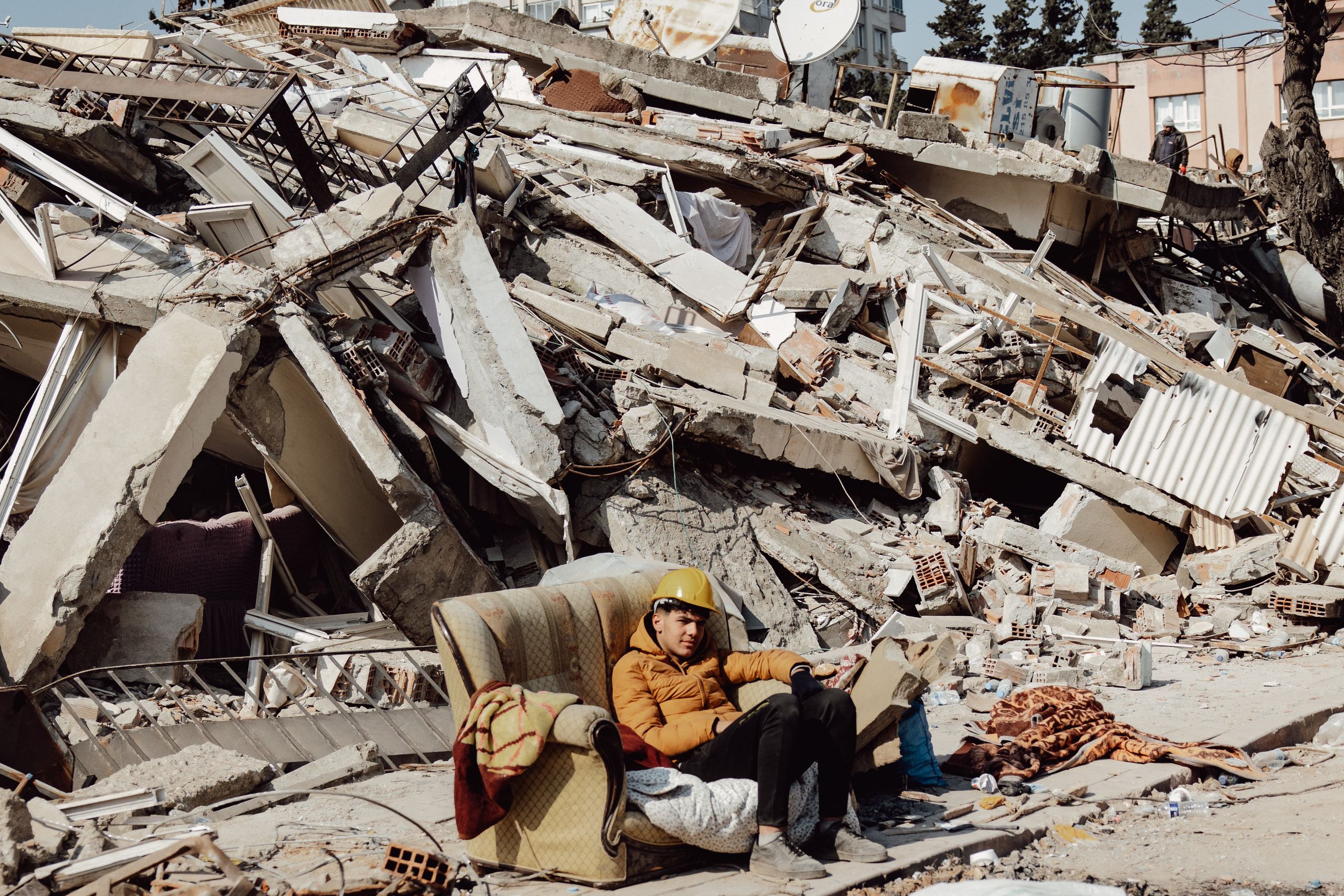
Some of the world’s most damaging earthquakes have happened outside the Pacific Ring of Fire. The Mediterranean region has a long history of destructive earthquakes. Greece, Italy, Türkiye, Morocco, and parts of North Africa have all faced deadly seismic events.
The Himalayas are another major danger zone. India, Nepal, Pakistan, Afghanistan, and the surrounding regions sit near the collision between the Indian and Eurasian plates. This slow, powerful collision built the Himalayas, but it also stores enormous seismic stress.
The Caribbean has its own earthquake history, including dangerous faults near island nations and coastal cities. East Africa also has seismic activity linked to the East African Rift, where the continent is slowly pulling apart.
Even places considered “low risk” can experience surprising shaking. These rare events often create confusion because people are less prepared. When earthquake memory is weak, building habits and public behavior may not match the real hazard.
Why Scientists Cannot Predict Earthquakes Like Weather
People want earthquake prediction to work like weather forecasting. They want a warning that says a magnitude 7.5 quake will hit a specific city next week. Science cannot do that.
Earthquakes begin deep underground, where direct observation is extremely difficult. Fault systems are complex. Stress builds unevenly. Rocks do not break on a schedule that humans can easily read. Small tremors may occur before a large quake, but they can also occur without leading to anything major.
Scientists can identify where earthquakes are likely over long periods. They can map active faults, study past earthquakes, measure plate movement, analyze aftershocks, and estimate probabilities. They can also create shaking maps and hazard models that help governments plan safer buildings and emergency systems.
But exact prediction remains out of reach. The responsible message is simple: we cannot know the exact minute, so we must prepare before the minute arrives.
What Magnitude Does and Does Not Tell Us
Magnitude measures the size of an earthquake at its source. It is useful, but it does not explain everything people experience on the ground.
A magnitude 7 earthquake is far stronger than a magnitude 6 earthquake because the scale is logarithmic. Each whole-number increase represents a major jump in seismic energy. That is why a magnitude 8 earthquake can be a massive disaster if it strikes near populated areas.
But damage depends on more than magnitude. Depth matters. Distance matters. Soil matters. Building quality matters. Time of day matters. Emergency response matters. A deep quake far offshore may cause limited damage, while a shallower quake near a crowded city can destroy entire neighborhoods.
This is why headlines can be misleading when they focus only on the number. The better question is not just “How big was it?” It is “Where did it happen, how deep was it, what was built above it, and how ready were people?”
Tsunamis, Landslides, and the Disasters After the Disaster
Earthquakes often create secondary disasters. These dangers can be as deadly as the shaking itself.
Undersea earthquakes can move the seafloor and trigger tsunamis. The danger is especially serious when a large quake happens near a coast or beneath the ocean. Tsunami waves can travel fast and reach shorelines with devastating force.
In mountain regions, earthquakes can trigger landslides that bury roads, homes, and villages. In cold regions, they can destabilize glaciers or slopes. In cities, they can rupture gas lines, spark fires, break water systems, damage bridges, and trap people inside buildings.
Aftershocks add another layer of fear. Even smaller aftershocks can collapse weakened buildings. Rescue teams often work under dangerous conditions because the ground may keep moving for days or weeks.
An earthquake is rarely one clean event. It is often the beginning of a chain of emergencies.
Why Cities Are Especially Vulnerable
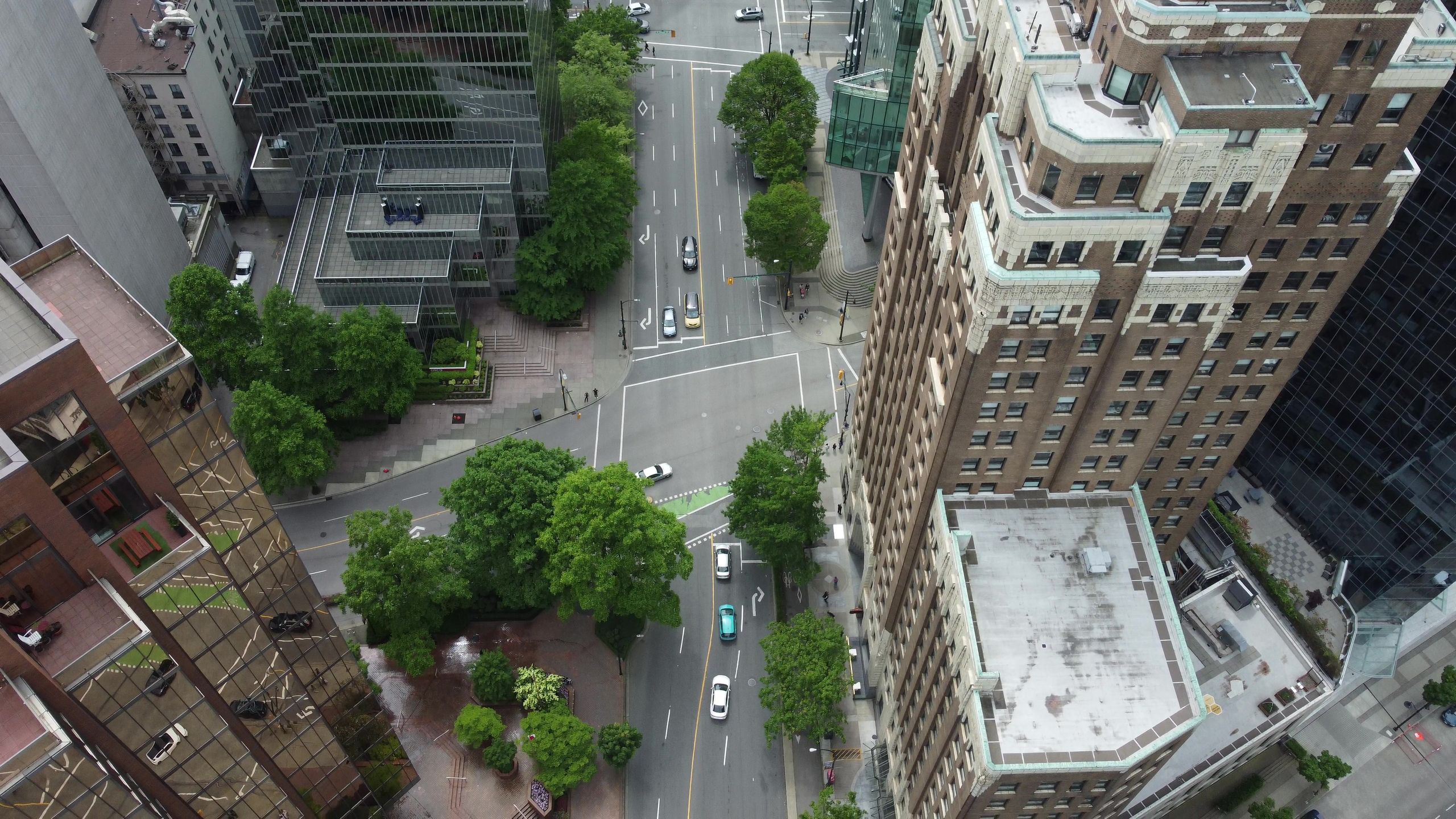
Modern cities concentrate people, buildings, roads, power lines, water systems, hospitals, schools, and businesses into small spaces. That makes them efficient, but also vulnerable.
A major earthquake in a dense city can damage many systems at once. Roads may crack. Bridges may close. Cell networks may fail. Hospitals may lose power. Water lines may break. Fires may spread. Families may be separated. Emergency workers may become victims, too.
Older cities face particular danger when historic buildings were not designed for modern seismic standards. Rapidly growing cities face another problem: construction may outpace safety enforcement. Poor neighborhoods may expand onto unstable slopes, reclaimed land, or weak soil.
The world is becoming more urban, which means future earthquakes could affect more people in densely populated areas. The strongest defense is not fear. It is better engineering, stronger enforcement, smarter land use, and public education that reach ordinary families before disaster strikes.
What People Should Do Before an Earthquake
The best earthquake response begins long before the shaking starts. Every household in a risk area should know where to shelter, how to contact family members, and what supplies are needed if power, water, or transport are disrupted.
Heavy furniture should be secured. Breakable objects should be moved away from beds. Emergency kits should include water, food, flashlights, batteries, basic medicine, phone chargers, cash, copies of important documents, and supplies for children, elderly relatives, and pets.
Families should agree on a meeting point. Schools and workplaces should practice drills. Coastal communities should know tsunami evacuation routes. Apartment residents should understand the building’s exits and safe interior locations.
Preparedness can feel boring until it becomes the reason people survive. Earthquakes reward preparation and punish delay.
What People Should Do During an Earthquake

During shaking, seconds matter. The safest advice in many situations is to drop, cover, and hold on. Drop to the ground, get under sturdy furniture if possible, protect the head and neck, and hold on until the shaking stops.
Running outside during strong shaking can be dangerous because glass, bricks, signs, wires, and debris may fall. Doorways are not always the safest place, despite old advice. Elevators should be avoided.
If someone is outside, they should move away from buildings, trees, streetlights, and power lines. If driving, they should pull over in a safe place away from bridges, tunnels, overpasses, and wires, then stay inside the vehicle until the shaking stops.
If someone is near the coast and the shaking is strong or lasts a long time, they should move to higher ground after the shaking stops. In tsunami-prone areas, the earthquake itself can be the warning.
The World Cannot Stop Earthquakes, but It Can Reduce the Damage.
No country can stop tectonic plates from moving. No government can silence a fault. No scientist can promise that a city will be safe forever. But the world can reduce earthquake losses if it treats preparedness as a daily responsibility rather than a reaction after tragedy.
That means stronger buildings, honest hazard maps, safer schools, protected hospitals, trained emergency teams, public drills, tsunami signs, and strict construction rules. It also means taking earthquake risk seriously in places where major shaking is rare but possible.
The worst mistake is waiting for a disaster to prove the danger was real. By then, the lesson arrives through rubble, funerals, displacement, and regret.
Earthquakes are not warnings in the mystical sense. They are reminders from a restless planet. The ground will move again somewhere. The only question is whether the next community in its path will be ready before the shaking starts.