The homecoming scene always looks simple from the outside. A family waits at the airport, a child runs forward, someone cries into a uniform, and everyone watching feels the same lump in the throat.
But after the cameras are gone, life gets quieter and more complicated. The bags are unpacked, the welcome signs come down, bills still need paying, and the person who came home may not feel fully at home yet.
That is the part many Americans miss. The things soldiers bring home are not always medals, boots, duffel bags, or stories told at barbecues. Some of the heaviest things are invisible.
They can sit at the dinner table, follow a person into sleep, tighten a marriage, and make a normal grocery store feel louder than it should.
The Invisible Weight Soldiers Bring Home

War and military service can train the body to remain alert long after the danger has passed. A slammed door, a crowded restaurant, a fireworks show, a traffic jam, or an unexpected touch can pull someone back into a state their family cannot see.
That does not mean every soldier returns broken. It means some return carrying survival habits that no longer fit civilian life. The hardest part is that the body may still be guarding a battlefield that is no longer there.
Memories That Do Not Stay in the Past
Some memories do not behave like memories. They do not sit quietly in the mind like old photographs. They return through smells, sounds, dreams, anniversaries, and ordinary moments that suddenly feel unsafe.
Post-traumatic stress can develop after someone experiences or witnesses life-threatening events, and PTSD after trauma may affect mood, sleep, relationships, and daily functioning. Families may see anger or distance first, but underneath it may be a nervous system still trying to survive yesterday.
Guilt That Nobody Knows How to Name
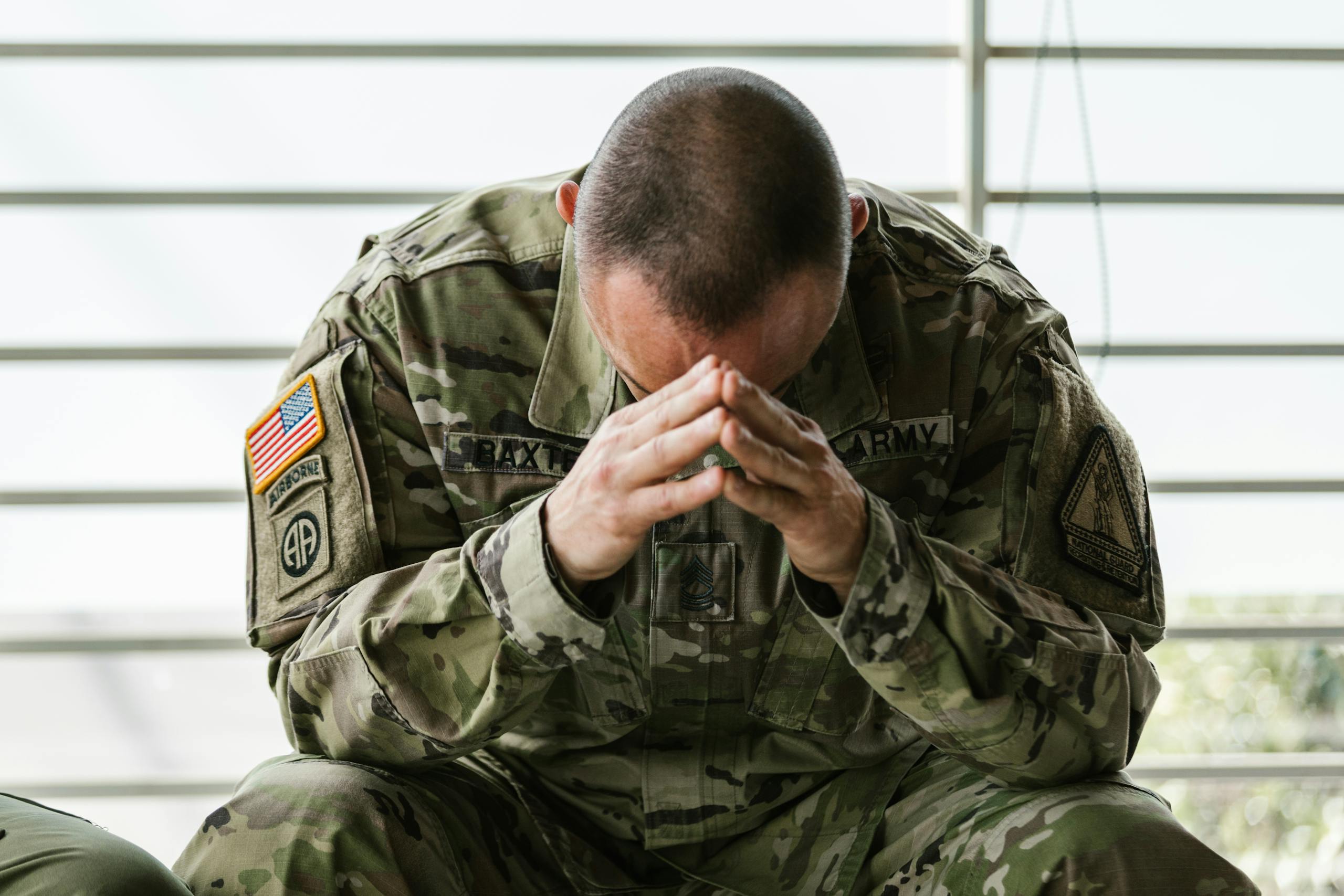
Some soldiers come home with guilt that does not fit neatly into conversation. It may come from what they did, what they could not stop, who survived, who did not, or orders that still echo years later.
This kind of pain can become moral injury, a wound tied to violated values, betrayal, shame, or spiritual distress. Research on lasting moral injury shows why some burdens are not only psychological. They can reach into identity, faith, and the question of whether a person still recognizes themselves.
Family Roles That No Longer Fit Smoothly
A soldier may return to a home that has been kept moving while they were away. The spouse learned new routines, children grew, parents aged, bills changed, and family habits formed during the absence. Coming back can feel joyful and awkward at the same time.
Reintegration often takes patience because everyone has changed. Guidance on post-deployment reintegration encourages families to avoid overloading schedules and allow time to reconnect. Love may be strong, but rhythm still has to be rebuilt.
Sleep That Never Feels Safe Enough
A bed should feel like rest, but for some returning soldiers, night brings the hardest shift. The house is quiet, the mind is not, and sleep may come with nightmares, sweating, scanning, or waking at small sounds.
Families may think the person is simply restless or irritable. Yet sleep problems can become part of the invisible wound, especially when trauma keeps replaying after dark. Poor sleep can make patience thinner, pain sharper, and daily life harder for everyone in the home.
A Body That Flinches Before the Mind Explains
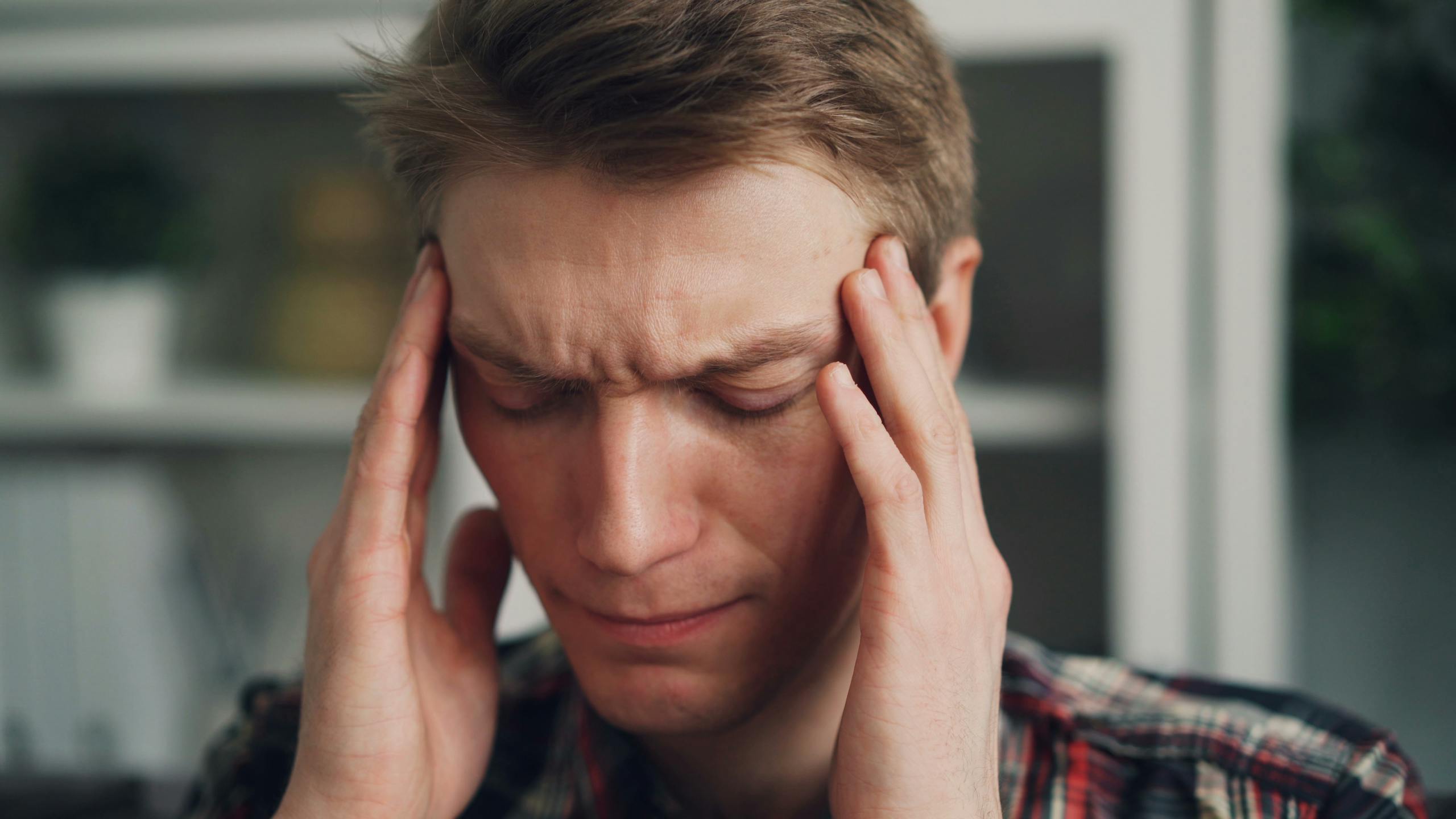
Some wounds are invisible because they hide behind headaches, dizziness, memory lapses, slowed thinking, or trouble concentrating. A person may look fine at the dinner table and still feel foggy, overloaded, or physically off.
Blast exposure and traumatic brain injury can leave symptoms that are easy to misunderstand. Military health guidance on traumatic brain injury notes problems like headaches, memory issues, slowed reaction time, hearing difficulty, and concentration trouble. Those symptoms can strain work, parenting, and marriage before anyone connects them to service.
The Habit of Staying on Guard
Military life can reward sharp attention. You notice exits, scan faces, read movement, and keep your body ready before your mind has time to relax. In dangerous places, that awareness can save lives.
At home, the same habit can feel exhausting. A crowded mall, noisy restaurant, Fourth of July fireworks, or a child sneaking up for a hug can trigger a reaction that looks cold or angry. The soldier may not be rejecting family. Their body may simply be answering an old alarm.
A Distance From People Who Mean Well
Friends and relatives often want stories. They ask what it was like, whether it was scary, whether the soldier saw combat, or why they seem different now. Most mean no harm, but curiosity can feel heavy when the answer is complicated.
That gap can create loneliness. A person may feel too military for civilian life and too changed to explain themselves easily. Studies of invisible wounds research have long pointed to mental health and cognitive struggles that can remain unseen by families, peers, and society.
Pride That Covers Pain Too Well
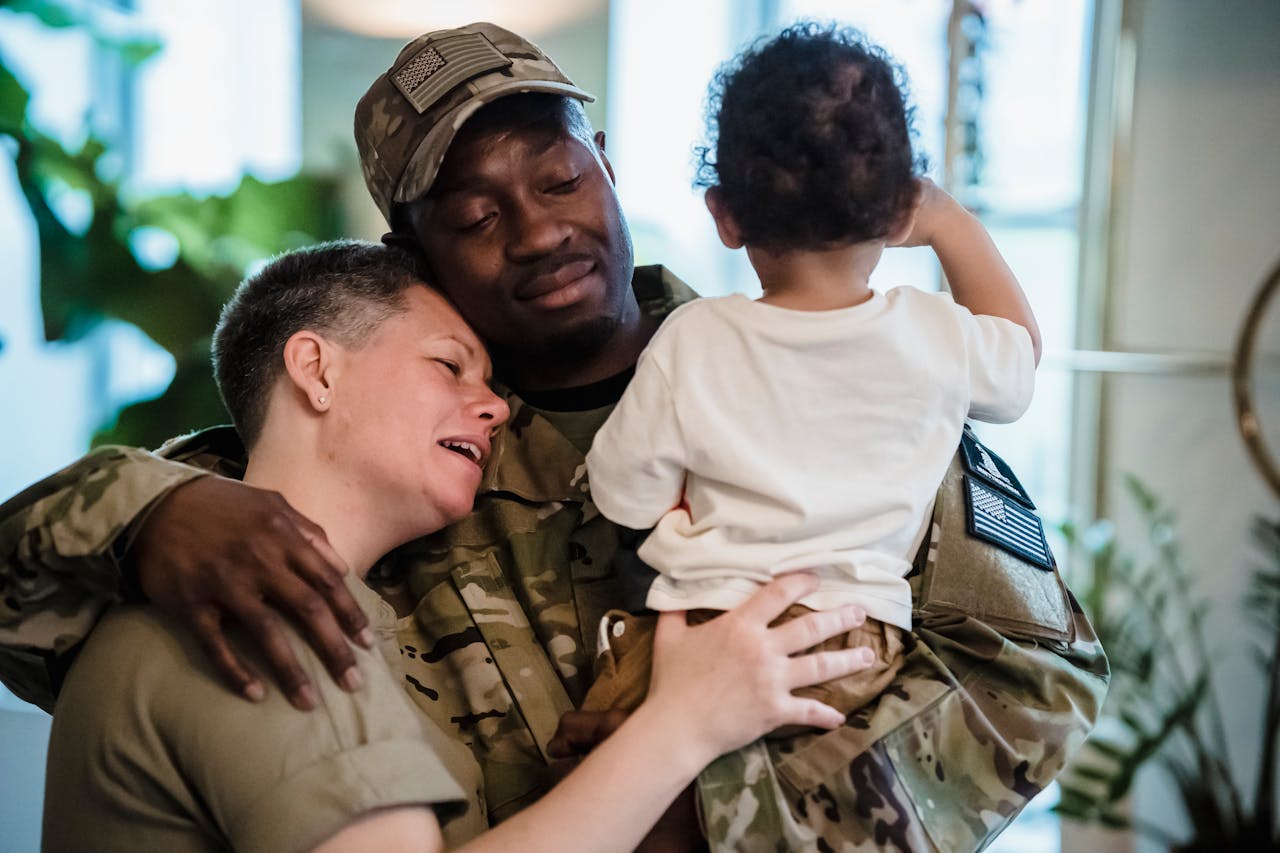
Many soldiers carry pride in their service. They may also carry pain they believe they should handle alone. That mix can make it hard to ask for help, especially in a culture that rewards toughness.
Silence can look like strength for a while. Over time, it can become a locked room inside the home. The people who love them may sense something is wrong but not know how to reach it without pushing too hard.
Key Takeaway
The things soldiers bring home are not always visible, dramatic, or easy to explain. Some come home as memories, habits, guilt, sleep struggles, body pain, emotional distance, and quiet pressure to appear fine.
That does not make a soldier weak. It makes them human after carrying experiences most civilians will never fully understand.
The best response is not pity. It is patience, respect, support, and room for honest healing. Homecoming should not end at the airport. For many soldiers and families, that is where the real journey begins.