Food already carries emotion. It feeds families, marks seasons, appears at weddings, comforts the sick, and sits at the center of memory. That is why so many cultures turned food into a tool for divination and protection. When life felt uncertain, people looked at bread, fruit, salt, cheese, eggs, onions, corn, tea, coffee, and garlic and saw more than dinner. They saw signs.
Flour Was Used to Bake Hidden Messages From Fate

Flour seems too plain to be mysterious, but ancient divination turned it into a quiet messenger. Aleuromancy, the practice of fortune telling with flour, involved placing written messages inside small pieces of dough, baking them, mixing them, and letting people choose one. The message inside could be read as a sign from fate. It worked because bread already felt sacred in daily life. It came from grain, labor, fire, and survival, so hiding a prophecy inside it gave the ordinary meal a sudden supernatural twist.
This old practice feels like an ancestor of the modern fortune cookie. The thrill is the same: open something edible and find a sentence that seems meant for you. Flour’s alleged occult power came from transformation. Powder became dough, dough became bread, and bread became a secret carrier of destiny. The kitchen oven became a small chamber of mystery, turning hidden words into edible omens.
Salt Became a Weapon Against Bad Luck
Salt has always felt more powerful than its size suggests. It preserves food, sharpens flavor, stings wounds, and once held serious economic value. Because salt stops decay, people began to imagine it could also stop spiritual corruption. That is why salt appears in so many traditions as a purifier, protector, and boundary marker. Throwing salt over the shoulder after a spill is one of the most famous leftovers from this old belief system.
Salt’s alleged occult power comes from its harshness. Sugar comforts, honey softens, but salt cuts through things. A line of salt could symbolize protection. A bowl of salt could represent spiritual cleansing. A pinch thrown away could feel like rejecting misfortune before it settles in. Even people who do not believe in magic often understand the emotional logic. Salt feels like a food that says, “No farther.”
Barley Bread Was Treated Like an Ancient Lie Detector

Barley bread once carried a darker reputation in folk belief. In alphitomancy, accused people were made to eat barley bread to reveal guilt. If they choked, struggled to swallow, or suffered discomfort, people believed the body had exposed the truth. It sounds brutal now, but in a world without modern investigation tools, rituals like this gave communities a way to make invisible guilt appear visible.
The psychology behind the practice is easy to understand. A frightened person may struggle to swallow under pressure, especially if they already believe the bread can punish a lie. Bread, usually a symbol of trust and nourishment, became a courtroom. The mouth became the witness stand. Barley’s power came from its plainness. It was common, humble, and familiar, which made the ritual even more frightening. The accused was not facing a rare magical object. They were facing everyday food turned into judgment.
Cheese Was Read Like a Dairy Crystal Ball
Cheese divination, known as tyromancy, may sound funny, but it had a serious place in old fortune-telling. People studied cheese for holes, cracks, mold, texture, smell, and strange markings. A crack could suggest conflict, an odd hole could suggest trouble, and a smooth surface could suggest peace. Cheese worked as an oracle because it constantly changes. Milk turns solid, ages, ripens, grows mold, and develops new shapes over time.
That transformation made cheese feel alive with hidden meaning. It was also used in love divination. Some people marked pieces of cheese with the names of possible suitors and watched which piece changed first. The first to mold or ripen could be read as the romantic answer. It sounds playful, but the fear behind it was real. Marriage could shape a person’s entire future, so even a piece of cheese became useful when the heart wanted certainty.
Apple’s Turned Romance Into a Halloween Game
Apples have always carried symbolic drama. They are linked to beauty, temptation, youth, knowledge, health, and desire. In older love traditions, apples were used to predict marriage and romance. Bobbing for apples was not always just a party game. In some customs, catching an apple could hint at romantic luck or future marriage. Apple peel divination was another favorite. A person peeled an apple in one long strip, tossed it over the shoulder, and looked for a letter shape that might reveal a future spouse’s initial.
The apple’s magic came from its look and timing. It ripens in autumn, a season already filled with harvest, darkness, fires, and old superstitions. Slice an apple crosswise, and its seeds form a star shape, which makes the fruit feel like it carries a hidden symbol inside. It was sweet, red, fragrant, and personal. No wonder people used it to ask questions about love. The apple already looked like a secret waiting to be bitten.
Onions Were Used to Predict Love and Weather
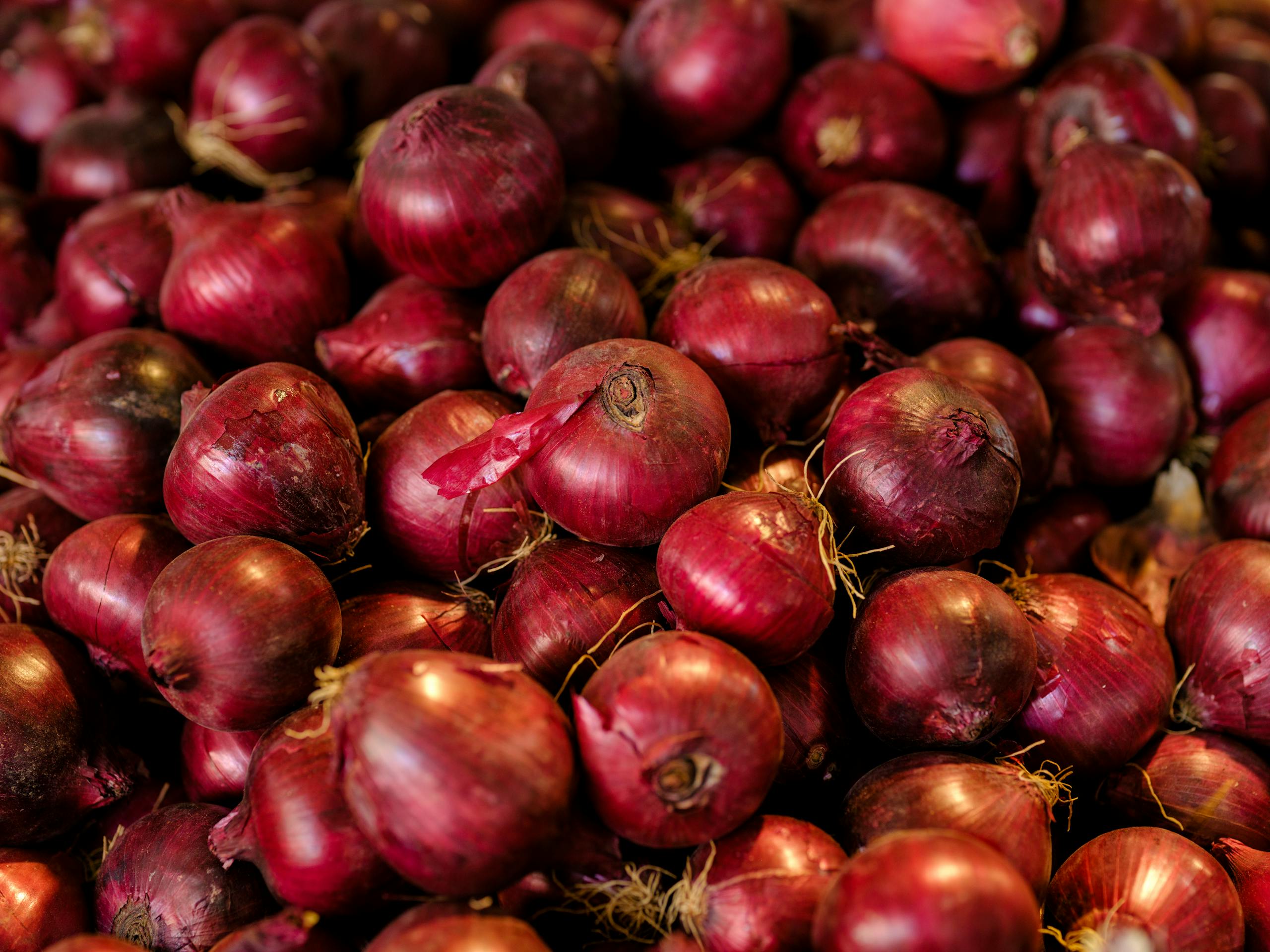
Onions are not glamorous, but folklore loved them because they felt powerful. They sting the eyes, grow underground, hide in layers, and fill a room with their smell. In cromniomancy, people used onions for divination by assigning names, wishes, or answers to different bulbs, then watching which one sprouted first. The first sprout became the sign. For love questions, young women sometimes marked onions with the names of suitors and waited to see which one showed life first.
Onions were also used for weather predictions. In some traditions, people cut an onion into sections, assigned each section to a month, sprinkled salt on them, and checked the moisture the next day. A wet section suggested a rainy month, and a dry section suggested a dry one. The onion’s layers made it a perfect symbol for hidden knowledge. It looked ordinary on the outside, but every cut revealed another secret underneath.
Corn Was Treated as a Sacred Food With Divine Meaning
Corn, or maize, carried deep spiritual meaning in many Indigenous Mesoamerican traditions. It was more than a crop. It was life, identity, survival, and creation. In some sacred stories, humans were formed from corn, which made maize a bridge between people, gods, ancestors, and the land. A food that explains human origin naturally becomes more than food. It becomes a sacred material.
Corn divination often involved casting kernels and reading the patterns they formed. Their number, color, grouping, and direction could all become meaningful. A handful of kernels could turn into a map of illness, conflict, luck, or spiritual imbalance. Corn’s alleged occult power came from dependence. People planted it, prayed over it, harvested it, stored it, and survived because of it. Reading corn was like asking life itself for guidance.
Eggs Became Oracles of Birth, Death, and Cleansing
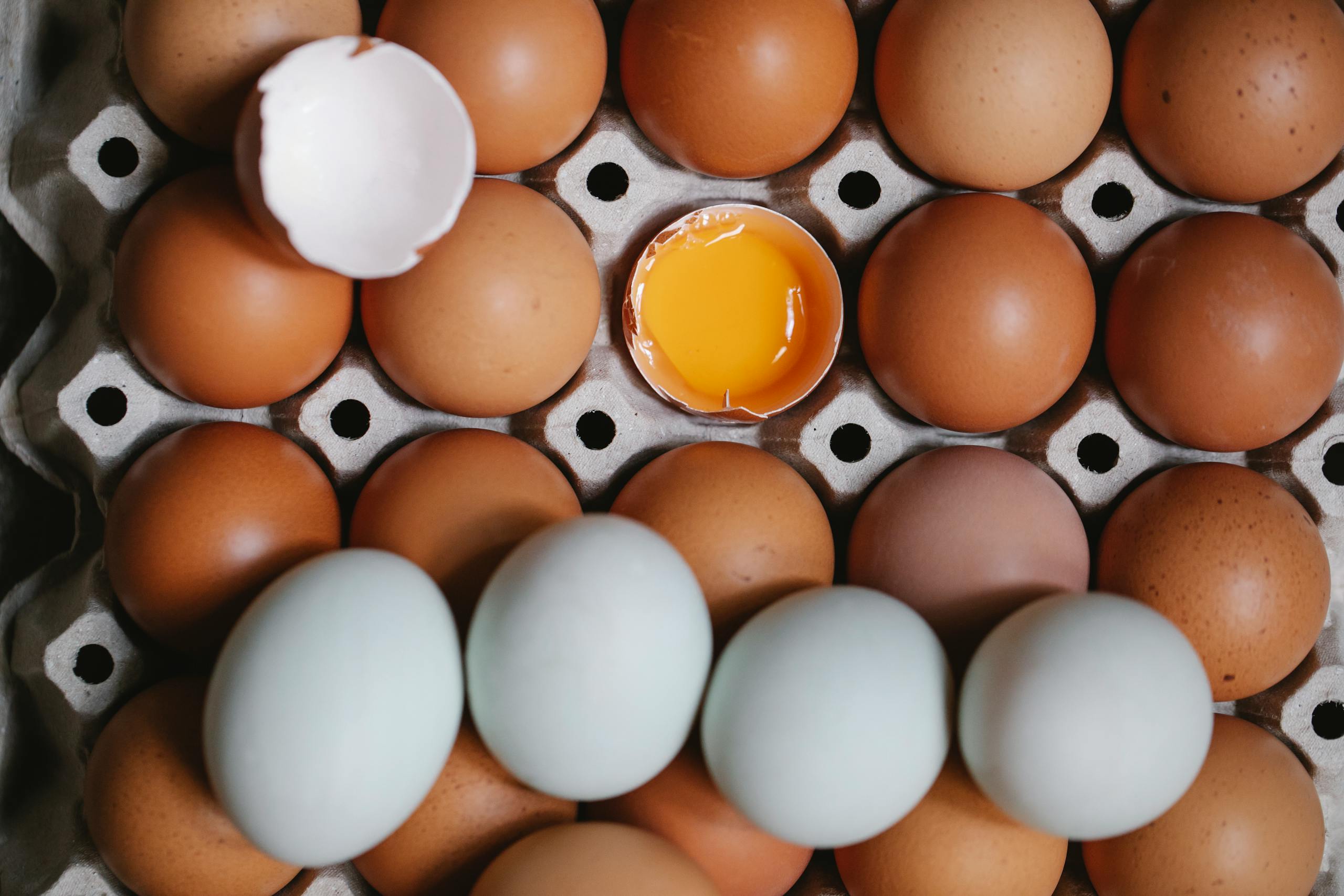
Eggs are naturally mysterious. They are smooth, sealed, fragile, and filled with hidden life. That made them powerful symbols of fertility, birth, rebirth, protection, and spiritual cleansing. Oomancy, or egg divination, involved reading eggs for signs. One method involved dropping egg white into hot water and interpreting the shapes it formed. Another involved cracking an egg into water after moving it over the body in a cleansing ritual.
The egg’s alleged occult power comes from secrecy. From the outside, it looks silent and complete. Crack it open, and it reveals something hidden. That made it perfect for people seeking answers about health, pregnancy, spiritual danger, or bad energy. In cleansing rituals, the egg became a container for worry. The person could imagine fear, envy, sickness, or heaviness leaving the body and entering the egg. Once cracked, the invisible problem became something they could see.
Tea Leaves Turned the Cup Into a Map of Fate
Tea leaf reading, or tasseography, remains one of the most famous forms of kitchen divination. After drinking tea, the leaves left in the cup are studied for shapes, letters, animals, paths, or symbols. A line might suggest travel. A bird might suggest news. A ring might suggest commitment. A cluster might suggest confusion. The cup becomes a tiny landscape where the future appears in fragments.
Tea reading became popular because it felt intimate and gentle. A cup of tea already invites quiet conversation, reflection, and patience. The ritual does not need drama. It begins with sipping and ends with interpretation. The leaves cling to the cup in accidental patterns, but the reader turns those patterns into meaning. That is why tea leaves still fascinate people. They make fate feel domestic, soft, and close enough to hold in both hands.
Coffee Grounds and Garlic Carried Dark Protective Power
Coffee grounds became another tool for reading the future, especially in cultures where thick, unfiltered coffee left strong patterns in the cup. After drinking, the cup could be turned over, left to settle, then read for shapes and symbols. Coffee readings often feel darker than tea readings because the grounds are heavier, bolder, and more dramatic. A thick patch might suggest a burden, a clear space might suggest relief, and a long streak might suggest travel or change.
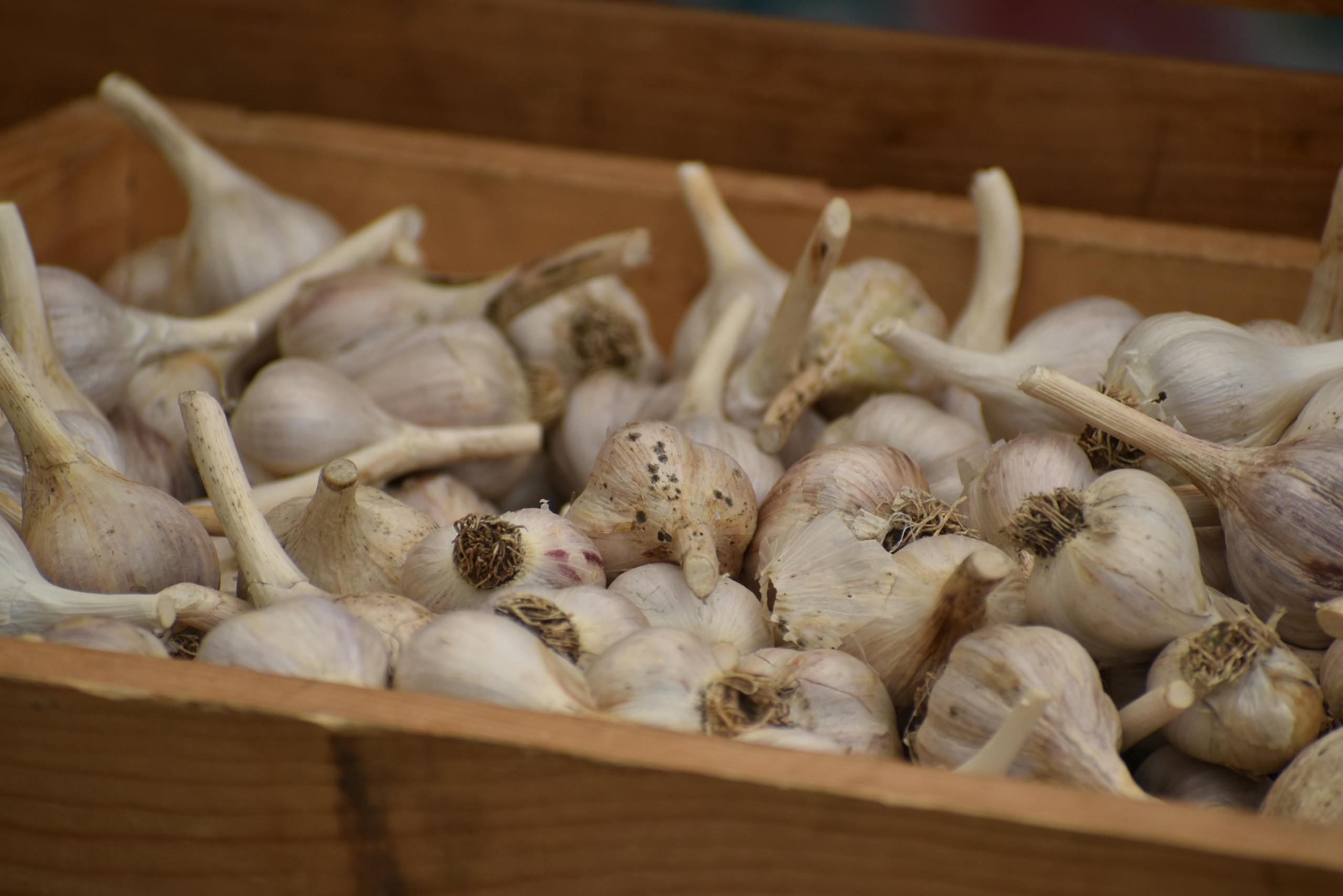
Garlic carried a different kind of alleged occult power. It was less about predicting the future and more about protection. Its sharp smell, strong taste, and stubborn presence made it a natural weapon against evil in folklore. People hung it near doors, carried it, placed it near beds, or used it in protective rituals. Garlic does not feel polite. It feels aggressive, and that is exactly why it worked so well in the imagination. It became the food that stood guard when people feared sickness, spirits, bad luck, or darkness.
Conclusion
These old food beliefs reveal how deeply people wanted signs, protection, and comfort in uncertain times. Flour could hide fate. Salt could block bad luck. Barley bread could expose lies. Cheese could hint at love. Apples could predict romance. Onions could reveal weather and desire. Corn could connect people to sacred creation stories. Eggs could cleanse the spirit. Tea and coffee could turn the bottom of a cup into a map. Garlic could guard the doorway.
The strange beauty of these traditions is that they did not require rare magical objects. They used what people already had. A pantry became an oracle. A meal became a ritual. A cup, bulb, fruit, grain, or egg became a way to ask the future for answers. That is why occult food folklore still feels so captivating. It reminds us that mystery does not always arrive in dramatic form. Sometimes it sits quietly on the kitchen counter, waiting to be noticed.