Thanksgiving dinner is wonderful, but the leftovers can sometimes be even better. There is something satisfying about opening the refrigerator the next day and finding turkey, stuffing, mashed potatoes, and pumpkin pie waiting for another round. However, just because food looks perfectly fine does not mean it is still safe to eat. Some popular Thanksgiving dishes have surprisingly short refrigerator lifespans, and reheating them will not necessarily make them safe again.
Food safety guidelines from the U.S. Department of Agriculture (USDA) recommend refrigerating perishable leftovers within two hours and eating most cooked leftovers within three to four days. Certain dishes need even more attention, particularly those containing meat, eggs, dairy, or other ingredients that spoil easily. Before reaching for that container you have been saving since Thanksgiving, here are nine leftovers you should think twice about keeping.
Turkey Leftovers That Have Been Sitting in the Fridge for Four Days
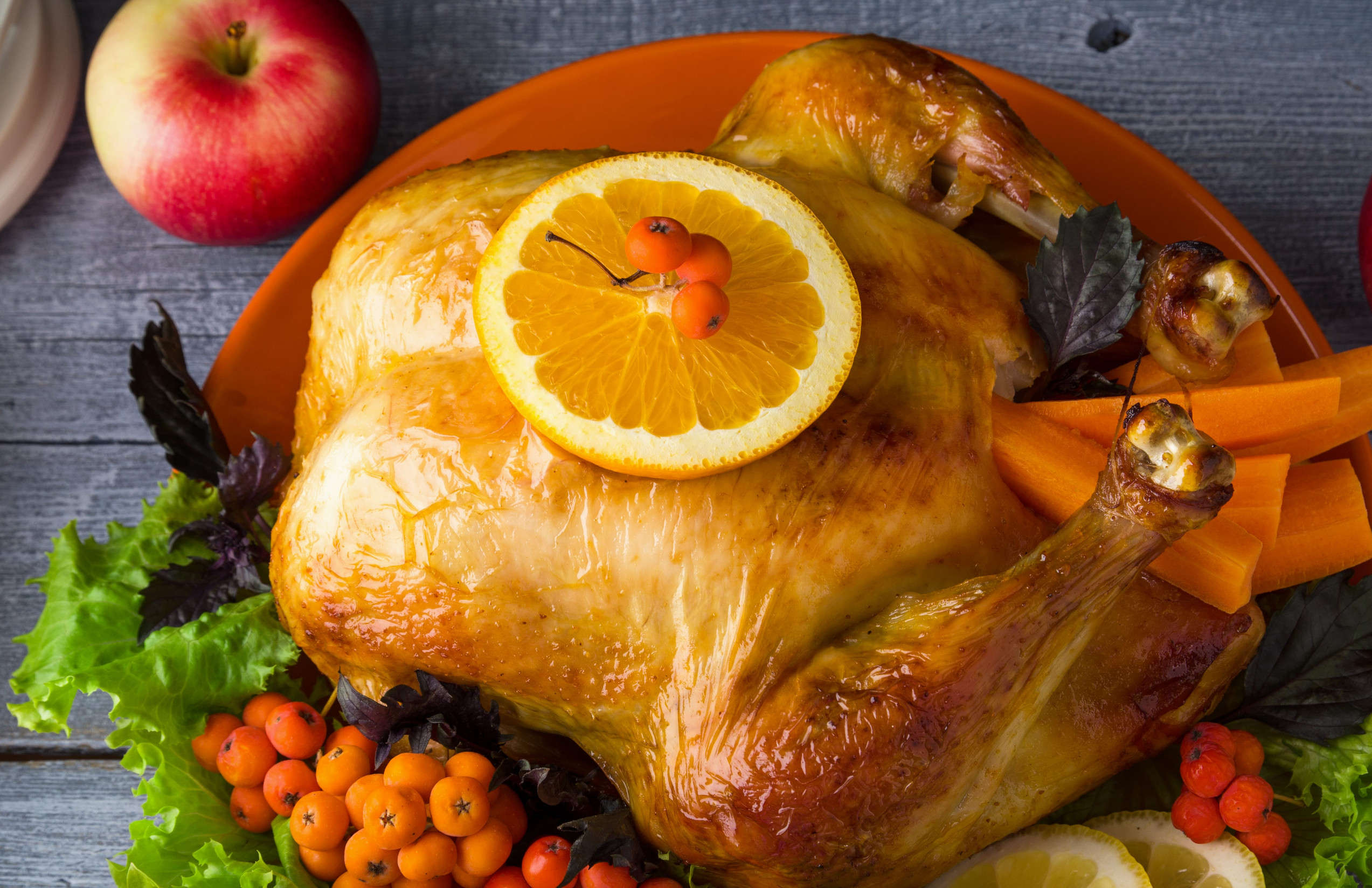
Turkey sandwiches, turkey soup, and leftover roasted slices are some of the best things to come out of Thanksgiving. Unfortunately, cooked turkey does not last as long as many people assume. According to food safety guidelines, refrigerated cooked turkey should be eaten within three to four days, provided it was stored properly.
Once that window passes, it is time to discard whatever remains. Harmful bacteria can multiply during storage, even when the meat still looks and smells perfectly normal.
If you have more turkey than you can reasonably eat, freezing it is a better option than keeping it in the refrigerator indefinitely. Remove the meat from the bones, divide it into smaller portions, and store it in airtight containers. This makes it easier to thaw only what you need for another meal.
Leftover Gravy That Has Been Kept for Too Many Days
Gravy has a way of making almost every Thanksgiving dish taste better. It goes over turkey, mashed potatoes, stuffing, and sometimes just about anything else on the plate. However, homemade gravy often contains meat juices, stock, butter, or other ingredients that require careful handling.
Refrigerated gravy should be treated like other cooked leftovers and generally used within three to four days. Some food storage references recommend even shorter periods for certain homemade gravies, so freezing is a sensible choice if you want to keep it longer.
When reheating gravy, bring it to a rolling boil, stirring to distribute the heat evenly. Avoid repeatedly warming the same container and putting it back in the refrigerator. Instead, remove only the amount you intend to serve.
Stuffing That Has Been Stored for Too Long
Stuffing is one of those dishes that rarely survives the first Thanksgiving dinner, but there is usually enough left for another serving or two. Whether yours contains sausage, vegetables, herbs, or bread cubes, it needs proper refrigeration. Stuffing can support bacterial growth, particularly when it is cooked inside the turkey and takes longer to cool.
Refrigerated stuffing should generally be eaten within three to four days. The USDA recommends removing stuffing from the turkey before storing the leftovers and placing it in a separate container. This helps it cool faster instead of staying trapped inside the bird.
Pay attention to how long it has been sitting in the refrigerator, not just how appetizing it looks. If you are not planning to eat it within a few days, freeze it while it is still fresh.
Mashed Potatoes That Have Been Sitting Around Since Thanksgiving
Mashed potatoes might seem harmless because they are made from a relatively simple combination of ingredients. However, the addition of milk, butter, cream, and other dairy products makes proper storage important. They can also cool slowly when packed into a large, deep container.
As with most cooked leftovers, eat refrigerated mashed potatoes within three to four days. Store them in smaller, shallow containers so they cool more quickly. Leaving a large pot of mashed potatoes on the counter for hours before refrigerating it is not a good idea.
If you notice an unusual smell, discoloration, or visible mold, throw them away. However, don’t rely on these signs alone, because harmful bacteria may be present without changing how the potatoes look or smell.
Green Bean Casserole That Has Been Reheated Several Times
Green bean casserole is a Thanksgiving favorite that combines vegetables, creamy sauce, and crispy toppings. It is also one of those dishes people tend to keep reheating whenever they want a quick meal. The problem is that repeatedly taking food out of the refrigerator, warming it, and putting it back creates more opportunities for unsafe handling.
A properly refrigerated green bean casserole should generally be consumed within three to four days. Keep it in a covered, shallow container and make sure your refrigerator stays at or below 40°F.
When you want another serving, take out only what you plan to eat and heat it thoroughly. The USDA recommends reheating leftovers to an internal temperature of 165°F. If the casserole has been sitting out for more than two hours, it is safer to discard it rather than attempt to rescue it with another trip to the oven.
Pumpkin Pie That Has Been Left on the Counter
Pumpkin pie is one Thanksgiving dessert that deserves more attention than it gets. Although it looks like an ordinary baked dessert, its filling contains eggs and milk, making it perishable. That means leaving it on the kitchen counter overnight is not a safe way to store it.
The Food and Drug Administration (FDA) recommends refrigerating pumpkin pie within two hours of preparation or serving. Once refrigerated, pumpkin pie generally keeps for three to four days. Keep it covered to protect it from contamination and prevent it from absorbing other refrigerator odors.
This is particularly important if you have been serving slices throughout the day. A pie that has spent several hours sitting on the dessert table should not be returned to the refrigerator for another few days of eating. With pumpkin pie, a little extra caution is better than an unpleasant surprise.
Deviled Eggs That Have Been Sitting Out During the Celebration
Deviled eggs are popular party appetizers, and Thanksgiving gatherings are no exception. Their creamy filling usually contains egg yolks, mayonnaise, mustard, and seasonings, so proper refrigeration is especially important. They are also easy to overlook when guests are busy enjoying other dishes.
According to food safety recommendations, cooked egg dishes and other perishable foods should not remain at room temperature for more than two hours. If the surrounding temperature exceeds 90°F, that window drops to just one hour.
Refrigerated deviled eggs should generally be eaten within three to four days. Keep them covered and chilled between servings rather than leaving the entire platter on the dining table throughout the afternoon. If they have exceeded the recommended time outside refrigeration, discard them even if they still look fresh.
Leftover Seafood That Has Been Kept Beyond Its Safe Window
Not every Thanksgiving table features seafood, but some families serve shrimp, salmon, crab dishes, or seafood casseroles alongside traditional favorites. These dishes can make excellent leftovers, but they need careful storage. Seafood is particularly sensitive to improper temperature control, and its freshness can deteriorate quickly.
Cooked seafood leftovers should generally be refrigerated promptly and eaten within three to four days. If a seafood dish contains additional perishable ingredients, such as cream or eggs, follow the appropriate storage guidance for the prepared dish.
Pay particular attention to how long seafood sits out during the meal. A shrimp platter that has spent several hours at room temperature should not be saved simply because it still smells pleasant. If you don’t expect to finish suitable seafood dishes within a few days, freeze them promptly.
Thanksgiving Salads Made With Mayonnaise
Potato salad, egg salad, and creamy vegetable salads can easily become overlooked once the main Thanksgiving dishes take center stage. Unfortunately, these sides often contain mayonnaise, eggs, dairy products, or cooked vegetables that need refrigeration. Their creamy texture can also make early changes in freshness hard to notice.
Keep these salads refrigerated between servings and avoid leaving them on the table for the entire celebration. The two-hour room temperature rule applies to these dishes just as it does to turkey, gravy, and other perishable foods.
Most properly refrigerated prepared salads should be eaten within three to four days, although individual recipes and ingredients can affect storage recommendations. Use clean serving utensils instead of letting guests dip into the storage container. If you cannot remember when the salad was prepared or how long it sat out, throwing it away is the safer decision.
A Quick Reminder Before You Save Those Leftovers
Thanksgiving leftovers can make the days after the holiday much easier, but proper storage matters just as much as the original cooking. Refrigerate perishable foods within two hours, divide large portions into shallow containers, and keep your refrigerator at or below 40°F. Reheat cooked leftovers to 165°F before serving.
Freezing is an option when you cannot finish food within the recommended refrigerator storage period. Most importantly, never use smell, taste, or appearance as your only test of food safety. Some harmful bacteria do not produce obvious signs of spoilage, so when food has exceeded its safe storage window, it is best to let it go.