Food rarely appears threatening on a plate. A glossy cherry, a steaming bean stew, a seafood platter, or a spoonful of homemade jam seem benign precisely because they appear familiar, fresh, or rooted in tradition. That familiarity can mislead us. The CDC estimates that 48 million Americans suffer from foodborne illness each year, with 128,000 hospitalized and 3,000 fatalities, underscoring that food safety is not a minor kitchen concern. It forms the boundary between a memorable meal and a medical disaster.
Most “killer foods” are not inherently dangerous. The threat emerges when steps are bypassed, myths are trusted, items are undercooked, unsafe parts are eaten, or sources are dubious. The core lesson: these foods require caution before earning a place on the plate.
Fugu can cause paralysis during a meal.
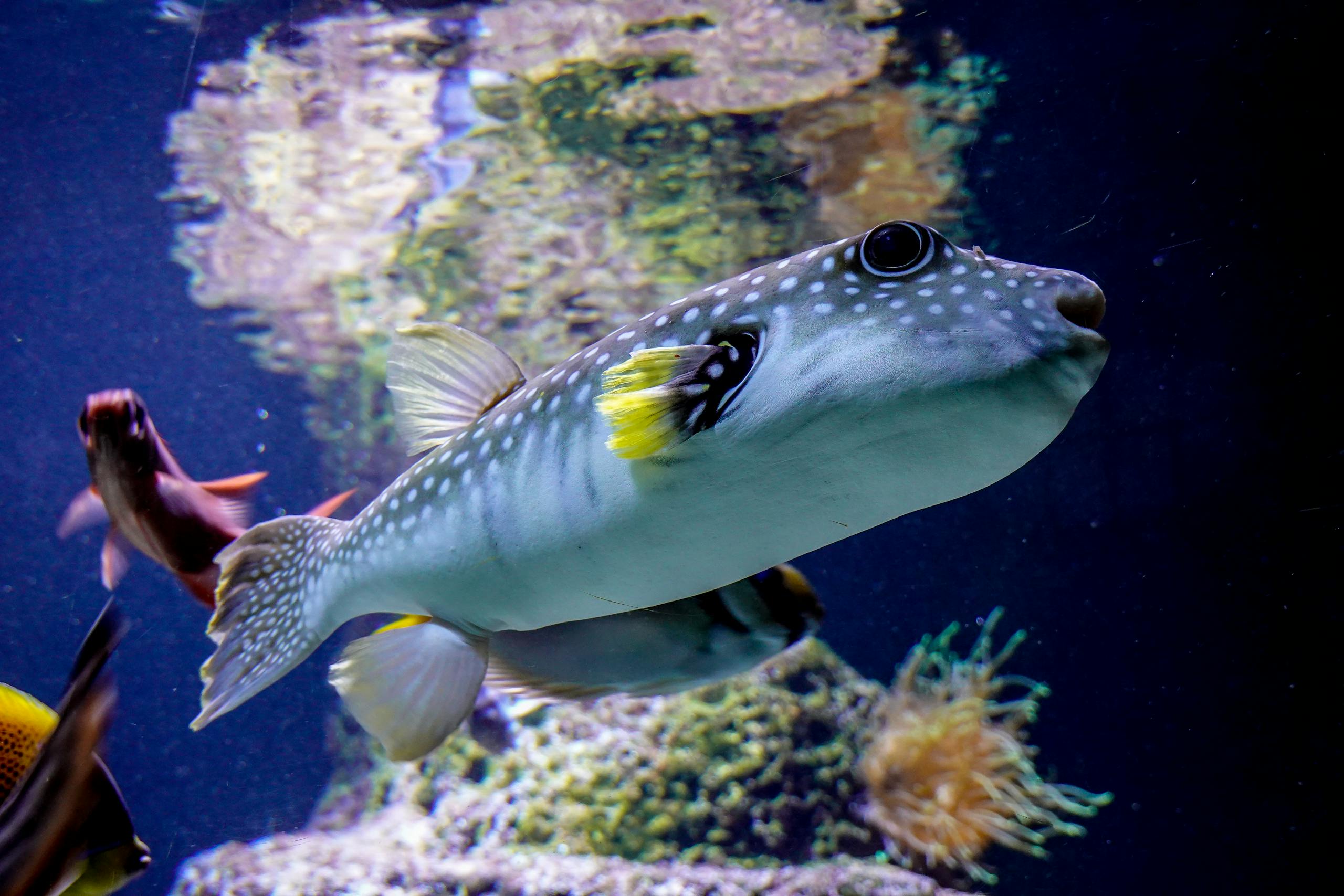
Fugu, the famous Japanese pufferfish, carries a terrifying food risk. Tetrodotoxin, a potent neurotoxin found in pufferfish, can cause numbness, paralysis, breathing failure, and death if the fish is prepared incorrectly. Cooking does not reliably destroy the toxin, making skilled preparation essential. CDC travel medicine guidance warns that tetrodotoxin is not destroyed by cooking, freezing, canning, pickling, salting, or smoking.
Fugu is not for adventurous first-timers. Only trained, licensed experts can safely prepare it ;removing toxic parts and preventing contamination. The unnerving reality: the fish can look elegant and delicate, yet one slip in preparation creates neurological chaos. If a restaurant lacks proper licensing or safe sourcing, pass up the thrill.
Green potatoes can hide toxic glycoalkaloids.
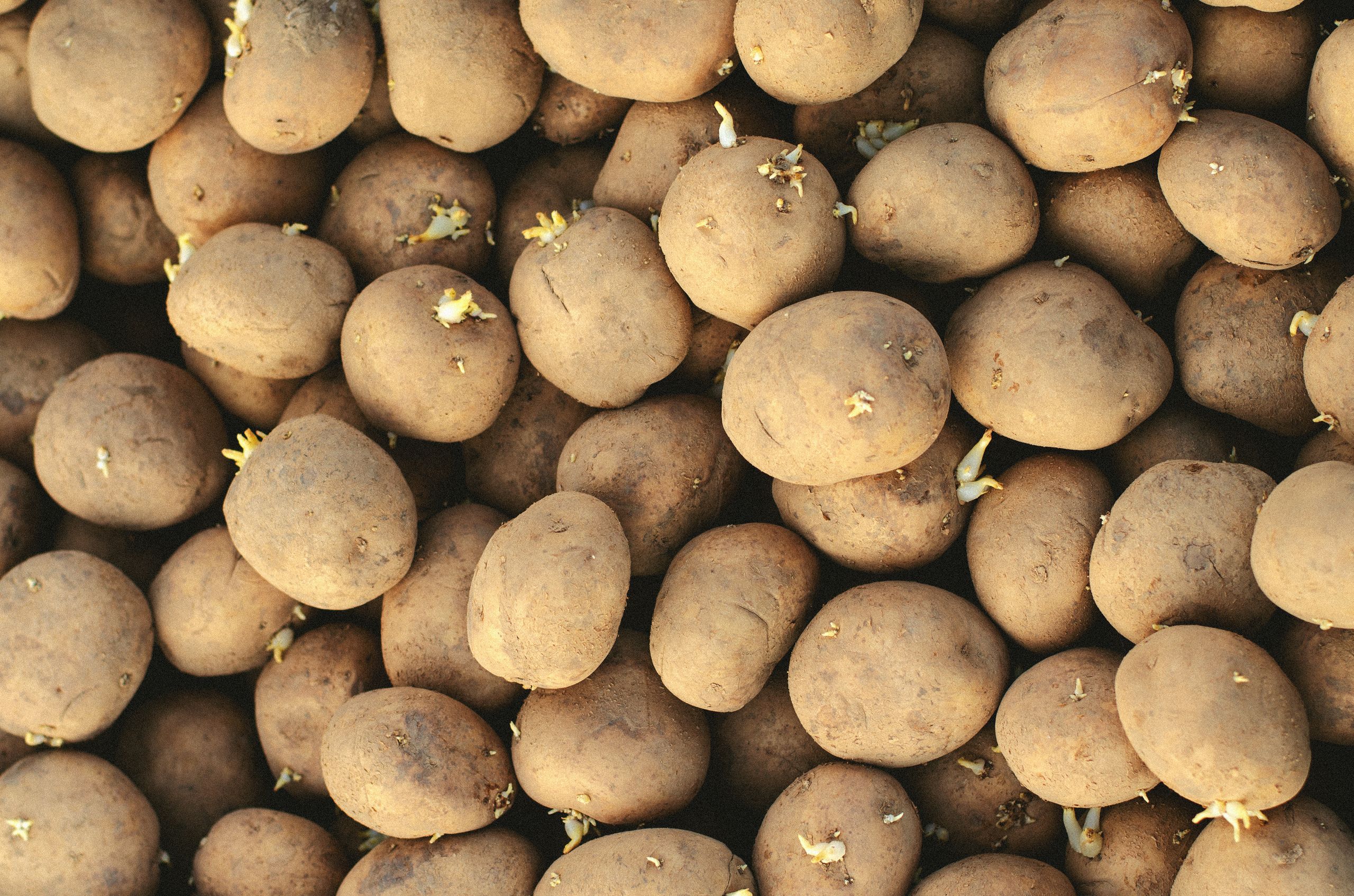
A green-tinged potato may signal elevated levels of glycoalkaloids such as solanine and chaconine, which can irritate the digestive and nervous systems. Poison Control advises tossing potatoes that have turned green or sprouted, since eating them can be toxic. The green color comes from chlorophyll, but often appears alongside natural toxins from light exposure.
This danger is quietly present in ordinary kitchens. Many assume peeling, frying, or roasting offers safety, but heavy greening and sprouting demand vigilance. Small green patches can sometimes be cut away, but a heavily greened or bitter potato is not salvageable. Store potatoes in a cool, dark, ventilated area, and do not let bargain finds pressure you into taking risks.
Raw kidney beans can make you violently sick.
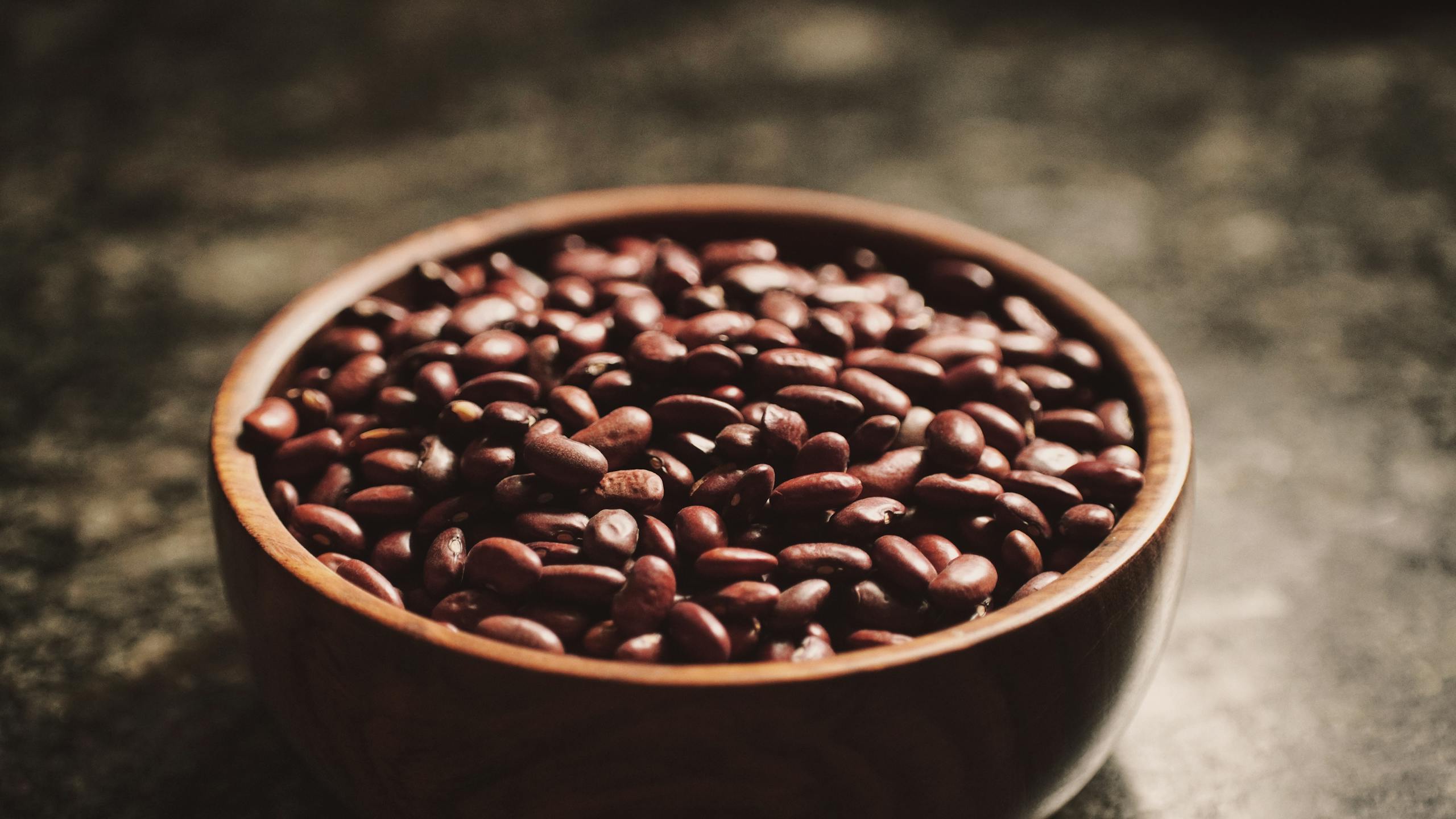
Kidney beans are wholesome and affordable, but raw or undercooked beans contain phytohaemagglutinin, a lectin that triggers severe gastrointestinal illness. Slow cookers pose a risk because low heat may not destroy the toxin. University of Illinois Extension notes that the toxin is destroyed at 212°F for at least 10 minutes, while slow cookers may stay below that temperature.
This does not make kidney beans dangerous when properly cooked. Dry beans simply need adequate treatment: soak, discard soaking water, boil vigorously in fresh water, and continue cooking until tender. Canned kidney beans are precooked, making them a safer option for quick meals. The common error is treating dry beans like lentils, assuming any gentle simmer suffices.
Wild mushrooms may appear edible but pose a risk to liver health.
Wild mushrooms pose as one of the most chilling food traps because deadly species can resemble edible ones. The death cap mushroom, Amanita phalloides, causes many fatal poisonings worldwide. CDC reports that amatoxins in these mushrooms damage cells by halting protein synthesis, and the illness can seem to improve before liver and kidney damage becomes severe.
That delayed danger gives wild mushrooms a sinister edge. People may eat them, feel sick later, experience temporary recovery, then face severe illness. No method of cooking or preparation makes poisonous mushrooms safe. Foraging apps, online photos, and guesswork fall short. Unless a qualified expert verifies the mushroom, the safest option is to leave it untouched.
Cassava can release cyanide if prepared badly.
Cassava feeds millions safely when processed correctly. The risk comes from cyanogenic glycosides, compounds that release cyanide when cassava is eaten or prepared badly. CDC has documented cyanide poisoning linked to cassava and stresses established processing methods are essential to reduce these compounds.
Safety steps matter most with bitter cassava, though sweet cassava requires attention, too. Peeling, soaking, fermenting, grating, drying, and boiling mitigate risks, depending on type and method. The danger rises with food shortages, rushed cooking, or unfamiliarity when traditional processing is neglected. Cassava is not a potato substitute. It is a staple with life-preserving rules.
Raw elderberries can ruin a homemade syrup.
Elderberry syrup is popular, but raw elderberries are different from safely prepared products. CDC notes elderberries may be safe when cooked, but uncooked berries can cause nausea, and leaves or stems should not be juiced. Unsafe parts can contain compounds that may release cyanide-like toxins.
The risk is particularly evident in DIY recipes treating elderberries like blueberries. Blending raw clusters, leaving stems intact, or making uncooked juice turns a folk remedy into a toxic mishap. Cooking and straining are critical. If a recipe calls for raw elderberries, treat it as a warning in disguise.
Nutmeg becomes toxic when people treat it like a drug.
Nutmeg is potent in minute amounts. It enhances custards, cakes, sauces, and festive drinks. Danger arises when people intentionally ingest large doses, spurred by internet myths about hallucinations. Medical literature links high doses to nausea, rapid heartbeat, confusion, hallucinations, agitation, and toxicity.
This is not a warning against a sprinkle on eggnog. A normal culinary pinch is safe. The problem is spoonfuls, challenges, or reckless “natural high” experiments. Nutmeg proves the dose makes the danger. Keep your spice jar in the pantry, not with recreational substances.
Truly, raw cashews can carry poison ivy’s irritating cousin.
Store-bought “raw cashews” are typically steamed or heat-treated since cashew shells contain urushiol, the same irritating compound found in poison ivy. True raw cashews pose serious risks, making proper processing indispensable.
Cashews almost always come shelled and processed. The risk lies in the shell oil, not in the familiar snack bowl of treated cashews. The true hazard is the untreated, direct-from-source cashew sold without processing. Cashews purchased from reputable vendors are safe; “raw” should never mean “untreated directly from the shell.”
Live octopus presents choking hazards.
Sannakji, a Korean dish of live octopus, poses a unique risk. Not from poison—the threat comes from movement, texture, suction, and choking. Pieces may squirm after serving, requiring thorough chewing to minimize the risk of choking. For at-risk groups, slippery, firm, or difficult-to-chew foods warrant extra caution; the CDC lists hot dogs, meat sticks, sausages, and dense foods as choking hazards to infants and toddlers.
Food can be dangerous because of shape and texture, not just toxins or germs. Live octopus demands attention, careful chewing, and experience. It is not a snack for distraction. If a food can fight back on the way down, use caution.
Raw oysters pose a bacterial risk beyond taste experience.
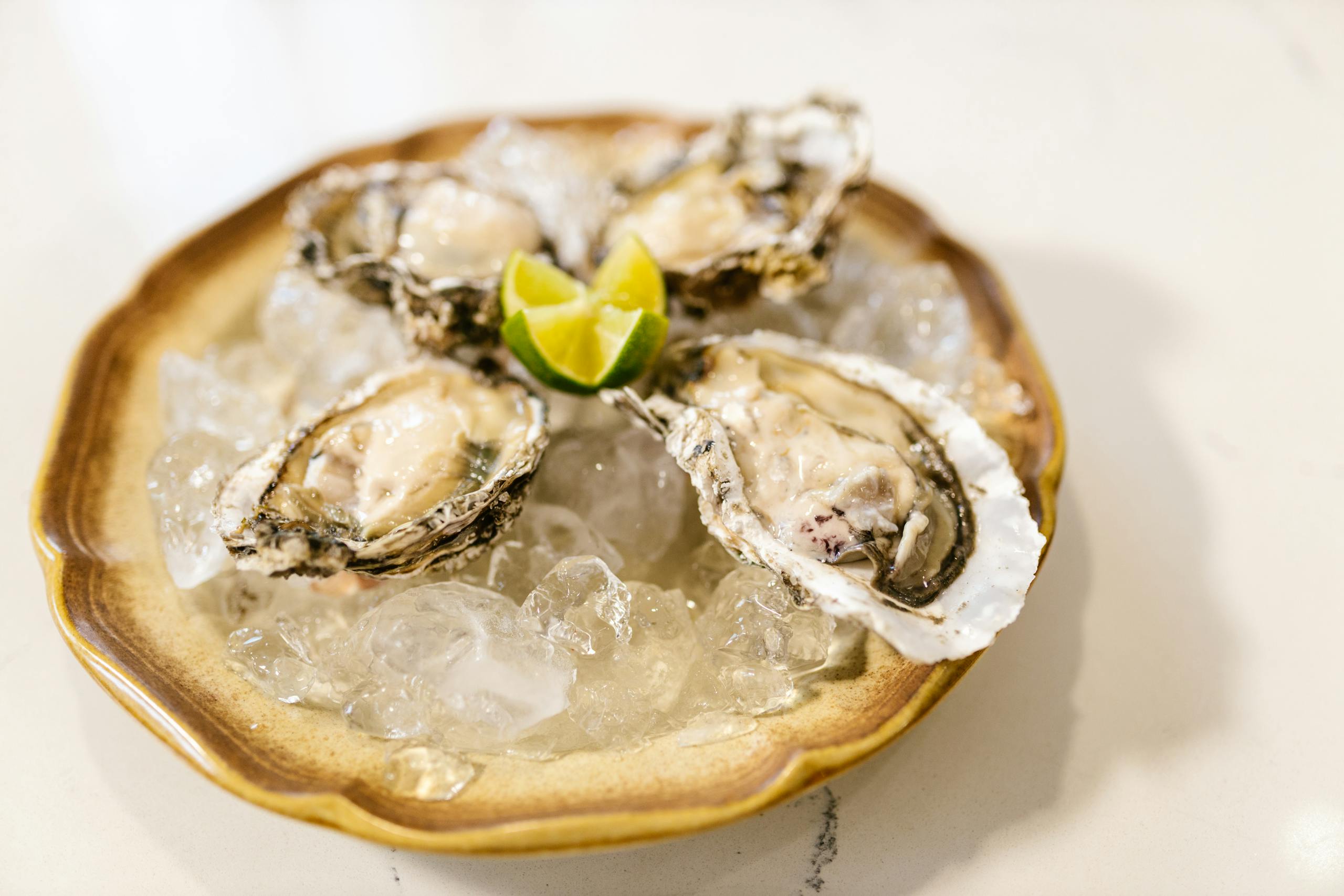
Raw oysters have a reputation for luxury, yet they may harbor Vibrio bacteria. CDC notes that raw oysters can cause illness, with some Vibrio vulnificus infections severe enough to require intensive care or amputation. About 1 in 5 affected people die, sometimes within days.
Not every oyster meal is hazardous. Raw oysters merely carry risks best reduced by cooking. Individuals with liver disease, diabetes, suppressed immune systems, or chronic conditions face increased dangers and must take extra care. Lemon juice, hot sauce, or alcohol cannot kill bacteria—heat delivers true safety.
Conclusion
The world’s most dangerous foods threaten in diverse ways. Some contain toxins, some are risky raw, some endanger children due to form, or harm those whose bodies fail to process toxins. Preparation is the unifying factor.
We can still enjoy bold food, cultural dishes, seafood, fruit, spices, and traditional ingredients. The smart approach is to respect the rules behind each food. Cook what needs cooking. Discard unsafe parts. Avoid risky raw products. Buy from trustworthy suppliers. When a food has a deadly reputation, curiosity should never outrun caution.