The US Iran war’s escalation centers on the Strait of Hormuz, making it the pressure point for global energy markets and diplomacy. Recent American strikes have heightened risk, quickly impacting oil prices and threatening wider disruption.
This is no longer just a military story. It is a shipping story, an oil story, a diplomacy story, and a global economy story. The Strait of Hormuz may look like a narrow strip of water on the map, but right now it has become one of the most dangerous places in the world.
The Strait of Hormuz Has Become the Main Flashpoint.
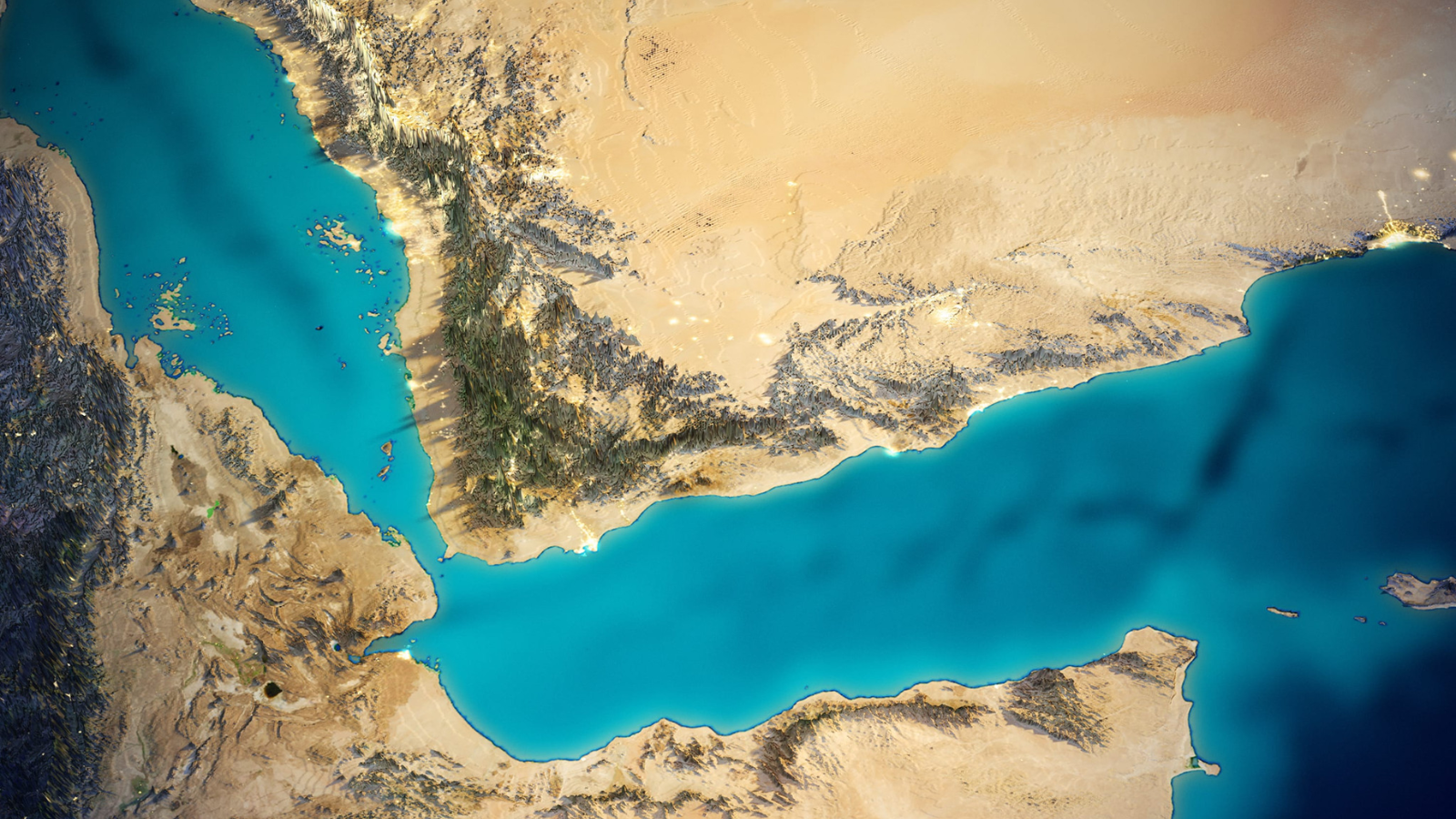
The Strait of Hormuz is one of the world’s most important energy routes, so any threat near it creates instant global concern. Huge volumes of oil and liquefied natural gas pass through this waterway, making it a lifeline for global trade. When tension rises there, traders do not wait for official speeches before reacting.
That is why the latest US strikes matter so much. The United States says it targeted Iranian missile launch sites and boats that were trying to place mines near the Strait. If mines enter the waterway, the crisis ceases to be only about diplomacy and becomes a direct threat to tankers, crews, insurers, and energy buyers worldwide.
The Strait is also strategically narrow. There is little room for error when military ships, oil tankers, drones, and patrol boats operate in the same tense space. A single explosion, a warning shot, or a misread movement could turn a dangerous standoff into a larger conflict.
New US Strikes Have Shattered Optimism About the Peace Deal.
Before the fresh strikes, there were signs that Washington and Tehran might be moving toward some kind of deal. Talks in Qatar had raised cautious hope that both sides were seeking a way to step back from the brink. That hope did not disappear completely, but it took a serious hit.
The US described the strikes as self defense, saying Iranian forces posed a threat to American troops and regional security. That explanation may make sense from Washington’s position, but it still changes the tone of the negotiations. It is hard to build trust at the table when missiles are flying nearby.
Iran will now feel pressure to respond, even if its leaders still want a deal. No government wants to look weak during wartime, especially when its military sites and naval assets have just been hit. That makes the next few days extremely delicate.
Oil Prices Are Already Feeling the Heat.
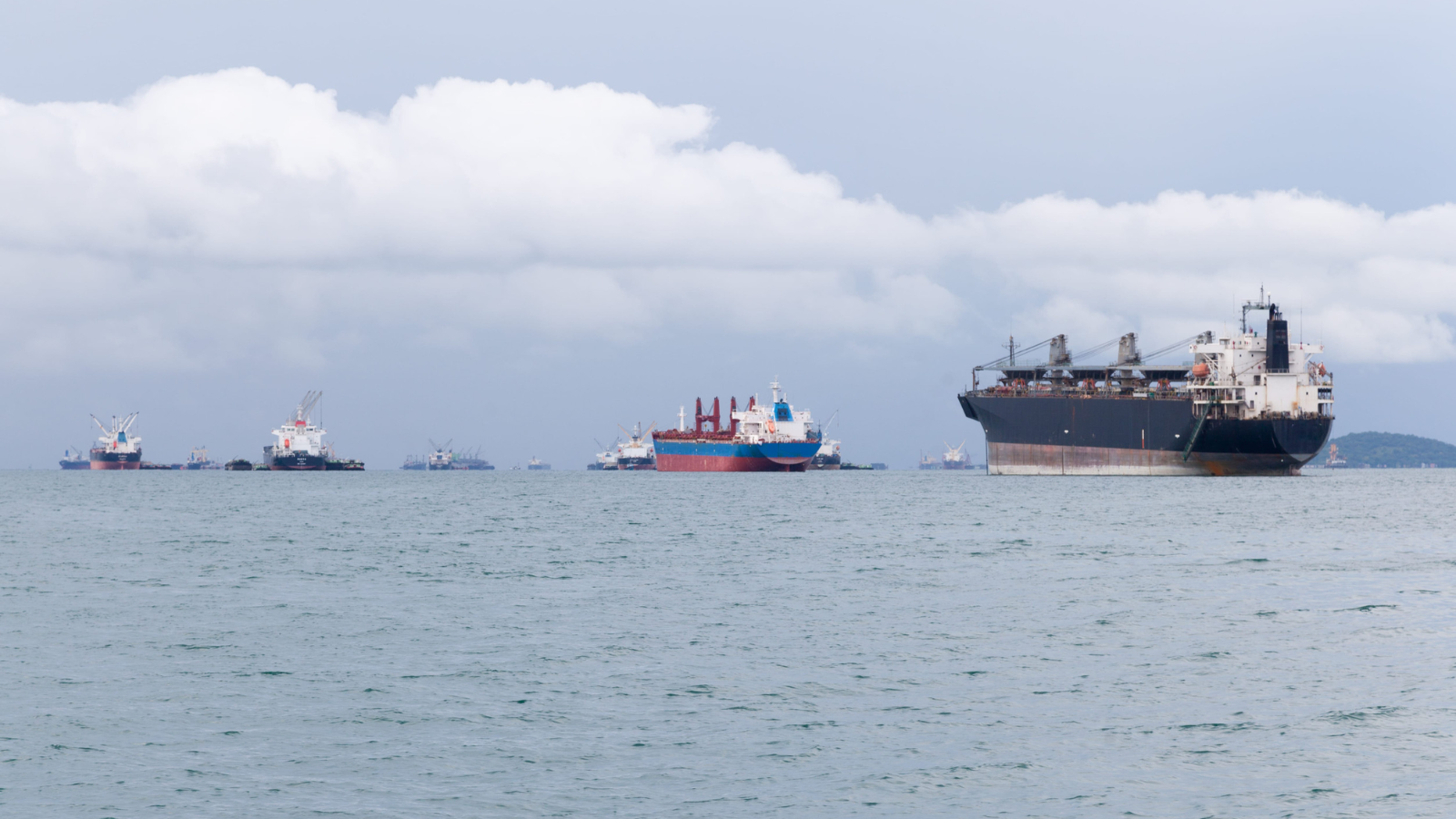
Oil prices rose after the latest strikes because markets hate uncertainty around the Strait of Hormuz. Traders know that even a small disruption in the Gulf can send energy prices upward. The fear is not only that oil will stop moving, but that shipping will become slower, riskier, and more expensive.
For ordinary people, this kind of crisis can quietly show up in daily life. Fuel prices can rise, airline tickets can become more expensive, and delivery costs can creep into the price of food and household goods. A conflict near a major oil route rarely stays limited to soldiers and diplomats.
That is why governments far from the Middle East are watching closely. Europe, Asia, Africa, and North America all have a stake in keeping the Strait open. When oil gets nervous, the global economy follows suit.
Trump Wants a Bigger Deal, Not a Small Pause.
actionsports/ 123rf
Donald Trump has made it clear that he does not want a weak agreement with Iran. His focus is on Iran’s enriched uranium, which Washington sees as central to the nuclear threat. That means any deal will have to address more than a temporary ceasefire.
This makes the negotiations harder. Iran wants respect, sanctions relief, and protection of its sovereignty. The United States wants guarantees that Iran cannot move closer to building a nuclear weapon.
A small pause in fighting may calm markets for a few days, but it would not solve the deeper problem. Trump appears to be pushing for a deal that changes Iran’s behavior in a more permanent way. That creates pressure for a stronger agreement, but it also increases the risk that talks will collapse if Tehran rejects the terms.
Marco Rubio’s Warning Sounds Like a Final Line.
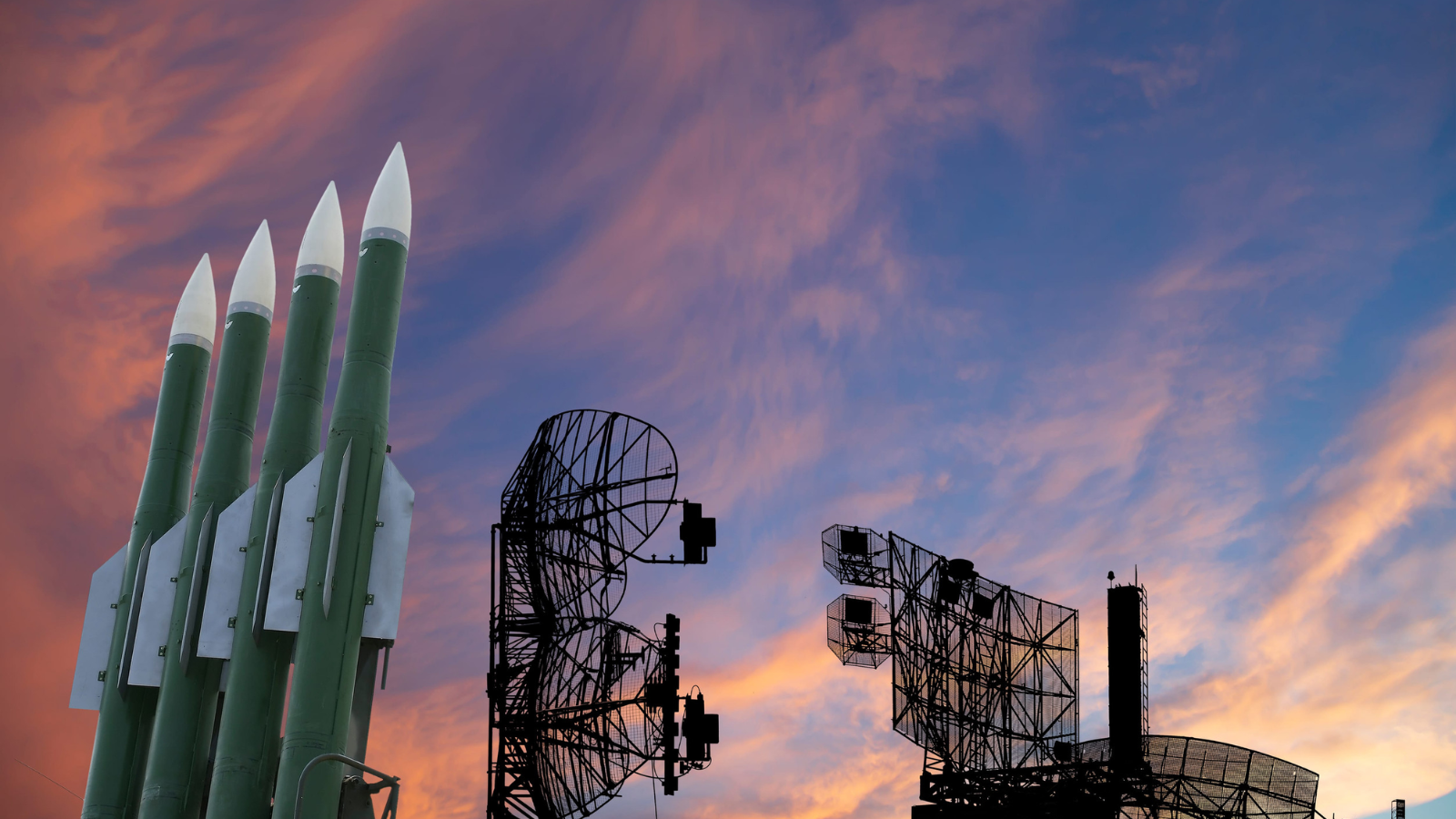
Secretary of State Marco Rubio’s warning that the Strait of Hormuz will be open “one way or another” was not casual language. It was a message aimed at Tehran, oil markets, Gulf allies, and shipping companies. The United States is signaling that it will not allow Iran to use the Strait as a chokehold.
That kind of statement can calm some allies because it shows strength and certainty. At the same time, it can raise the stakes because Iran may see it as a threat. In a tense military environment, strong language can deter action, but it can also trap both sides into tougher positions.
Rubio’s message also tells the world that the Strait is not being treated as a negotiable side issue. Washington sees it as a route to global security. If Iran tries to close it or make it unsafe, the United States is prepared to respond with force.
Doha Talks Are Happening Under Military Pressure.
The Doha talks are still one of the best chances to prevent a wider war. Qatar has become an important diplomatic space because both sides need a place to test language, float proposals, and search for a face-saving exit. The problem is that diplomacy is now taking place in the shadow of fresh strikes.
The issues reported in the table are serious. They include the Strait of Hormuz, Iran’s enriched uranium, and possible financial arrangements involving frozen Iranian funds. None of these is easy, and each can be a deal breaker.
Military pressure can sometimes force faster compromise, but it can also harden resistance. Iran may not want to look like it is negotiating because it was bombed. The US, on the other hand, may not want to ease pressure before it gets firm commitments.
Israel and Hezbollah Could Widen the Crisis.
The conflict is not happening in isolation. Israel’s confrontation with Hezbollah in Lebanon is adding another dangerous layer to the wider regional picture. If that front worsens, US-Iran talks could become tangled in a much bigger security crisis.
Iran has long standing ties to Hezbollah, so Israeli strikes in Lebanon are not just a local issue in Tehran’s eyes. They are part of the broader contest between Iran, Israel, and the United States. That makes it harder to separate one battlefield from another.
This is where the crisis becomes especially risky. A deal between Washington and Tehran may require calm in the Gulf, but violence in Lebanon could keep pulling the region back toward escalation. One front can poison the other.
The World Is One Miscalculation Away From a Bigger Shock.
The biggest danger now may not be a carefully planned attack. It may be a mistake. A nervous commander, a misread radar signal, a damaged tanker, or a drone incident could trigger a chain reaction that neither side fully controls.
The Strait of Hormuz is crowded, narrow, and politically explosive. Military forces are operating close to commercial ships, and every movement can be interpreted as a threat. That is a terrible environment for calm decision-making.
This is why the crisis feels so unstable. Diplomats may be talking, but soldiers and sailors are still operating in real time. When war and negotiation happen at the same moment, the chance of one bad move grows sharply.
Conclusion.
The US and Iran war is no longer just about military strikes or nuclear demands. It has become a high risk contest over the Strait of Hormuz, the waterway that keeps global energy moving. If that route becomes unsafe, the shock will travel far beyond the Middle East.
A deal is still possible, but it will need to do more than pause the fighting. It must address shipping security, nuclear limits, regional proxy conflict, and the political pressure facing both Washington and Tehran. Until then, the world is watching a narrow stretch of water that could decide the next chapter of a much larger crisis.