Seattle’s no-sobriety shelter debate is no longer a simple argument about whether people sleeping outside deserve help. That answer is already clear in any city that claims to value public order and human dignity. The sharper question is whether Seattle can open shelter doors without lowering the standards that keep residents, workers, and neighborhoods safe.
Mayor Katie Wilson’s low-barrier shelter push arrives at a tense moment for the city. Seattle wants to move more people indoors, reduce the number of visible encampments, and connect vulnerable residents with services. Yet the policy has raised a hard civic question: can a shelter welcome people in active addiction without becoming a place where accountability quietly disappears?
That tension makes the Interbay shelter more than just another homelessness project. It has become a public test of whether “low barrier, high support” is a serious operating model or a hopeful slogan. Seattle is now asking residents to believe that compassion and control can exist in the same system.
The Question Seattle Can No Longer Avoid
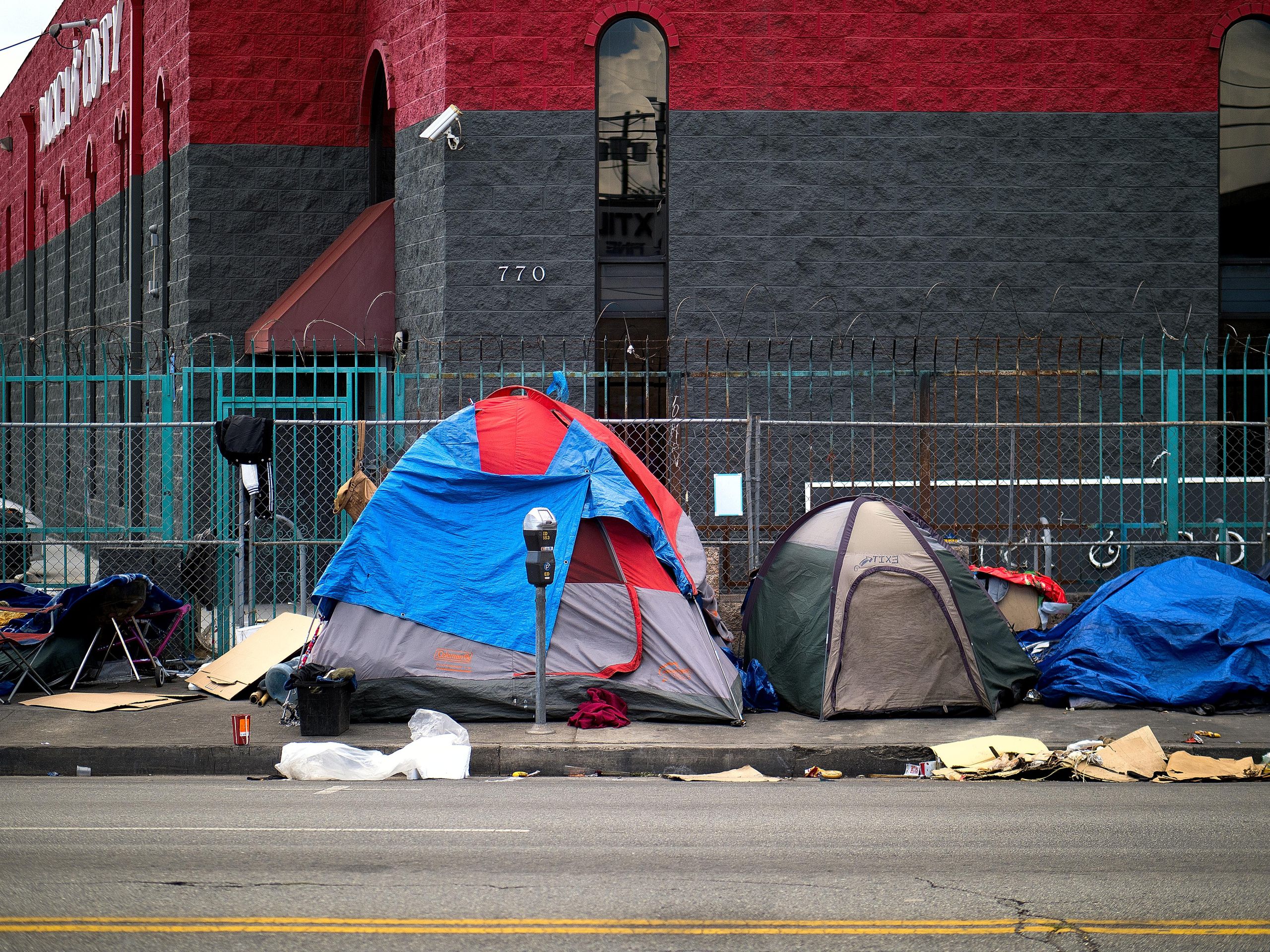
The central issue is not whether shelter matters. Shelter matters because the street is a dangerous place to manage addiction, trauma, mental illness, hunger, and fear. Leaving people outside rarely makes them sober, stable, or safer.
The real issue is what Seattle requires after someone gets inside. If sobriety is not a condition for entry, then safety, treatment outreach, behavioral expectations, and progress must become the real standards. A low-barrier door should not lead into a low-accountability system.
That is where the Seattle no-sobriety shelter debate becomes bigger than one site. It forces the city to define what help means when a person is not ready for recovery. It also forces leaders to explain what happens when support is repeatedly refused.
Low Barrier Sounds Humane, But It Needs Teeth
Low-barrier shelter works best when it removes entry rules that keep the most vulnerable people outside. Many people living unsheltered cannot arrive sober, organized, documented, and ready for treatment. If those become the price of admission, the city leaves the hardest cases on the sidewalk.
But low barriers must not become a soft name for weak management. A shelter can accept people in crisis while still enforcing rules against violence, threats, property damage, drug dealing, and repeated disruption. The public needs to hear that distinction clearly.
Seattle’s challenge is to prove that the model has teeth without turning the shelter into a punishment system. Residents need dignity, privacy, and repeated chances to stabilize. Neighbors also need proof that the city will not tolerate chaos simply because the policy sounds compassionate.
The Treatment Promise Needs Measurable Proof
Officials can say treatment will be available and encouraged, but those words alone do not settle anything. Addiction does not respond to vague access or distant referrals. A person may need detox, medication, counseling, peer support, housing navigation, and long-term follow-up.
The Seattle no-sobriety shelter model will only gain credibility if treatment access becomes visible and measurable. The city should know how many residents receive offers of care, how many accept help, how many refuse, and how often staff re-engages them. Without those numbers, the public must rely on trust in a city that has already spent years struggling to earn it.
Treatment also needs speed. If a resident finally agrees to help, the system cannot lose that moment to paperwork, waitlists, or poor coordination. Recovery often begins in a brief window, and a serious shelter model must be ready when that window opens.
Neighbors Are Asking for Standards, Not Cruelty
People near the Interbay site are not wrong to ask hard questions. Many residents have watched homelessness, open drug use, theft, sanitation problems, and public disorder reshape parts of Seattle. They want compassion, but they also want competence.
That is why the city should avoid treating neighborhood concerns as moral failure. A parent worried about needles near a sidewalk is not attacking the homeless. A business owner worried about break-ins is not rejecting shelter.
Seattle can reduce that tension by offering practical safeguards. Residents need a clear point of contact, regular updates, public incident data, fast cleanup, and direct answers when problems spill outside the site. Trust grows when the city responds before frustration hardens into opposition.
Tiny Homes Must Become Pathways, Not Parking Lots
Small shelter units can offer something the street cannot provide. They can give a person a door, a bed, a routine, and a break from constant exposure. For someone living outside, that can be a meaningful first step.
Yet a tiny unit is not a complete solution. If residents remain stuck without treatment, income support, mental health care, or permanent housing options, the site risks becoming a cleaner-looking holding pattern. The city may reduce visible encampments without truly reducing homelessness.
This is where Seattle must separate Housing First from housing only. Housing First means stability comes before perfect readiness, but it still requires deep support. Housing means only a roof without sufficient structure, and that is where public confidence collapses.
Workers Will Carry the Risk Every Day
The policy may come from City Hall, but shelter workers will carry its weight. They will handle relapse, fear, trauma, conflict, overdose risks, and residents who may distrust every institution they meet. That work requires more than goodwill.
A Seattle no-sobriety shelter needs trained staff, enough staff, behavioral health specialists, safety protocols, and reliable backup. If the city underfunds the human side of the model, workers will burn out, and residents will suffer. A fragile shelter cannot survive on thin staffing and strong language.
This angle often gets lost in political coverage. The public sees a policy fight, but frontline workers live the consequences hour by hour. If Seattle wants high support, it must build a staffing system that makes support real.
The World Cup Raises the Pressure
Seattle’s shelter push is unfolding as the city prepares for the 2026 FIFA World Cup matches. That timing matters because the city will soon welcome visitors, media, and global attention. Public disorder will not stay a local conversation when international cameras arrive.
This does not mean Seattle should hide homeless people to protect its image. It means the city must prove it can manage a visible crisis with honesty and discipline. A world-class city cannot depend on last-minute cleanup or temporary optics.
The World Cup adds urgency, but that urgency can lead to bad decisions if leaders chase speed over structure. Opening beds matters, but managed beds matter more. A rushed shelter without accountability could damage public trust faster than a delayed project.
A Public Scoreboard Would Change the Debate
Seattle needs a public scoreboard for the Interbay shelter. Residents should know how many people move in, how many stay, how many enter treatment, and how many move into permanent housing. They should also know how many overdoses, emergency calls, police responses, and neighborhood complaints occur.
Data will not remove every political argument, but it will make the debate more honest. Supporters could point to real progress if the site works. Critics could point to real problems if the site fails.
Right now, too much of the conversation depends on belief. Some people believe low-barrier shelters save lives. Others believe it enables disorder. A city asking for trust should offer numbers strong enough to replace suspicion with evidence.
Final Thought
Seattle does not need to prove that people sleeping outside deserve shelter. It needs to prove that shelter can be humane without becoming careless. That is the true test behind the Seattle no-sobriety shelter debate.
If the Interbay model reduces street homelessness, connects people to treatment, protects neighbors, and moves residents toward permanent housing, it could strengthen the case for low-barrier shelter. If it simply moves addiction indoors without progress, critics will say the city confused compassion with surrender.
The future of this policy will not be decided by the phrase “low barrier, high support.” It will be decided by what happens after the door opens. Seattle has chosen to lower the barrier to entry, and now it must raise the standard for results.