The best U.S. cities for seniors to retire in are not all beach towns. Some are quiet Midwestern communities with stable housing prices. Some are Southern cities with tax advantages and historic charm.
Some are desert or mountain destinations where active seniors can hike, golf, volunteer, learn, and stay connected. The strongest retirement cities in America share one important trait: they support daily life, not just vacation dreams.
When we look beyond postcard beauty, ten cities stand out for seniors who want a smarter retirement move. These places combine affordability, healthcare access, lifestyle value, tax friendliness, and community strength in ways that feel practical, not exaggerated.
Midland, Michigan.
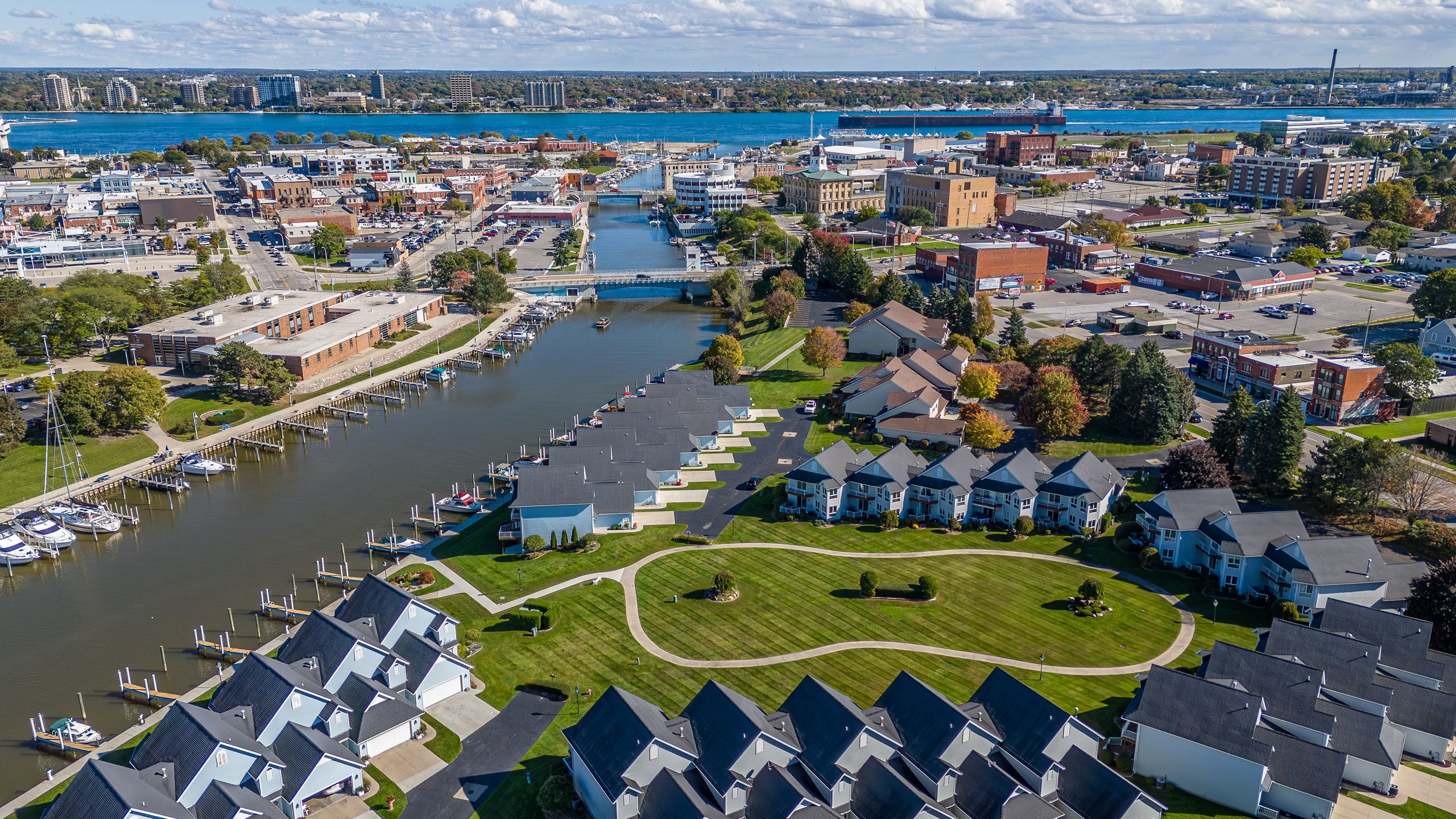
Midland, Michigan, has become one of the most interesting retirement stories in the country because it proves that seniors do not always need to chase the biggest metro areas or the most famous resort towns. Midland offers something many retirees are searching for but rarely find in larger cities: calm, structure, affordability, and a strong sense of local belonging.
We see Midland as a strong retirement choice because it does not try to sell an unrealistic fantasy. It offers a grounded lifestyle. Housing is more manageable than in many coastal and Sun Belt cities. The pace is slower without feeling isolated.
Seniors who want grocery stores, parks, medical access, cultural events, and community organizations nearby can find those essentials without fighting the pressure of an overheated housing market.
The city’s appeal is especially strong for retirees who want their money to stretch further. In retirement, every recurring cost matters. A lower mortgage, smaller property tax bill, affordable local services, and reasonable daily expenses can make the difference between a retirement that feels free and one that feels tense.
Midland gives seniors a chance to protect their savings while still enjoying a clean, organized, and community focused city.
Midland is also a reminder that quality of life is not always loud. It can look like safe neighborhoods, walkable parks, friendly local events, reliable services, and less daily stress. For seniors who want peace without disappearing from civic life, Midland deserves serious attention.
Orlando, Florida.
Orlando is often reduced to theme parks, but that is too simple. For retirees, Orlando’s real strength is the combination of entertainment, healthcare access, senior services, volunteer opportunities, and Florida’s favorable tax structure.
We can understand why it continues to appear near the top of retirement rankings: it gives older adults plenty to do while also protecting many common sources of retirement income from state taxation.
The biggest financial advantage is clear. Florida has no state personal income tax. That means Social Security, pensions, IRA withdrawals, and 401(k) distributions are not taxed at the state level. For seniors living on a fixed income, this can create meaningful breathing room.
Florida also has no state estate tax, which can matter for retirees thinking about legacy planning and family wealth transfer.
But Orlando’s appeal is not only financial. Seniors who want an active retirement can find museums, music venues, restaurants, lakes, golf courses, community events, faith communities, volunteer programs, and continuing education options.
This matters because retirement can become lonely when a city does not offer easy ways to stay engaged. Orlando gives retirees more chances to leave the house, meet people, and build a full weekly routine.
The caution is costly. Orlando is not the cheapest city in Florida, and homeowners’ insurance, traffic, and housing demand can create pressure. Still, for seniors who want sunshine, activity, healthcare options, and tax advantages in one place, Orlando remains one of the most complete retirement cities in America.
Scottsdale, Arizona.
Scottsdale is ideal for retirees who want beauty, health, and activity built into daily life. The city has long attracted older adults who want sunshine, golf, walking paths, wellness services, restaurants, art galleries, and quick access to desert scenery. It is polished, comfortable, and built around a lifestyle that rewards movement.
We see Scottsdale as especially attractive for seniors who do not want retirement to feel passive. The McDowell Sonoran Preserve gives residents access to trails and open desert views. Golf communities, fitness studios, spas, and social clubs create a strong wellness culture. The city also benefits from the broader Phoenix area healthcare network, including major medical institutions and specialists.
Arizona’s tax picture also helps. Social Security benefits are not taxed by the state, and the state offers certain pension income subtractions. Retirees should still review their personal tax situation, but Scottsdale can be financially friendlier than many high cost Western retirement destinations.
The trade off is summer. Heat is not a small issue in Arizona. Seniors who love outdoor activities must plan around intense summer temperatures, especially from June through September. Many residents adjust by walking early, staying indoors during peak heat, and traveling during the hottest weeks.
For retirees who can manage the climate, Scottsdale offers one of the most attractive active retirement lifestyles in the country.
Minneapolis, Minnesota.

Minneapolis may surprise retirees who only think of snow when they hear Minnesota. Yes, the winters are demanding. But the city offers a rare blend of healthcare strength, parks, culture, transportation, senior engagement, and community infrastructure. For seniors who care more about services than sunshine, Minneapolis deserves a closer look.
Healthcare is one of its strongest selling points. The Twin Cities region has a deep medical network, and Minnesota is widely known for its healthcare quality. For retirees, this matters more with each passing year. Easy access to doctors, specialists, hospitals, rehabilitation services, and preventive care can shape not only health outcomes but also daily confidence.
Minneapolis also offers a rich civic life. Seniors can enjoy lakes, trails, libraries, theaters, museums, universities, music venues, farmers’ markets, and neighborhood organizations. The city supports retirees who want to keep working part time, volunteering, mentoring, learning, or participating in public life.
The obvious drawback is the climate. Winter can be icy, dark, and long. Seniors with mobility concerns should think carefully about snow removal, transportation, home layout, and access to services. But for retirees who want a city with depth, culture, access to medical care, and community investment, Minneapolis is one of the strongest cold-weather retirement choices in the United States.
Charleston, South Carolina.
Charleston gives retirees something many cities cannot match: beauty with substance. The city’s historic streets, coastal air, restaurants, churches, galleries, and waterfront views create a strong sense of place.
But Charleston’s appeal as a retirement destination is not only emotional. South Carolina’s tax treatment of Social Security and retirement income can make the state attractive for seniors who want Southern charm without giving up financial discipline.
South Carolina does not tax Social Security benefits. Older residents may also qualify for retirement income deductions and additional senior deductions, depending on age and income type. These benefits can help retirees reduce state tax exposure while still enjoying life in a culturally rich city.
Charleston also has medical advantages. The region includes major healthcare providers, specialists, and medical facilities that serve both full time residents and the surrounding coastal population. For seniors, this kind of access matters because a charming city is not enough if quality care is far away.
The lifestyle is another major draw. Charleston offers walkable historic districts, beaches within driving distance, fresh seafood, cultural festivals, and a slower Southern rhythm. Retirees who enjoy architecture, food, history, gardening, boating, or church-centered community life often find Charleston deeply satisfying.
Still, we must be realistic. Coastal living comes with hurricane exposure, flood concerns, humidity, and insurance costs. Seniors considering Charleston should study specific neighborhoods carefully. Elevation, flood zones, home maintenance, and insurance premiums matter. For those who plan wisely, Charleston can deliver one of the most graceful retirements on the East Coast.
Colorado Springs, Colorado.
Colorado Springs is built for retirees who want fresh air, mountain views, and an active rhythm. It is not the cheapest city on this list, but it offers a lifestyle that can be worth the higher cost for seniors who value nature, fitness, and access to quality medical care.
The city sits near some of Colorado’s most recognizable outdoor landmarks. Garden of the Gods, Pikes Peak, Red Rock Canyon Open Space, and nearby trails give retirees countless ways to stay active. For seniors who enjoy walking, hiking, cycling, photography, birdwatching, or simply looking at the mountains each morning, Colorado Springs delivers daily inspiration.
Healthcare is another major advantage. The city has respected hospitals and medical systems, giving retirees access to emergency care, specialists, and ongoing treatment. This is especially important for seniors who want outdoor adventure but also need dependable medical support nearby.
Colorado’s tax treatment is more nuanced than no income tax states, but retirees may qualify for pension and annuity subtractions based on age and income type. Property taxes in Colorado are often comparatively favorable, though housing prices in desirable areas can still be high.
The best retirement fit here is an active senior or couple with a stable budget, a love of all four seasons, and a desire to spend their retirement outdoors. Colorado Springs is not about sitting still. It is about building a retirement with motion, views, and purpose.
Clearwater, Florida.

Clearwater is one of the clearest examples of classic Florida retirement appeal. It offers beaches, sunshine, boating, restaurants, festivals, sports, and easy access to the Tampa Bay region. For seniors who dream of warm weather and coastal living, Clearwater remains one of the most recognizable retirement destinations in the country.
Florida’s no income tax structure is a major benefit. Retirees do not pay state tax on Social Security, pensions, or retirement account distributions. That can make a meaningful difference for seniors trying to protect their monthly income.
Clearwater also offers an active social environment. Beach walks, local events, seafood restaurants, church groups, volunteer programs, community centers, art festivals, and nearby baseball create a lifestyle that encourages retirees to stay engaged. The area has a strong retiree presence, which can make it easier for newcomers to find peers and build friendships.
Healthcare access is another advantage because Clearwater sits within the larger Tampa Bay medical market. Seniors can reach hospitals, specialists, rehabilitation centers, and outpatient care without being isolated in a small beach town.
The challenge is the cost of coastal risk. Homeowners insurance, storm exposure, flood zones, and seasonal traffic should be taken seriously. Clearwater is best for retirees who want a beach-centered lifestyle and are prepared to budget for the realities of Florida coastal living.
Sioux Falls, South Dakota.
Sioux Falls is not flashy, and that is part of its strength. It offers a low-tax environment, strong healthcare access, manageable traffic, and a steady small city lifestyle. For seniors who want financial simplicity and a practical place to age well, Sioux Falls is one of the most underrated retirement cities in America.
South Dakota has no state individual income tax. It also has no estate tax and no inheritance tax. For retirees, that means Social Security, pensions, IRA withdrawals, and 401(k) distributions are not taxed at the state level. This creates a clean and appealing tax environment for fixed income households.
Sioux Falls also has a respected healthcare presence. The city serves as a medical hub for the region, which is important for retirees who want access to doctors and hospitals without moving to a huge metro area. Healthcare can be one of the biggest retirement concerns, and Sioux Falls performs better than many people expect.
The city’s lifestyle is calm but not empty. Falls Park gives the city a scenic anchor. Downtown has restaurants, shops, events, and public spaces. Seniors can find recreation programs, churches, volunteer groups, and neighborhood connections.
The weather is the main drawback. Winters can be cold, windy, and difficult for seniors with mobility issues. But for retirees who value low taxes, healthcare access, and a manageable cost of living, Sioux Falls makes a strong case for retirement.
Greenville, South Carolina.
Greenville has become one of the South’s most compelling retirement cities because it offers balance. It is not as expensive as many larger Southern metros, not as crowded as major coastal cities, and not as sleepy as some small towns. It offers retirees a walkable downtown, mountain access, restaurants, healthcare, arts, and a growing sense of community identity.
The city’s downtown is one of its biggest assets. Falls Park on the Reedy, local shops, restaurants, theaters, and public events give Greenville a lively but approachable feel. Retirees who want to downsize without giving up culture can find a strong middle ground here.
South Carolina’s retiree friendly tax structure also helps. Social Security benefits are exempt from state income tax, and qualifying seniors may benefit from retirement income deductions. This makes Greenville financially attractive to retirees compared to higher tax states.
Greenville also benefits from its location. The Blue Ridge Mountains are close enough for day trips, while the coast is within driving range. This gives retirees access to both mountain and beach experiences without requiring them to live directly in a high cost resort market.
The caution is popularity. As more people discover Greenville, housing demand can rise. Retirees who want the best value should compare neighborhoods carefully and consider access to medical care, grocery stores, walking areas, and community services. Still, Greenville remains one of the best retirement choices for seniors seeking affordable Southern energy and real lifestyle depth.
The best U.S. cities for seniors to retire in are not chosen by beauty alone. A beautiful city can become stressful if healthcare is weak, housing is overpriced, taxes are heavy, or insurance costs keep rising. A quiet city can become a retirement treasure if it offers safety, affordability, doctors, parks, friends, and a sense of belonging.
Midland shows the power of affordability and community. Orlando proves that recreation and tax savings can work together. Scottsdale gives active retirees a polished desert lifestyle. Minneapolis delivers healthcare and culture despite the cold.
Charleston blends historic beauty with retiree tax benefits. Colorado Springs gives seniors mountain energy and medical strength. Clearwater offers beach life with social connection. Sioux Falls provides tax simplicity and small city confidence. Greenville gives retirees Southern charm with momentum. Des Moines offers big city services at a more manageable price.
When we choose a retirement city wisely, we are not just choosing a place to live. We are choosing the cost of our mornings, the quality of our care, the people we will see each week, the weather we will wake up to, and the freedom we will feel when the bills arrive.
That is why the best retirement destination is not always the most famous one. It is the city that lets us live well, age with dignity, and enjoy the next chapter without losing control of the life we worked so hard to build.