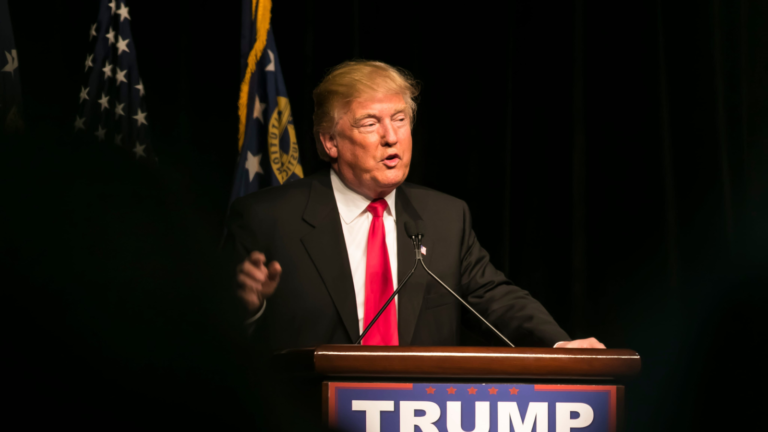
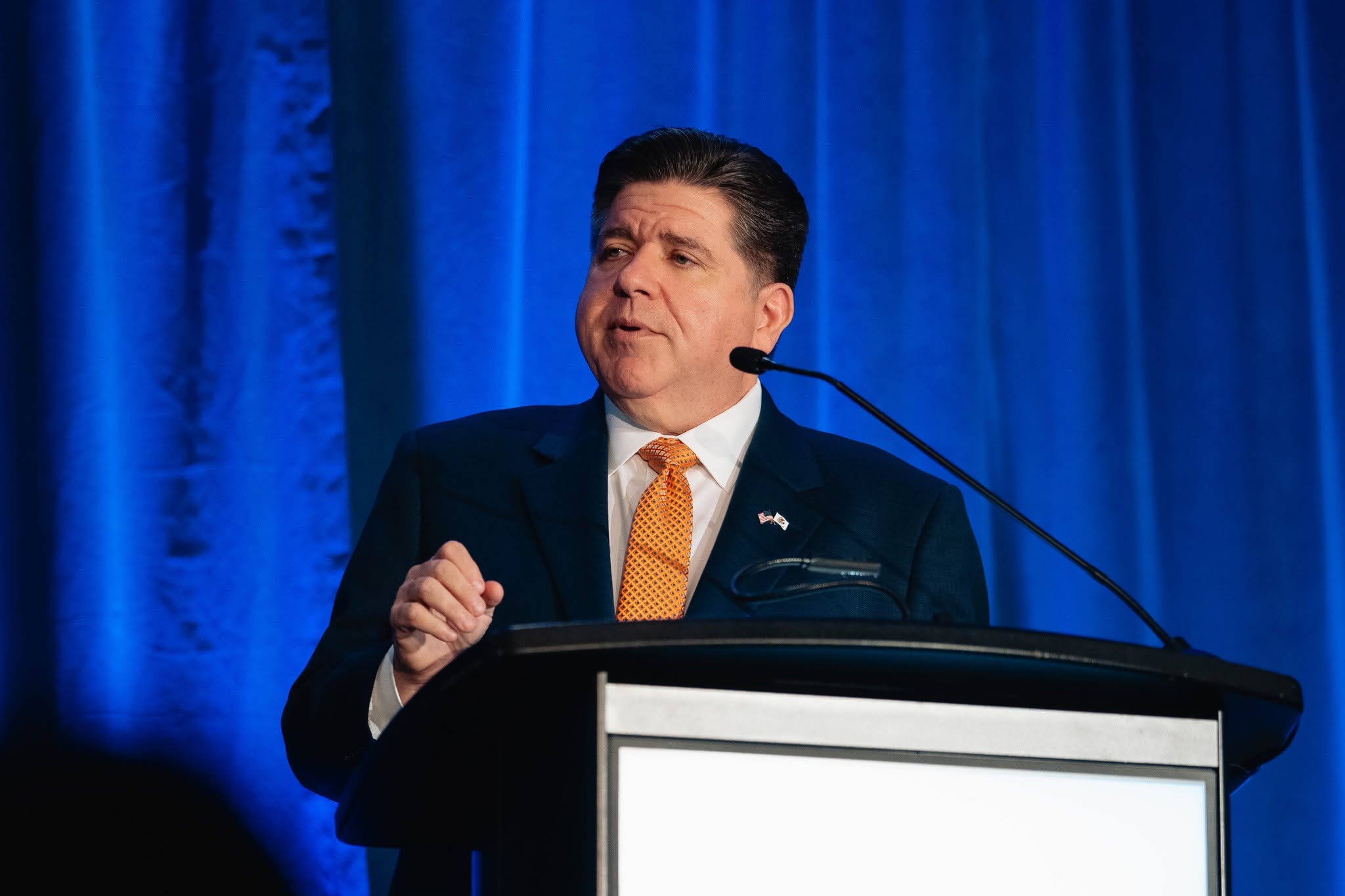
Illinois Gov. JB Pritzker delivered a blunt response to President Donald Trump’s latest election integrity offensive, arguing that America’s voting system is not the real problem. “There’s nothing wrong with our elections, but there is something wrong with Donald Trump,” Pritzker wrote after Trump’s Thursday night address.
The confrontation was bigger than another round of political name-calling. Trump used a nationally televised speech to revive his disputed claims about the 2020 election, promote tougher federal voting rules and present newly released intelligence documents as evidence that the country’s election system remains dangerously exposed.
Pritzker rejected that argument. In a lengthy response, the Democratic governor accused Trump of combining “misleading strands of intelligence” and presenting them as bombshell proof of an international conspiracy. Pritzker said the president was attempting to reopen old political wounds while building support for new voting restrictions before the 2026 midterm elections.
Trump’s 278,000 Figure Raises Difficult Questions
The biggest number in Trump’s address was approximately 278,000. Trump said a Department of Homeland Security investigation had identified that many noncitizens registered to vote in federal elections. He added that the real number was probably higher because some Democratic controlled states had refused to share their voter files.
The administration’s supporting document makes two related claims. It says reviews of public voter files in California, Pennsylvania, New Jersey, and Nevada found more than 250,000 alleged noncitizen registrations. It also says 25 states processed more than 68 million registration records through the enhanced Systematic Alien Verification for Entitlements system, commonly known as SAVE, identifying more than 28,000 alleged noncitizens.
However, the public document does not explain exactly how DHS produced those estimates. It does not describe the matching rules used, how outdated immigration records were handled or how officials separated current noncitizens from immigrants who later became naturalized Americans. DHS Secretary Markwayne Mullin also did not provide supporting evidence when discussing the figures publicly.
Election specialists have warned that matching large databases can produce false results. A person may appear as a noncitizen in an older immigration record even after becoming a citizen. Similar names, incorrect addresses, and incomplete birth dates can also cause legitimate voters to be flagged.
There is another crucial distinction. The administration’s documents allege that people were registered, but they do not prove that those individuals voted. Casting a federal ballot as a noncitizen is illegal, but appearing in a preliminary database match is not the same as committing a crime. The Associated Press reported that the data had not been independently verified and contained no allegation that the flagged people actually cast ballots.
Illinois Is Already Fighting Washington Over Voter Records
Illinois was not among the four states included in DHS’s public file review. However, it is deeply involved in the larger fight over how much voter information states must surrender to the federal government.
The Justice Department has sued Illinois and numerous other jurisdictions seeking complete, unredacted voter registration databases. Those records can include voters’ names, addresses, dates of birth, driver’s license numbers and partial Social Security numbers.
Illinois previously supplied a limited version of its voter file similar to the information available to candidates and political organizations. State officials resisted releasing the more sensitive identifiers, arguing that privacy laws restrict what they can provide.
That lawsuit explains why an Illinois State Board of Elections spokesperson declined to respond directly to Trump’s allegation. The spokesperson said the agency could not comment due to ongoing litigation over the Justice Department’s demand for the state’s full voter database.
The legal battle has drawn criticism from former Justice Department officials and voting rights organizations. Eighteen former DOJ attorneys filed a court brief arguing that the federal government lacks the authority to demand Illinois’ unredacted database. They warned that collecting birth dates, addresses, license information, and partial Social Security numbers could expose voters to identity theft.
Trump’s supporters view state resistance as an obstacle to transparency. Illinois officials and privacy advocates view the dispute as a question of federal power, cybersecurity and personal data protection.
Pritzker Says the Real Target Is the 2026 Election
Pritzker’s response went beyond challenging one statistic. He argued that Trump was using complaints about the 2020 election to shape the political battlefield ahead of the November 2026 midterms.
The governor accused Trump of promoting disputed election claims to help pass the SAVE America Act. Pritzker said the legislation’s citizenship documentation rules could create difficulties for eligible Americans without passports, people who changed their names and voters unable to locate birth records.
The documents released by the White House also did not establish that a foreign government changed votes in 2020. The Associated Press found that they described known security weaknesses, the foreign collection of voter information, and disagreements within intelligence agencies, but offered no evidence that China or any other country manipulated vote totals.
A White House adviser similarly acknowledged that the intelligence community had no evidence that a foreign power flipped votes in the 2020, 2022, or 2024 elections.
The 278,000 figure deserves careful and transparent examination. Yet that examination requires verified identities, updated citizenship records, duplicate checks, and a clear separation between voter registration and actual voting.
Until DHS releases its complete methodology and supporting evidence, the figure remains a disputed government allegation rather than proof that widespread illegal voting occurred. That distinction may not settle the political argument, but it remains essential to understanding the facts.