Cutting into a perfectly ripe avocado only to find the leftover half turning brown a few hours later can be frustrating. Whether you’re preparing avocado toast, homemade guacamole, or a fresh salad, keeping that bright green color isn’t always easy. Fortunately, a few simple kitchen tricks can slow browning and make leftovers more appealing.
Avocados turn brown because of a natural process called enzymatic browning. Once the flesh is exposed to oxygen, an enzyme called polyphenol oxidase contributes to reactions that gradually change its color. According to Harvard’s avocado storage guidance, this discoloration does not automatically mean the fruit has spoiled.
The good news is that you don’t need expensive storage gadgets to protect your leftover avocado. From citrus juice to ordinary kitchen containers, these six practical methods can help preserve its appearance until you’re ready to eat it.
Squeeze Lemon or Lime Juice Over the Cut Surface
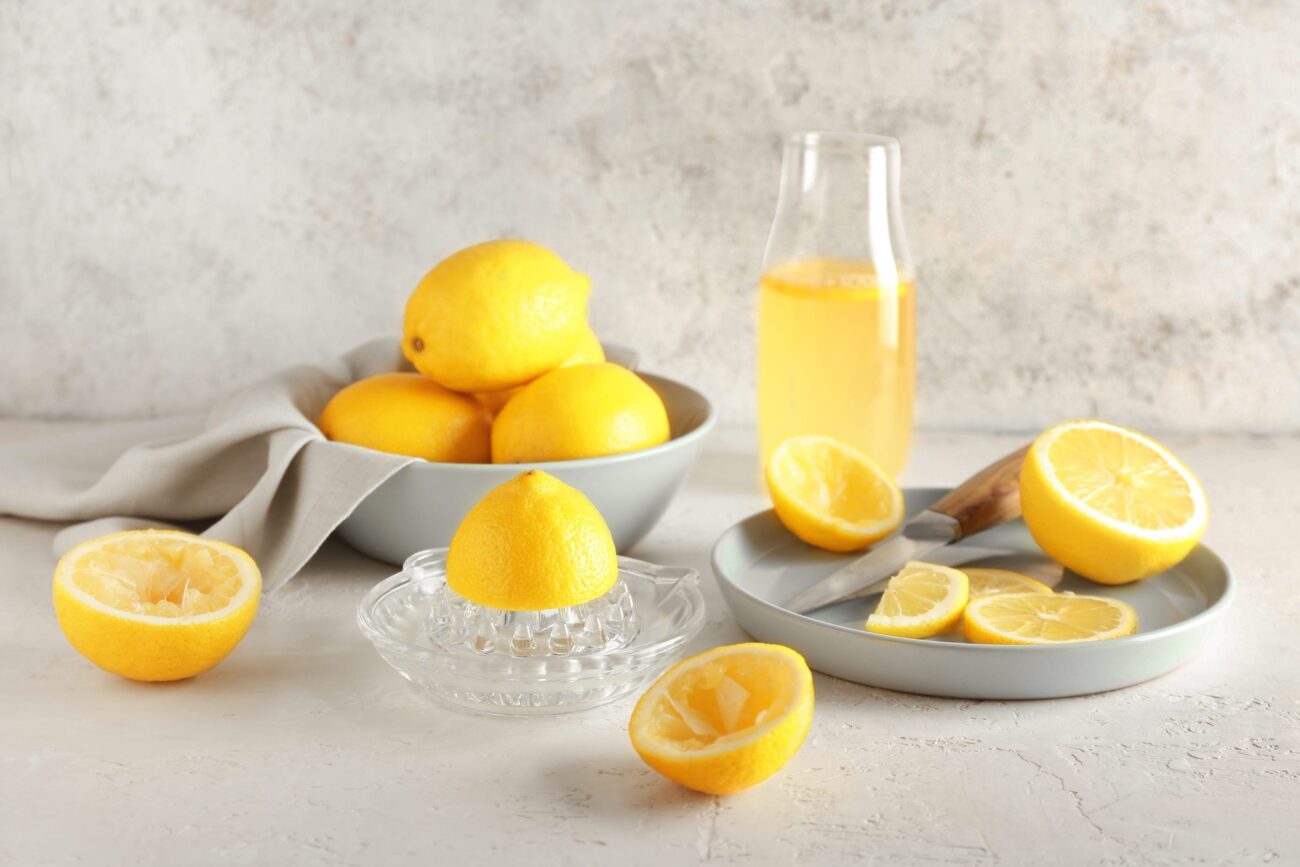
One of the easiest ways to slow avocado browning is to use something you probably already have in your refrigerator: a lemon or lime.
Both citrus fruits contain acids that help slow the chemical reactions responsible for browning. A small amount of juice spread over the exposed avocado flesh can keep it green longer than leaving it uncovered.
Iowa State University Extension recommends brushing or tossing cut avocado with lemon or lime juice before refrigerating it. This method works for avocado halves, slices, and cubes, making it especially practical for salads or sandwich toppings.
One thing to remember, though: Citrus juice can add a slightly tangy flavor, so use only what you need to coat the surface.
Press Plastic Wrap Directly Against the Flesh
Plastic wrap can be remarkably useful for storing avocados, but how you apply it matters.
Instead of loosely covering the fruit, press the wrap directly against the cut surface. Smooth out as many air pockets as possible, then wrap the remaining avocado securely before refrigerating.
The goal is to minimize oxygen exposure. Simply covering a plate with plastic wrap may leave enough trapped air for browning to continue.
This method works especially well for leftover guacamole. Press the wrap directly onto the dip’s surface rather than stretching it over the bowl.
A University of Otago food-storage study found that tightly applied cling wrap preserved the appearance of cut avocado halves particularly well. However, maintaining an attractive appearance does not mean avocado should be stored indefinitely.
Store It in an Airtight Container
An airtight container offers another convenient option, especially if you prefer to avoid using disposable plastic wrap.
Place your leftover avocado inside a clean container with a well-fitting lid. Choose one that fits the fruit closely to reduce the amount of air around it.
This technique limits additional air exchange and helps protect the avocado while refrigerated. It can also prevent other items in your refrigerator from accidentally crushing the cut fruit.
For better results, combine this method with a light coating of lemon or lime juice. The citrus helps slow browning, while the sealed container provides another barrier against air exposure.
Harvard’s Nutrition Source and university extension specialists recommend airtight containers for storing cut avocados.
Try Storing the Avocado With Sliced Onion
This trick may sound unusual, but sliced onion can help slow discoloration in cut avocado.
According to Harvard’s Nutrition Source, sulfur compounds in onions help preserve the avocado’s appearance. The method involves placing avocado halves and sliced onion together inside a sealed container.
Arrange a few onion slices at the bottom of the container, place the avocado inside, and secure the lid. Refrigerate everything until you’re ready to use the fruit.
The advantage is that you don’t necessarily need to spread anything directly across the avocado’s cut surface. However, the onion aroma may affect the fruit’s flavor, so this method works better for savory dishes than for recipes where a neutral avocado flavor is important.
It’s worth trying when you’re already planning to use onions in a salad, sandwich, or guacamole.
Related: 10 Reasons Why Millennials and Gen Z Blame Boomers for the Broken American Dream
Brush the Surface With a Little Olive Oil
If you don’t want the tangy taste of lemon juice, olive oil is another option.
A thin layer of oil can help form a barrier between the avocado’s exposed flesh and the surrounding air. This slows oxygen contact, though it won’t completely prevent natural browning.
According to Avocados From Mexico’s storage advice, coating the exposed surface with olive oil before wrapping the fruit can help protect it from discoloration.
For this method, lightly brush the cut flesh with olive oil, making sure the exposed area is evenly coated. Then cover the avocado securely and refrigerate it.
Remember, olive oil can slightly change the flavor and texture. It may work particularly well when the leftover avocado will be used in a savory sandwich, salad, or homemade spread.
The key is to apply a thin coating rather than soaking the fruit in oil.
Leave the Pit in the Unused Half
You’ve probably heard that leaving the pit inside an avocado prevents browning. This familiar kitchen advice has some truth, but it comes with an important limitation.
The pit protects only the flesh directly underneath it by keeping that portion from air exposure. It doesn’t stop the remaining exposed surface from changing color.
The University of Washington Medicine’s avocado guidance recommends leaving the pit in place when storing an avocado half.
For better protection, keep the pit in the unused half, apply a little citrus juice, and cover the exposed flesh tightly. Refrigerate the avocado rather than leaving it on the kitchen counter.
This method is especially convenient when you’ve used half an avocado for breakfast and want to save the other half for lunch the next day.
Just remember that the pit isn’t a substitute for proper wrapping and refrigeration.
How Long Can You Keep a Cut Avocado in the Refrigerator?
Even with the best storage tricks, cut avocados won’t remain fresh forever.
Iowa State University Extension advises that cut avocados generally last about one to two days in the refrigerator. Other guidance suggests two to three days under ideal conditions, though the fruit’s ripeness and how it was handled can affect its usable life.
For the best flavor and appearance, plan to use leftover avocado promptly. Keep it covered and refrigerated, and avoid leaving it at room temperature for extended periods.
Also, don’t confuse browning with spoilage. A slightly brown surface can indicate oxidation, and you may be able to remove that layer to reveal green flesh underneath.
However, discard avocado if it shows mold, an unpleasant odor, or signs of decay. A storage trick that slows discoloration cannot make spoiled food safe to eat.
Which Avocado Storage Method Works Best?
For everyday convenience, combine lemon or lime juice with a tight covering and refrigerate.
If you don’t want to add citrus flavor, tightly applied plastic wrap or an airtight container may be better. Other options include olive oil and sliced onions, depending on how you plan to use the leftover avocado.
Ultimately, no method completely stops enzymatic browning. The best strategy is to reduce air exposure, refrigerate the cut fruit promptly, and use it while it’s still good.
Next time you have half an avocado left over, you don’t need to throw it away just because you’re worried about a little browning. A few extra seconds of prep can keep it looking appetizing for your next meal.