In 1987, KFC sold a sandwich called the Chicken Little for 39 cents: a tiny, oddly specific price for a tiny sandwich built around a simple idea: a small portion of fried chicken, a bun, and a fast, affordable bite.
Today, the Chicken Little is remembered less as a menu staple and more as a reminder of how quickly everyday foods can fade from memory. The sandwiches people once grabbed at lunch counters, neighborhood shops, and fast-food windows often disappeared quietly, replaced by newer flavors, changing budgets, and different expectations about what a meal should be.
American sandwich culture was once far stranger and more resourceful than today’s familiar turkey-and-cheese rotation suggests.
Home cooks stretched pantry staples through difficult periods, immigrant delis built entire menus around overlooked cuts of meat, and restaurants experimented with combinations that sounded unusual before becoming forgotten. Some sandwiches vanished because ingredients became less common. Others disappeared because eating habits changed.
The sandwiches below may no longer dominate menus, but each one captures a moment when it made perfect sense.
Sardine Sandwich
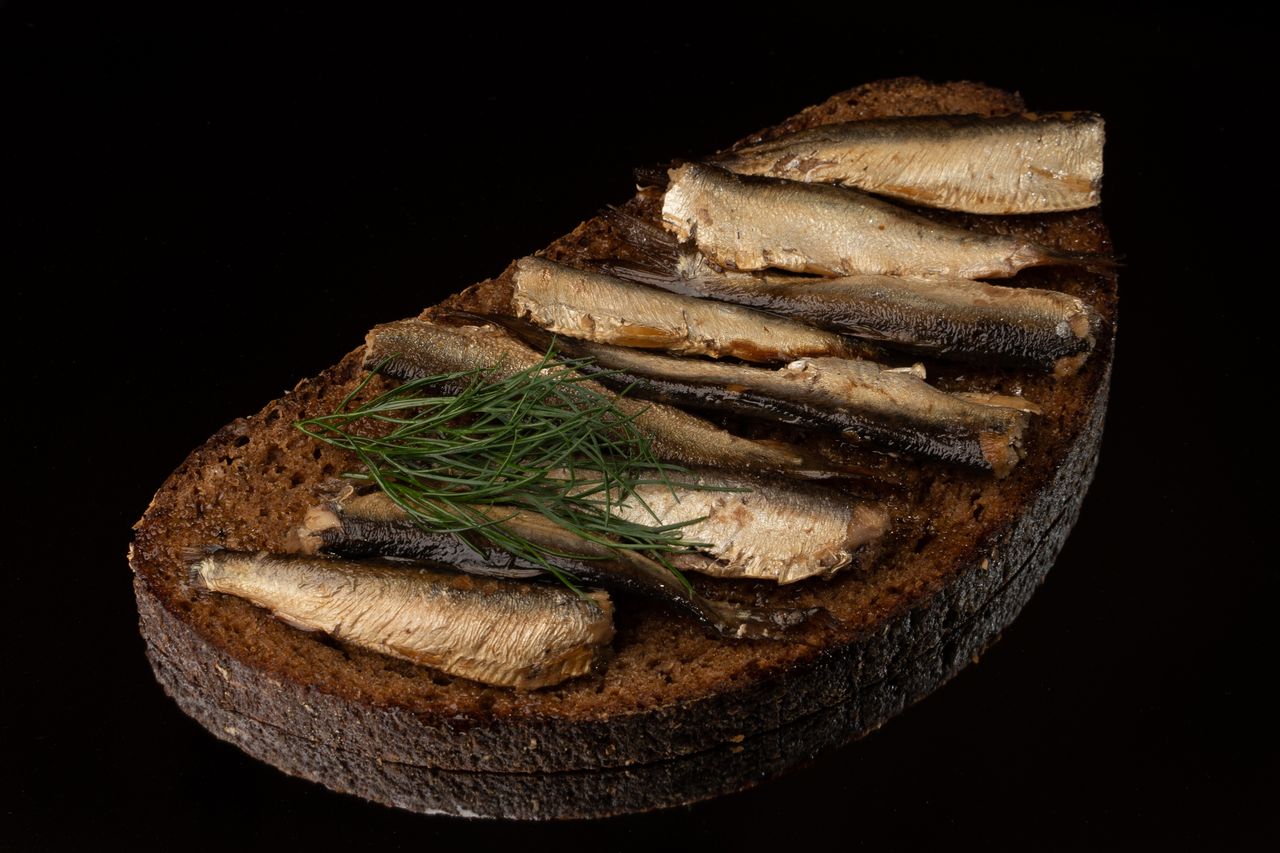
For much of the twentieth century, sardines were a pantry fixture, and home cooks folded chopped sardines into raisin bread or paired them with peanuts and crisp onions between slices.
The math changed once commercial tuna fleets scaled up production during the 1950s. Tuna carried a milder taste and cost less at the register, pulling shoppers toward canned tuna as it became a supermarket staple.
The sardine sandwich survives today mainly in old-school Jewish delis and intentionally retro soda fountains, kept alive by nostalgia rather than everyday demand.
Banana-Mayo Sandwich
Produce grew scarce once the Great Depression set in, but bananas stayed inexpensive and widely available, needing no stove and no icebox to keep fresh.
Spread with mayonnaise on white bread, the combination fed schoolchildren through the leanest years of the 1930s. Unlike most Depression-era improvisations, this sandwich did not fade once conditions improved.
It lasted into the 1960s, only losing ground once more affordable competing ingredients widened what a lunchbox sandwich could taste like.
The Cheese Dream
Before today’s grilled cheese had a settled name, lunch counters served something called the Cheese Dream, an open-faced sandwich broiled until the cheese browned and bubbled over the bread.
The dish gained popularity in the early twentieth century and became a Depression- and World War Two-era mainstay, later appearing at lunch counters and tearooms across the South. The name did not survive contact with mid-century slang.
By the middle of the century, Americans had settled on grilled cheese instead, and the Cheese Dream label faded out of use along with the sandwich itself.
A 1909 Cookbook Sandwich
The olive and cream cheese sandwich traces to a specific text, The Up-To-Date Sandwich Book, a 400-recipe guide to sandwich making published in 1909 by home economist Eva Greene Fuller.
Sandwich historian Barry Enderwick, who has recreated more than a thousand recipes from period cookbooks including Fuller’s, counts the olive and cream cheese combination among the era’s simplest and most enduring creations.
The sandwich thrived at bridge clubs and ladies’ luncheons for decades, but it depended on a style of formal home entertaining that itself grew rare, taking much of the sandwich’s regular audience with it.
Beef Tongue Sandwich
Beef tongue built its American following inside Jewish delicatessens, where butchers sliced it thin for rye bread with mustard and pickles, prizing a cut that turned out tender despite its origins.
Ted Merwin, author of Pastrami on Rye: An Overstuffed History of the Jewish Deli, has documented the scale of what happened to those delis: New York City had more than 1,500 in the 1930s, and roughly 20 remain today.
As the delis closed, so did most of the counters still willing to slice tongue to order, narrowing the sandwich from an everyday item into a specialty dish found mainly at survivors like Katz’s.
Chopped Liver Sandwich
Chopped liver sandwiches built a loyal deli following across generations before slipping into decline alongside other organ-meat dishes, surviving today mostly as an appetizer rather than a lunch order. Consumer research points to a broader shift behind that retreat.
66% of consumers view ultra-processed foods as unsafe to eat, with 44% specifically flagging processed and deli meats.
Deli meat category sales fell 4.3% over the 52 weeks ending October 6, 2024, a decline that lines up with chopped liver’s retreat from mainstream counters.
Pineapple Sandwich
In 1962, Cincinnati franchisee Lou Groen pitched McDonald’s founder Ray Kroc on a breaded fish sandwich for Catholic customers who avoided meat on Fridays, an idea Kroc initially waved off.
Kroc preferred an idea of his own, a grilled pineapple and cheese combination called the Hula Burger, and settled the dispute with a single-day sales test at Groen’s restaurant.
Customers chose the fish sandwich by a wide margin, buying roughly 350 orders against six for the Hula Burger, and McDonald’s own corporate history now credits that Friday with putting the Filet-O-Fish on the permanent menu by 1965. The Hula Burger never returned.