When it comes to feeding our babies, we strive to provide them with the best nutrition possible. Baby food manufacturers promise to deliver pure, wholesome meals packed with essential vitamins and minerals.
However, not all ingredients in commercial baby food are as harmless as they seem. While some of these ingredients are necessary for preservation or texture, others have raised concerns due to their potential impact on a baby’s health. In this article, we will explore five common yet harmful ingredients that may lurk in your baby’s food and the reasons why you should be aware of them.
Added Sugars and Sweeteners
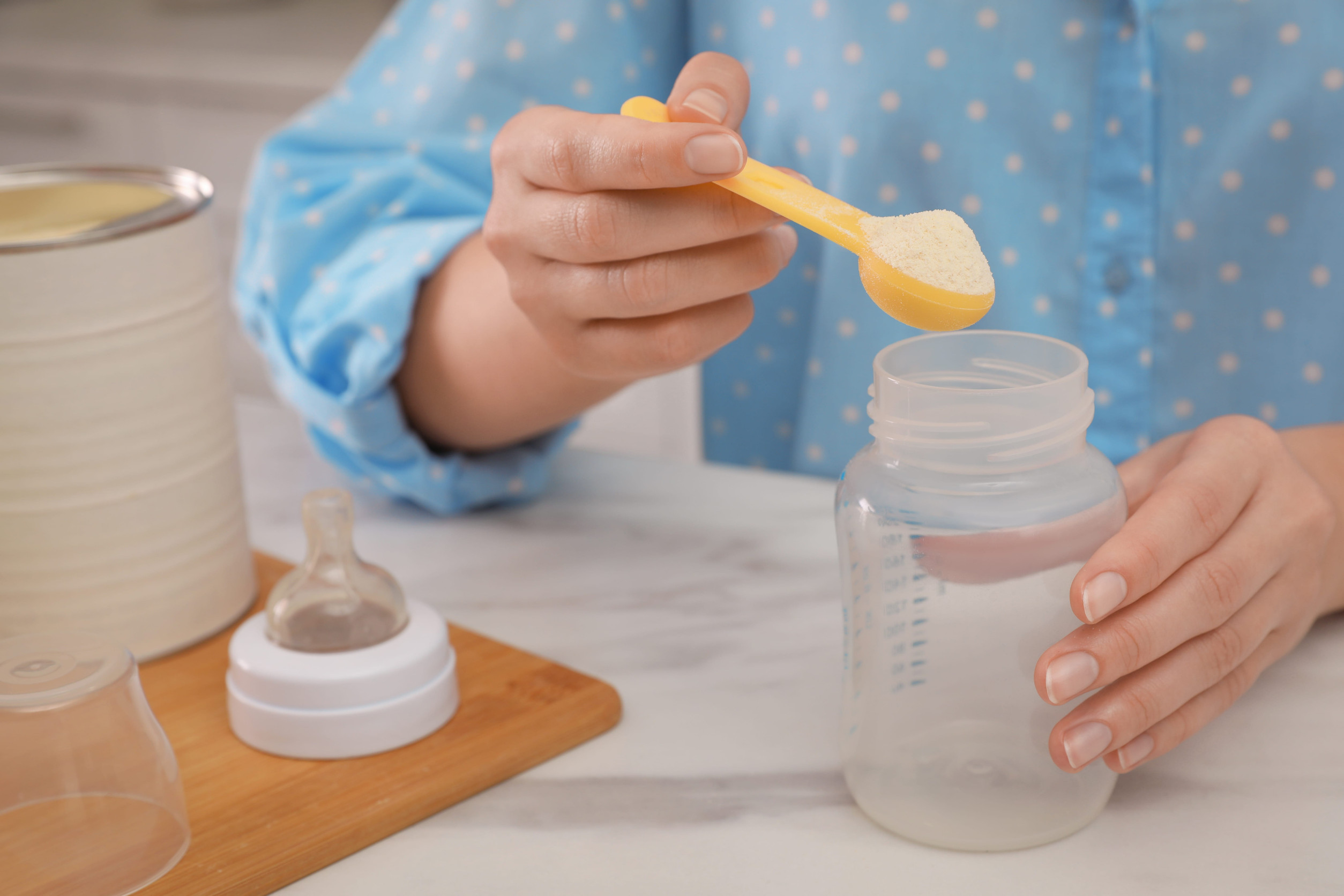
One of the most concerning ingredients in many baby food products is added sugars. You may think baby food is meant to be pure, yet many popular brands contain added sugars such as high-fructose corn syrup, cane sugar, or fruit concentrates. The American Heart Association (AHA) recommends that children under the age of two avoid added sugars entirely, as these can contribute to obesity, diabetes, and dental cavities.
The sweet taste of sugar can also interfere with a baby’s developing palate, leading to a preference for overly sweet foods later in life. Additionally, overconsumption of sugar in infancy can increase the risk of metabolic diseases. Opting for organic or no-sugar-added baby food can be a healthier choice to ensure your child’s early food preferences are not negatively influenced by unnecessary sweetness.
Preservatives and Artificial Colors
Preservatives are often used in baby food to extend shelf life and maintain the food’s color and texture. While preservatives like sodium benzoate or potassium sorbate might not seem harmful at first glance, they have been linked to allergic reactions, hyperactivity, and gastrointestinal disturbances in some infants. In particular, the use of artificial colors (such as Red 40 and Yellow 5) has been associated with behavioral issues in children, including attention deficit hyperactivity disorder (ADHD).
These artificial additives may also contain harmful chemicals that can accumulate in the body over time, potentially causing long-term health effects. To minimize risk, parents can opt for baby food brands that use natural ingredients or prioritize organic produce over artificial preservatives and colors.
Non-Organic Ingredients
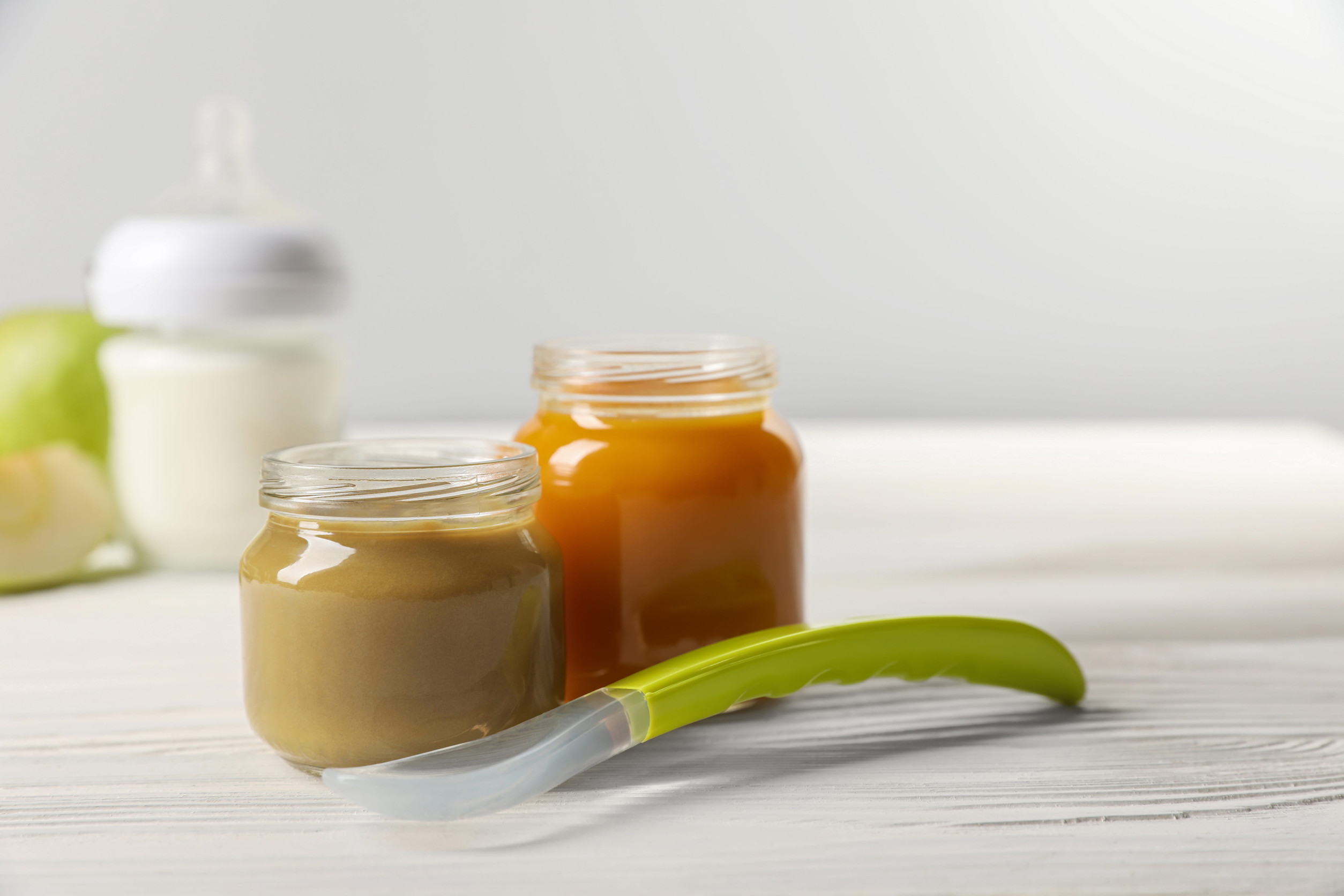
Non-organic baby food can contain traces of pesticides, herbicides, and other harmful chemicals. These substances are commonly used in conventional farming to combat pests, but they can also leave residues on fruits, vegetables, and grains. While the levels of pesticide residues may fall within regulatory safety limits, studies have raised concerns about their cumulative effects, especially in infants who are more vulnerable to toxins.
Organic baby food, on the other hand, is grown without synthetic pesticides or fertilizers, making it a safer option. Many parents opt for organic baby food to reduce their babies’ exposure to these potentially harmful chemicals and support environmentally friendly farming practices. If organic options are not readily available, washing fruits and vegetables thoroughly before preparing homemade baby food can help reduce pesticide residues.
Monosodium Glutamate (MSG)
Monosodium glutamate, commonly known as MSG, is a flavor enhancer that is used in some commercially available baby foods to boost taste. While MSG is generally regarded as safe for adults, it has raised concerns in children, particularly infants who are more sensitive to the chemical. Research has shown that high doses of MSG can cause headaches, sweating, and feelings of nausea, and some studies suggest that it may be linked to developmental and neurological problems.
Though MSG is not as widely used in baby food as other additives, it is important to check labels carefully for its presence, particularly in savory flavored products like baby meats and snacks. Instead of using MSG-laden foods, introduce babies to homemade purees and meals with natural seasonings to ensure their safety and well-being.
Carrageenan
Carrageenan is a thickening agent derived from red seaweed that is often found in dairy alternatives, smoothies, and certain baby foods. It is used to create a creamy texture and improve consistency in baby food products. However, carrageenan has been shown to cause inflammation in the digestive tract, leading to potential issues like gastrointestinal distress, bloating, and even ulcers. Some studies have suggested a link between carrageenan and cancer, though further research is needed to fully understand the extent of the potential risk.
Although classified as a generally recognized as safe (GRAS) food additive by the U.S. Food and Drug Administration (FDA), carrageenan has been banned in some countries due to its harmful effects. To avoid this ingredient, parents can check labels carefully and select baby foods that do not contain carrageenan, particularly when purchasing liquids like infant formulas or milk-based baby foods.
Conclusion
While baby food manufacturers promise healthy, safe products, it’s important for parents to be aware of hidden ingredients that may not be as wholesome as advertised. Added sugars, preservatives, artificial colors, non-organic ingredients, MSG, and carrageenan are just a few examples of ingredients that may negatively impact your baby’s health.
By carefully reading labels, opting for organic and fresh options, and making homemade baby food when possible, parents can provide a healthier start for their little ones. Always remember, the food you choose for your baby now can shape their lifelong eating habits and overall well-being.