Pregnancy is a time of immense physical and emotional change, and what a woman eats can have significant effects on both her and her developing baby.
It’s crucial for expectant mothers to be cautious about the foods they consume, as some can pose risks to both their health and their baby’s. While some foods are universally recognized as off-limits during pregnancy, others may surprise you. Below are 13 of the worst foods pregnant women should avoid to ensure a healthy pregnancy.
Raw Seafood and Sushi
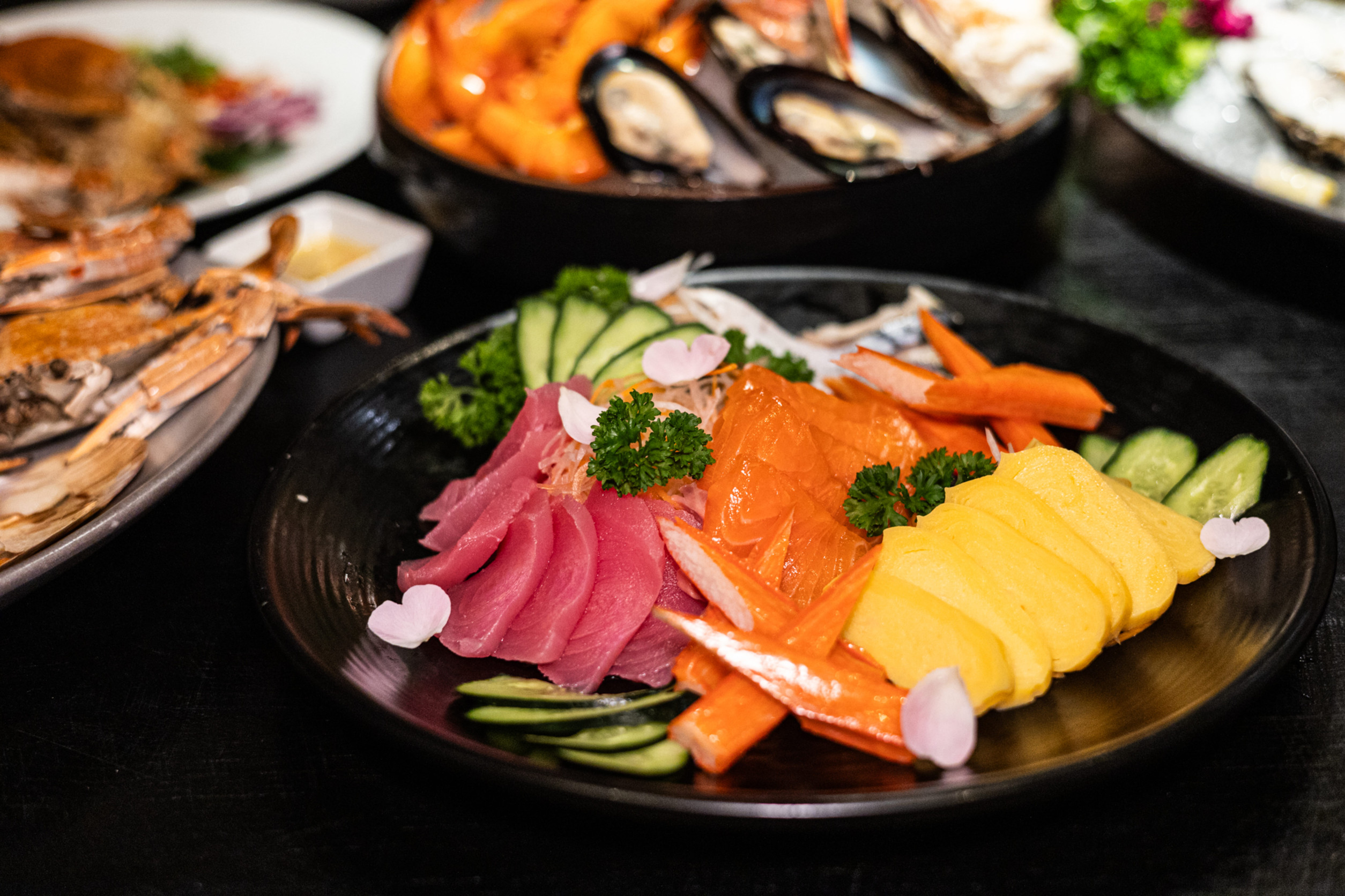
Raw seafood and sushi are among the top foods that pregnant women should avoid. These foods can harbor harmful bacteria and parasites, including Listeria and Toxoplasma, which can cause foodborne illnesses.
Consuming raw fish also increases the risk of mercury exposure, which can harm the baby’s developing nervous system. Pregnant women should opt for cooked seafood, such as grilled fish or shrimp, to reduce these risks.
Unpasteurized Dairy Products
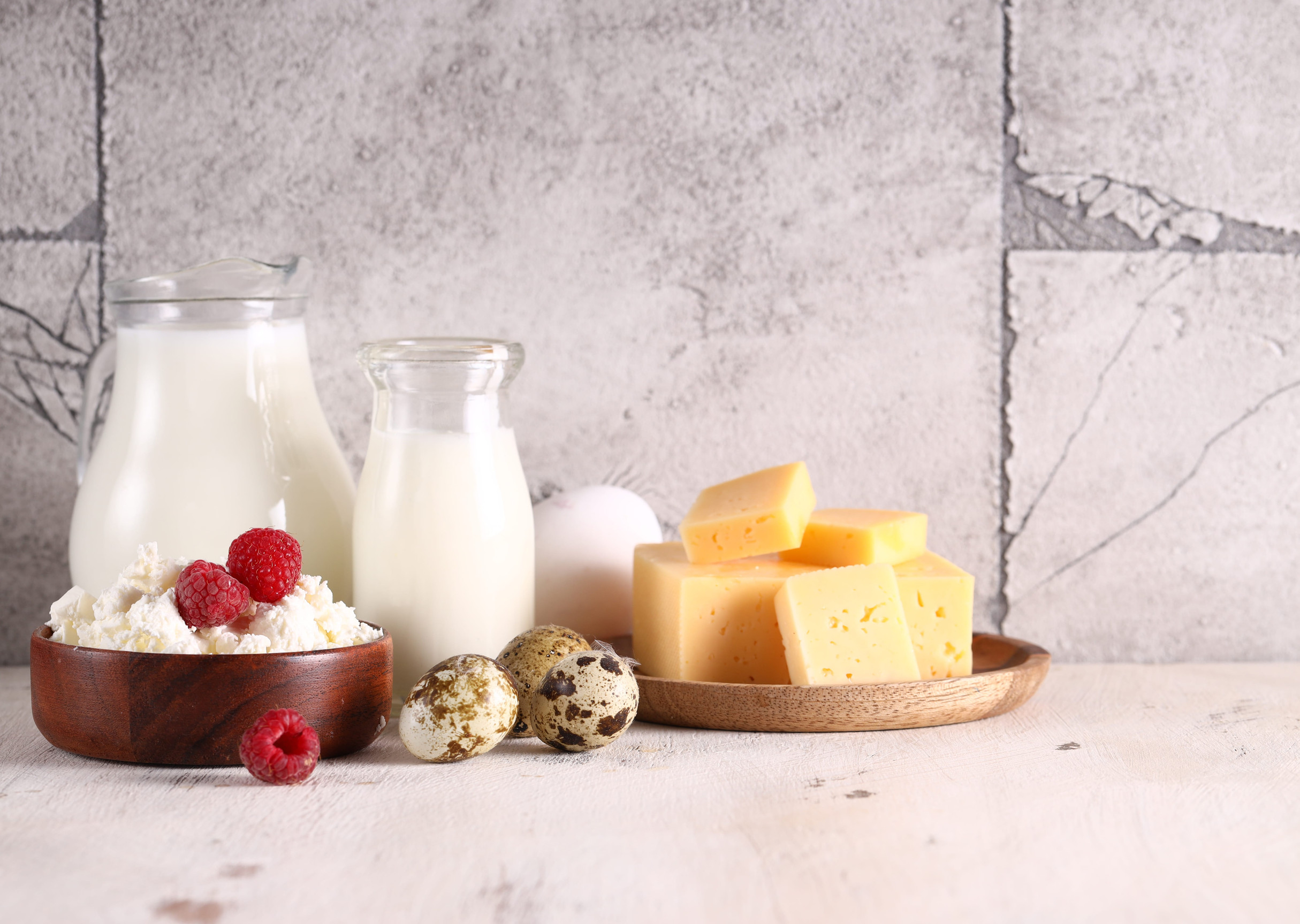
Unpasteurized dairy products, such as soft cheeses (brie, camembert, and blue cheese), can contain harmful bacteria, most notably Listeria.
Listeria infection during pregnancy can cause severe complications, including miscarriage, stillbirth, or serious illness in the newborn. To avoid this risk, pregnant women should choose pasteurized dairy products, ensuring they are properly treated to kill harmful bacteria.
Undercooked or Raw Meat
Meats that are undercooked or raw should be avoided during pregnancy, as they can harbor harmful pathogens such as Salmonella, E. coli, and toxoplasmosis.
These bacteria can cause severe food poisoning and infections, which are particularly dangerous during pregnancy. It is essential to cook meat thoroughly, ensuring that it reaches a safe internal temperature to eliminate any harmful pathogens.
Deli Meats and Cold Cuts
Delicatessens, including ham, turkey, and salami, are also considered risky during pregnancy. These meats can harbor Listeria bacteria, which can survive even in refrigerated environments.
Listeriosis can cause miscarriage, preterm birth, or severe health problems for the baby. Pregnant women should heat deli meats to steaming before eating to reduce the risk of bacterial contamination.
High-Mercury Fish
Certain types of fish contain high levels of mercury, which can be harmful to the developing nervous system of the baby.
Fish such as swordfish, king mackerel, and tilefish are particularly high in mercury and should be avoided. Instead, pregnant women should opt for low-mercury fish like salmon, sardines, or trout, which provide essential omega-3 fatty acids while minimizing the risks of mercury exposure.
Unwashed Fruits and Vegetables
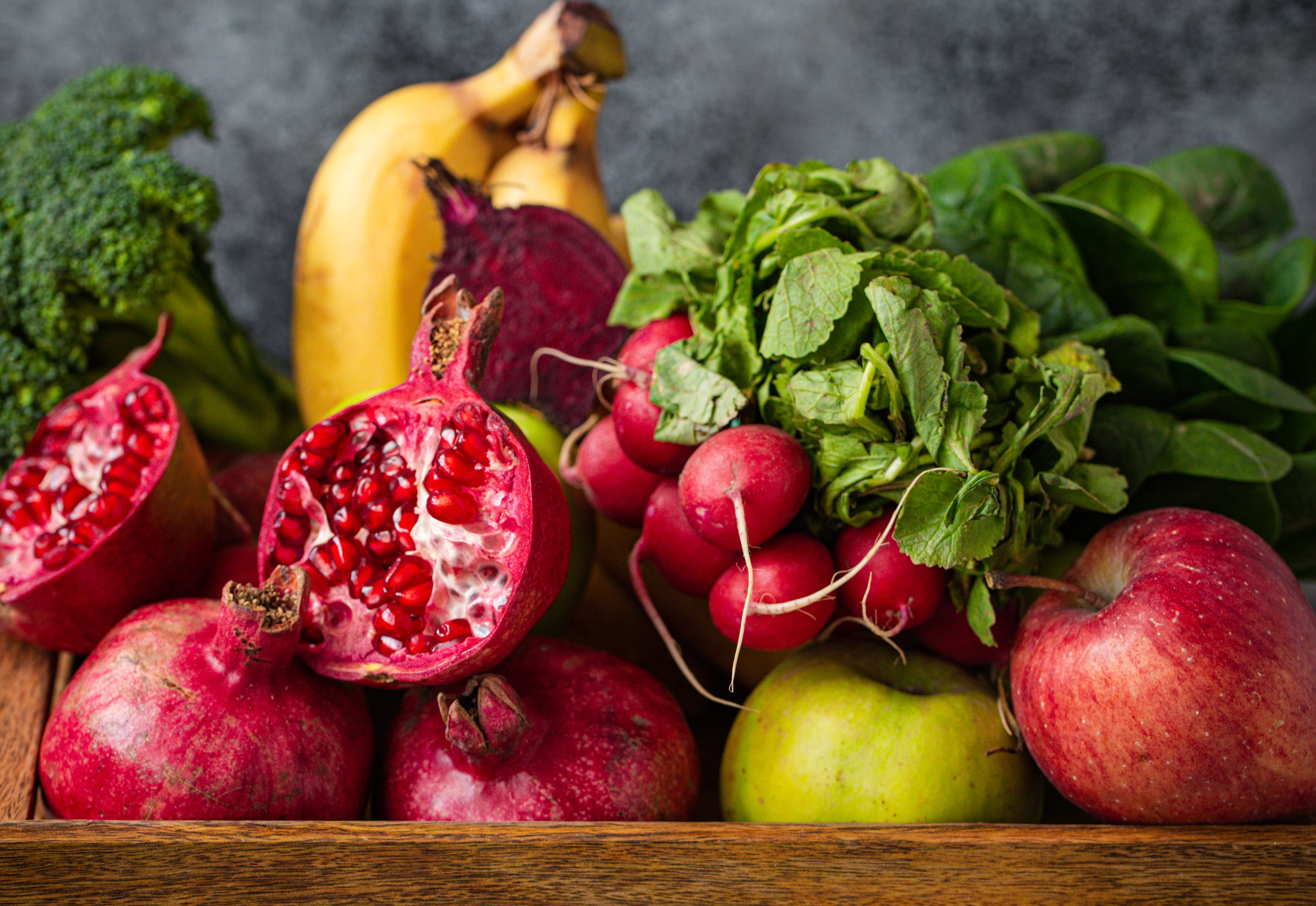
While fruits and vegetables are a vital part of a healthy pregnancy diet, they should always be thoroughly washed before consumption.
Unwashed produce can harbor harmful bacteria, pesticides, or toxoplasmosis, which can cause foodborne illnesses. Pregnant women should wash fruits and vegetables under running water to remove dirt and other contaminants.
Caffeine
Excessive caffeine intake during pregnancy has been linked to various complications, including low birth weight and preterm labor.
Caffeine is found in coffee, tea, soda, and even some chocolates, and it can cross the placenta, affecting the baby’s development. It’s recommended that pregnant women limit their caffeine intake to 200 milligrams per day, roughly equivalent to one 12-ounce cup of coffee.
Alcohol
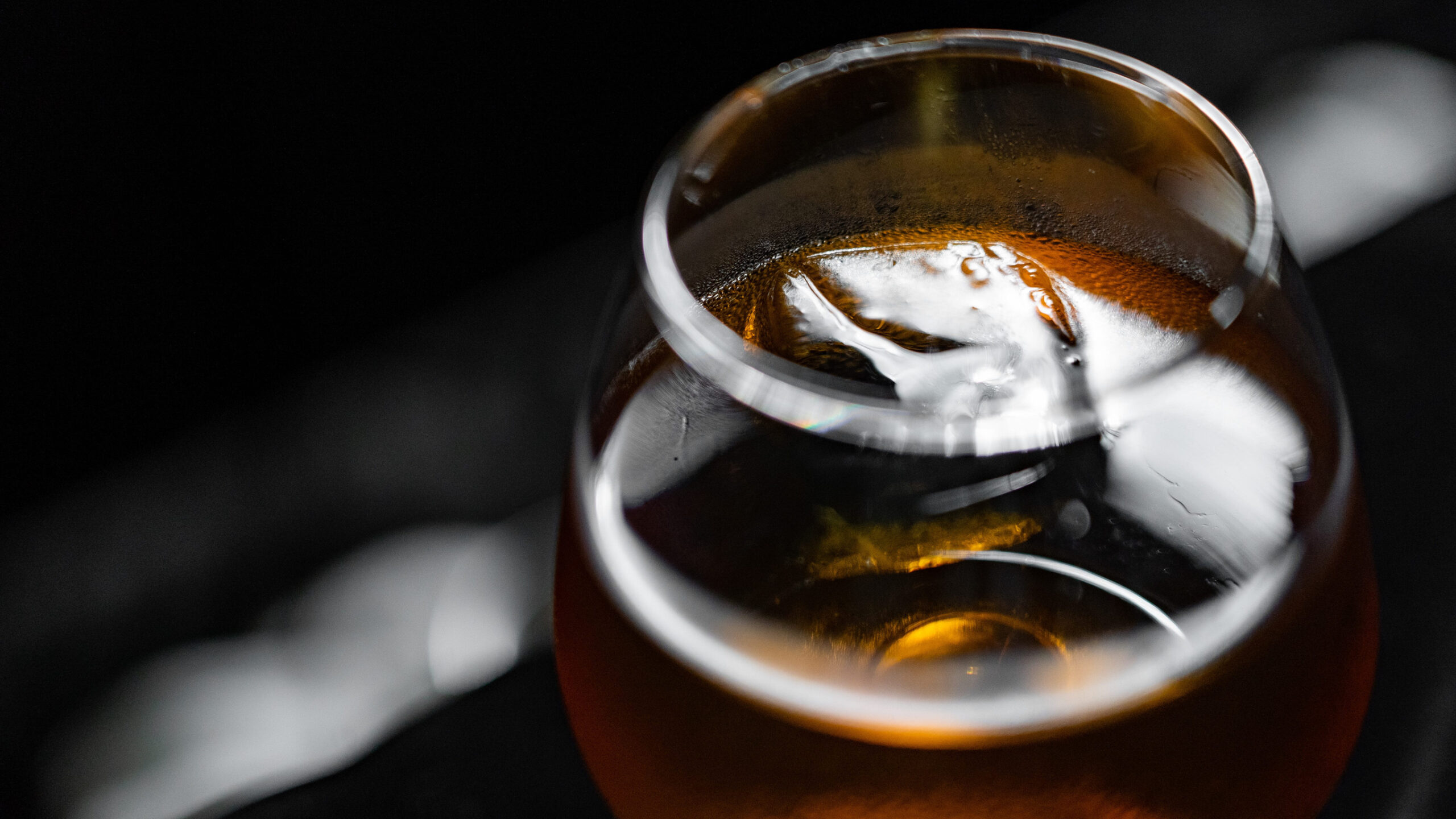
Alcohol consumption during pregnancy can lead to fetal alcohol syndrome (FAS), which is associated with developmental delays, learning disabilities, and physical abnormalities.
There is no safe amount of alcohol during pregnancy, and even small amounts can be harmful to the developing baby. Therefore, it is strongly advised that pregnant women avoid alcohol entirely.
Raw Eggs
Raw or undercooked eggs should be avoided during pregnancy due to the risk of Salmonella contamination. Raw eggs can be found in some homemade dressings, sauces, and desserts, such as mayonnaise and mousse.
Pregnant women should ensure that eggs are thoroughly cooked until both the white and yolk are firm to eliminate the risk of foodborne illness.
Unpasteurized Juices
Just as unpasteurized dairy products can carry harmful bacteria such as E. coli or Salmonella, unpasteurized juices can pose a threat to the health of both the mother and the baby.
Pregnant women should avoid fresh-squeezed juices that are not pasteurized and stick to pasteurized bottled juices to ensure safety.
Artificial Sweeteners
While consuming artificial sweeteners in moderation is generally safe, some, like aspartame, may pose risks to pregnant women, particularly those who suffer from conditions like phenylketonuria (PKU).
High levels of artificial sweeteners could have negative effects on the baby’s development, so it’s better to limit or avoid them altogether during pregnancy. Natural sweeteners like stevia can be used as safer alternatives.
Liver and Liver Products
Liver and liver products (like pâté) should be avoided during pregnancy due to their high vitamin A content. Excessive vitamin A intake can lead to birth defects, particularly when consumed in large amounts.
Pregnant women should avoid liver and its by-products to prevent consuming dangerous levels of vitamin A, which can interfere with fetal development.
Certain Herbal Teas
Many herbal teas are marketed as natural remedies for common ailments, but some may contain herbs that are unsafe during pregnancy.
Herbs like chamomile, peppermint, and raspberry leaf can cause uterine contractions, which may lead to premature labor or miscarriage. Pregnant women should be cautious with herbal teas and consult their healthcare provider before consuming them.
Conclusion
Maintaining a balanced diet during pregnancy is crucial for both the mother’s and the baby’s health. While most foods can be enjoyed in moderation, certain items should be avoided to reduce the risk of harmful complications.
By steering clear of raw seafood, unpasteurized products, undercooked meats, high-mercury fish, alcohol, and other potentially dangerous foods, pregnant women can ensure that their pregnancy remains as healthy as possible. Always consult with a healthcare provider before making significant changes to your diet or consuming new foods, as individual health needs may vary. Prioritize safety and make informed choices to foster a healthy pregnancy and a thriving future for both you and your baby.