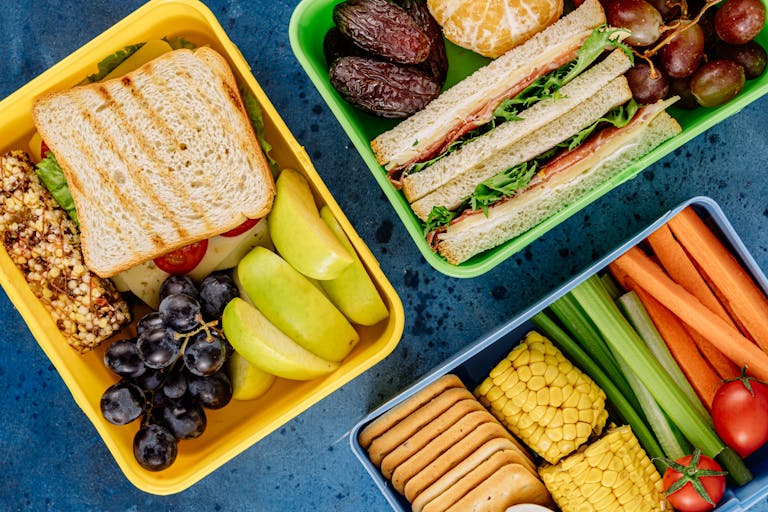
Going through an abortion is a highly personal experience that requires attention to both physical and emotional well-being. One crucial aspect of post-abortion care is proper nutrition, as the body undergoes a healing process that requires nourishment.
While many foods can support recovery, some should be avoided, as they can interfere with the healing process, increase discomfort, or worsen the body’s natural response. In this article, we’ll discuss the eight foods you should avoid after an abortion and explain why they can be detrimental to your health during this delicate period.
Caffeine-Rich Foods and Beverages

Caffeine is a stimulant found in coffee, tea, chocolate, and certain sodas. After an abortion, your body needs rest and recovery. Consuming excessive amounts of caffeine can increase heart rate, cause dehydration, and disrupt sleep patterns, which are all crucial components of healing. The body is already under stress, and adding caffeine can place unnecessary strain on your cardiovascular system, potentially delaying healing.
Furthermore, caffeine can also increase anxiety and restlessness. These side effects can exacerbate any emotional stress you may already be experiencing. Instead of caffeinated drinks, try drinking herbal teas that are soothing and hydrating. Opt for chamomile or ginger tea, both of which help reduce inflammation and aid in relaxation.
Spicy Foods
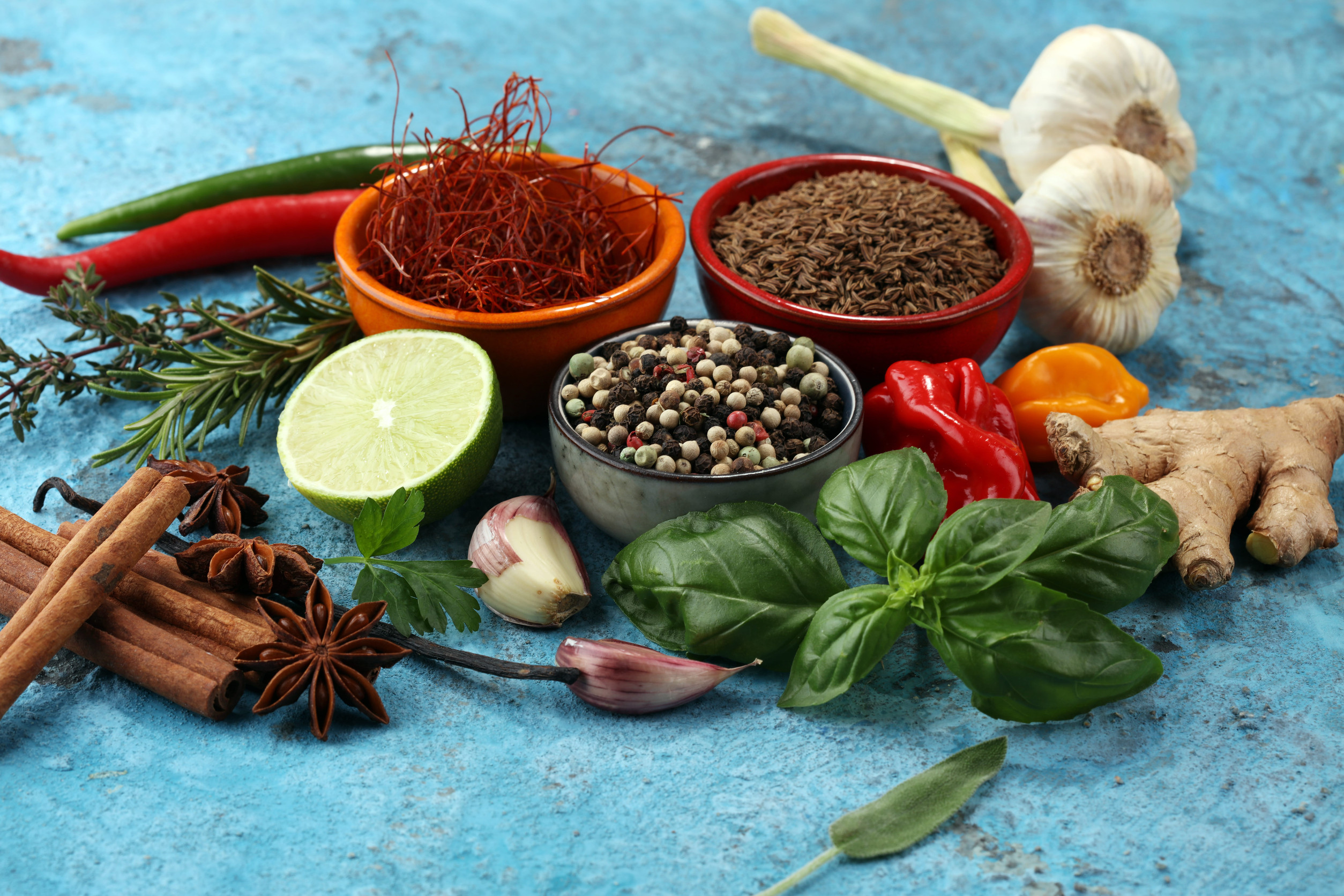
Spicy foods such as hot peppers, chili, and dishes rich in hot sauce can irritate the stomach lining. After an abortion, your digestive system is already going through its own recovery, and consuming spicy food may lead to gastrointestinal issues, including heartburn, indigestion, or bloating. These symptoms can be uncomfortable and add to the physical strain your body is already enduring.
Spicy foods can also trigger or worsen uterine cramping, which is common during the post-abortion recovery phase. It’s important to listen to your body and avoid foods that could increase discomfort. Stick to mild, easy-to-digest foods like plain rice, boiled vegetables, and soups, which are gentle on the stomach and aid in overall healing.
Processed and Junk Foods
Processed, fast, and junk foods are typically high in unhealthy fats, sugars, and sodium, all of which can contribute to inflammation and slow healing. After an abortion, your body needs nutrient-dense foods to restore energy, replenish lost vitamins, and strengthen the immune system. Relying on junk food can deprive your body of the vitamins and minerals it needs, leading to slower recovery and increased risk of infections.
These foods can also interfere with your digestion, leading to bloating and sluggishness, which are already common symptoms during recovery. Stick to whole foods like fresh fruits, vegetables, lean proteins, and whole grains to nourish your body.
Alcohol

Alcohol should be avoided after an abortion for several reasons. First, alcohol can impair the immune system, making it harder for your body to fight off infections. Your body is vulnerable during this time, and introducing alcohol can increase the likelihood of complications. Additionally, alcohol can interfere with medications you may be taking, including pain relievers or antibiotics, reducing their effectiveness.
Furthermore, alcohol can negatively affect your mood, and if you’re already struggling with emotional recovery, it’s best to avoid it. It can lead to depression, anxiety, and stress, which may impede your emotional healing. Instead of alcohol, hydrate with plenty of water, coconut water, or fresh fruit juices to keep your body replenished and your mood stable.
Red Meat
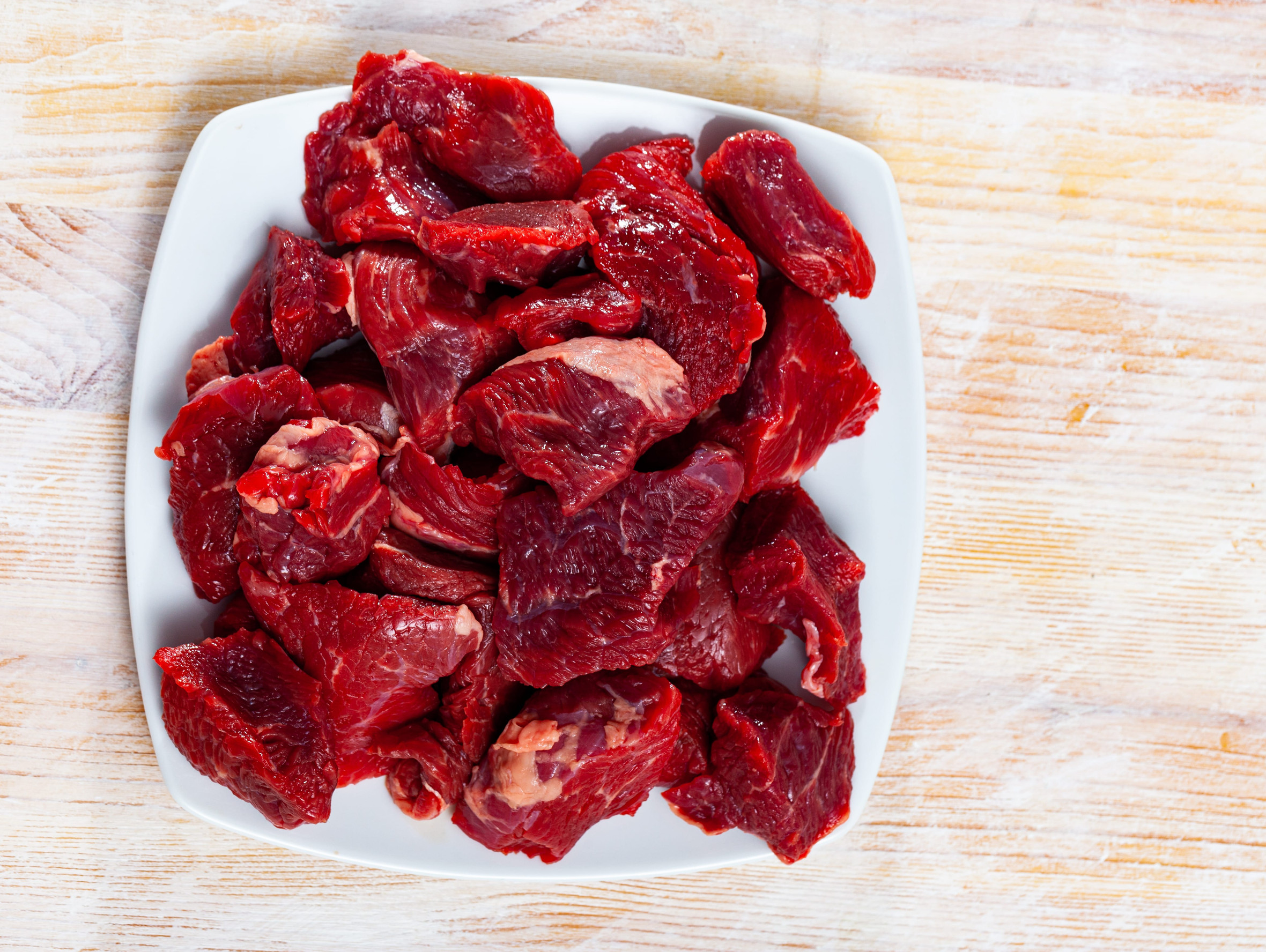
While red meat is a good source of protein, it is also heavy and difficult for your body to digest, especially during post-abortion recovery. Consuming large portions of red meat can put additional strain on your digestive system, making it work harder than necessary when it should be focusing on healing. Moreover, red meat is often high in fat, which can promote inflammation.
Instead of red meat, opt for leaner sources of protein such as chicken, turkey, fish, or plant-based proteins like beans, lentils, and tofu. These alternatives are easier on your digestive system and can help replenish the body’s protein needs without burdening it.
High-Sodium Foods
High-sodium foods such as chips, canned soups, processed meats, and fast food can lead to fluid retention and bloating. After an abortion, your body needs to stay properly hydrated and balanced. Consuming too much salt can disrupt this balance and exacerbate swelling, which may already be a concern. Additionally, excessive sodium intake can raise blood pressure, which your body should avoid during the recovery period.
To maintain healthy fluid balance, reduce your intake of high-sodium foods and focus on potassium-rich foods such as bananas, avocados, and sweet potatoes. These will help regulate fluid levels in the body and support your recovery.
Sugary Foods
Sugar-laden foods like pastries, cakes, candies, and sugary drinks should be avoided after an abortion. Excessive sugar intake can spike blood sugar levels and promote inflammation, thereby impeding the healing process. High sugar intake also weakens the immune system, making it more difficult for your body to recover from the physical stresses of an abortion.
Rather than turning to sugary treats, opt for fruits like berries, apples, or pears, which offer natural sugars along with essential nutrients. These fruits will satisfy your sweet tooth while providing your body with much-needed vitamins and antioxidants to help heal and restore.
Dairy Products
Dairy products, especially full-fat ones, can sometimes cause digestive discomfort, including bloating, gas, and constipation. After an abortion, your digestive system might be more sensitive than usual, and dairy could aggravate these issues. Additionally, certain dairy products can contribute to inflammation, which may slow the body’s recovery.
If you’re craving dairy, opt for lighter options such as yogurt with probiotics, which can help promote gut health. Alternatively, consider plant-based milks like almond or oat milk, which are easier on the digestive system and lower in fat.
Conclusion
Post-abortion recovery is a critical time for both physical and emotional healing. Nutrition plays a vital role in supporting the body’s recovery, and avoiding certain foods can significantly affect how well you heal. By steering clear of caffeine, spicy foods, processed junk foods, alcohol, red meat, high-sodium foods, sugary treats, and dairy, you’re giving your body the best chance to recover more quickly and efficiently.
Instead, focus on eating wholesome, nutrient-dense foods that nourish and support your body, such as lean proteins, fruits, vegetables, whole grains, and healthy fats. These foods will not only help you recover physically but also support emotional stability during this time of change. Always listen to your body, and if you have specific dietary needs or concerns, consider consulting with a healthcare provider or nutritionist to ensure you are making the best choices for your recovery.