A hot shower can feel like one small luxury after a long day. However, for older adults, that same routine can quietly take a toll on the body. Skin gets thinner with age. Balance can change, too. Therefore, bathing becomes less about habit and more about strategy.
Many families do not talk about this until something goes wrong. A parent starts itching all night, avoids bathing, or nearly slips on wet tile. The real question is not about being clean. Instead, it is about staying clean without making aging skin, joints, and confidence pay the price.
Daily Showers Can Be Too Harsh

Many Americans grew up treating a daily shower as a basic part of adulthood. However, older skin often reacts differently to constant washing. Dermatologists recommend gentler routines for older adults, including using moisturizer soon after bathing as part of skin care after sixty.
This shift can feel uncomfortable at first. Still, it can help reduce dryness, itching, and irritation. For many older adults, a full shower every day may become more of a punishment than a source of care.
Hot Water Can Steal Moisture Fast
Hot water feels comforting, especially during cold mornings or stiff-joint days. However, it can strip natural oils from the skin. Because of that, warm water usually works better than steaming water.
That matters because dry skin can crack, sting, and itch. Then, scratching can create small breaks in fragile skin. Over time, one soothing habit can turn into a cycle of discomfort.
The Whole Body Does Not Need Heavy Scrubbing
Older adults do not need to soap every inch as they roll through a construction site. Instead, the focus should stay on areas that collect sweat and odor. The underarms, groin, feet, face, and hands need the most attention.
This approach keeps hygiene practical. It also protects areas that dry out quickly, like the arms and legs. A gentle washcloth routine can fill the gap between full showers.
Strong Soap Can Make Skin Feel Worse
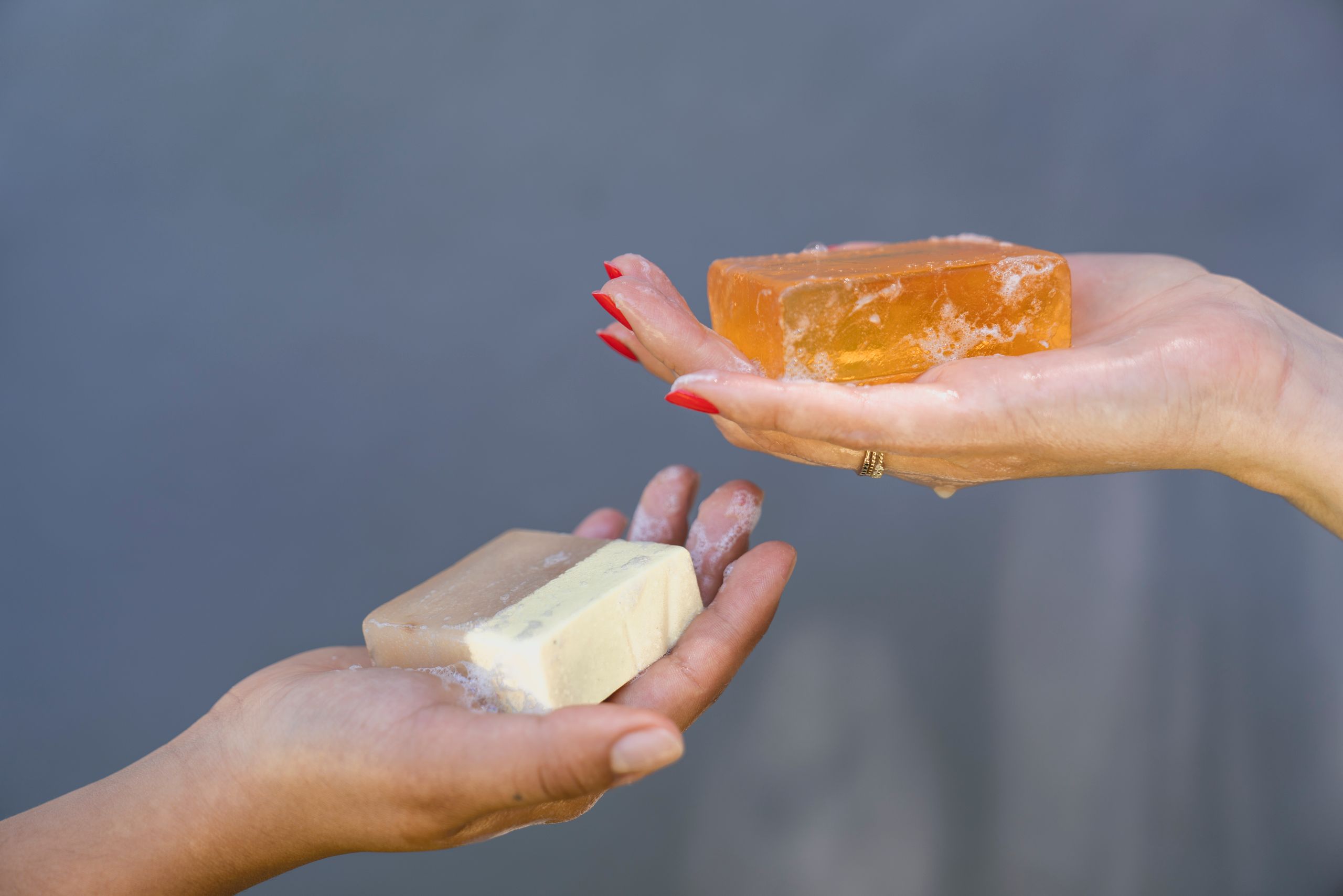
That squeaky-clean feeling is not always a victory. In many cases, it means the skin barrier has just lost moisture. Fragrance-free cleansers often make more sense for older, sensitive skin.
Perfumed soaps may smell fresh, but they can irritate skin that already feels dry. Therefore, the better choice is usually boring, mild, and gentle. Aging skin does not need a product that fights back.
Moisturizer Should Not Be Optional
Many people treat moisturizer like a beauty product. However, for aging skin, it works more like basic maintenance. The best time to apply it is soon after bathing, before the skin fully dries.
A thick cream often helps more than a thin lotion. Also, elbows, knees, legs, and feet may need extra attention. Small daily care can prevent bigger skin problems later.
Bathroom Safety Matters as Much as Cleanliness
A shower is not just a hygiene routine. It is also one of the riskier rooms in the house. Falls remain the leading cause of injury among adults 65 and older, with over 14 million older adults reporting falls each year.
Wet floors, low lighting, and rushing increase the risk. Grab bars, non-slip mats, and shower chairs can protect independence. For many seniors, safer bathing means they can keep doing it alone longer.
Caregivers Should Protect Dignity

Bathing help can feel deeply personal. Even a loving adult child can make a parent feel embarrassed without meaning to. Therefore, privacy and choice matter as much as soap and towels.
Caregivers can ask simple questions. Morning or evening? Shower or sponge bath? Favorite towel or robe? Those small choices help older adults feel seen, not managed.
A Changing Shower Routine Can Signal Bigger Issues
A senior who suddenly avoids bathing may not be stubborn. Pain, fear of falling, depression, memory changes, or embarrassment may sit behind the refusal. Simple changes such as non-slip mats, bath chairs, and dry floors can support bathroom safety for adults.
Families should look beyond the schedule. Is the tub hard to enter? Is the water too hot? Is the room too cold? Sometimes, the real issue is not hygiene at all, so what is the shower routine quietly trying to tell you?