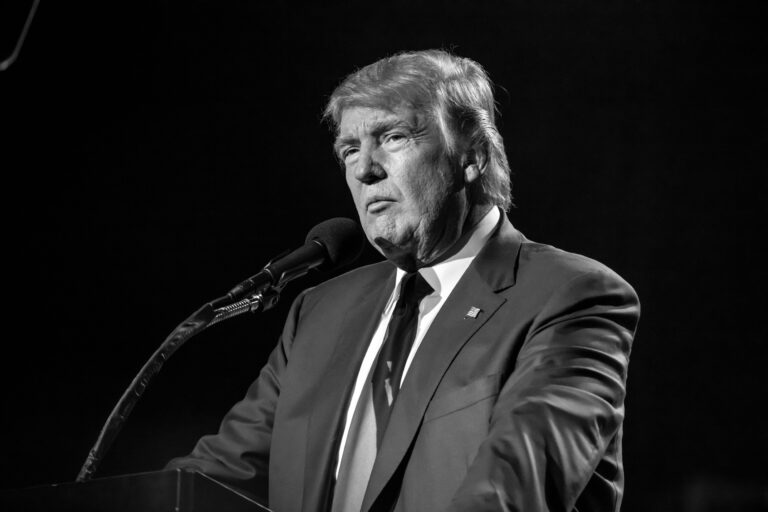
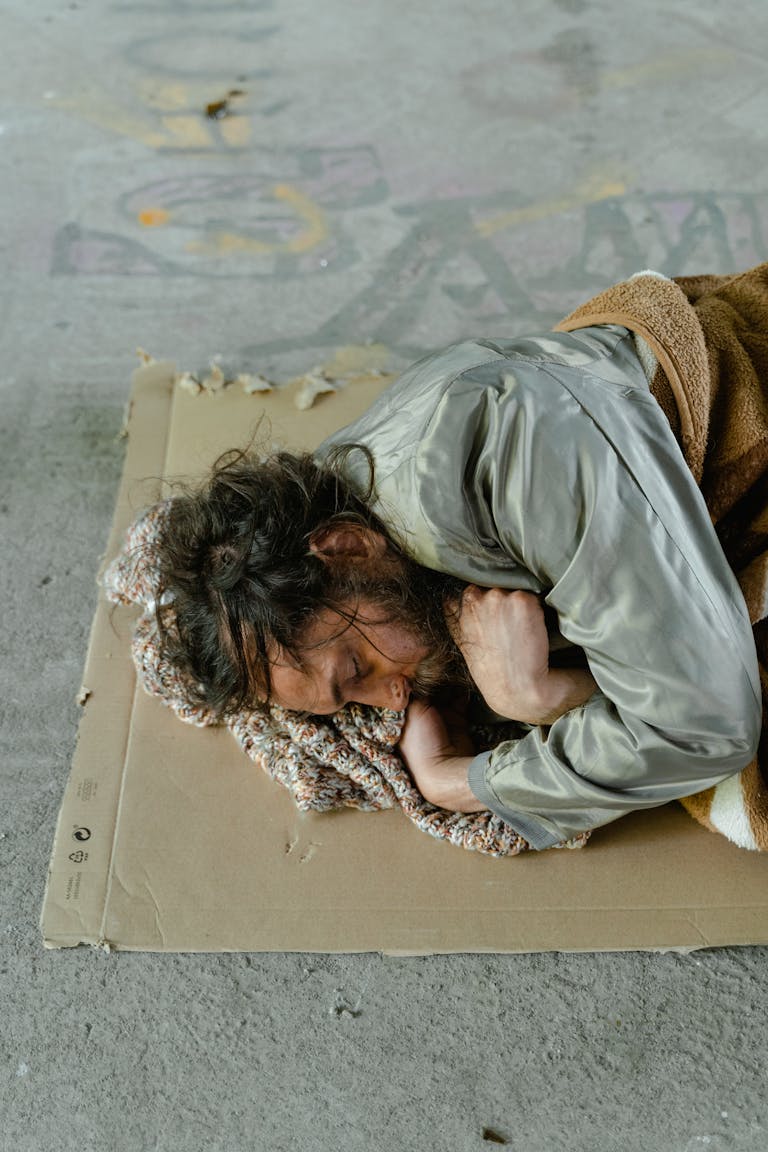
War can make normal life feel painfully small. A family watching the news from a quiet living room may see smoke, sirens, rubble, missing children, captured troops, and entire streets turned into memory.
It is easy to assume that once war begins, rules no longer matter. The fear is real, the anger is real, and the pressure on soldiers can become almost impossible for civilians to imagine.
But war is not supposed to be a free pass for cruelty. Even in the worst fighting, soldiers are still bound by laws meant to protect civilians, prisoners, the wounded, and even enemies who can no longer fight.
That is what makes these rules so serious. Breaking them can destroy lives, stain a military mission, and follow a soldier long after the battlefield goes quiet.
Refusing an illegal order can become a soldier’s hardest test.
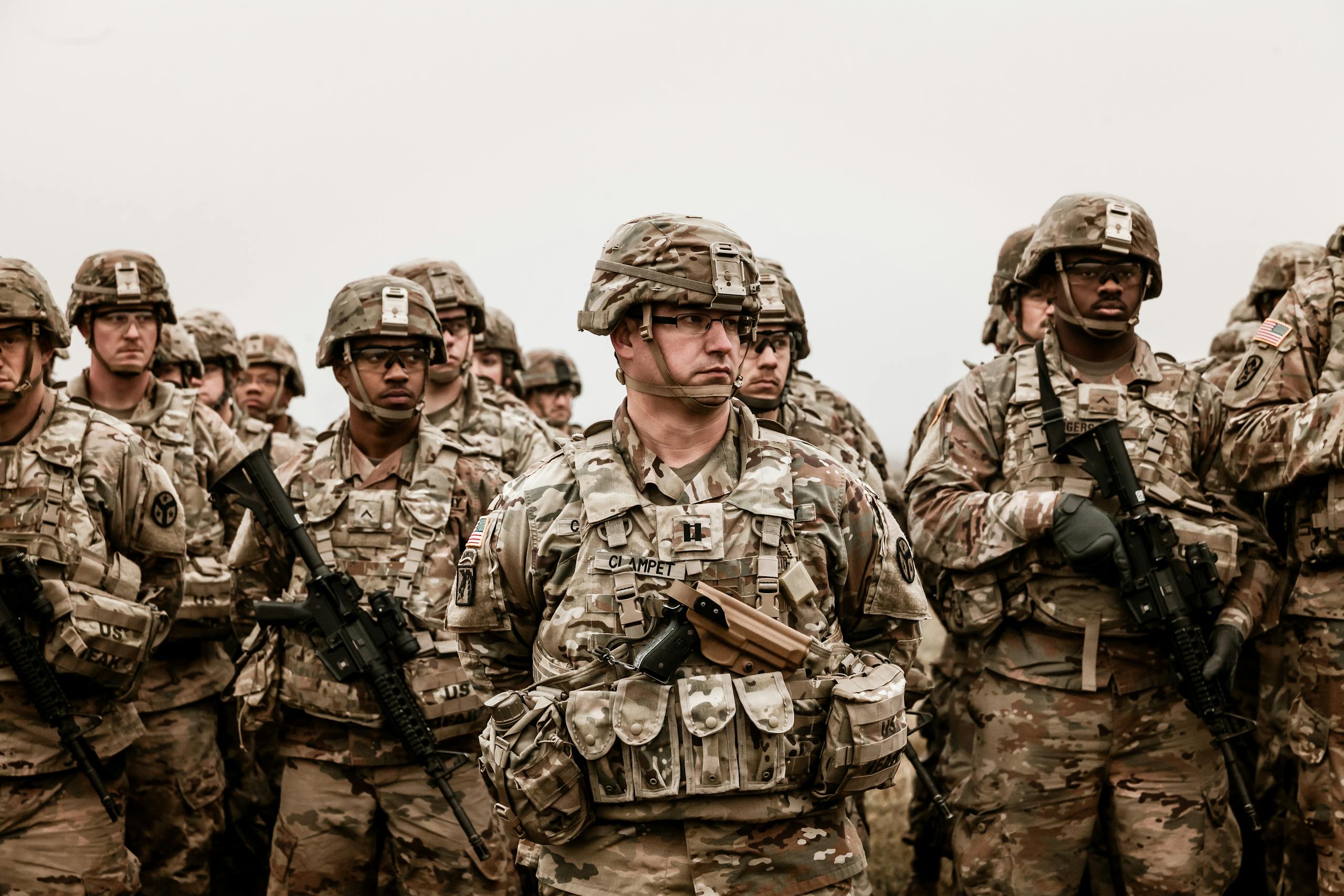
Military life depends on discipline, command, and obedience. Soldiers are trained to move quickly, trust the chain of command, and act under pressure without freezing. That structure can save lives when confusion takes over.
But obedience has limits. A clearly illegal order does not become lawful because it came from someone with rank. If a soldier is told to target civilians, torture a prisoner, or execute someone who surrendered, following the order may still bring personal responsibility.
Civilians cannot be treated like enemy fighters.
One of the central rules of war is that soldiers must distinguish between civilians and combatants. People who are not directly taking part in hostilities cannot be targeted simply because they live in enemy territory, speak the wrong language, or belong to the wrong community.
This rule becomes painfully difficult in urban warfare, where fighters may hide among homes, traffic, hospitals, tunnels, and crowded streets. Still, the difficulty does not erase the duty. A soldier who treats every person as a threat turns fear into policy, and that can become a crime.
Surrendered enemies cannot be killed for revenge.
A soldier who surrenders, drops a weapon, raises both hands, or clearly stops fighting cannot be treated like an active enemy. The moment a person is out of the fight, the rules change.
This protection matters because surrender only works when both sides believe it will be respected. If troops think they will be killed after giving up, they may fight to the last breath instead. That makes the battlefield more brutal for everyone, including the soldiers who might have survived if mercy still meant something.
Prisoners cannot be tortured for information.
Capturing an enemy can create enormous pressure. A prisoner might know where explosives are hidden, where hostages are being held, or when the next attack is planned. That urgency can tempt people to believe cruelty is useful.
International humanitarian law still demands humane treatment and baseline protections for prisoners of war. Torture, humiliation, and cruel treatment do more than harm one person. They poison discipline, damage trust, and can turn a military operation into a criminal investigation.
Medical workers cannot be attacked for saving lives.
Doctors, nurses, medics, ambulances, and medical units carry special protections because their work is not supposed to depend on politics. Their job is to treat the wounded and sick, even when those people fought for the other side.
This rule protects everyone on the battlefield. A wounded soldier may one day depend on the same medical protections his own side is expected to honor. Once medical workers become targets, injury becomes more dangerous, surrender becomes less safe, and the whole moral floor of war begins to collapse.
Protected symbols cannot be used as traps.

War allows deception in some situations, but it does not allow every kind of trick. Soldiers cannot misuse protected signs, fake medical status, pretend to surrender, or hide behind humanitarian symbols just to lure an enemy into danger.
The reason is simple. If protected symbols become traps, real medics, wounded fighters, aid workers, and surrendering troops become harder to trust. One act of betrayal can make everyone more suspicious, and that suspicion can get innocent people killed.
Civilians cannot be used as human shields.
Soldiers cannot force civilians to stay near military targets, move with troops, block an enemy’s attack, or protect weapons through their presence. People are not armor, bargaining chips, or battlefield decorations.
The Rome Statute lists several war crimes, including intentionally directing attacks against civilians and other protected targets. Human shielding twists civilian life into military advantage, making homes, hospitals, schools, and neighborhoods part of the weapon.
Looting is not a battlefield bonus.
War can break open homes, shops, offices, and abandoned buildings. That does not give soldiers permission to steal jewelry, phones, money, food, clothing, documents, souvenirs, or valuables from civilians or the dead.
Looting may look small compared with bombs and gunfire, but it leaves deep wounds. For civilians already stripped of safety, losing family photos, savings, medicine, or proof of identity can feel like another invasion. A disciplined military force cannot behave like a mob with weapons.
Whole communities cannot be punished for one attack.
An ambush, a roadside blast, a sniper attack, or a betrayal can trigger rage within a unit. Soldiers may feel the urge to punish the nearest village, neighborhood, family, or group because they believe someone there helped the enemy.
That kind of collective punishment is dangerous because it replaces evidence with anger. Innocent people can lose homes, food, freedom, or life because of something they did not do. Revenge may feel satisfying in the moment, but it often creates bitterness that survives long after the fighting ends.
Destruction cannot be used just to terrify people.
War causes destruction, but not all destruction is lawful. The U.S. Department of Defense Law of War Manual describes principles including military necessity, humanity, distinction, and proportionality within the broader law of war. That means damage still has to connect to a lawful military purpose.
A bridge used for enemy movement may be a military target under certain conditions. A family home burned only to scare civilians is something else. The line between combat and cruelty can decide whether an act is remembered as war, revenge, or a crime, so who pays when that line is crossed?