An upset stomach has a way of ruining an ordinary day in a hurry. One minute, we feel normal. Next, we are dealing with nausea, cramps, bloating, loose stool, burning, pressure, or that heavy feeling that makes food sound impossible. The good news is that many mild stomach troubles can improve with simple home care, especially when the cause is overeating, mild indigestion, gas, a short stomach bug, stress, or a meal that did not sit well.
Still, “natural” does not mean careless. A stomachache can be triggered by many different factors, and the right remedy depends on what the body is trying to tell us. Ginger may help with nausea. Peppermint may ease spasms for some people. Oral rehydration can matter more than any tea when vomiting or diarrhea is draining fluids. Bland foods can help for a short time, but they should not replace real nutrition for days. The smartest approach is not to throw every remedy at the stomach. It is to match the symptom with the gentlest fix.
Start With Hydration Before Any Other Remedy

When nausea, vomiting, or diarrhea hits, hydration becomes the first priority. The stomach may temporarily reject food, but the body still needs fluids. Small, steady sips often work better than large gulps because a stretched stomach can trigger more nausea. Water is helpful, but oral rehydration solutions are often better when fluid loss is significant because they replace both water and electrolytes.
We can use pharmacy oral rehydration packets, bottled electrolyte solutions, clear broth, diluted juice, or ice chips if sipping feels difficult. The goal is not to drink a huge amount at once. The goal is to keep fluid moving in slowly. A few teaspoons every few minutes may be enough at first. Once the stomach settles, we can increase the amount.
This is especially important for children, older adults, pregnant people, and anyone with a weakened immune system. Dry mouth, dizziness, very little urination, extreme tiredness, confusion, or inability to keep fluids down are warning signs. In those cases, natural remedies should not delay medical care.
Ginger for Nausea and Queasiness
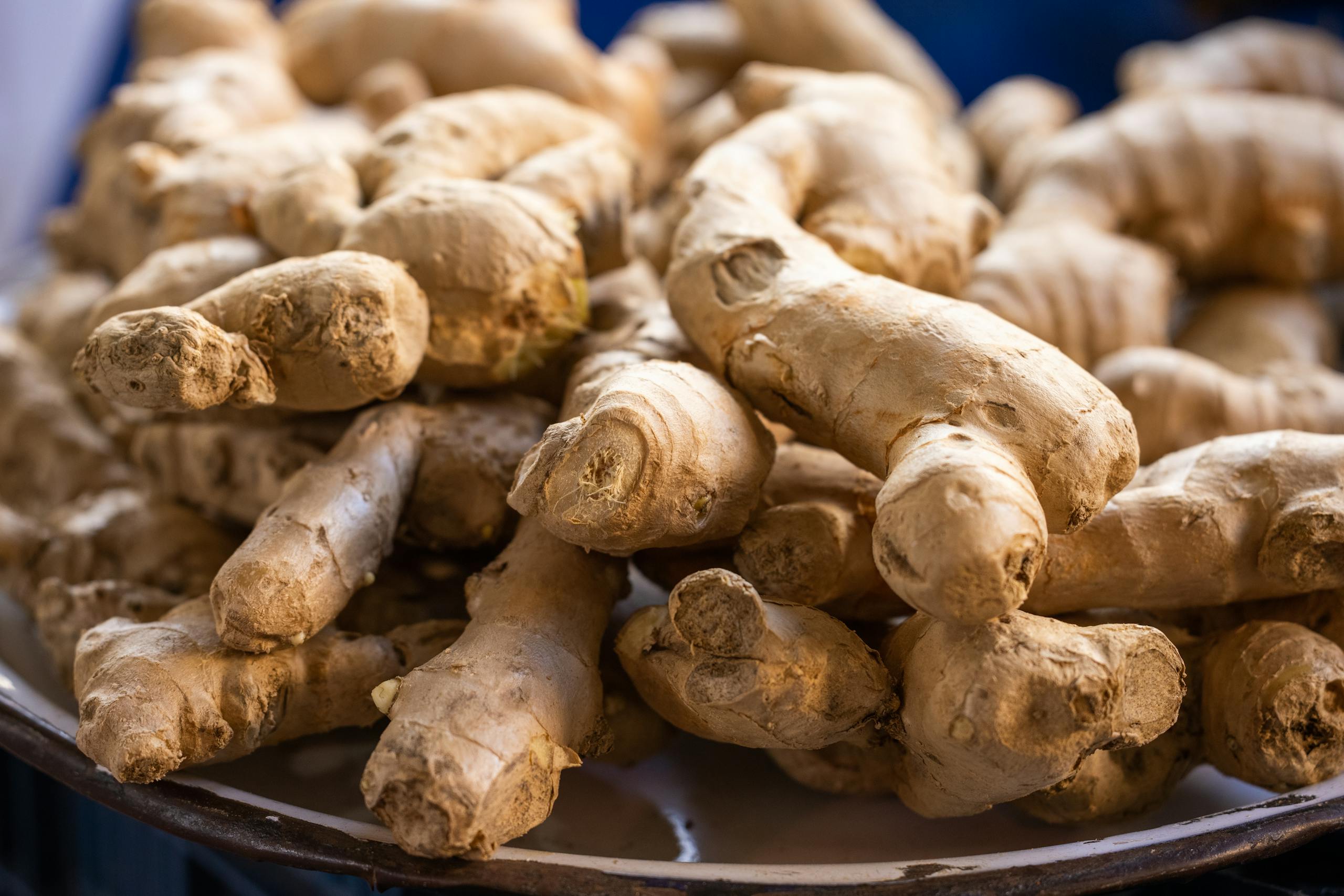
Ginger is one of the strongest natural options for nausea. It has been used for generations, and modern research has studied it most often for nausea related to pregnancy, motion, surgery, and other causes. Ginger contains compounds such as gingerols and shogaols, which may influence gastrointestinal motility and the pathways involved in nausea.
Fresh ginger tea is one of the easiest ways to use it. We can slice a small piece of fresh ginger, steep it in hot water for 5 to 10 minutes, and sip it slowly. Ginger chews, capsules, powder, and lozenges may also help. The key is moderation. Too much ginger can cause heartburn, mouth irritation, or more stomach discomfort, especially when taken on an empty stomach.
Ginger makes the most sense when nausea is the main complaint. It may be less useful for sharp abdominal pain, severe diarrhea, or reflux that burns in the chest. People who take blood thinners, have bleeding disorders, are close to surgery, or are pregnant should be careful with concentrated supplements and ask a clinician before using high doses.
Chamomile Tea for Cramping, Stress-Linked Stomach Trouble, and Gentle Soothing
Chamomile tea is a gentle option when the stomach feels tense, unsettled, or crampy. It is often used as a calming drink because it has mild relaxing effects, which can matter when stress and digestion are intertwined. The gut and the nervous system constantly communicate. Anxiety, poor sleep, rushed eating, and emotional tension can make the stomach feel tight, sour, or unpredictable.
A warm cup of chamomile may help the body slow down. It can encourage gentler breathing, reduce the urge to clench the belly, and make it easier to rest. For mild cramps, gas pressure, or a nervous stomach, that alone can bring relief. It is also caffeine-free, which makes it easier on the stomach than coffee or strong black tea.
Chamomile is not right for everyone. People allergic to plants in the daisy family, including ragweed, chrysanthemums, and marigolds, may react to it. Anyone taking sedatives, blood thinners, or multiple medications should be careful with concentrated chamomile extracts. As a tea, it is usually mild, but the body’s reaction still matters.
Peppermint for Gas, Spasms, and IBS-Type Discomfort
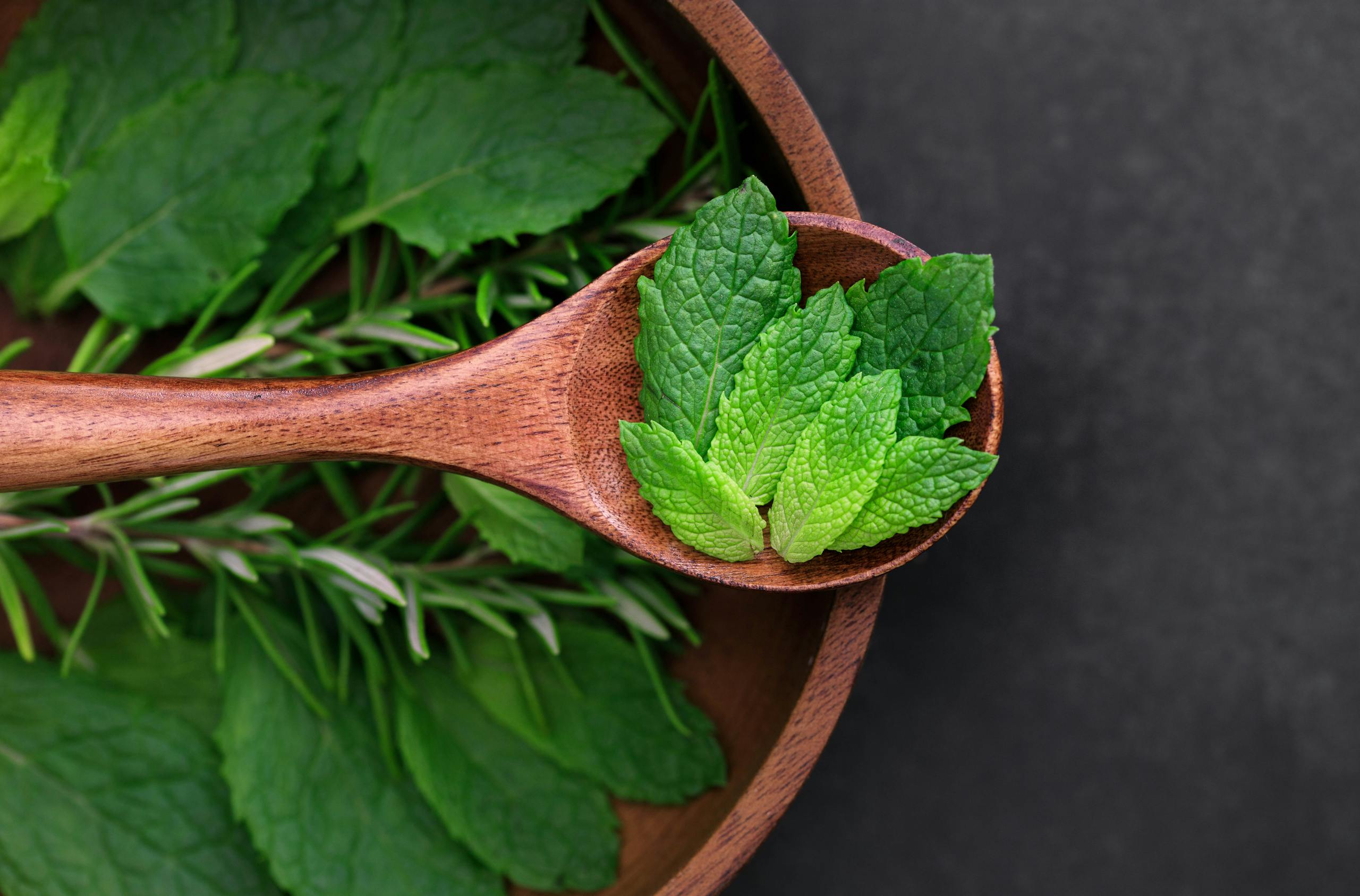
Peppermint can help some people with abdominal cramps, gas, and bowel spasms. Its active compound, menthol, may relax smooth muscle in the digestive tract. That is why enteric-coated peppermint oil capsules are often discussed for the treatment of irritable bowel syndrome. Peppermint tea may feel soothing after a heavy meal or during mild bloating.
The important detail is that peppermint is not ideal for every stomach problem. If the discomfort feels like acid reflux, burning in the chest, sour burps, or food coming back up, peppermint may make symptoms worse. It can relax the lower esophageal sphincter, the valve that helps keep stomach acid where it belongs. For reflux-prone people, ginger or chamomile may be a better first choice.
Peppermint oil capsules should be used carefully and according to label directions. They are stronger than tea. Children, pregnant people, and people with gallbladder disease, liver problems, or reflux should get medical guidance before using concentrated peppermint oil.
Bland Foods When the Stomach Is Ready for Food Again

Food should not be forced during the worst waves of nausea or vomiting. Once the stomach begins to settle, bland foods can help ease the body back into eating. Bananas, rice, applesauce, toast, crackers, plain noodles, potatoes, oatmeal, broth, and plain chicken are common options because they are mild, low in grease, and less likely to irritate the stomach.
The classic BRAT diet, which stands for bananas, rice, applesauce, and toast, can be useful for a short period, especially when diarrhea is present. These foods are low in fiber and easy to tolerate. Bananas also provide potassium, which can drop when the body loses fluids. Rice and toast can help add bulk to loose stool.
The problem is that the BRAT diet is too limited for more than a short stretch. It does not provide enough protein, fat, or a balanced nutrition profile for recovery. We should use it as a bridge, not a full meal plan. As symptoms improve, we can add eggs, soup (if tolerated), yogurt, lean protein, soft vegetables, and other simple foods.
Heat Therapy for Cramps and Belly Tension
A heating pad or a warm water bottle can help relieve stomach cramps, gas discomfort, and muscle tension. Heat encourages muscles to relax and can distract the nervous system from pain signals. This can be especially helpful when cramps feel tight, dull, or wave-like rather than sharp and severe.
The safest method is gentle warmth, not intense heat. We should place a cloth between the heating pad and skin, use a low or medium setting, and avoid falling asleep with heat on the belly. Long exposure can burn the skin, even when the heat does not feel extreme at first.
Heat is best for mild cramps, menstrual-related digestive discomfort, gas pressure, or stress-related belly tightness. It should not be used as a way to ignore severe abdominal pain, pain with fever, pain after injury, or pain that localizes sharply to one side. Those symptoms need medical attention.
Fennel, Anise, and Caraway for Gas and Post-Meal Bloating
Fennel, anise, and caraway have long been used after meals to reduce gas and bloating. These seeds contain aromatic compounds that may help relax digestive muscles and support gas movement through the gut. Many people use them as tea or chew a small amount of seeds after eating.
Fennel tea is a common choice when bloating feels trapped under the ribs or across the mid-abdomen. Caraway is often used in digestive tea blends. Anise has a sweet licorice-like flavor and may feel soothing after heavy meals. These are not miracle cures, but they can be useful when the issue is mild gas rather than illness.
People with allergies to related plants should be careful. Anyone with hormone-sensitive conditions, pregnancy concerns, or medication interactions should avoid concentrated extracts unless a clinician approves them. Food-level amounts are generally gentler than supplement forms.
Clear Broth and Light Soups for Recovery
Clear broth can be more useful than plain water when the stomach is weak but the body needs salt and fluid. Chicken broth, vegetable broth, miso broth, and simple soups can help restore appetite without overwhelming digestion. Warm liquids may also feel easier to tolerate than cold drinks when nausea is present.
Soup becomes especially helpful during recovery from diarrhea or vomiting. It provides fluid, sodium, and a small amount of energy. Once the stomach improves, we can add soft rice, noodles, carrots, potatoes, or lean chicken to make the meal more nourishing.
We should avoid creamy, spicy, and greasy soups and broths during the early stage of stomach upset. Heavy fat slows stomach emptying and may worsen nausea. A simple broth-based soup is usually the safer first step.
Small Meals Instead of One Big Meal
After an upset stomach, the digestive system often needs a gentler rhythm. Large meals stretch the stomach and can trigger nausea, reflux, bloating, or cramps. Smaller meals reduce the workload and make it easier to identify which foods are still causing trouble.
A good recovery pattern is simple: sip fluids first, try a bland snack, pause, then eat a small meal if symptoms stay calm. We might start with toast, banana, crackers, rice, or broth. Later, we can add protein and more complete foods. Eating slowly matters as much as food choice. Rushed eating brings in extra air and increases gas.
This approach also helps with indigestion. Smaller portions reduce pressure on the stomach and may lower the chance of acid reflux after eating. For people who often feel full quickly or bloated after meals, smaller meals may be more effective than any single remedy.
Conclusion
An upset stomach asks for patience before panic. Most mild cases improve with hydration, rest, simple foods, and the right natural remedy for the main symptom. Ginger can help with nausea. Chamomile can soothe a tense stomach. Peppermint may ease cramps and IBS-type discomfort when reflux is not a factor. Oral rehydration matters most when vomiting or diarrhea threatens fluid balance. Bland foods can help for a short time, but as recovery begins, the body needs more nourishing foods.