Atlanta used to be the city people chose when they wanted more breathing room. More space than New York. More house for the money than in Los Angeles. More career opportunities than in a smaller Southern town.
That promise is getting harder to recognize.
For many Atlanta residents, the city still has jobs, culture, food, music, sports, universities, and neighborhoods with real personality. But the everyday math feels different now. Rent is still high, traffic steals time, car costs keep climbing, and even small daily bills can make a decent paycheck feel thinner than it should be.
The Affordable Atlanta Story Is Getting Messy
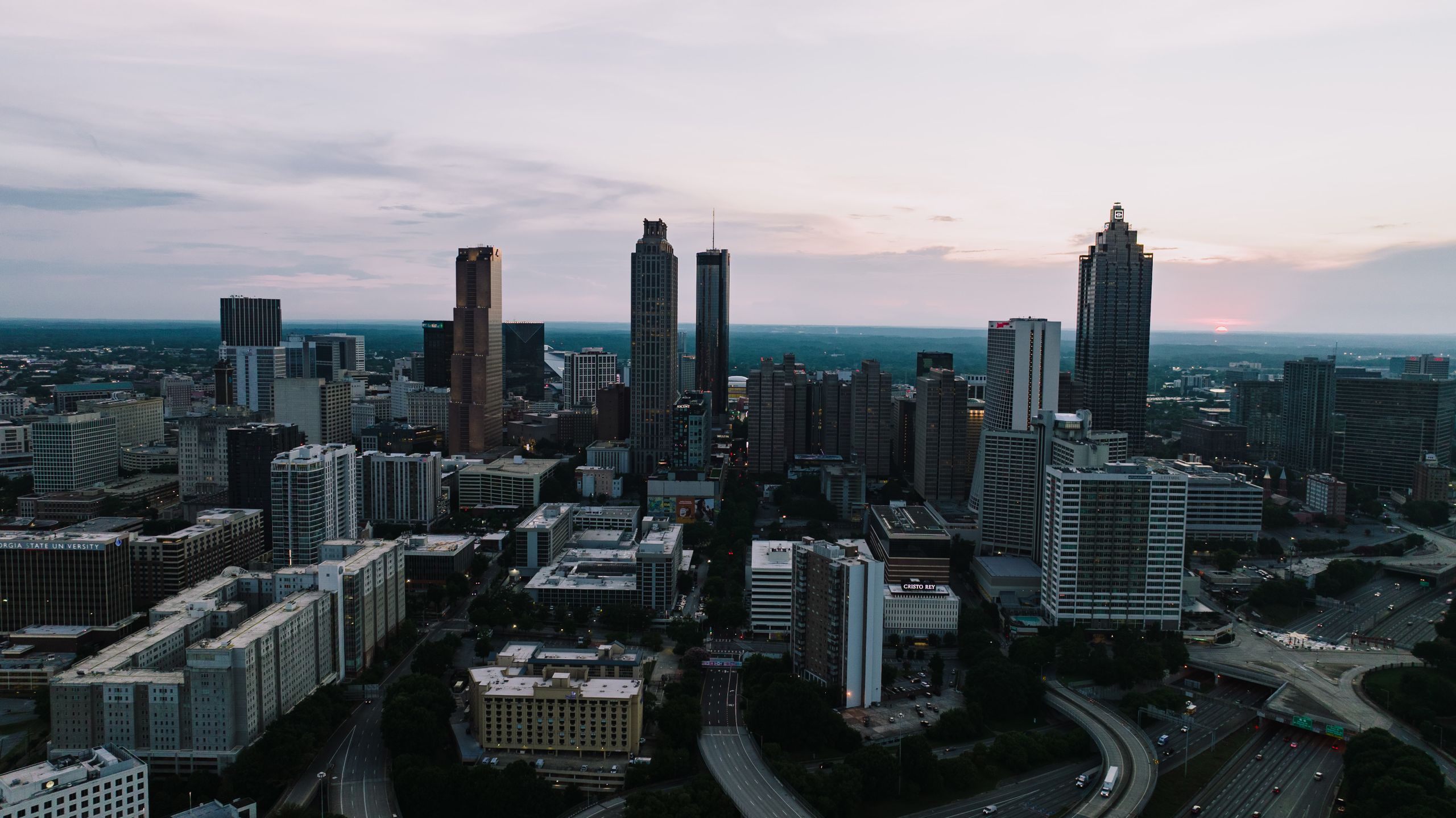
Atlanta has not suddenly become the most expensive city in America. That is not the point. The pressure is sharper because the city’s old identity was built around being a place where people could get ahead.
That image still attracts newcomers. Workers move from higher-cost cities. Families look toward metro Atlanta for better space. Young professionals arrive for careers in tech, film, logistics, healthcare, education, and corporate offices.
But locals are feeling the tradeoff. Growth brings restaurants, apartments, offices, and investment. It also brings higher housing demand, more cars on the road, longer commutes, and more competition for neighborhoods that once felt easier to afford.
Rent Relief Has Not Felt Like Relief
Some rent numbers show Atlanta cooling slightly, but renters know a small dip does not erase years of price pain. A lease that stops rising for one month is not the same as an apartment becoming affordable again.
Recent metro Atlanta rent data showed median rent in the metro area down 0.9 percent compared with the same month a year earlier. That sounds like good news, until residents remember that national rent levels remain far above their pre-pandemic levels.
That is why the local mood can feel so divided. Landlords and market reports may point to cooling rents, while tenants still look at their monthly payment and wonder where the relief is hiding.
For a renter in Midtown, Old Fourth Ward, West Midtown, Buckhead, East Atlanta, or Decatur, the issue is not only the listed rent. It is the full stack of fees, utilities, parking, pet charges, application costs, insurance, and moving expenses that make changing apartments feel expensive before the first box is packed.
Homelessness Shows The Pressure At The Edge
The housing squeeze becomes most visible when people fall through it. Recent Atlanta homelessness count shows the city’s unhoused population increased 6 percent in 2026, reaching more than 3,000 people.
That number matters because homelessness is not separate from the cost-of-living story. It is the sharpest edge of it.
When rent rises faster than wages, more households become one emergency away from trouble. A missed paycheck, medical bill, car repair, breakup, eviction filing, or rent hike can quickly push a family from stressed to unstable.
Atlanta has made efforts to house people, especially as the city prepares for major events and continued growth. But the increase shows that housing pressure is still outpacing many safety nets.
Traffic Turns Affordability Into A Daily Tax
Atlanta’s cost problem is not only about rent. It is also about getting across the city.
A cheaper apartment farther from work can look like a smart decision until the commute starts eating away at money, time, and patience. Gas, maintenance, parking, tolls, insurance, and repairs can turn distance into a hidden rent payment.
Recent regional traffic rankings show metro Atlanta among the worst U.S. cities for traffic, with an average car commute time of about 31.2 minutes. That may sound manageable on paper, but Atlanta drivers know the difference between an average and a bad afternoon on the Downtown Connector, I-285, I-75, I-85, or GA-400.
The real cost is not only measured in minutes. It shows up when parents miss dinner, workers pay more for childcare, drivers burn gas while barely moving, and families choose neighborhoods based less on preference and more on survival logistics.
Car Costs Hit Hard In A Sprawling Metro
Atlanta’s spread-out layout makes car ownership feel less like a choice and more like a requirement for many households. MARTA works well for some trips, but it does not cover every job center, suburb, school, medical office, or late-night shift.
That means car costs become part of the city’s affordability problem. The price of living in Atlanta is not just rent plus groceries. It is also the cost of keeping a vehicle alive.
A local commute cost estimate placed the average metro Atlanta driver’s annual gas and maintenance burden at about $6,700. That is money residents cannot use for savings, debt, childcare, healthcare, or a down payment.
For workers commuting from Gwinnett, Cobb, Clayton, Henry, Douglas, Cherokee, or South Fulton, the math can be brutal. Living farther out may lower housing costs, but the savings can shrink once the car becomes the price of access.
Growth Is Changing The Local Mood
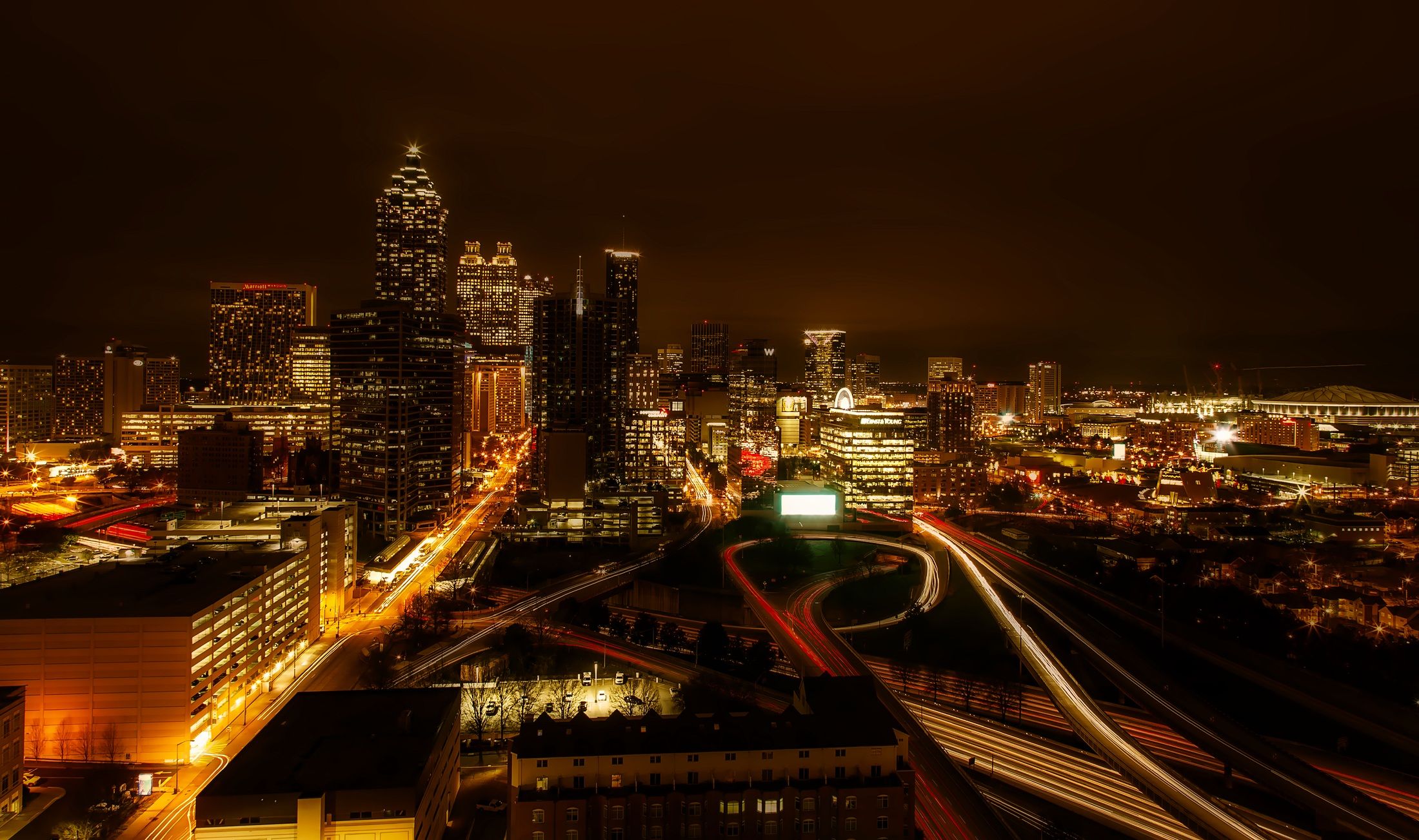
Atlanta’s growth story is still real. The city has talent, employers, entertainment, universities, airports, hospitals, and a cultural pull that many cities would love to have.
But growth can feel very different depending on who benefits from it. New apartment towers may look like progress to developers, while longtime renters see another sign that their neighborhood is changing. New restaurants may signal investment, while working families wonder whether they can still afford to eat nearby.
In places like West End, Summerhill, Edgewood, Kirkwood, Grove Park, and parts of South Atlanta, residents have watched investment arrive with both promise and pressure. New businesses can bring life to a corridor. Rising property values can also make older residents worry about taxes, displacement, and whether their children can afford to stay.
The frustration is not anti-growth. It is about whether growth is making life better for the people already living in the city.
Daily Bills Are The Quiet Problem
The most triggering part of Atlanta’s affordability story may be how ordinary the pressure feels. It is not one dramatic bill. It is everything together.
Groceries cost more than families expect. Insurance feels heavier. Utilities can jump. Renters pay more for fees. Drivers pay for gas, tires, repairs, and parking. Parents pay for school supplies, activities, childcare, and summer programs.
That is why Atlanta’s “affordable city” image feels strained. People are not only asking whether they can live here. They are asking whether they can enjoy living here without being squeezed every week.
A city can be cheaper than New York yet still feel expensive to people earning Atlanta wages.
What Residents Should Watch Next
Atlanta residents should watch three things closely: rent movement, transportation costs, and housing instability.
If rents fall slightly but fees and utilities keep rising, renters may not feel much relief. If traffic worsens while car costs stay high, outer suburbs may become less affordable than they appear. If homelessness continues to rise, the city will face greater visible pressure in public spaces, shelters, schools, hospitals, and neighborhoods.
Local leaders will also have to prove that affordability is more than a campaign word. That means housing supply, tenant stability, transit access, road planning, and support for people at risk of homelessness all have to connect.
Atlanta is still a city of ambition. People move there because they believe something better is possible.
But the promise is being tested. If rent, traffic, and daily bills keep wearing residents down, Atlanta may not lose its shine overnight. It may lose something more serious, the belief that ordinary people can still build a comfortable life there.