Food poisoning does not need a dramatic villain. Sometimes, it starts with chicken juice on a cutting board, leftover rice cooling on the counter, or a bagged salad that looks innocent enough to trust with your lunch. CDC estimates that foodborne illness sickens about 48 million Americans each year, sending 128,000 people to the hospital and causing 3,000 deaths.
Poultry
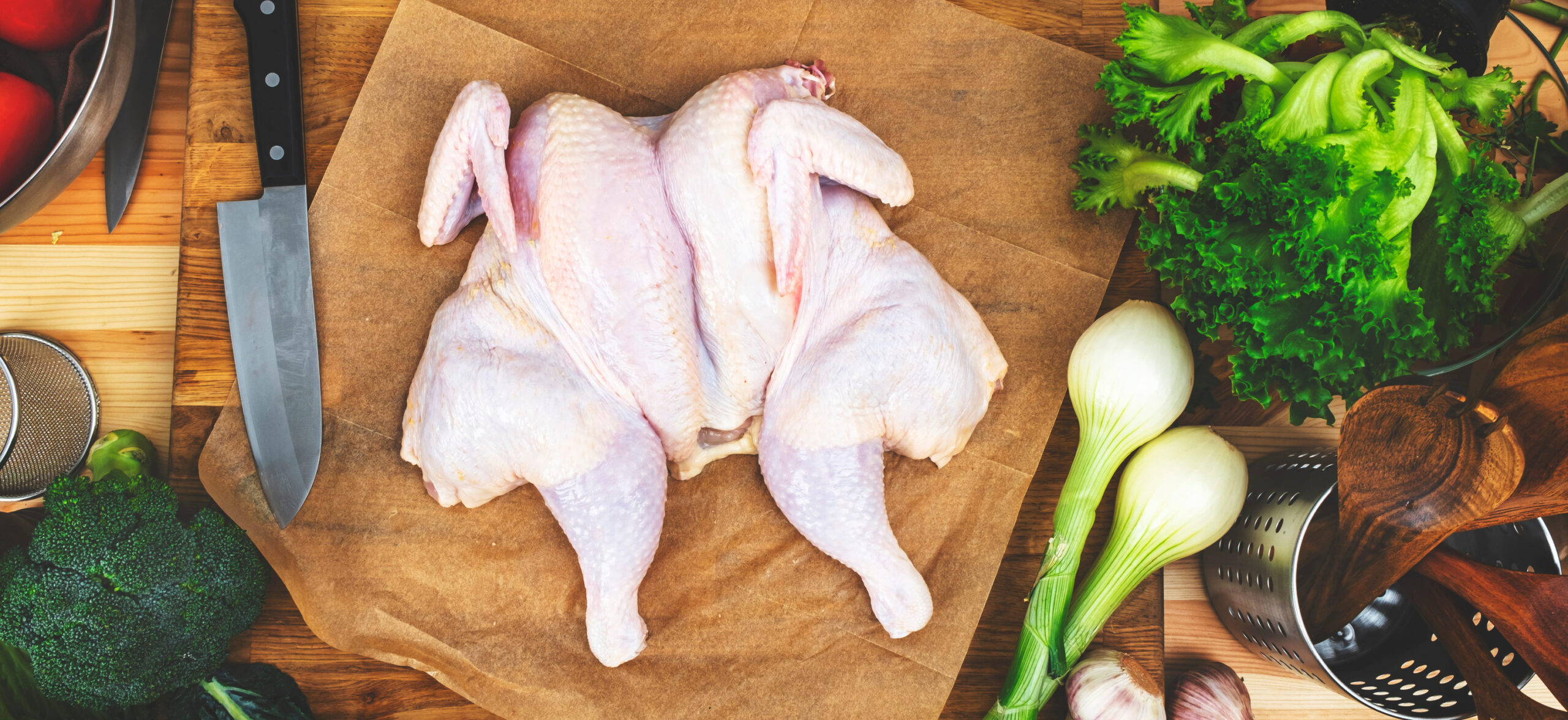
Raw chicken, turkey, and duck sit near the top of the danger list because they can carry Salmonella and Campylobacter. The real problem begins when raw poultry comes into contact with hands, knives, counters, or ready-to-eat foods.
Cook poultry fully, keep it away from produce, and stop washing raw chicken. Splashing water can spread germs around the sink like a tiny crime scene.
Leafy greens
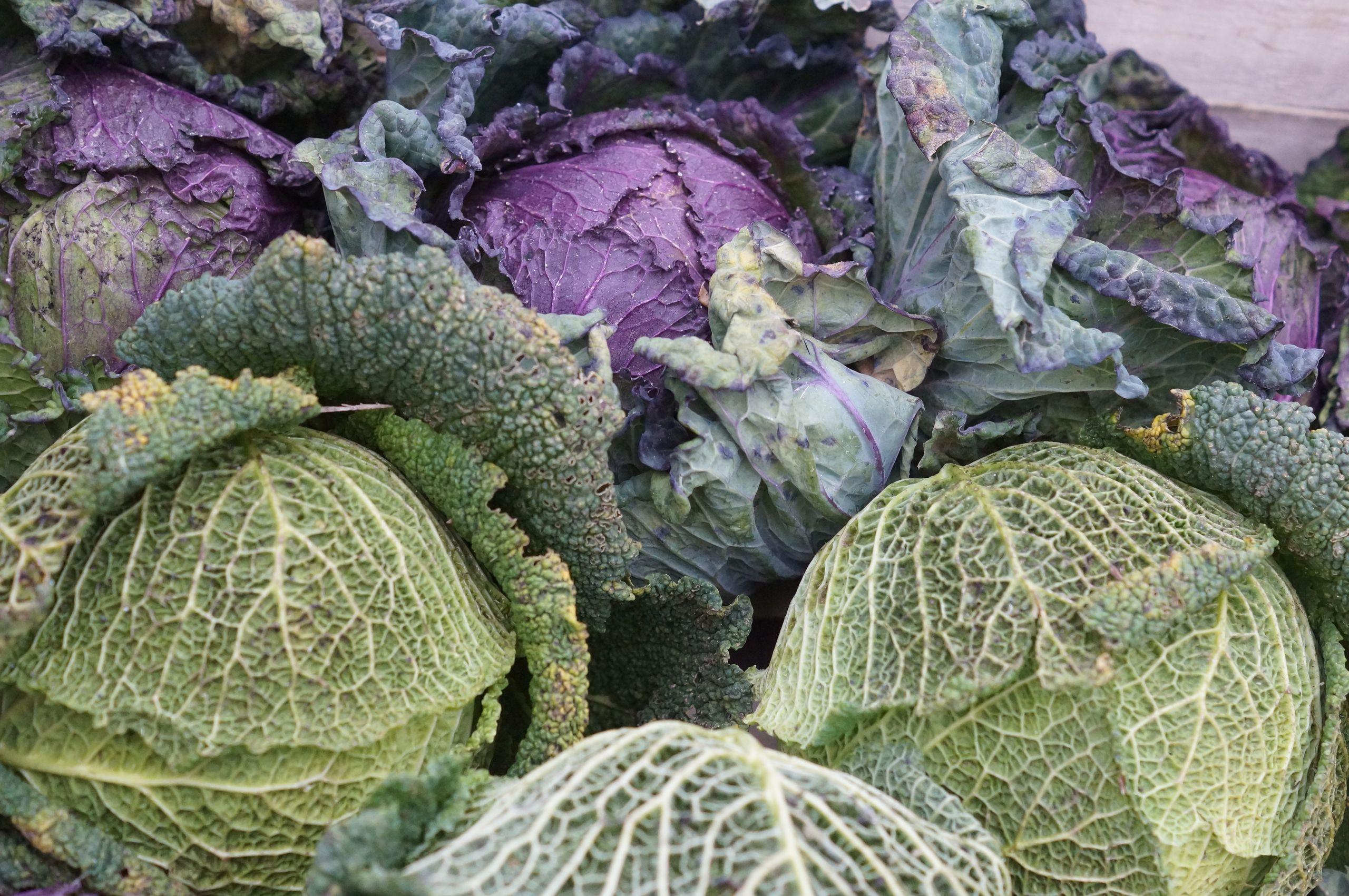
Lettuce, spinach, kale, and cabbage can carry germs from soil, irrigation water, handling, or processing. They become riskier because people often eat them raw.
Rinse greens well, discard slimy leaves, and keep bagged salads cold. CDC warns that raw foods can spread germs when they come into contact with ready-to-eat items.
Raw sprouts
Sprouts grow in warm, moist conditions, which sounds healthy until bacteria hear the invitation. Alfalfa, mung bean, clover, and sunflower sprouts can carry E. coli, Salmonella, and Listeria.
Cooking sprouts lowers the risk. Pregnant women, older adults, young children, and people with weak immune systems should avoid raw sprouts.
Eggs
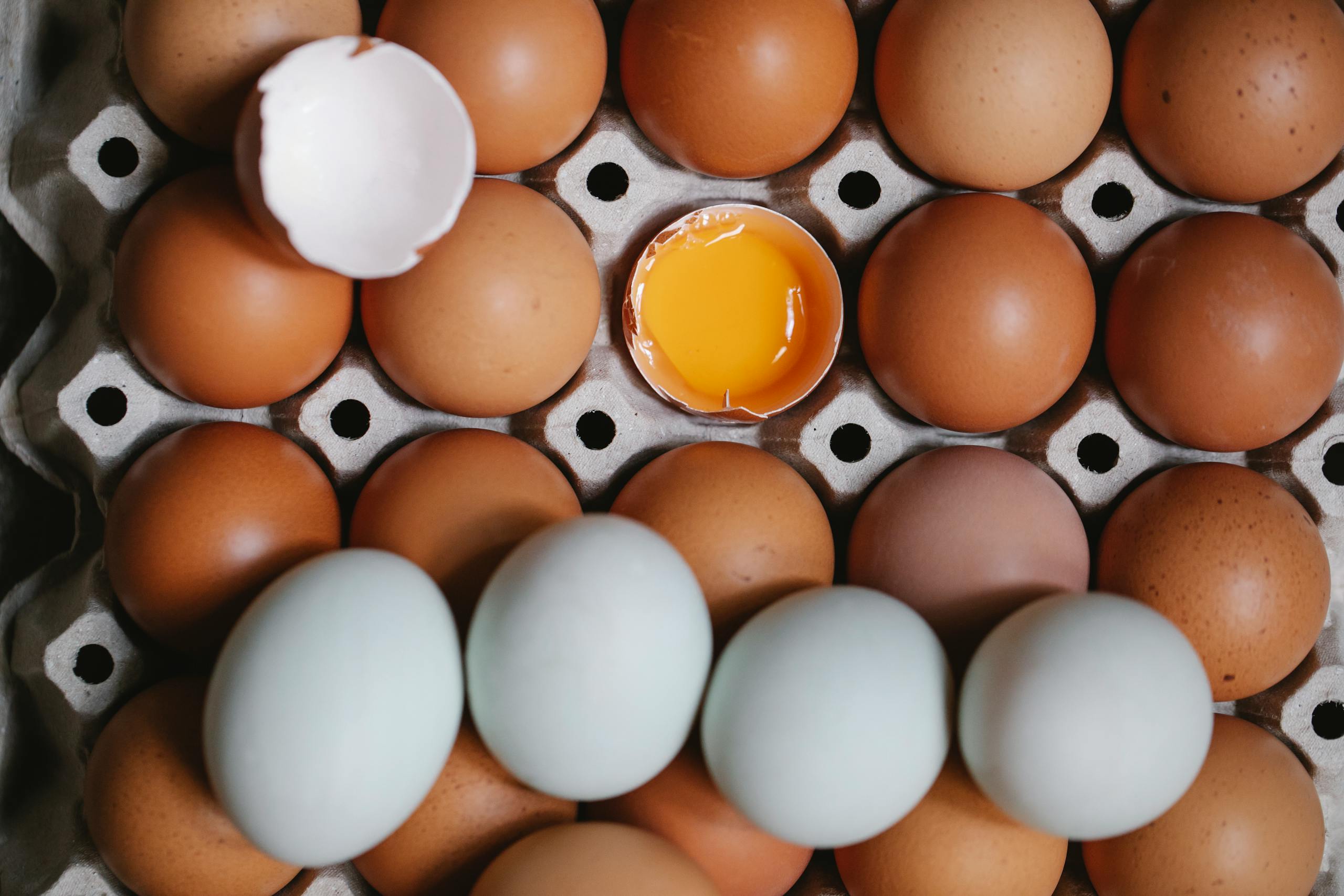
Eggs can carry Salmonella, especially when eaten raw or undercooked. Cookie dough, homemade mayo, runny eggs, and lightly cooked sauces can become risky fast.
Use pasteurized eggs for raw recipes. Keep eggs refrigerated, cook until firm, and avoid cracked or dirty shells.
Deli meats and hot dogs
Deli meats look convenient, but Listeria can grow even at refrigerator temperatures. That makes sliced turkey, ham, salami, pâté, and hot dogs more concerning for pregnant people and older adults.
Heat hot dogs and deli meats until steaming if you are in a high-risk group. The FDA also recommends cleaning refrigerators often and throwing out spoiled food.
Seafood
Fish and shellfish can cause illness through bacteria, viruses, parasites, or natural toxins. Some toxins, such as those linked to certain fish poisoning cases, may survive normal cooking.
Buy seafood from trusted sellers, keep it cold, and cook it properly. Throw away shellfish that do not open after cooking.
Cooked rice

Rice becomes risky after cooking because Bacillus cereus spores can survive heat. When cooked rice sits at room temperature, those spores can grow and produce toxins.
Serve rice quickly, refrigerate leftovers fast, and reheat until steaming hot. USDA says leftovers should be placed in shallow containers and refrigerated at 40°F or below within 2 hours.
Unpasteurized milk and cheese
Raw milk and unpasteurized dairy can carry E. coli, Listeria, Salmonella, and Campylobacter. The “natural” label does not cancel out the risk.
Choose pasteurized milk, cheese, and juices. Keep dairy cold and discard products with odd smells, textures, or expired dates.
Melons
Cantaloupe, watermelon, and honeydew can harbor germs on their rinds. Once a knife cuts through the skin, bacteria can move into the flesh.
Wash melons before cutting, refrigerate sliced pieces, and avoid leaving cut fruit out. Treat pre-cut fruit like a perishable meal, not a countertop decoration.
Berries
Berries can become contaminated through water, handling, or processing. Frozen berries have also been linked to outbreaks, especially when eaten without heating.
Rinse fresh berries before eating. Keep them cold and discard moldy fruit quickly.
Raw flour
Flour does not look dangerous, but it comes from grain that may carry harmful bacteria. Raw dough and batter can expose people to both contaminated flour and raw eggs.
Bake or cook flour-based foods fully. Skip the spoonful of raw cookie dough, even when nostalgia starts to speak up.
Leftovers
Leftovers become risky when they cool too slowly or sit too long. USDA notes that bacteria grow rapidly between 40°F and 140°F, the classic food safety “danger zone.”
Refrigerate cooked food within two hours. Reheat leftovers thoroughly, and throw out anything that looks or smells questionable.
Conclusion
The riskiest foods are not always strange or exotic. They are everyday foods that become dangerous when stored poorly, handled poorly, undercooked, or cross-contaminated. Keep cold foods cold, hot foods hot, raw foods separate, and leftovers out of the danger zone.