A quick trip to the grocery store for a few essentials can quickly turn into an expensive shopping trip. With rising grocery bills and the temptation to grab extra items, stretching your shopping budget matters more than ever.
One popular money-saving strategy is buying groceries in bulk. Buying larger quantities can lower the price per item, reduce trips to the store, and keep your pantry stocked with everyday essentials.
However, not everything deserves a spot in your bulk shopping cart. Some products spoil too quickly, while others take up valuable storage space without offering meaningful savings.
The secret is knowing which items you’ll actually use before they expire. Here are eight grocery items that are often worth buying in bulk, especially if you want to make your money go further.
Rice
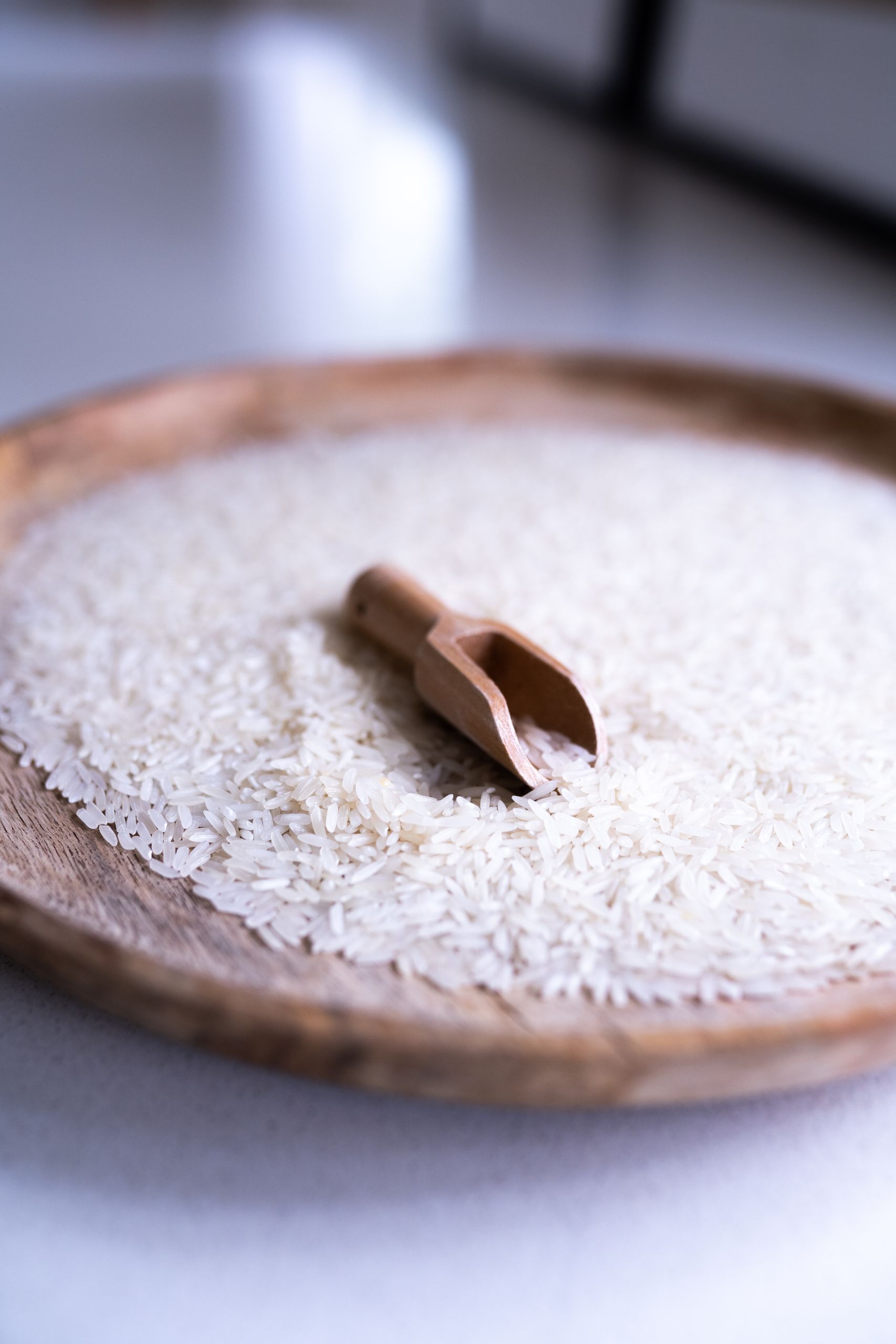
Rice is one of the most practical grocery staples to buy in bulk. It’s versatile, easy to prepare, and works with countless meals, from stir-fries and casseroles to soups and simple side dishes.
Buying a large bag of white rice is often more economical than buying several smaller packages. Because properly stored white rice has a long shelf life, it’s especially convenient for households that cook it regularly.
The key is storage. Transfer your rice into an airtight container and keep it in a cool, dry place to protect it from moisture and pantry pests.
Brown rice is different because its natural oils shorten its shelf life. Unless you use brown rice frequently, purchasing smaller amounts may be the smarter choice.
Before grabbing the biggest bag available, compare the price per pound. Sometimes a medium-sized package offers the same value without taking up half your pantry.
Dried Beans and Lentils
Dried beans and lentils are excellent candidates for bulk shopping because they can be used in so many inexpensive homemade meals.
Black beans, pinto beans, kidney beans, chickpeas, and lentils can become the foundation for soups, stews, rice bowls, and comforting one-pot dinners.
Compared with buying small individual packages, larger bags may offer better value, especially for households that cook beans several times a week.
Another advantage is convenience. A generous pantry supply means you can prepare a filling dinner without an extra grocery run.
Store dried beans and lentils in airtight containers away from heat and moisture. Although they can last a long time, older beans may take longer to soften when cooked.
If you’re deciding which variety to buy, start with the beans your family already enjoys. A giant bag of something nobody wants to eat isn’t a bargain, no matter the price.
Pasta
Few pantry staples are as convenient as pasta. It’s easy to prepare, pairs with many sauces, and can turn basic ingredients into a satisfying family meal.
Dry pasta is particularly well-suited for bulk purchasing because unopened packages generally have a long shelf life when stored properly.
Whether your household prefers spaghetti, penne, macaroni, or rotini, buying larger multipacks may reduce the cost per serving.
Pasta is also useful for quick dinners. Combine it with tomato sauce, sautéed vegetables, cheese, or leftovers for a meal that needs minimal planning.
For the best value, compare package sizes and unit prices rather than assuming that the largest box is automatically the cheapest.
Keep dry pasta in a cool, dry cupboard, and make sure opened packages are properly sealed.
One useful tip is to buy a mix of familiar pasta shapes rather than a huge quantity of a single variety. That way, you can enjoy different meals without getting bored.
Canned Tomatoes
Canned tomatoes are one of those ingredients that can make dinner easier when your refrigerator is looking empty.
Crushed tomatoes, diced tomatoes, tomato sauce, and whole peeled tomatoes work beautifully in pasta sauces, soups, stews, and homemade pizza recipes. Having several cans on hand lets you quickly make a flavorful meal without fresh tomatoes.
Multipacks can be a smart purchase, especially when your favorite brand goes on sale. However, compare unit prices because individual cans sometimes cost less during supermarket promotions.
Canned tomatoes also have a reasonable shelf life. According to the USDA, high-acid canned products, including tomatoes, generally have a recommended shelf-storage period of 12 to 18 months.
Store unopened cans in a cool, dry place, and avoid buying damaged, leaking, or bulging containers.
To keep your pantry organized, place newly purchased cans behind older ones so you use your existing supply first.
Oatmeal
Oatmeal deserves a permanent place on many bulk shopping lists because it’s affordable, versatile, and easy to incorporate into everyday cooking.
A large container of rolled oats can be used for far more than traditional breakfast porridge. You can prepare overnight oats, homemade granola, oatmeal cookies, baked oatmeal, and other simple recipes.
If your household enjoys oatmeal several times a week, buying a larger container may be much more convenient than constantly replacing small packages.
Plain oats are often a more flexible purchase than flavored individual packets. You can control the taste by adding cinnamon, brown sugar, fruit, or other favorite ingredients.
Store oats in an airtight container in a cool, dry cupboard. Proper storage helps protect them from humidity and pantry pests.
Before buying a large package, consider your family’s eating habits. If oatmeal only appears on the breakfast table once every few months, a smaller container may be more practical.
But if it’s part of your routine, buying in bulk can simplify your shopping.
Flour
If you enjoy baking bread, cookies, cakes, biscuits, or homemade pizza, consider buying flour in bulk.
Frequent bakers can go through several small bags surprisingly quickly, especially when preparing homemade meals for a family.
Larger bags of all-purpose flour may cost less per pound, making them appealing for regular users.
However, proper storage is essential. Store flour in an airtight container, away from heat, moisture, and pantry pests.
Whole wheat flour generally lasts less time than refined white flour because it contains more natural oils. For that reason, buying a huge bag isn’t always practical unless you bake often.
If you have limited pantry space, divide a large bag into smaller, airtight containers. Freezer storage can also help extend flour’s quality.
The smartest approach is to estimate how much flour you typically use over several months before committing to a large purchase.
Sugar
Sugar is a familiar pantry essential used in everything from homemade desserts to coffee, tea, and baked goods.
For households that bake regularly, buying granulated white sugar in larger bags can reduce frequent grocery trips.
Unlike many fresh ingredients, properly stored white sugar doesn’t spoil quickly under normal dry-storage conditions. Its biggest enemies are moisture, contamination, and unwanted pantry visitors.
An airtight container helps keep sugar clean, dry, and ready to use.
Bulk purchases are particularly convenient during holiday baking seasons, when families may prepare multiple batches of cookies, cakes, and desserts.
Still, don’t assume that a large bag is automatically the best deal. Compare the price per pound with smaller packages, especially when grocery stores advertise seasonal discounts.
If you rarely bake or use sugar, a smaller package may be more sensible. Buy what you genuinely need, rather than filling your pantry because something looks inexpensive.
Frozen Vegetables
Fresh vegetables are wonderful, but buying large amounts can be disappointing when they spoil before you get around to cooking them.
Frozen vegetables offer a convenient alternative, particularly for busy households that want ingredients ready whenever dinner time arrives.
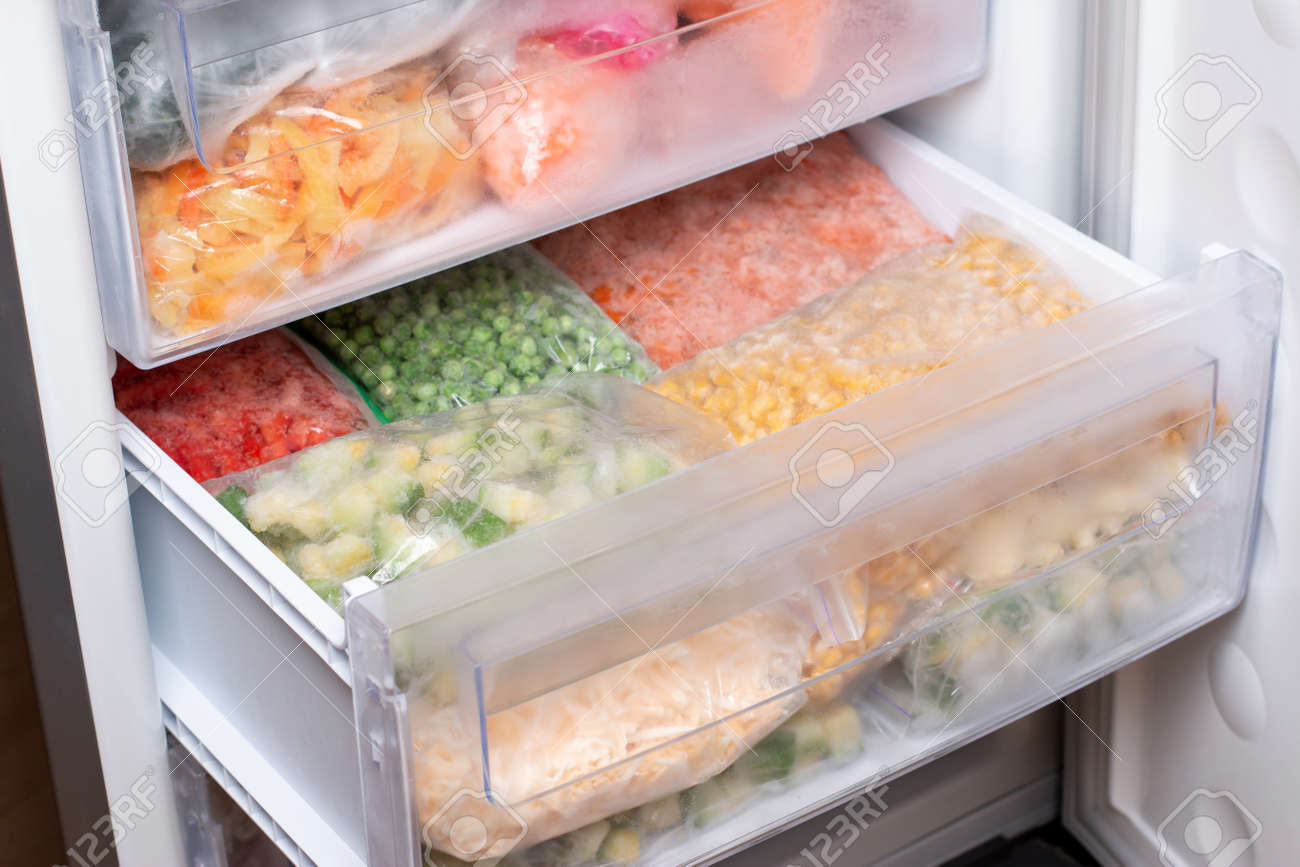
Broccoli, peas, carrots, green beans, spinach, and mixed vegetables are all useful freezer staples. You can add them directly to soups, stir-fries, casseroles, and other everyday meals.
Larger frozen vegetable bags can save you money compared with buying several smaller packages. However, the value depends on the price per pound and how quickly your household uses them.
If you have enough freezer space, buy vegetables you use regularly rather than filling your freezer with unfamiliar varieties.
After opening a large bag, seal it tightly or divide the contents into smaller freezer-safe portions. This makes it easier to remove what you need without repeatedly exposing the remaining vegetables to air.
The biggest advantage is convenience. Having frozen vegetables available can make last-minute meal planning feel much less stressful.
The Secret to Making Bulk Shopping Worth It
Buying groceries in bulk can save money, but package size doesn’t guarantee a bargain.
Consumer Reports recommends comparing unit prices to determine which package actually offers better value. It also notes that larger quantities often cost less per unit, although exceptions exist.
Before adding bulk groceries to your cart, think about three things: how often you’ll use the product, how much storage space you have, and whether the larger package truly costs less per unit.
A good deal should make your grocery budget easier to manage, not leave you with oversized packages that eventually go to waste.
Final Thoughts
From rice and dried beans to frozen vegetables and baking essentials, these eight grocery items can be smart bulk purchases for households that use them regularly.
The best savings come from buying familiar ingredients at a genuinely lower unit price, storing them properly, and using everything you purchase.
After all, the smartest grocery bargain isn’t always the biggest package. It’s the one that saves you money without creating unnecessary waste.