Oil markets do not panic over every explosion, but they listen closely when the noise comes from the edge of the Strait of Hormuz. Brent crude jumped after fresh U.S. strikes in southern Iran, and the move showed how nervous traders remain about one of the world’s most important energy routes.
This is not just another oil price headline for market watchers. It is a warning sign for fuel costs, shipping routes, inflation pressure, and the fragile diplomacy trying to keep a regional conflict from spreading into a global energy shock.
Brent Crude Is Reacting to Fear, Not Just Supply.
Brent crude rose after U.S. strikes hit targets in southern Iran, including missile sites and boats accused of trying to lay mines near the Strait of Hormuz. The move came after oil had dropped sharply on hopes that talks could reopen the shipping lane, which made the rebound feel even more dramatic. Markets were not simply pricing one attack.
They were pricing the chance that a fragile diplomatic opening could collapse before tankers move freely again.
That is why Brent can swing so quickly during this kind of crisis. Oil traders do not wait for full disruption before reacting. They price risk early, especially when ships, mines, missiles, and a major crude route all appear in the same story. Once the market senses that safe passage is uncertain, the fear premium returns fast.
The Strait of Hormuz Is the Real Pressure Point.
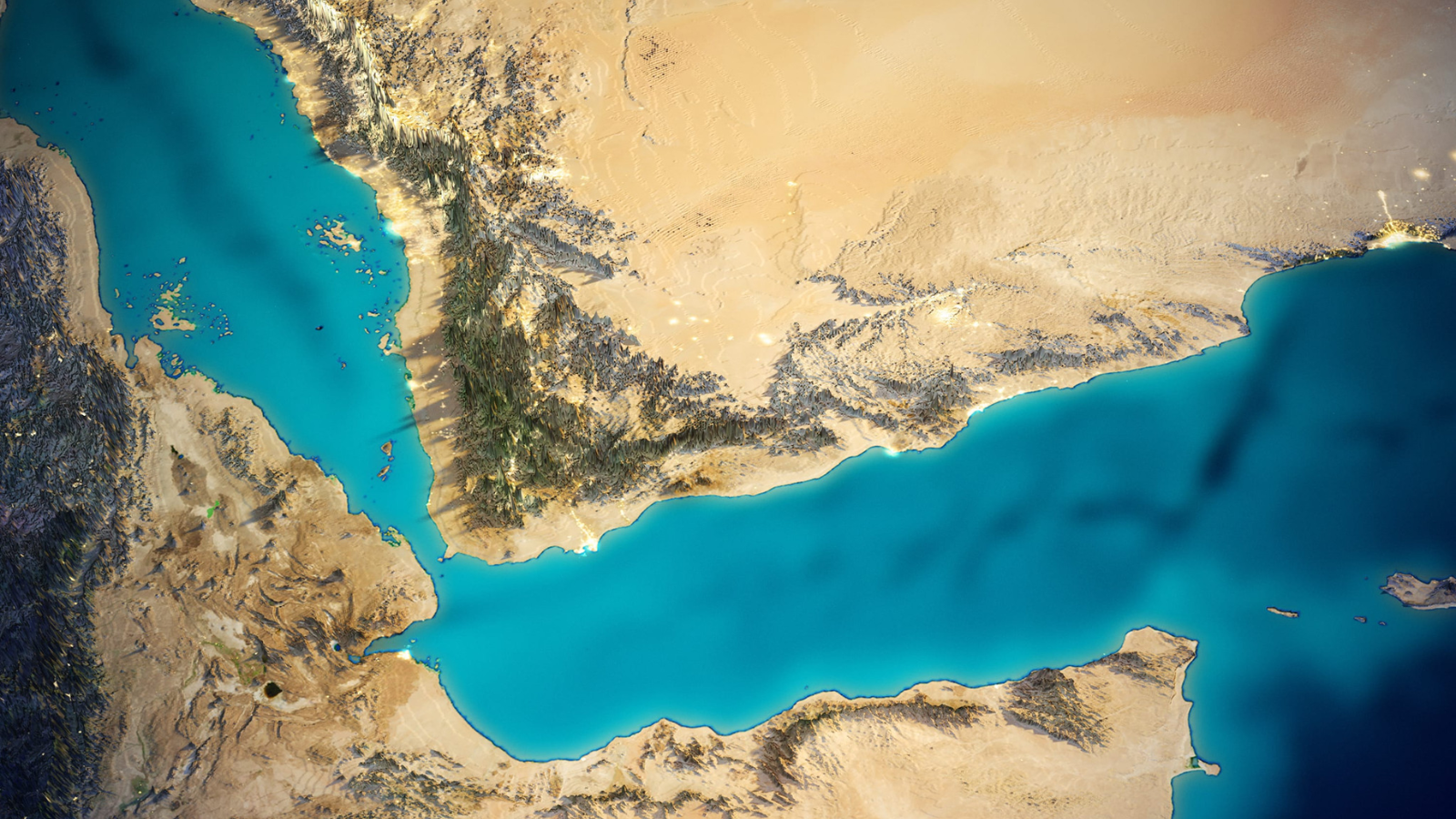
The Strait of Hormuz is not just a regional waterway. It is one of the most important oil chokepoints in the world, with about 20 million barrels of oil passing through it in 2024. That represented roughly 20% of global petroleum liquids consumption, which explains why any threat near the strait can shake prices far beyond the Middle East.
This is the part that matters to everyday readers. When a narrow shipping route carries that much oil, trouble there can affect fuel stations, airlines, trucking companies, factories, and households. A temporary scare can lift prices. A prolonged disruption can create a much deeper squeeze.
Tankers Are Now Part of the Market Drama.
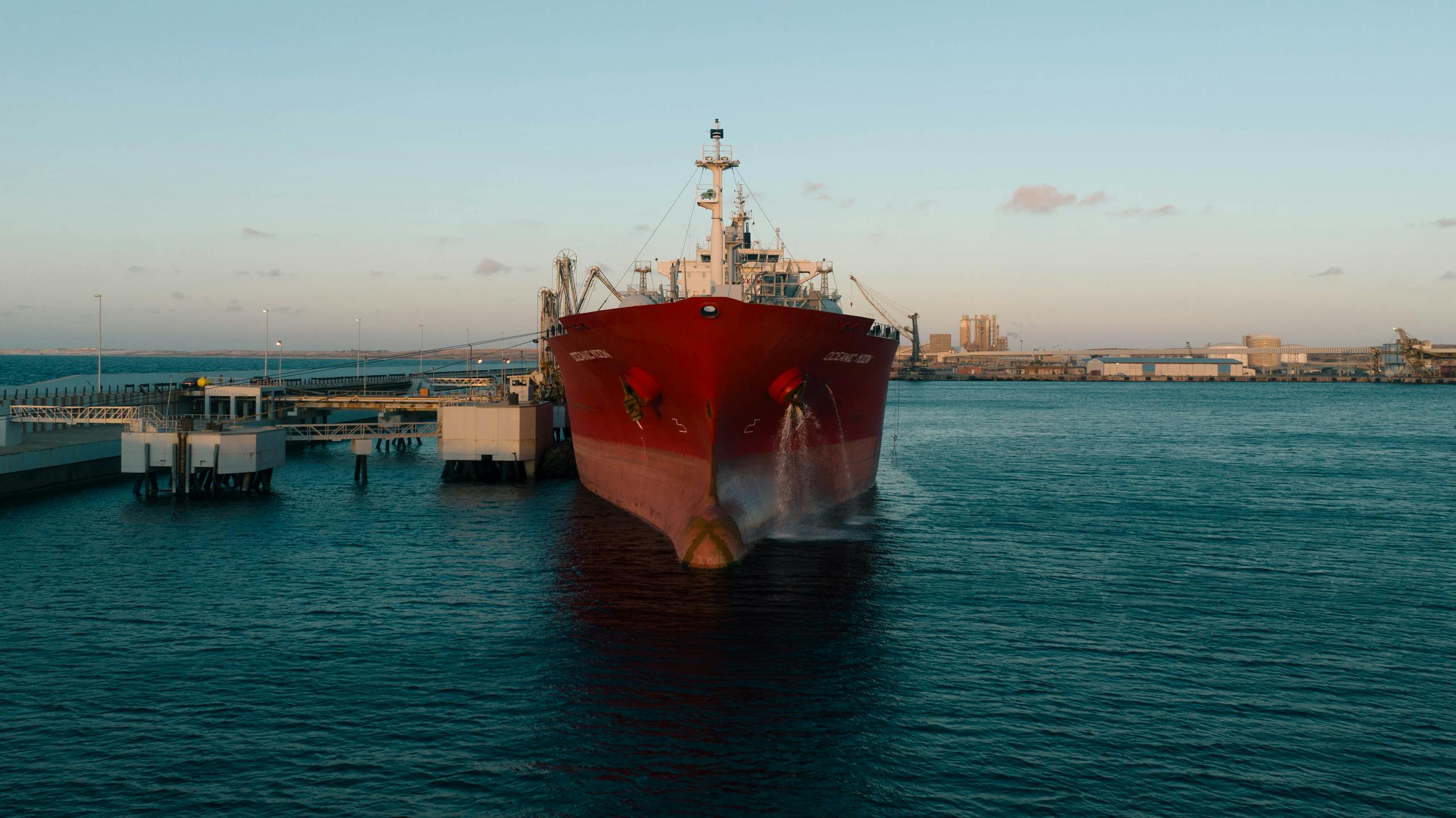
Oil prices usually move with supply, demand, inventories, and production policy. In this crisis, ship movement has become just as important. Reports of LNG tankers and crude carriers passing through the strait gave traders hope that shipping might slowly restart, but a few successful voyages do not prove that the route is fully safe.
Tankers need more than open water. They need insurance coverage, safe navigation, port coordination, and confidence that mines or missile threats will not return. If shipping looks uneven or risky, buyers may still be willing to pay more for crude. That keeps pressure on Brent even when some vessels manage to pass through.
Asia Has the Most to Lose from a Hormuz Shock.

Asian energy buyers face the sharpest exposure because most of the crude moving through the Strait of Hormuz flows east. In 2024, 84% of crude oil and condensate passing through the strait went to Asian markets, with China, India, Japan, and South Korea taking the largest share.
That means a serious disruption could hit Asian refiners first, but the pain would not stay there. If China and India compete for replacement barrels from other regions, prices can rise for everyone. If Japan and South Korea face supply anxiety, fuel security becomes a bigger political concern. The oil market is global, so a squeeze in one region can quickly become a worldwide pricing problem.
Mine Risk Makes the Crisis More Dangerous.
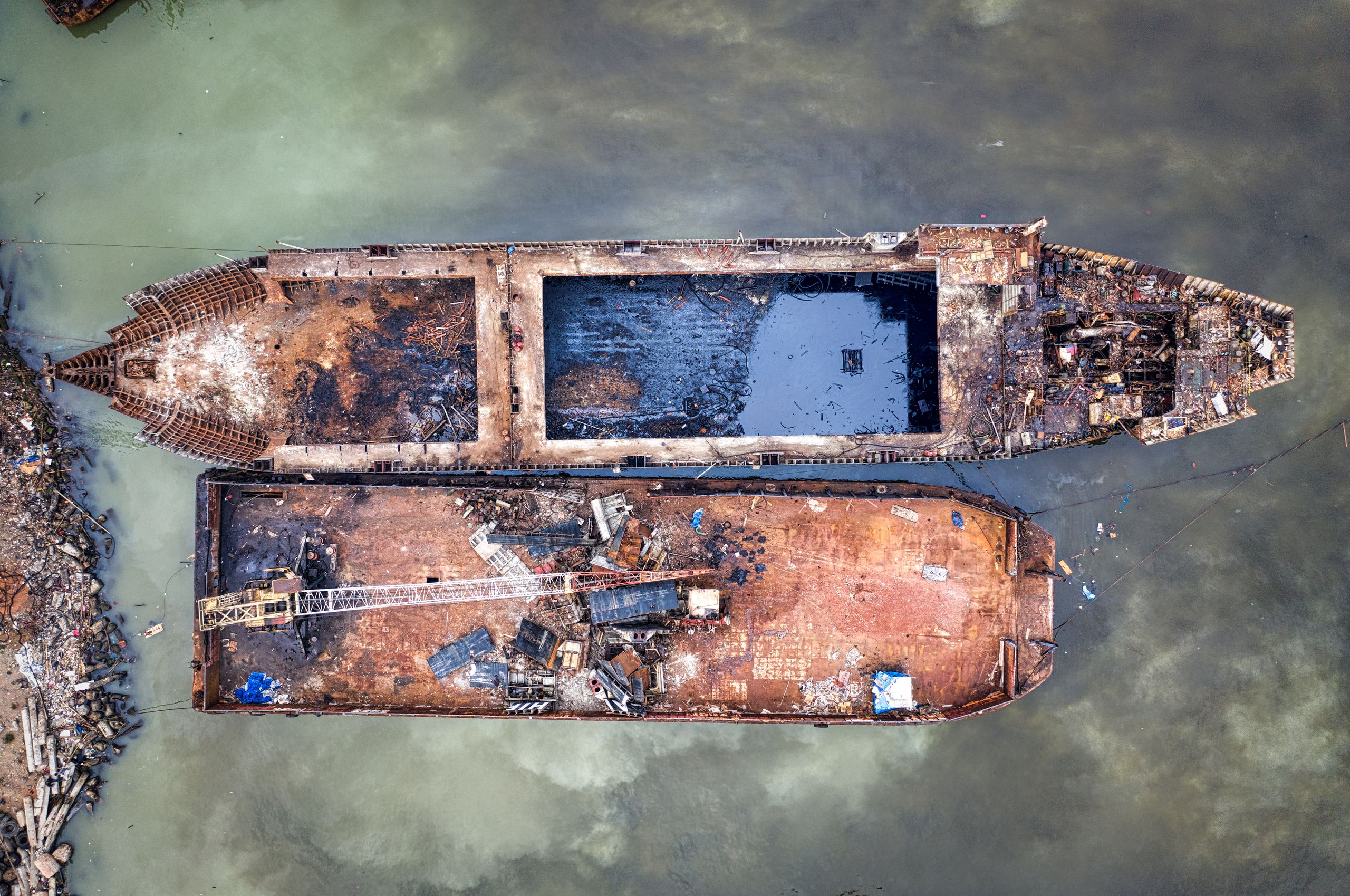
The mention of boats allegedly laying mines matters because mines create a slower, more frightening form of market risk. A missile attack can be immediate and visible. A mine threat can linger, forcing shippers to question whether the waterway is safe even after the shooting stops.
That kind of uncertainty can delay the market recovery. Even if diplomats announce progress, commercial shipping may not return to normal until crews, insurers, and naval forces believe the route has been cleared. Brent prices can remain elevated during that waiting period because traders are pricing in the time it will take to restore trust.
A Deal Could Calm Prices, But It Must Look Real.

Diplomacy remains the biggest force that could cool the market. Reports of progress toward a possible agreement helped push oil lower before the fresh strikes brought fear back. That sharp reversal shows how much traders want a deal, but it also shows how little patience they have for vague promises.
A credible agreement would need more than polite language from officials. It would need safe tanker passage, mine clearing steps, clear enforcement, and enough trust between Washington and Tehran to prevent another sudden escalation. Without those pieces, oil traders may continue to treat every hopeful headline as temporary.
Consumers Could Feel the Shock Through Fuel and Inflation.

The first reaction happens on trading screens, but the wider impact can reach ordinary households. Higher crude prices can feed into gasoline, diesel, jet fuel, shipping costs, and grocery prices. Diesel is especially important because it powers trucks, farm equipment, construction machinery, and freight systems that move goods across countries.
This is why oil shocks matter even to people who never follow commodity markets. When crude stays expensive, transport costs rise. When transport costs rise, businesses often pass part of that pressure on consumers. A crisis near the Strait of Hormuz can begin as a military headline and end up as a higher bill at the pump, the airport, or the supermarket.
Conclusion
The latest jump in Brent crude shows how fragile the oil market becomes when military action, diplomacy, and a major shipping chokepoint collide. The Strait of Hormuz carries too much energy for traders to ignore, and every signal from the region now carries extra weight.
We should closely monitor tanker movements, mine clearing progress, and the tone of U.S,Iran talks. If safe passage becomes credible, prices could cool. If the crisis deepens, Brent may remain under pressure, and the impact could extend far beyond the oil market.