Donald Trump tried to stage a massive MAGA revival, promising an unforgettable show of political strength and loyal energy. Yet when the day came, the audience fell far short of expectations. The spectacle he imagined collided with reality, leaving empty seats, unmet hype, and questions about his movement’s reach. The rally became a cautionary tale about political momentum and perception.
Here’s what went wrong and why it matters for the former president.
The Hype Didn’t Match Reality
Trump’s team built anticipation around a huge crowd, music, and spectacle. Tickets were advertised as limited and sought-after, but social media buzz didn’t translate into actual turnout. The gap between promotion and reality highlighted the limits of marketing alone. Despite promises, the crowd was smaller than projected, signaling that enthusiasm might be less than assumed.
Performers Dropped Out
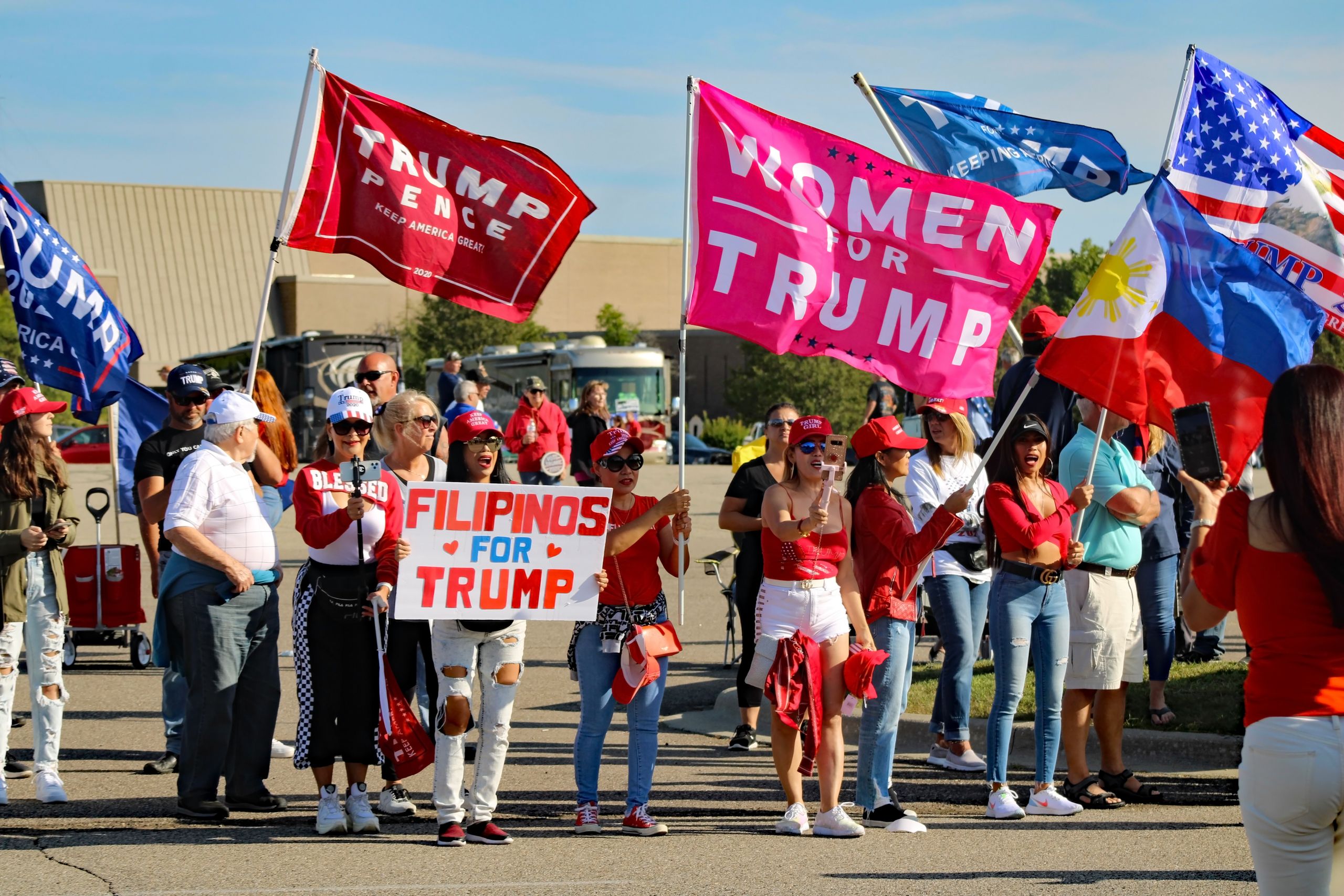
Many of the planned entertainment acts pulled out before the event, forcing the rally to rely heavily on Trump himself. Without musical or celebrity draws, the event felt less like a revival and more like a standard political speech. This undermined the intended celebratory atmosphere, revealing cracks in the planning and execution.
Empty Seats Were Visible
Observers noticed significant gaps in seating. Unlike past rallies, where packed crowds were the visual narrative, this one displayed clear space between attendees. Media and attendees alike pointed out the discrepancy, emphasizing that actual presence did not live up to expectations and reducing the rally’s perceived power.
Younger Voters Stayed Away
Trump aimed to energize young voters, but turnout skewed older. The demographic shift suggested that while his base remains loyal, engaging younger supporters remains a challenge. Low youth presence reinforced concerns about the movement’s ability to expand beyond its established audience.
Social Media Framing Clashed With Reality
Online, the rally was presented as overwhelming and energetic. Photos and clips were strategically framed, but independent reports noted smaller numbers and empty areas. This mismatch between image and reality highlighted the gap between curated perception and on-the-ground realities.
Attendance Doesn’t Equal Support
Even with low turnout, many supporters remain loyal. Surveys suggest some fans prioritize online engagement or political influence over attending rallies. This explains why the crowd may look modest despite solid base support, highlighting the difference between presence and political commitment.
Logistics and Timing Affected Numbers
Scheduling conflicts, ticketing confusion, and travel challenges further suppressed attendance. Organizers underestimated logistical barriers that prevented potential attendees from arriving. Practical challenges turned hype into empty seats, demonstrating the importance of planning beyond mere promotion.

Messaging Tried to Spin Weakness
Trump and his team reframed the narrative, focusing on loyal attendees and deflecting attention from low turnout. By emphasizing devotion and questioning critics, they attempted to convert perceived weakness into a rhetorical advantage. This tactic illustrated the strategic management of optics in political events.
Political Implications Are Clear
A smaller-than-expected crowd feeds narratives about momentum and influence. Empty seats can create perceptions of declining power, affecting media narratives, rival campaigns, and voter impressions. Even a single event can shape broader discussion about a movement’s strength and viability.
Momentum Needs More Than Hype
The rally underscored that political energy can’t be sustained by marketing alone. Real-world turnout, demographic engagement, and logistical planning are essential for creating credible spectacles. Without these, even the most hyped events risk falling short, as Trump’s rally illustrated.
Conclusion
The attempted MAGA revival became a vivid example of the gap between expectation and reality. Empty seats, absent performers, and limited demographic reach painted a picture of a movement struggling to convert hype into tangible presence. For Trump, it showed that loyalty is not always visible, and momentum requires more than promotion—it demands real engagement and execution.