A family dinner can turn awkward fast when someone older starts bragging about how hard life used to be. They talk about working sick, never resting, getting punished without complaint, paying their own way, or surviving without “all this modern nonsense.” The younger people at the table may laugh politely, but the room can feel tense. What was meant to sound impressive can come off as a confession.
That is the strange discomfort behind the things Gen X and Boomers brag about. Many of these stories are rooted in real struggle, and nobody should dismiss what older generations survived. They faced recessions, layoffs, strict parents, unsafe workplaces, high interest rates, social pressure, and a world that often rewarded silence over honesty. Still, surviving something does not always make it admirable.
Some bragging points sound less like strength and more like proof that people were forced to accept less care, rest, safety, and emotional support than they deserved. Younger adults hear those stories and wonder why pain became a badge of honor. If a habit damaged someone’s health, family, confidence, or finances, maybe it should not be passed down like wisdom.
The most uncomfortable part is that these old bragging points still shape homes, offices, marriages, and parenting styles today. They show up in comments about lazy workers, soft kids, needy spouses, therapy, sleep, debt, and independence. These are the things Gen X and Boomers brag about that should make people pause before applauding.
Working Sick

Some older adults still brag about going to work with a fever, a bad cough, a migraine, or a body that clearly needed rest.
They frame it as discipline, toughness, or loyalty to the job. In factories, offices, schools, hospitals, restaurants, and stores, that attitude taught many workers to treat sickness like a character flaw. The problem is that showing up sick does not always prove commitment. Sometimes it just spreads illness and delays recovery.
This brag sounds especially strange after years of public health conversations about contagious illness and workplace safety. People living paycheck to paycheck may still feel forced to work sick because missing a shift can mean missing rent. That is not noble. It is a broken tradeoff. A person should not have to choose between healing and keeping the lights on.
Never Taking a Vacation
Bragging about never taking a vacation can sound hardworking at first. Then it starts to sound lonely. Some Gen Xers and Boomers speak proudly of years without a real break, as if rest were a weakness and burnout were a badge of honor. They may not realize they are describing missed birthdays, rushed holidays, strained marriages, and bodies that learned to run on stress.
The hidden cost is personal. Children remember unavailable parents. Spouses remember being alone with the house, the bills, and the emotional load. Workers remember the company that praised sacrifice but replaced them quickly when they got sick, retired, or burned out. Chronic workplace pressure can hurt mental health, and work stress worsens when people are exposed to it for too long.
Paying for Everything Alone
Older generations sometimes brag about moving out young, paying their own rent, buying cars, raising kids, and “never asking anybody for help.” Some of that independence deserves respect. Many people worked hard with fewer conveniences.
Still, the brag can turn ugly when it ignores how much the cost of ordinary life has changed. Rent, health care, childcare, college, insurance, and groceries do not feel like the same math anymore.
The awkward truth is that independence often depended on cheaper housing, more stable jobs, family help that went unnamed, or social conditions that younger adults lack. Many households today would struggle to cover surprise bills without borrowing, selling something, or falling behind. Bragging about never needing help can shame people who are already doing everything they can.
Treating Emotional Silence Like Maturity
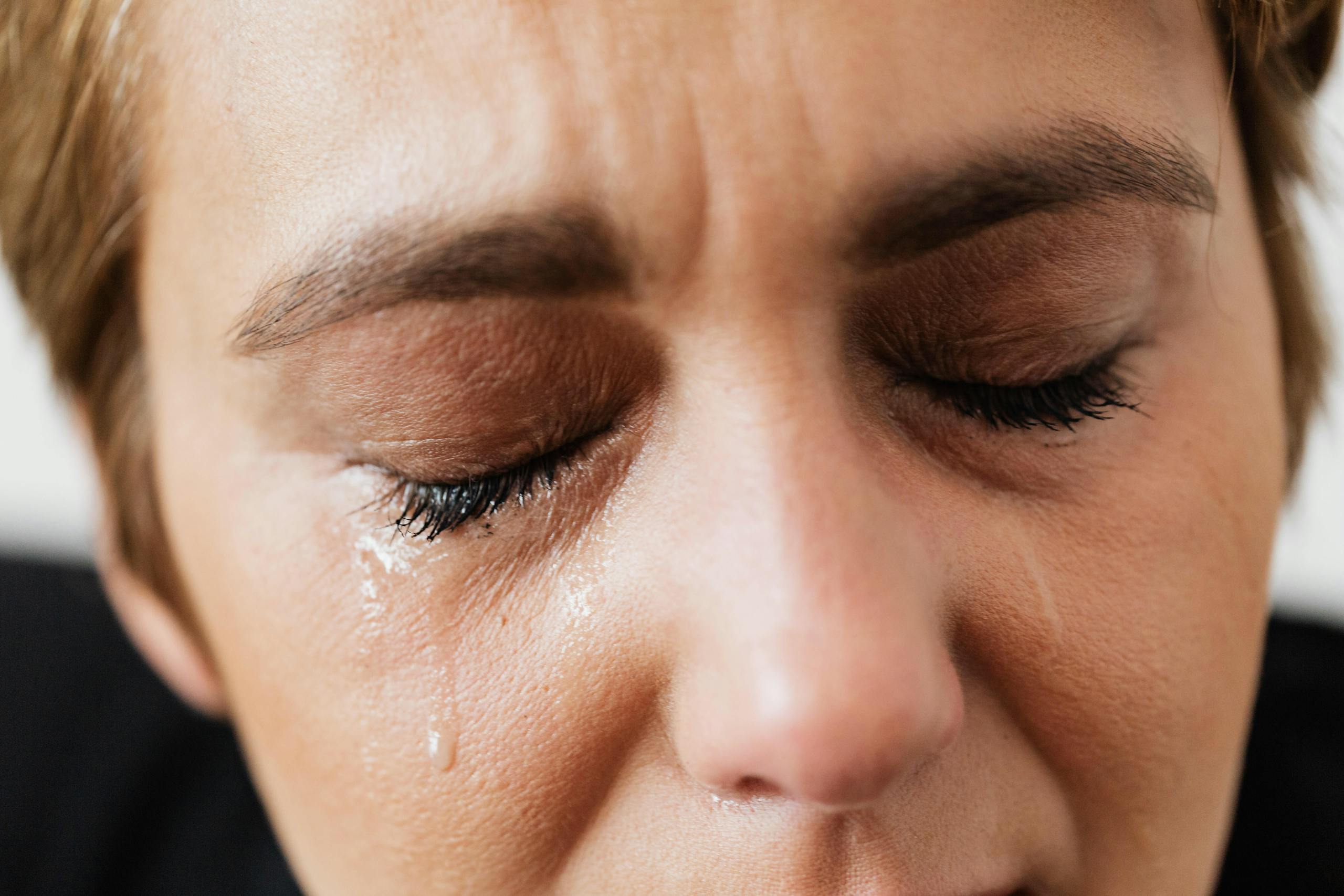
Some Gen Xers and Boomers brag about not talking about feelings, not crying, not needing therapy, and not “airing family business.” They may see emotional silence as dignity. Younger people often hear something else. They hear years of swallowed grief, buried anger, unfinished apologies, and families that learned to avoid each other rather than heal.
This habit can damage marriages and parent-child relationships for decades. A father who never learned to talk may raise children who mistake distance for strength. A mother who never expresses pain may teach everyone else to guess what she needs. Silence can keep a house calm, but it can also keep everyone lonely. The strongest families are not always the quietest ones.
Harsh Parenting
Some older adults still brag about being raised with fear, strict punishment, public embarrassment, or no emotional comfort. They may say it made them respectful or tough. Sometimes they even use those memories to criticize younger parents who explain, apologize, or listen to their children. The problem is that fear can create obedience, but it does not always create trust.
This kind of brag can make younger relatives uncomfortable because it often sounds like pain being rebranded as tradition. Children need boundaries, but they also need safety and connection. A grown adult laughing about how scared they were of a parent may not realize how sad it sounds. Not every old method deserves another generation.
Refusing Therapy
Bragging about never needing therapy can sound like strength to some older adults. They may see counseling as a weakness, drama, or something only other people need. Yet many families carry anxiety, grief, addiction, anger, trauma, divorce, caregiving stress, and resentment that never disappear just because nobody names them. Silence may protect pride, but it rarely repairs damage.
The sad part is that untreated pain often leaks out somewhere else. It can show up as rage, control, emotional distance, drinking, work obsession, or constant criticism. Younger generations are not perfect, but many are more willing to call pain by its name. That is not softness. Sometimes it is the first honest thing a family has done in years.
Surviving Without Seat Belts Was Reckless

Some older adults still joke about riding in truck beds, sleeping across back seats, sitting on a sibling’s lap, or cruising without seat belts. They tell the story like it was freedom. Younger people often hear danger. The fact that someone survived a reckless habit does not turn the habit into good judgment.
This is one of the clearest examples of nostalgia getting too generous. Safety rules exist because too many families learned the hard way. Seat belts have saved more lives than any other vehicle technology over the decades, saving hundreds of thousands of people from 1960 to 2012. Bragging about skipping them does not sound brave. It sounds lucky.
Sleep Deprivation
Many Gen Xers and Boomers brag about sleeping four hours, working doubles, raising kids on fumes, or never needing much rest. They may mean they pushed through hard seasons, which many people respect. Still, turning exhaustion into a personality trait can send a damaging message. A tired body is not proof of moral superiority.
This brag becomes especially harmful in families where younger adults already feel guilty for needing rest. Parents, caregivers, students, nurses, drivers, and shift workers know sleep is not a luxury. Adults are generally urged to get at least 7 hours of sleep nightly for better health and daily functioning. Glorifying exhaustion can make people ignore the warning signs their bodies are begging them to notice.
Mocking Shared Housework
Some older men brag about never changing diapers, never cooking, never cleaning bathrooms, or never learning how the washing machine works. Some older women laugh along because they were trained to expect less. That kind of brag does not sound charming anymore. It sounds like one person got a partner and the other got a dependent.
This issue still matters because homes run on invisible labor. Meals, appointments, laundry, school forms, medicine refills, grocery lists, family calls, and holiday plans do not magically happen. More than half of married adults have called shared household chores very important to a successful marriage. Bragging about not helping at home is not a flex. It is a confession.
Having No Close Friends

Some Gen Xers and Boomers brag about not needing friends, not trusting anyone, or only caring about work and family. That can sound independent, but it can also sound painfully isolated. A person may think they are protecting themselves from drama. Over time, they may be building a life with fewer people to call when grief, illness, divorce, retirement, or aging hits.
This is where the brag turns sad. Human connection is not childish. It is part of survival. Weak social connections have been linked to serious health risks, including higher risks tied to heart disease, stroke, anxiety, depression, dementia, and premature death.
Of all the things Gen X and Boomers brag about, pretending not to need anyone may be the one that should worry families most. Should people talk about this more honestly?