A children’s lemonade stand robbery in South Boston has become more than a strange crime story. It has become the kind of neighborhood shock that makes parents look twice at the sidewalk, the bus stop, the corner store, and the small summer routines that once felt harmless.
Boston Police say two children were operating a lemonade stand on West Ninth Street on Wednesday, June 10, 2026, when two suspects approached after allegedly passing by several times. What began like a normal childhood hustle quickly turned into a reported armed robbery. Police say one suspect grabbed a cash box, another displayed a black firearm in his waistband, and both fled the area.
We should be careful not to turn this into a punchline. The amount reportedly taken was small, about $50, according to local reporting. But the emotional cost was much larger. A lemonade stand is supposed to represent trust, childhood independence, and a neighborhood’s soft edges. When police say that the space was interrupted by a weapon, the story stops being odd and starts to feel deeply uncomfortable.
Police Say the Suspects Asked About Apple Pay Before the Robbery

According to Boston Police, officers assigned to District C-6 responded at about 4:44 p.m. to a radio call for an armed robbery in the area of West Ninth Street in South Boston. When officers arrived, they spoke with two children who had been running the stand.
The children told police the suspects made several passes by the lemonade stand before approaching. Police say the suspects then asked whether Apple Pay would be accepted as payment. That detail is one reason the case spread so quickly. It made the incident feel both modern and chillingly casual, as though the suspects used a normal customer question to get close.
Before the children could respond, police say the suspects grabbed a box containing U.S. currency. One suspect then allegedly displayed a black firearm in his waistband before both individuals fled. That sequence matters because it turns a simple theft accusation into an armed robbery investigation.
Local reports placed the stand near 157 West Ninth Street and E Street, an area where children selling lemonade should have been the least alarming thing happening on a summer afternoon. Instead, the corner became a crime scene and a public conversation.
The Arrest Update Changed the Case, But Not the Concern
On June 12, Boston Police said detectives assigned to District C-6 arrested a 14-year-old juvenile male in South Boston. Police said the suspect was expected to be arraigned in Boston Juvenile Court on two counts of armed robbery and two counts of unlawful possession of a firearm.
That update gave the case a sharper legal direction, but it did not close the story. Boston Police said they were still reviewing the facts and circumstances and continued to urge anyone with information about the second suspect to contact detectives.
The word “juvenile” is doing a lot of work here. We are not talking about a crew of hardened adults targeting a business. Police and local reports describe a case involving children as victims and juveniles as suspects. That is what makes the story so unsettling.
It forces a harder question for South Boston and beyond. What happens when childhood spaces are touched by adult-level fear? A lemonade stand does not have security cameras, a panic button, or trained staff. It has kids, a table, a cash box, cups, and the assumption that the neighborhood will protect them.
Why This Story Hit Parents So Hard
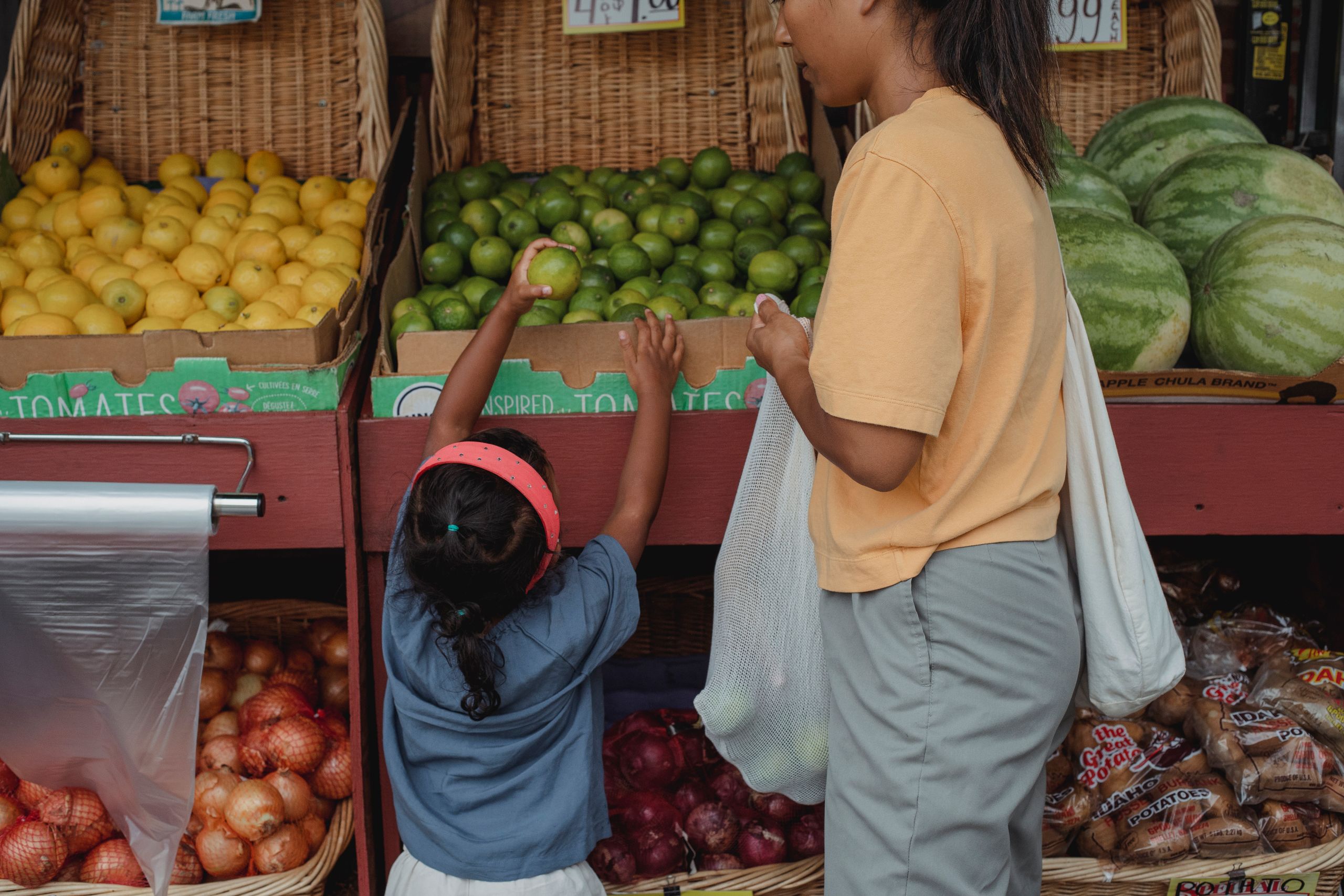
Parents understand the lemonade stand in a way that statistics cannot explain. It is often one of the first small businesses a child runs. They learn how to count change, talk to neighbors, make signs, and feel proud when someone stops for a cup.
That is why this robbery landed with such force. It was not just the reported weapon. It was the target. Two children were allegedly confronted while doing something that families often encourage because it feels innocent, social, and safe.
We can debate crime policy, youth intervention, police presence, and neighborhood responsibility. But before all of that, there is a simpler emotional truth. A child should not have to decide what to do when someone allegedly flashes a gun near a lemonade stand.
Local reporting said the children were shaken but physically unharmed. That distinction matters, but it does not erase the harm. Fear can change how a child sees a street they once walked without thinking. It can turn a short trip to a bus stop into something that feels loaded.
The $50 Detail Is Not the Real Story.
Many people will focus on the reported $50 because the amount seems almost absurd, given the seriousness of the allegation. But that small amount is exactly why the story feels so outrageous. If police accounts are correct, a terrifying moment was created over cash that would barely cover a family dinner.
The small dollar figure also exposes the moral imbalance at the center of the case. The alleged robbery was not about a major payday. It was about a cash box held by children. That is what makes the incident feel less like a routine crime brief and more like a community warning sign.
We should avoid pretending that one case proves an entire city is unsafe. That would be careless. But we should not dismiss the public reaction as overblown either. When a weapon is allegedly shown to children in broad daylight, people are going to ask whether familiar places still feel protected.
This is where the story becomes larger than South Boston. Across America, parents are already anxious about schools, parks, malls, buses, and youth violence. A lemonade stand robbery fits into that broader fear because it strips away the idea that some childhood spaces are naturally off-limits.
South Boston Responded With More Than Outrage
The community response became a major part of the story. Local reports said neighbors and supporters rallied around the children, with people showing up to support a new lemonade sale after the incident. The gathering was not just about replacing the lost money. It was about reclaiming the corner.
That response matters because communities often reveal themselves after something ugly happens. A neighborhood can retreat into fear, or it can show children that a single frightening act does not have the final word. South Boston appeared to choose the second option.
The reported plan to donate part of the proceeds to gun violence prevention added another layer to the story. It shifted the moment from simple sympathy to civic action. Instead of letting the robbery define the children’s summer, supporters tried to turn the stand into a statement.
We can call that symbolic, but symbols matter in neighborhood life. A lemonade stand reopening after an alleged armed robbery says something direct: children should still be able to belong outside. The street should not be surrendered to fear.
The Youth Crime Question No One Can Ignore
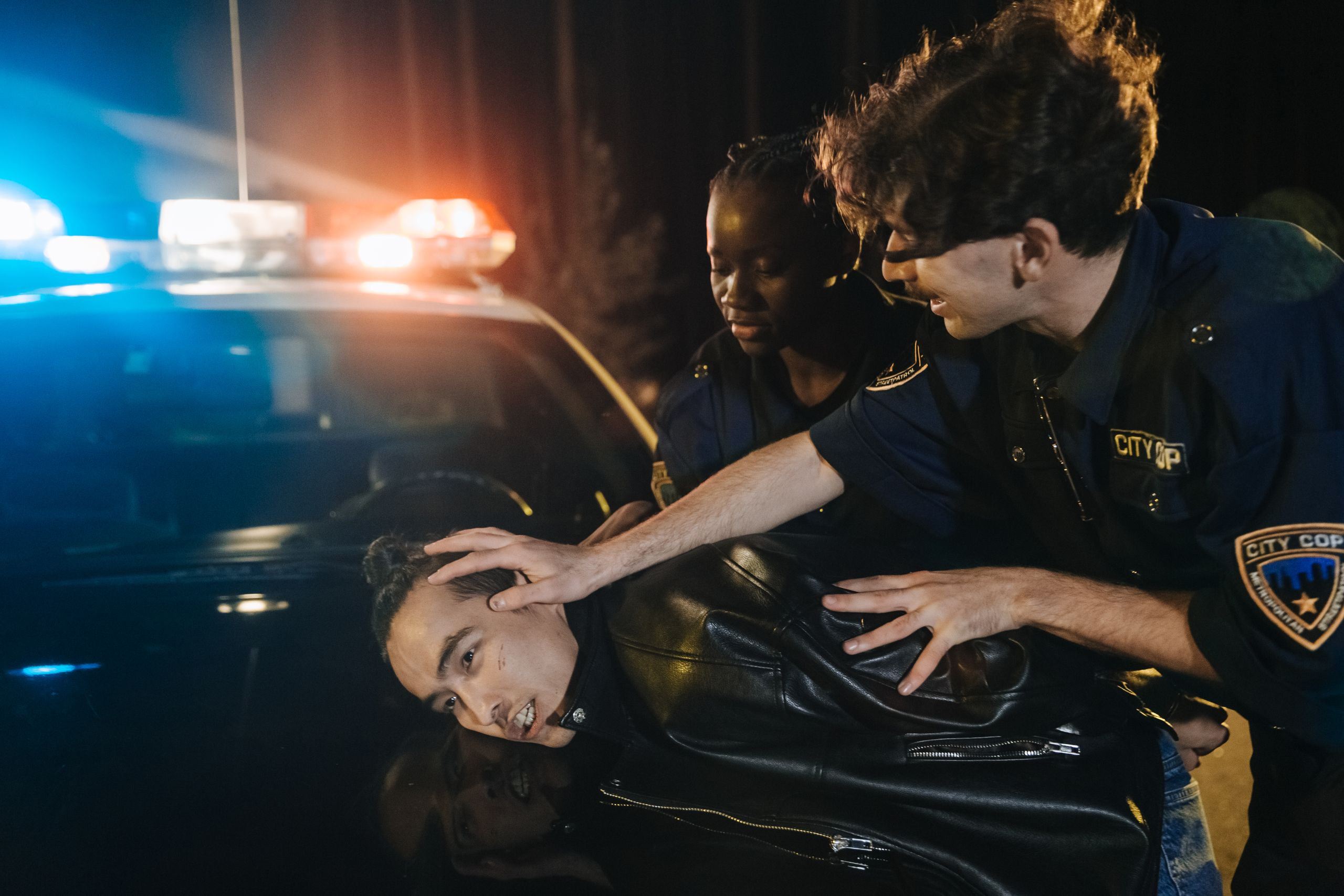
Because the suspect arrested is 14, this case naturally raises questions about youth crime, accountability, and prevention. Those questions are difficult because they require two thoughts at once. A young suspect can still be legally accountable, and a community can still ask what failed before a child reached that point.
The juvenile court process will determine the legal outcome. The public conversation will likely move faster and louder. Some people will call for more police presence. Others will focus on youth programs, family support, school intervention, gun access, or neighborhood outreach.
A serious response should not reduce the issue to one slogan. If a juvenile is accused of carrying or displaying a firearm during a robbery, that is not normal misbehavior. It is a warning that something has gone dangerously wrong before the police report was ever written.
We should ask how a firearm allegedly entered the picture. We should ask who saw the warning signs. We should ask whether young people in the area have enough structure, supervision, and consequences. We should also ask whether the city’s safety strategy reaches the corners where children actually spend time.
What Parents Can Take From the South Boston Lemonade Stand Case
The answer is not to stop children from being outside. That would give fear too much power. But parents may reasonably rethink how they supervise small sidewalk activities, especially when cash is involved.
For lemonade stands, yard sales, school fundraisers, or neighborhood pop-ups, families can set basic safety habits without turning childhood into a lockdown. An adult can remain within sight. Cash can be kept low and moved indoors often. Children can be told not to argue over money or property if they feel threatened.
Parents can also teach children that safety comes before pride. If someone grabs a cash box, the child’s job is not to fight, chase, or recover it. Their job is to get away, find an adult, and call 911. That lesson can feel heavy, but it is better taught calmly before a crisis.
Communities also have a role. Neighbors who see children selling lemonade can do more than buy a cup. They can keep an eye on the street, notice suspicious behavior, and create an informal safety net that makes public spaces feel shared.
What Investigators Still Need From the Public
Boston Police said anyone with information about the second suspect should contact District C-6 detectives at 617-343-4742. Police also said community members can submit information anonymously through CrimeStoppers by calling 1-800-494-TIPS, texting “TIP” to CRIME, or using the department’s online CrimeStoppers option.
That public request is important because daylight crimes often leave a trail. Someone may have seen the suspects walking before the incident. Someone may have doorbell footage, dashcam footage, or cellphone video. Someone may know who was in the area around West Ninth Street shortly before 4:44 p.m.
In cases involving juveniles, reliable information matters even more. Rumors can spread quickly, especially online, and they can damage innocent people. The safest route is to send tips directly to police and allow detectives to sort evidence from noise.
Boston Police also pointed those affected by the incident toward the Boston Neighborhood Trauma Team, which provides free, confidential, 24-hour emotional support. That detail should not be overlooked. After a frightening event involving children, emotional support is not extra. It is part of recovery.
The Bigger Message Behind One Small Lemonade Stand
This case will be remembered because it feels like a violation of something simple. Not a bank. Not a store. Not a late-night scene. A children’s lemonade stand in South Boston, in the afternoon, with a cash box and two kids trying to make a little money.
We can hold two truths at once. Boston Police have made one reported juvenile arrest, and the legal process must still run its course. At the same time, the public reaction is understandable because the alleged crime touched a symbol of childhood independence.
The most compelling part of the story may not be the robbery itself. It may be what happened after. Neighbors showed up. The children were supported. The stand became more than a table with drinks. It became a reminder that communities are judged not only by what goes wrong, but by how firmly they stand around their kids when it does.