Sen. Mitch McConnell’s hospitalization has placed one of Washington’s most influential political figures back under national scrutiny at a moment already defined by transition and uncertainty. His office confirmed the 84 year old Kentucky Republican was admitted to the hospital Sunday morning and is receiving excellent care.
No further details were released about his condition or what led to the admission. The limited information has only deepened attention around the situation. The development comes as McConnell remains a sitting senator during the final stretch of a decades long career that helped shape the modern Republican Party.
Although he stepped down from Senate GOP leadership, he continues to play a role in key legislative dynamics and institutional decisions. In a narrowly divided Senate, even a temporary absence can quietly shift the balance of negotiations and timing. That reality adds political weight to what is, at its core, a health update.
A brief statement that created a political information vacuum
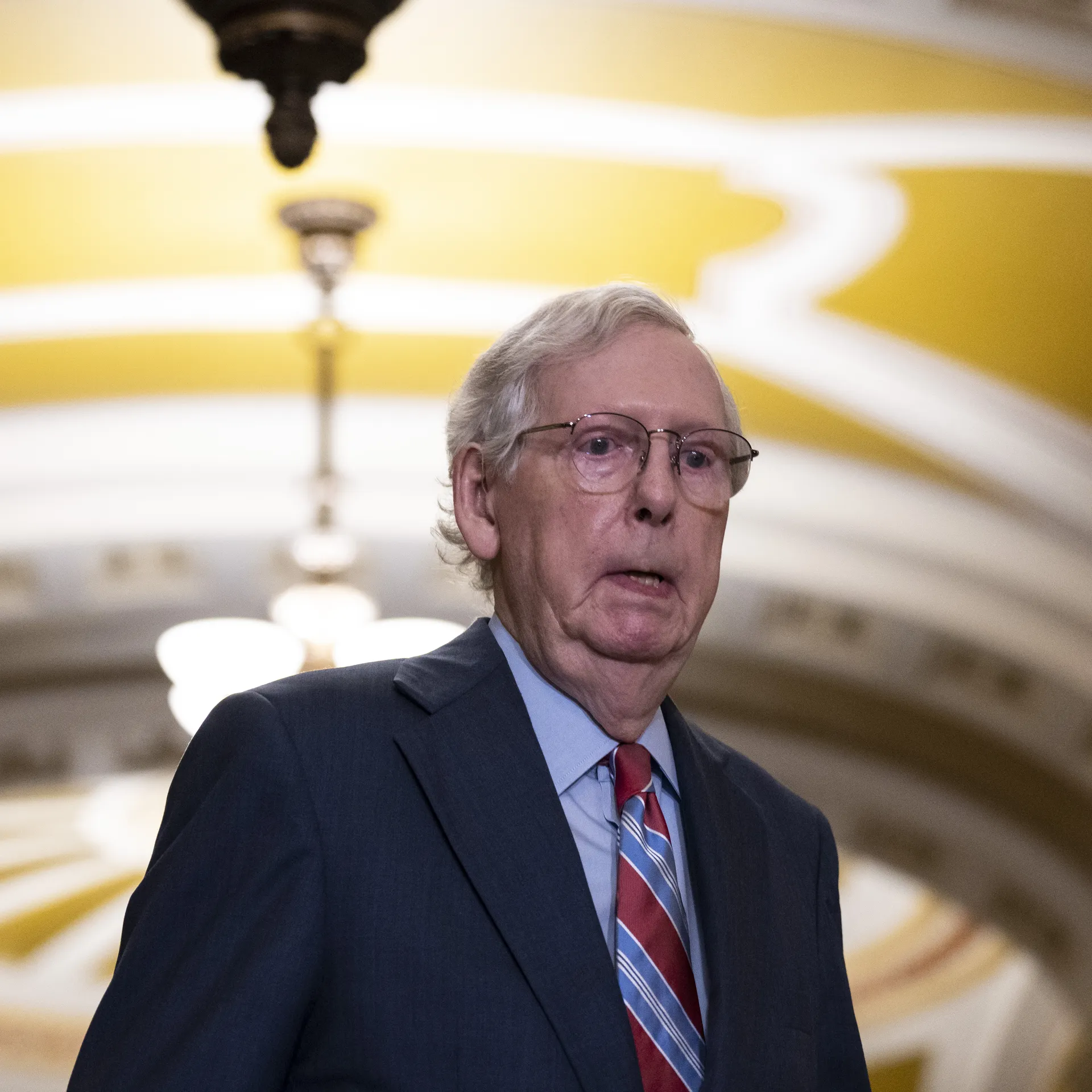
ThatLexingtonKyGuy, CC0, via Wikimedia Commons
McConnell’s spokesperson confirmed the hospitalization in a short and carefully worded statement, offering no explanation for the cause or severity. The office only noted that he is receiving excellent care and did not provide any timeline for recovery or return. That absence of detail has created a vacuum that Washington is now trying to cautiously interpret.
In modern politics, limited disclosure often becomes part of the story itself. McConnell is not an ordinary senator, and his health updates carry national interest because of his institutional role and long record of leadership. Even small uncertainties around his condition can quickly become the focus of political discussion.
For now, there is no confirmed indication of whether this is precautionary or more serious. That uncertainty leaves reporters, colleagues, and political observers relying strictly on official statements. In Washington, where information is power, silence often speaks louder than details.
A familiar pattern of health concerns now back in focus
This is not the first time McConnell’s health has raised public concern in recent years. In 2023, he suffered a concussion and broken ribs after a fall in Washington, an incident that temporarily removed him from Senate duties. The recovery period raised early questions about how long he could sustain the demands of daily political work.
Later that year, McConnell experienced episodes where he briefly froze during public remarks. Those moments drew national attention and sparked renewed discussion about aging leadership in high office. His team maintained that he was medically cleared to continue serving, but the episodes remained part of the public record.
McConnell also lives with the long-term effects of childhood polio, which has impacted his mobility throughout his life. He has occasionally used a wheelchair in recent years as a precaution, particularly during travel or extended public events. These health factors have made him one of the most closely watched senior figures in Congress.
A Senate career that defined an era of political power
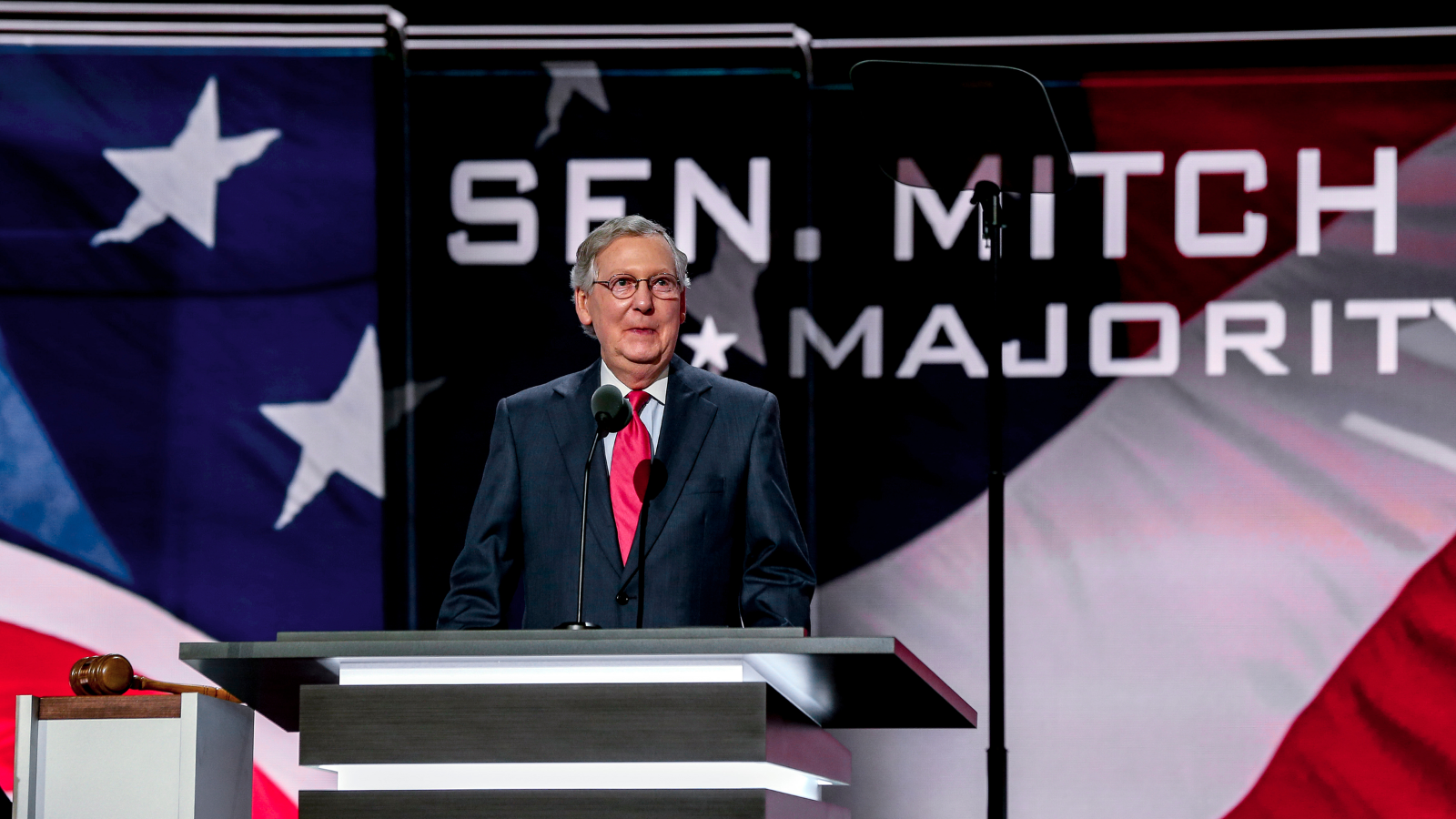
McConnell first entered the U.S. Senate in 1984 and has since become one of its most consequential figures. He served as Senate Republican leader from 2007 to 2025, including a period as majority leader that reshaped legislative strategy in Washington. His leadership style emphasized discipline, procedure, and long term institutional leverage.
One of his most lasting impacts came through the federal judiciary. McConnell played a central role in confirming hundreds of federal judges and helped secure three Supreme Court justices during Donald Trump’s first term. Those confirmations shifted the ideological balance of the courts in ways that will extend far beyond his time in office.
Even after stepping away from leadership, McConnell remained an active force in Senate politics. His influence continued through committee dynamics, policy debates, and strategic positioning within the Republican caucus. His presence, even in reduced form, still carries institutional weight.
The Republican Party is increasingly moving in a different direction.
McConnell’s later years in the Senate have also highlighted a growing divide within the Republican Party. While he supported much of Donald Trump’s first-term agenda, their relationship became increasingly strained over nominations, foreign policy, and party direction. That divide reflects a broader shift inside the GOP.
McConnell has maintained a more traditional conservative stance, particularly on foreign policy issues involving Ukraine and China. He has consistently supported a strong U.S. role in global affairs, contrasting with the more isolationist positions gaining traction in parts of the party. These differences have placed him at odds with segments of the modern Republican base.
His opposition to certain high-profile nominations, including Robert F. Kennedy Jr. for Health and Human Services Secretary, further underscored that divide. McConnell framed his concerns around qualifications and institutional standards. That approach reflects a governing philosophy rooted in traditional Senate norms.
Kentucky prepares for a major political succession battle.

McConnell has already announced he will not seek reelection in 2026, marking the end of a Senate career spanning more than four decades. His current term runs through January 2027, but the political transition in Kentucky is already well underway. The race to replace him is now a national focal point.
Republican Rep. Andy Barr, backed by Donald Trump, is among the leading contenders to hold the seat for the GOP. Democratic candidate Charles Booker is positioning himself as an alternative in a state that has remained solidly Republican in federal elections. The race is expected to test both party strength and voter alignment in a post-McConnell era.
This is not just a standard Senate contest. It is a succession battle for a seat defined by one of the most powerful political figures of the last half-century. Whoever wins will inherit the office, but not the institutional network McConnell built over decades.
The quiet power shift inside a closely divided Senate
McConnell’s hospitalization also draws attention to the fragile balance inside the current U.S. Senate. With narrow margins between parties, attendance and participation can directly influence legislative outcomes. Even short-term absences can affect negotiations, confirmations, and procedural votes.
That reality highlights a less visible dimension of Washington politics. Power is not only shaped by elections and leadership titles but also by physical presence and continuity. In this environment, the health of senior lawmakers becomes a matter of institutional stability.
McConnell’s situation reflects that dynamic particularly visibly. He remains part of the chamber’s structure even as his career approaches its end. His absence, even temporarily, becomes part of the Senate’s operational reality.
Aging leadership and the question Washington keeps revisiting
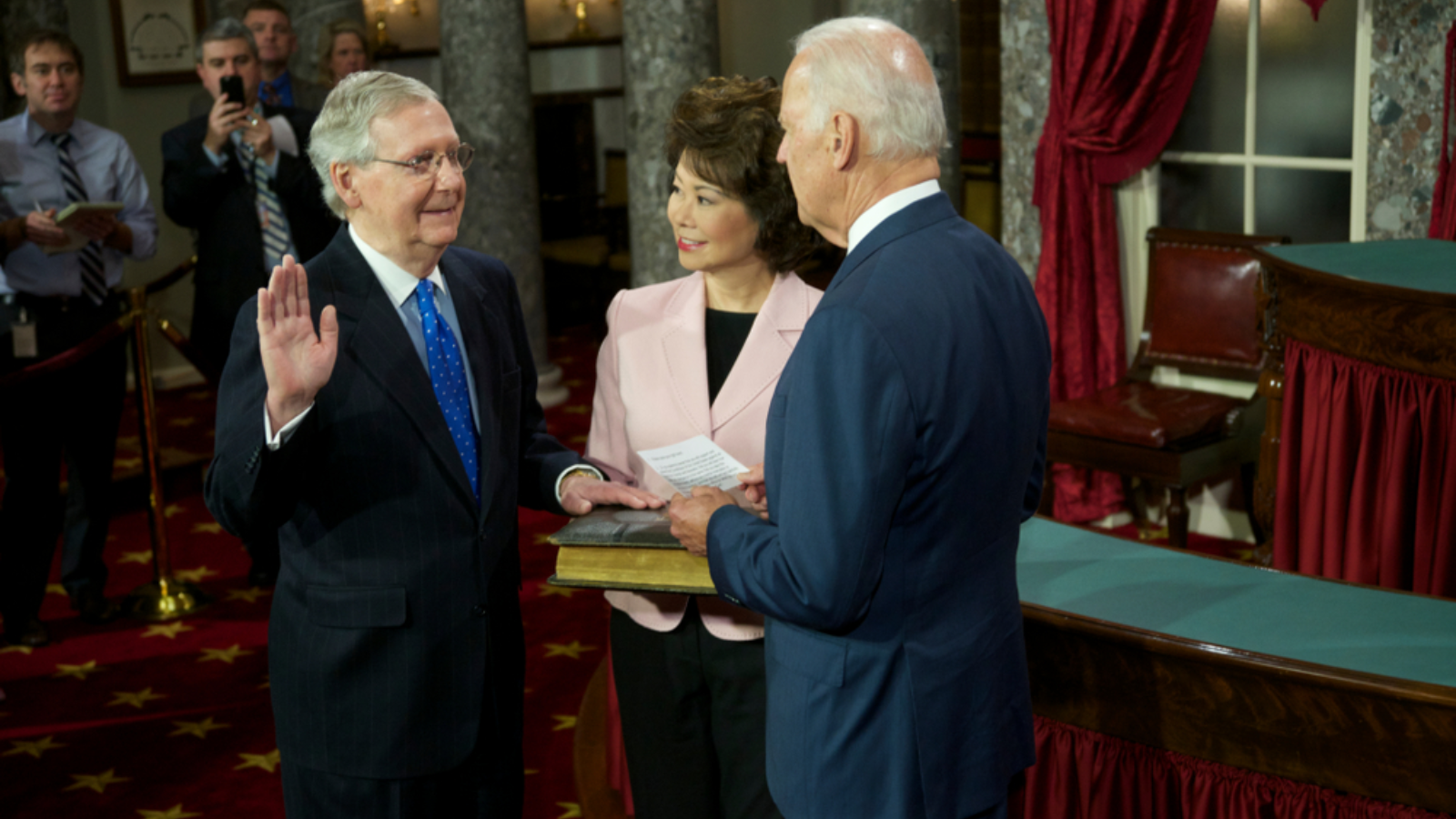
McConnell’s hospitalization also feeds into a broader national conversation about aging leadership in American politics. Many members of Congress continue to serve well into their 70s and 80s, maintaining experience and institutional memory. At the same time, questions about stamina and transparency continue to surface.
This debate is not limited to one party or one individual. It reflects a structural feature of modern U.S. governance, in which long tenures are common, and leadership transitions often occur late in political careers. McConnell’s case brings that discussion back into focus in a highly visible way.
The balance between experience and endurance remains central to how voters evaluate elected officials. McConnell’s long tenure represents both the strengths and complexities of that system. His current health situation adds urgency to a conversation that has been building for years.
What comes next as Washington waits for updates
At this stage, no timeline has been provided for McConnell’s recovery or return to Senate duties. His office has not indicated whether he will participate in upcoming votes or maintain his usual schedule in the immediate future. Further updates are expected as more information becomes available.
For now, the Senate continues its work while monitoring the situation surrounding one of its most senior members. McConnell remains a sitting senator, and his presence, active or absent, still carries political significance. That reality underscores how closely personal health and public responsibility are linked at the highest levels of government.
As Washington waits, McConnell’s hospitalization serves as both a personal health matter and a moment of political reflection. It marks another step in a broader transition already underway inside the Senate and the Republican Party. The final chapter of his career is not only approaching but also unfolding in real time.