Stress has a sneaky way of pretending to be normal. It hides behind busy schedules, unpaid bills, family pressure, work deadlines, poor sleep, and the kind of tiredness people keep brushing off as life. The problem is that the body does not always know the difference between a real emergency and a life that keeps demanding more than it gives back.
A little stress can push a person to act, focus, or solve a problem. Chronic stress is different because it keeps the body switched on for too long, like a car engine left running overnight. Over time,that pressure can affect the heart, brain, gut, immune system, sleep, mood, weight, and even relationships in ways many people do not notice until the damage becomes apparent.
Stress Can Make Your Emotions Harder To Control
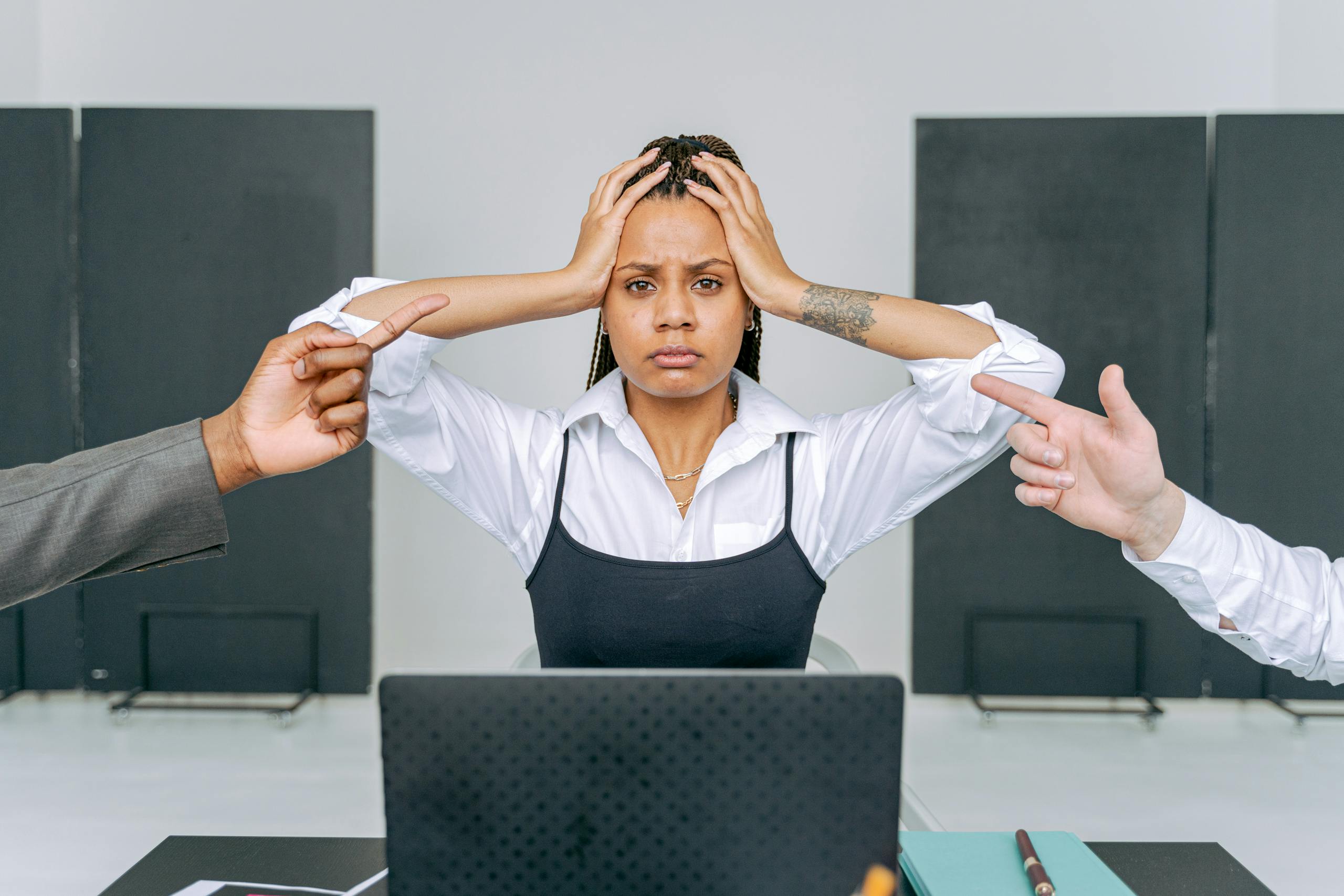
One of the first places stress shows up is in your reactions. You may snap at someone over a small mistake, cry over a minor setback, or feel irritated by things you would usually ignore. That does not mean you are weak; it means your brain is trying to manage too much pressure with too little recovery.
When stress keeps building, the brain becomes more reactive and less patient. Calm thinking takes more effort because the body is already bracing for danger. That is why a stressed person may know they are overreacting and still struggle to stop themselves in the moment.
Stress Can Put Extra Pressure On Your Heart
Stress is not just an emotional storm; it can become a physical workload for the heart. When the body senses pressure, it releases stress hormones that can raise heart rate and blood pressure. That response is useful in short bursts, but it becomes risky when it keeps happening day after day.
Chronic stress can also push people toward habits that quietly hurt heart health. Some people eat more comfort food, smoke more, drink more, sleep less, or stop exercising because they feel drained. The stress itself matters, but the lifestyle spiral around stress can make the problem even heavier.
Stress Can Wreck Your Sleep

A stressed mind loves to become loud at the worst possible time. The room goes quiet, the lights go off, and suddenly your brain starts replaying old conversations, future bills, missed tasks, and imaginary disasters. Sleep becomes harder because the body is still behaving as if there is a threat to handle.
Poor sleep then makes stress worse the next day. You wake up tired, more emotional, less focused, and more likely to reach for quick fixes like caffeine, sugar, or endless scrolling. Before long, stress and sleeplessness start feeding each other like two bad roommates who refuse to move out.
Stress Can Disturb Your Digestion
The gut often reacts to stress before the mouth can explain what is wrong. Some people feel nausea, cramps, bloating, constipation, diarrhea, or a heavy knot in the stomach during stressful seasons. That happens because stress can alter how the digestive system moves, absorbs, and communicates with the brain.
This is why people may lose their appetite under pressure or suddenly crave snacks when emotions run high. The body is trying to survive the stress, not politely follow a meal plan. When that pattern continues for weeks or months, digestion can become one of the clearest warning signs that life has become too heavy.
Stress Can Weaken Your Immune Defenses

Nobody enjoys getting sick right after a demanding season, but many people know the pattern too well. You push through deadlines, conflict, caregiving, travel, or money stress, and then your body seems to crash the moment things slow down. Stress can affect immune function, especially when the body does not get enough sleep, nutrition, movement, and recovery.
This does not mean stress alone causes every cold or infection. It means chronic pressure can leave the body less well prepared to defend itself. The immune system needs rest and balance, and stress can keep stealing both.
Stress Can Change Your Weight
Stress can affect weight in more than one direction. Some people lose weight because anxiety kills their appetite, upsets their stomach, or makes food feel unappealing. Others gain weight because stress increases cravings, late-night eating, emotional snacking, or reliance on fast, high-calorie meals.
The frustrating part is that stress can make healthy choices feel harder right when they matter most. Planning meals, exercising, drinking water, and sleeping well all require energy. When stress drains that energy, the body often reaches for the quickest comfort available.
Stress Can Affect Your Sex Life And Relationships

Stress can follow people into their most private spaces. It can lower desire, increase tension, affect performance, and make physical closeness feel like another demand instead of a source of comfort. When the mind is overloaded, intimacy can start feeling distant, even in relationships where love is still present.
It can also create emotional misunderstandings. One partner may feel rejected, while the stressed person may simply feel exhausted, distracted, or disconnected from their own body. Stress does not just steal time; it can steal tenderness if people never talk about what pressure is doing to them.
Stress Can Show Up In Your Teeth, Jaw, And Muscles
Some bodies carry stress in silence. The shoulders tighten, the neck stiffens, the jaw clenches, and teeth grinding can happen during sleep without the person realizing it. By morning, the body feels like it worked a night shift even though it was lying in bed.
Muscle tension is one of stress’s most common tricks because the body is preparing to protect itself. The trouble begins when there is no actual fight to finish and no real recovery afterward. Over time, that constant bracing can lead to headaches, jaw pain, back pain, and a general feeling of being physically worn down.
Stress Can Make You Feel Older Than You Are
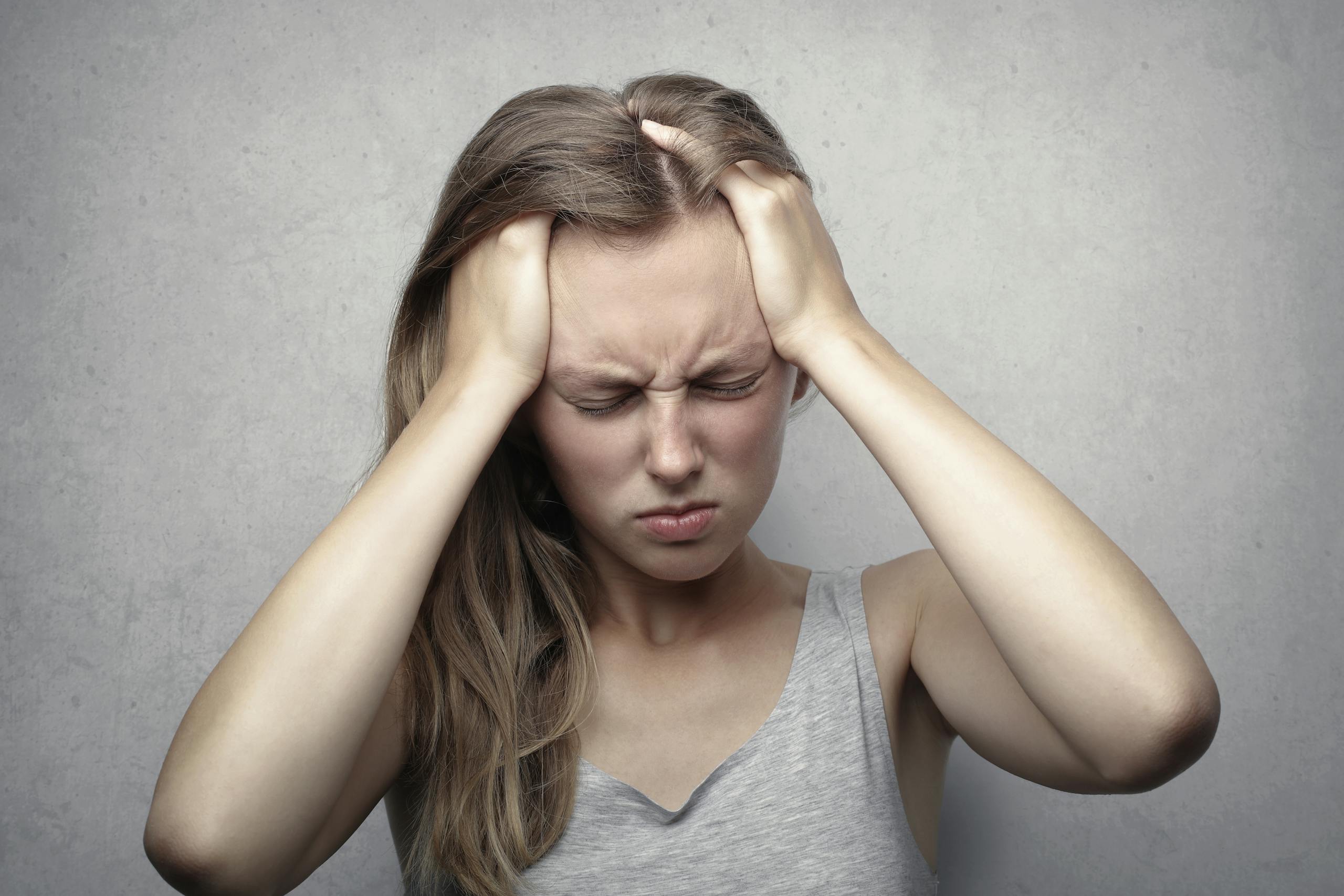
Stress does not just affect how you feel today; it can change how you move through life over time. Chronic pressure can drain energy, dull focus, disrupt sleep,increase inflammation, and make the body feel heavier than it should. That is why a stressful year can sometimes seem to age a person more than the calendar does.
The visible signs may include tired eyes, a tense posture, skin changes, weight shifts, or a permanently worn-out face. The deeper signs can be even more troubling, such as brain fog, low motivation, irritability, and the sense that joy has become harder to access. Stress may be invisible at first, but it rarely stays hidden forever.
Conclusion
Stress is dangerous because it often arrives wearing everyday clothes. It looks like ambition, responsibility, parenting, survival, bills, deadlines, caregiving, and trying to keep everything together. That makes it easy to ignore until the body starts sending louder messages through sleep problems, stomach issues, chest tightness, headaches, emotional outbursts, weight changes, or constant exhaustion.
The goal is not to eliminate every stressful moment because that is impossible. The real goal is to stop treating chronic stress like a personality trait or proof of strength. Rest, movement, honest conversations, better boundaries, medical support, therapy, sleep, and small daily resets can help the body step out of emergency mode before stress becomes the quiet author of bigger health problems.