Public markets have anchored American food shopping for generations, and many still sell produce, meat and prepared dishes under historic roofs. They range from a Baltimore market established in 1782 to a Milwaukee market that opened in 2005, and each has its own character. Here are ten that continue to draw shoppers.
1. Pike Place Market: Seattle’s waterfront institution
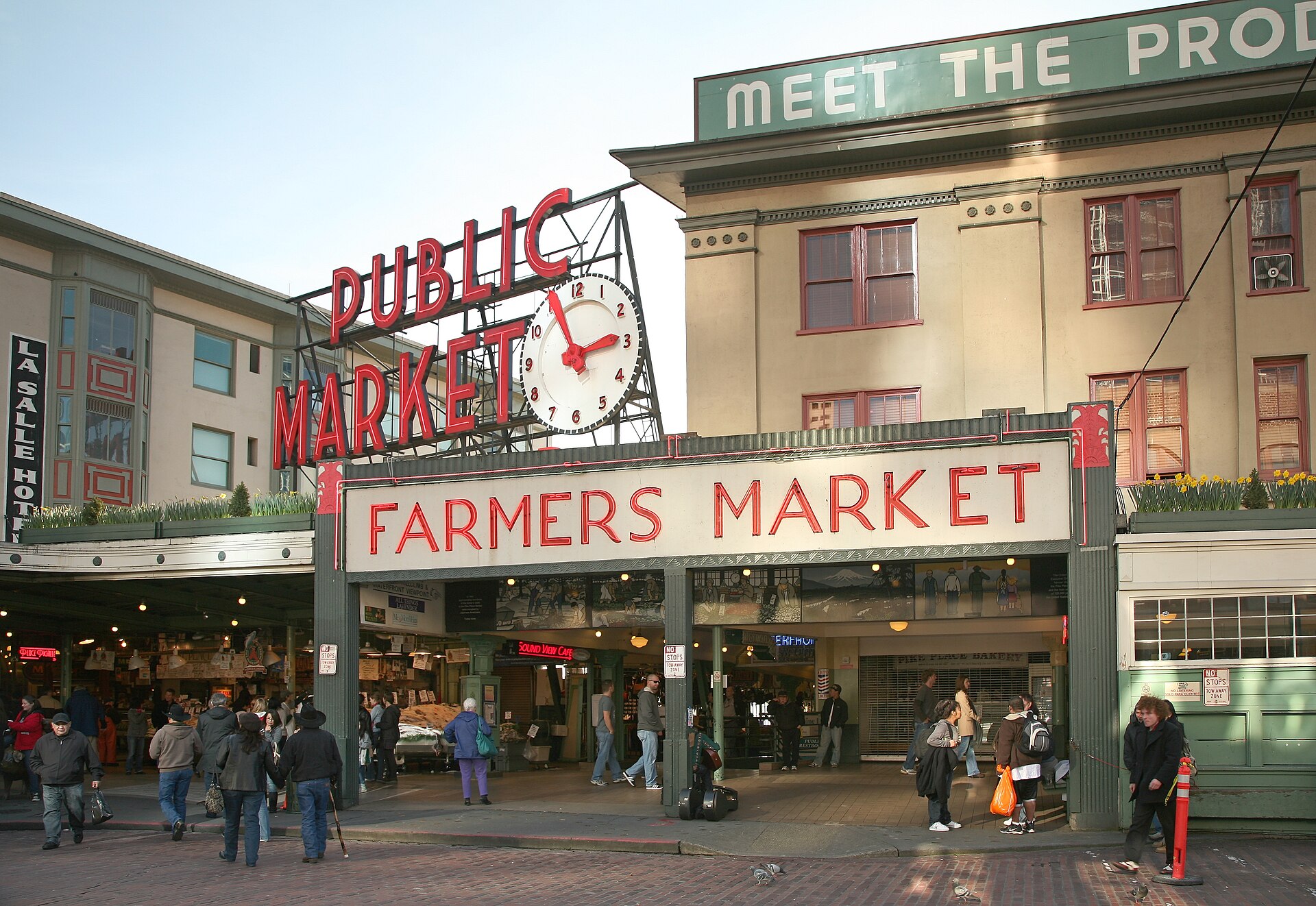
Pike Place Market opened on August 17, 1907, and is one of the older continuously operated public farmers’ markets in the country. It overlooks Elliott Bay on Puget Sound and draws more than 20 million visitors a year, according to Wikipedia.
Fishmongers, fresh produce stands and craft stalls fill the covered arcades on the upper street level. Local farmers and craftspeople rent tables by the day, in line with the market’s founding goal of letting shoppers meet the producer. The market is built on a steep hill, and its lower levels hold antique dealers, collectible shops and small family-owned restaurants.
2. Reading Terminal Market: Philadelphia’s market under the train shed
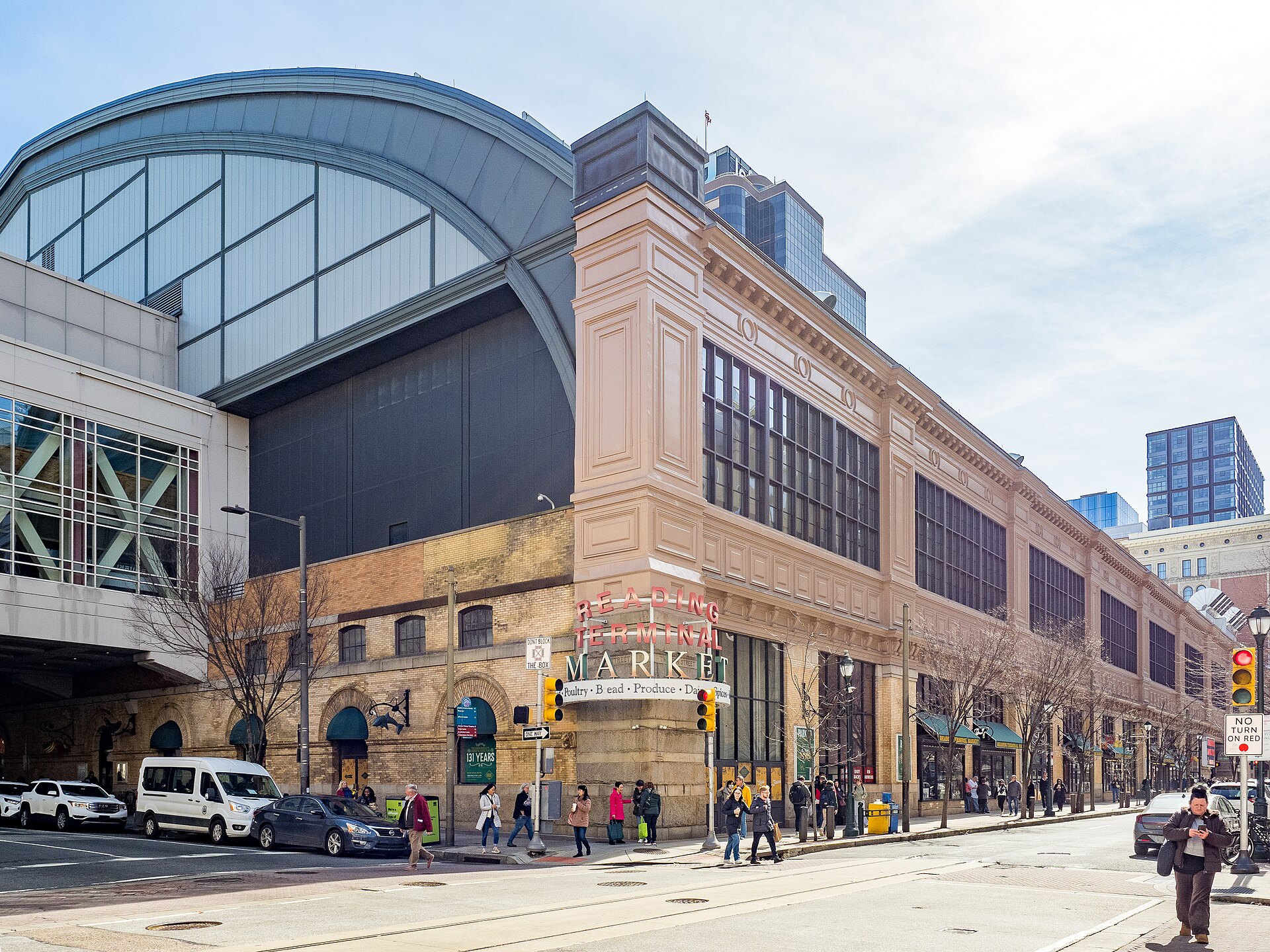
Reading Terminal Market calls itself one of America’s largest and oldest public markets. It has been housed since 1893 in a National Historic Landmark building in Center City Philadelphia.
Shoppers find locally grown produce, meats and poultry, seafood, cheeses, baked goods and confections, along with a wide range of restaurants under one roof. The website also lists cookbooks, table linens, kitchenware and fresh cut flowers. The market’s stated mission is to keep its role as an urban farmers’ market, with food brought in by farmers, growers, producers and chefs.
3. Faneuil Hall Marketplace: Boston’s Cradle of Liberty with a food hall
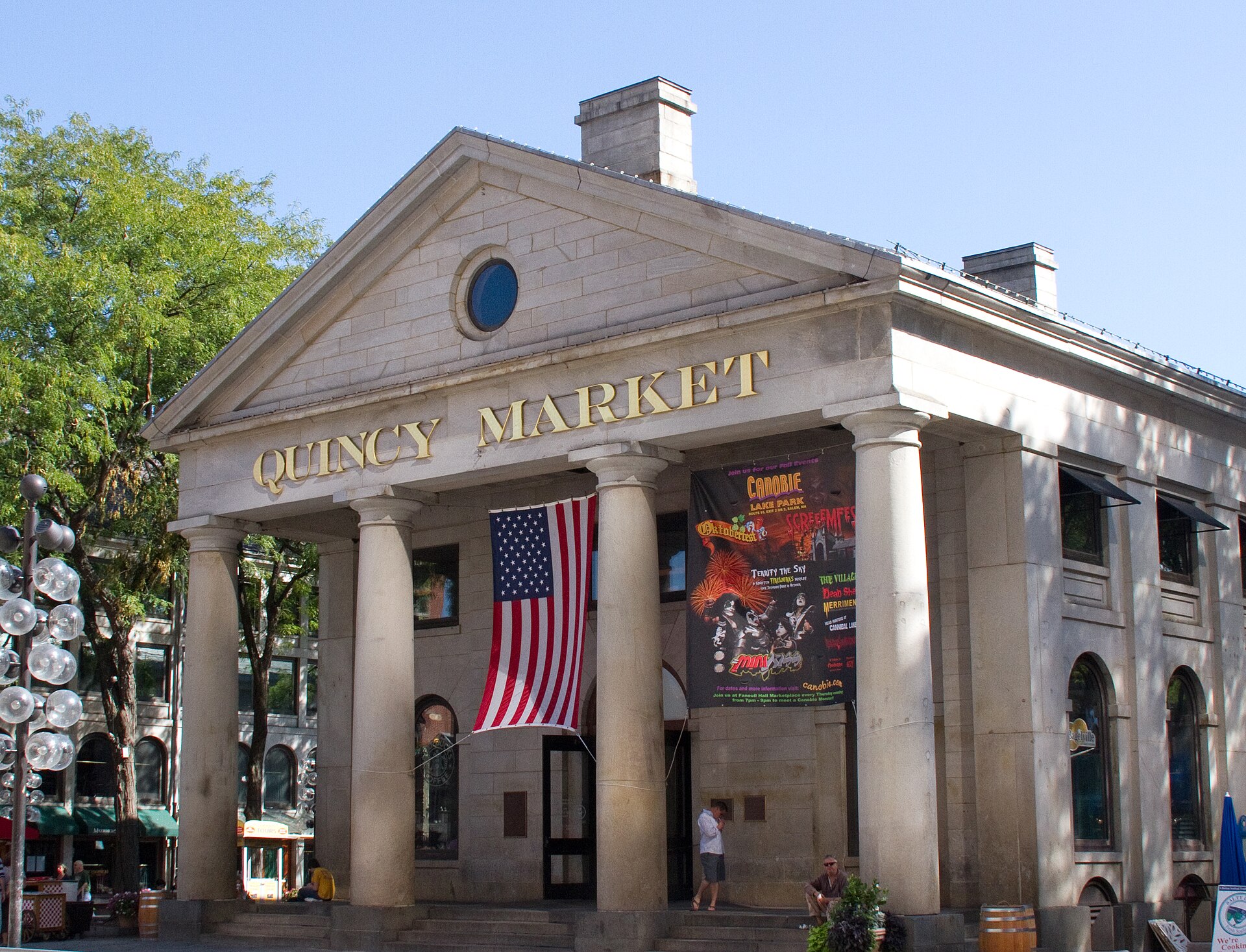
Faneuil Hall sits in downtown Boston, steps from the waterfront, and was proclaimed “The Cradle of Liberty” in 1742, according to the marketplace itself. Today more than 80 businesses occupy the festival marketplace.
Visitors can browse locally loved shops and eat worldwide cuisine at restaurants, pubs and the Quincy Market Colonnade. The cobblestone promenades also host street performers and musicians, which keeps the area busy well beyond meal times. The marketplace describes itself as being at the top of the list of things to see in Boston.
4. Chelsea Market: Nabisco’s old Manhattan factory
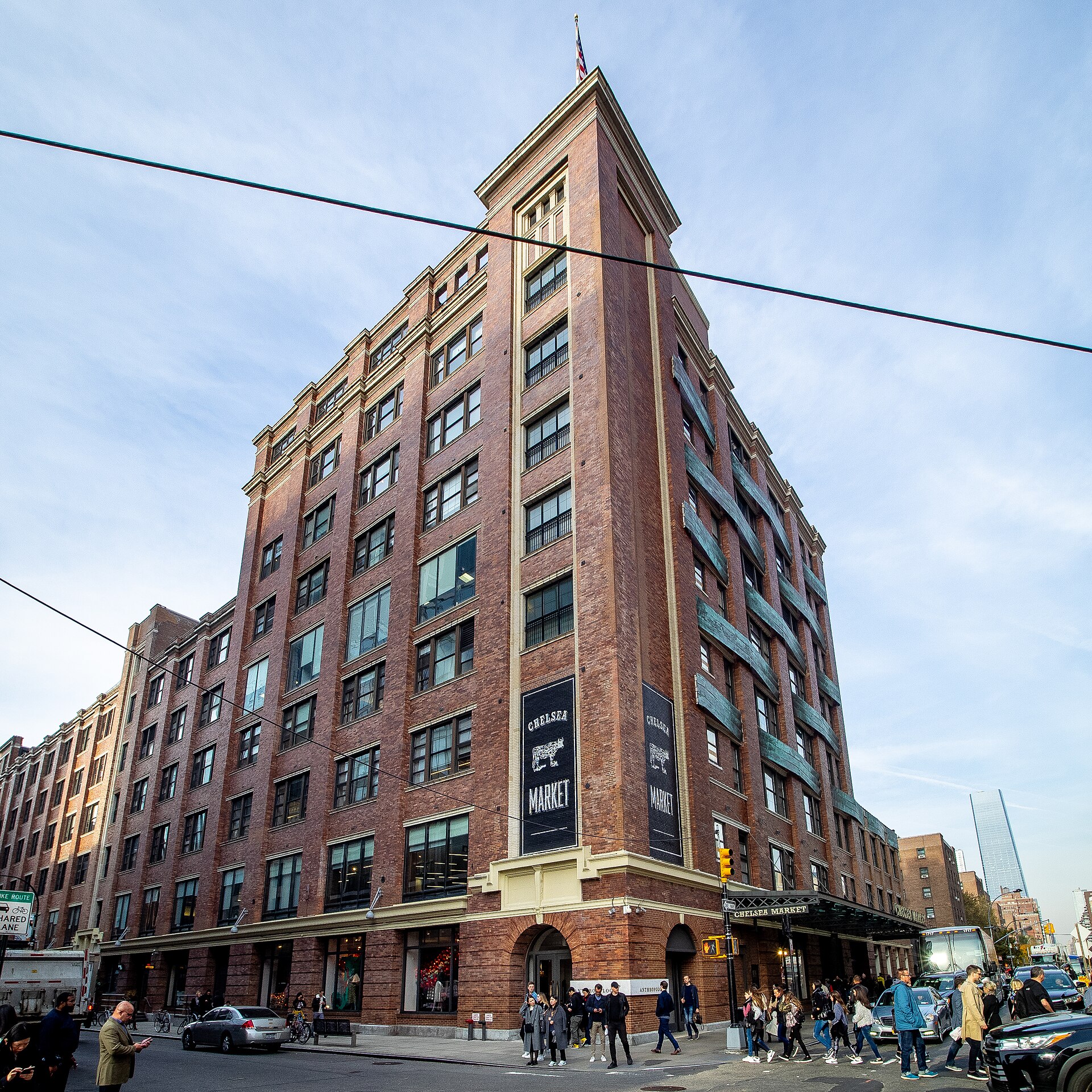
Chelsea Market occupies an entire city block in Manhattan and was built in the 1890s as the site of the National Biscuit Company factory complex. That is where the Oreo cookie was invented and produced.
The complex was redeveloped in the 1990s into a food hall and shopping concourse with offices above. The High Line passes through the 10th Avenue side of the building, and the market lies within the Gansevoort Market Historic District. Alphabet Inc., the parent company of Google, currently owns the complex.
5. French Market: The oldest of its kind in the country
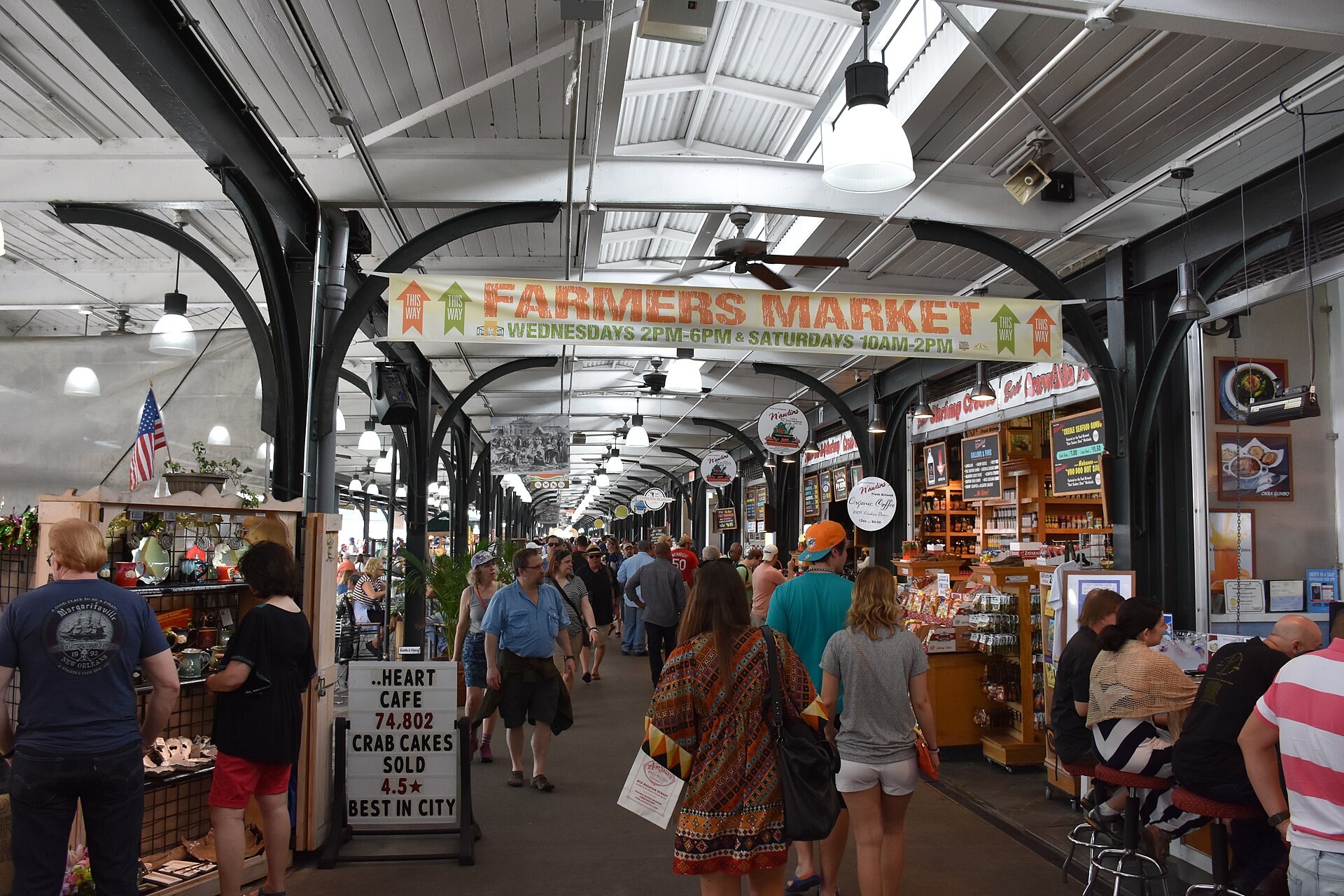
The French Market in New Orleans traces back to an informal open-air food market on the levee. Around 1782 the Spanish built the city’s first market building, which was later moved to Decatur Street.
Two early buildings still stand, according to French Market Corporation records: the Meat Market erected in 1813 and the Vegetable Market built in phases from 1822 to 1830. The market now spans six blocks of the French Quarter. A series of hurricanes destroyed several early structures at the site along the way.
6. Findlay Market: Cincinnati’s last surviving market house
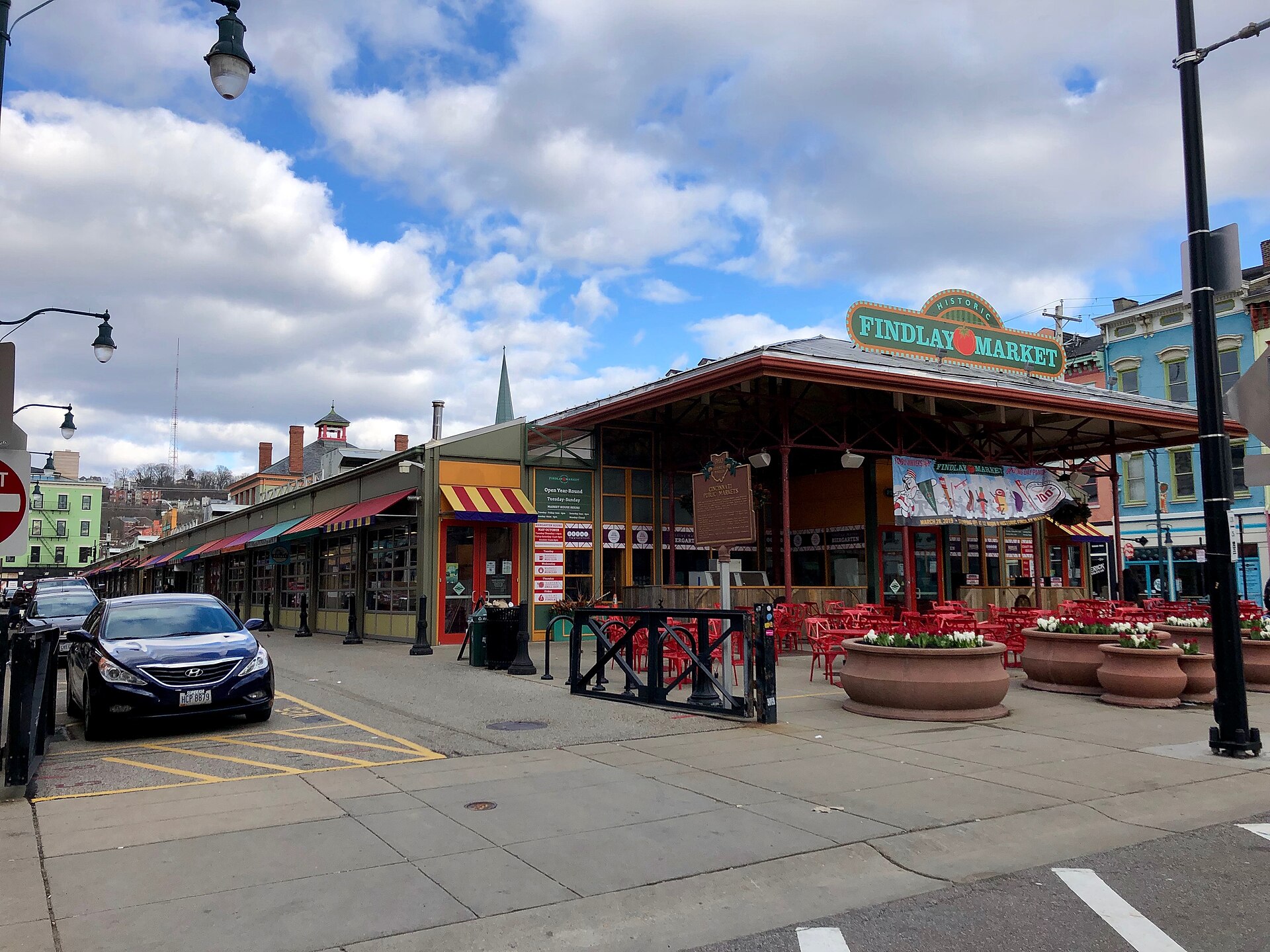
Findlay Market is the only surviving municipal market house of the nine public markets that operated in Cincinnati in the 19th and early 20th century. It stands on land donated by the estate of General James Findlay and Jane Irwin Findlay.
Its cast and wrought iron frame was an unusual building method at the time. The market was erected in 1852, opened in 1855, gained a center masonry tower in 1902 and was listed on the National Register of Historic Places in 1972.
7. Grand Central Market: Los Angeles’s Wonder Market
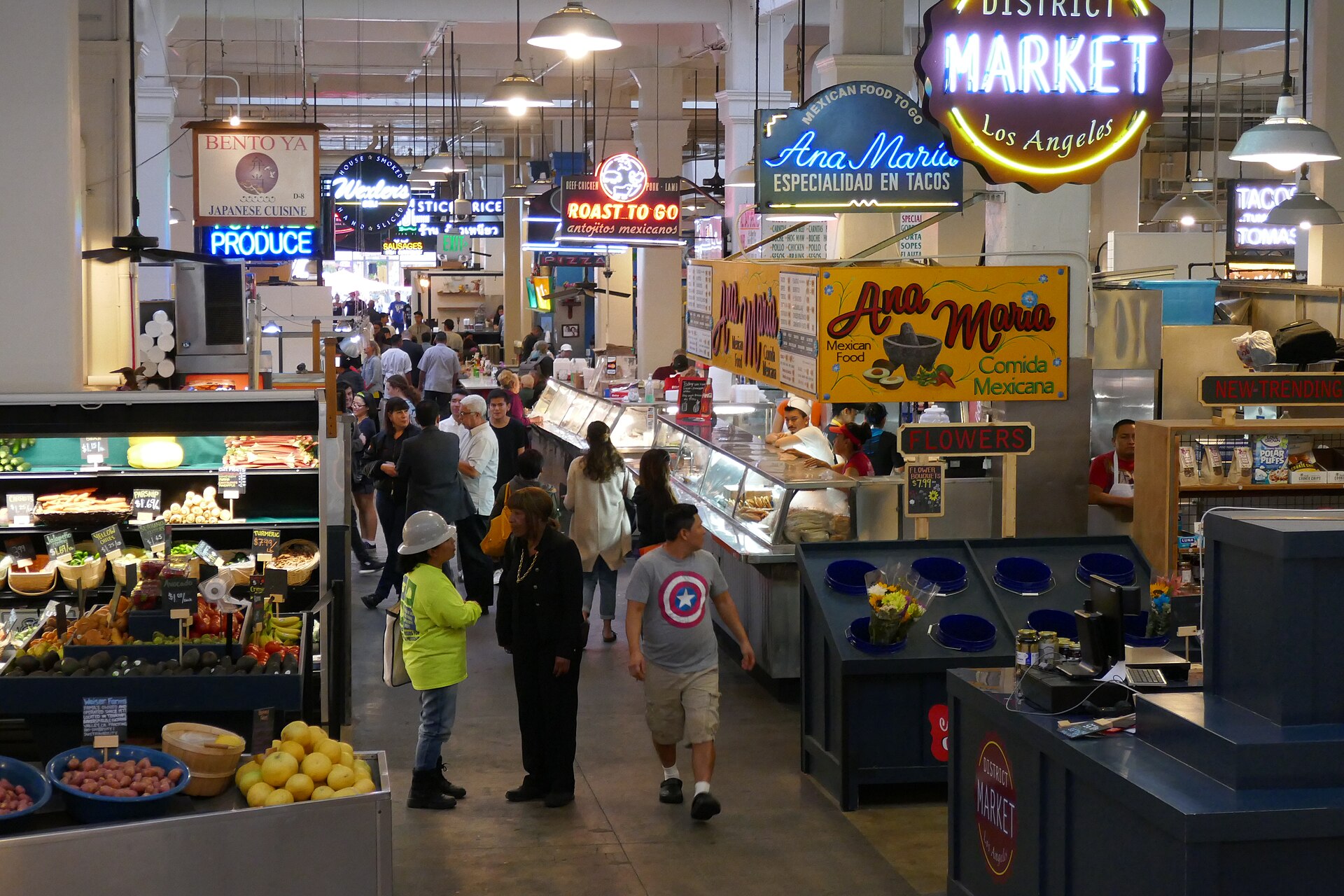
Grand Central Market opened in October 1917 as the “Wonder Market,” billed as the largest and finest public market on the Pacific Coast. It fills the ground floor of the Beaux-Arts Homer Laughlin Building in downtown Los Angeles.
Today about 40 stalls mix legacy vendors with newer names. China Cafe, for example, has been open since 1959. The market describes itself as a reflection of the immigrant communities that shaped the city. The building was the region’s first steel-reinforced, fireproof structure.
8. West Side Market: Cleveland’s clock-tower market hall
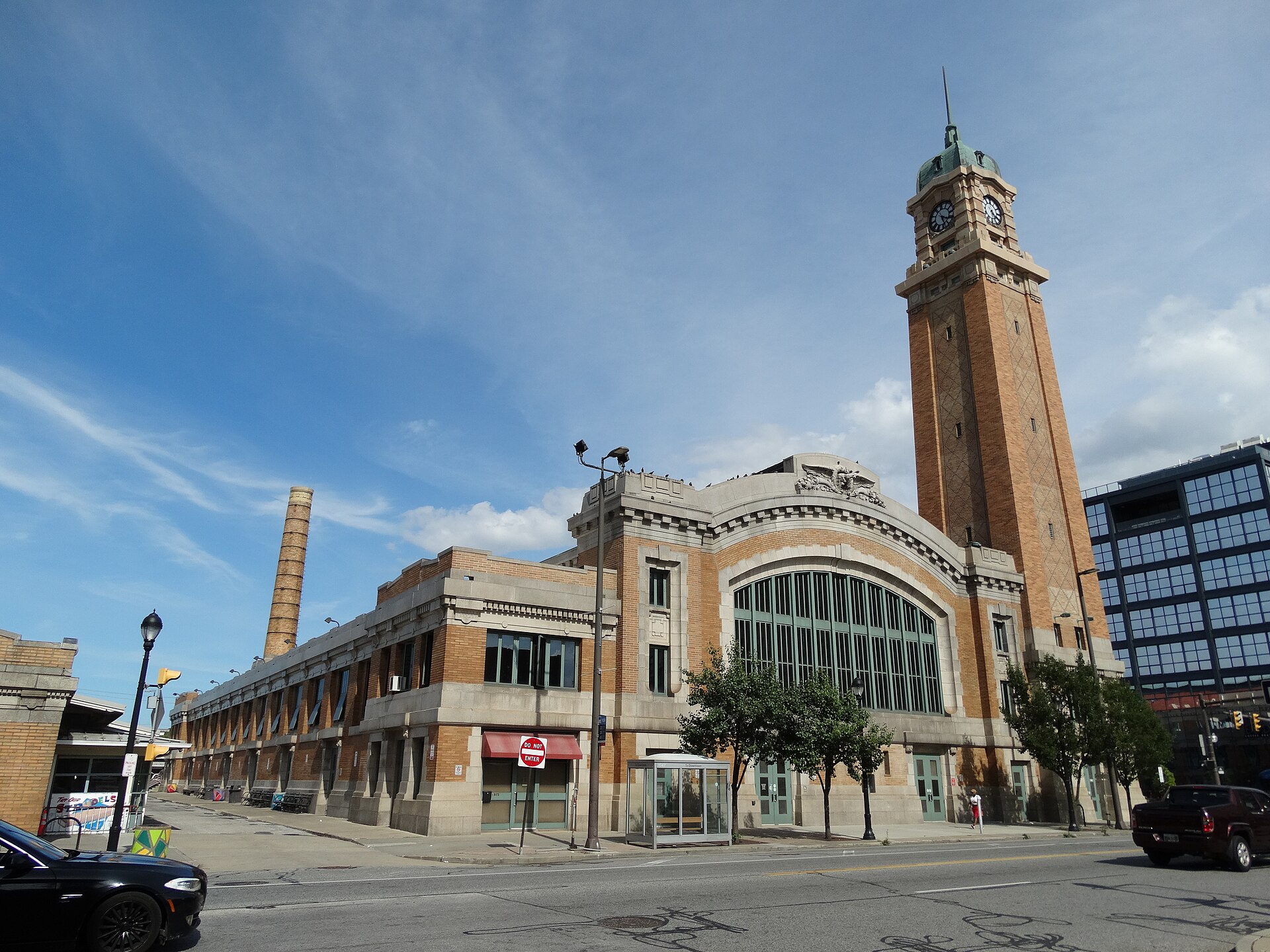
The West Side Market is Cleveland’s oldest publicly owned market, with land origins dating to 1840. The yellow brick Market Hall opened to the public in 1912 and its 137-foot clock tower is a city landmark.
More than 70 vendors sell meats, vegetables, seafood, baked goods, dairy, cheese and ready-to-eat foods. The market says an estimated million people visit in a year, helped by features on the Travel Channel and Food Network. Architects Benjamin Hubbel and W. Dominick Benes, who also designed the Cleveland Museum of Art, drew up the hall, and the arcade was enclosed and heated in a 2004 renovation.
9. Milwaukee Public Market: A newer market built on an old idea
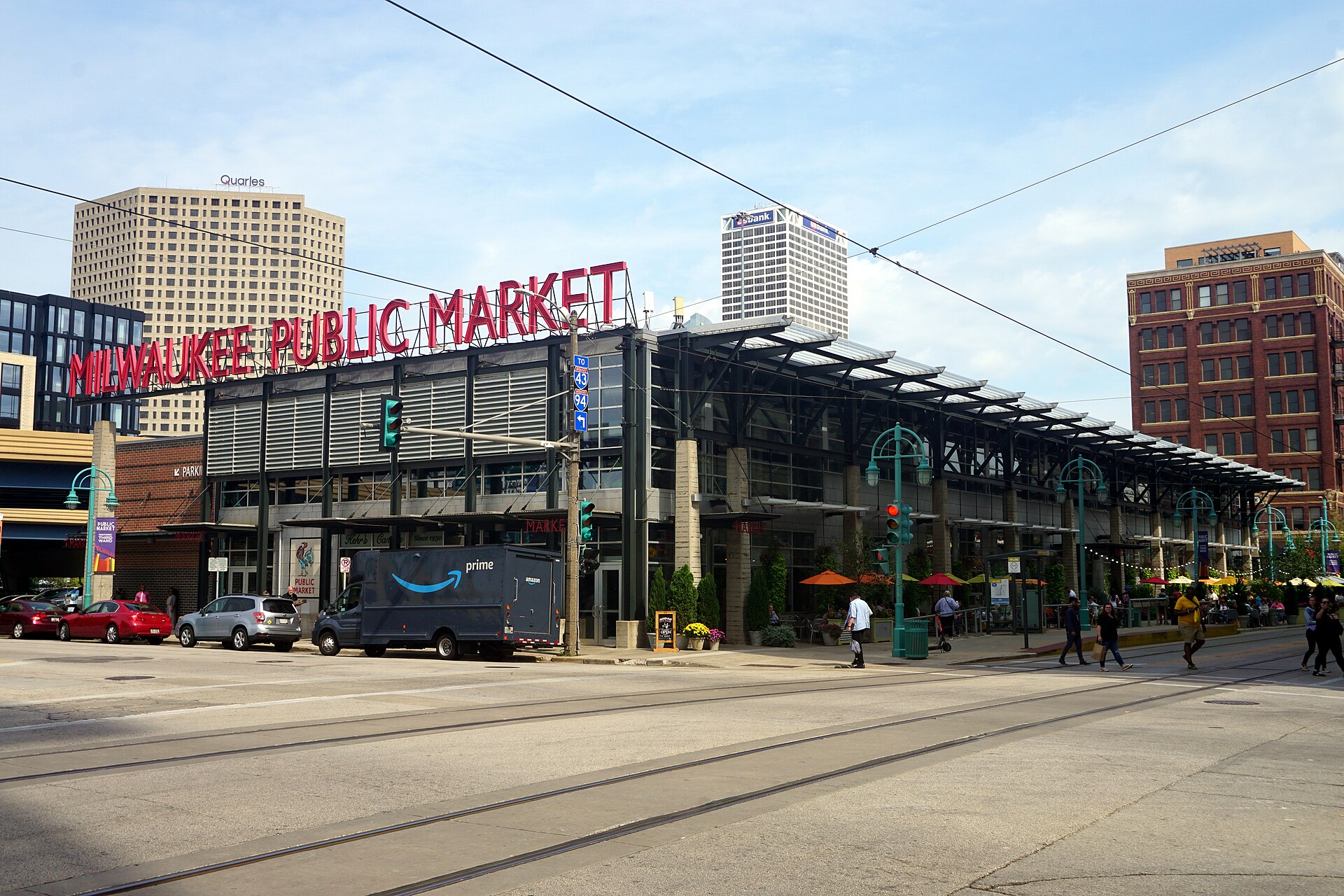
Milwaukee Public Market sits in the Historic Third Ward and opened in 2005. Its founders took inspiration from Pike Place Market in Seattle and wanted a space for small, local businesses.
Bakery items, meats, produce, seafood, cheese, spices, coffee and candies are typical offerings. Organizers found that vendors did better selling freshly prepared foods than raw ingredients, so the mix shifted over time. The building was designed by Kubala Washatko Architects, using steel, glass and brick meant to honor the Third Ward’s industrial history. The initial development cost about $10 million.
10. Lexington Market: Baltimore’s market dating to 1782
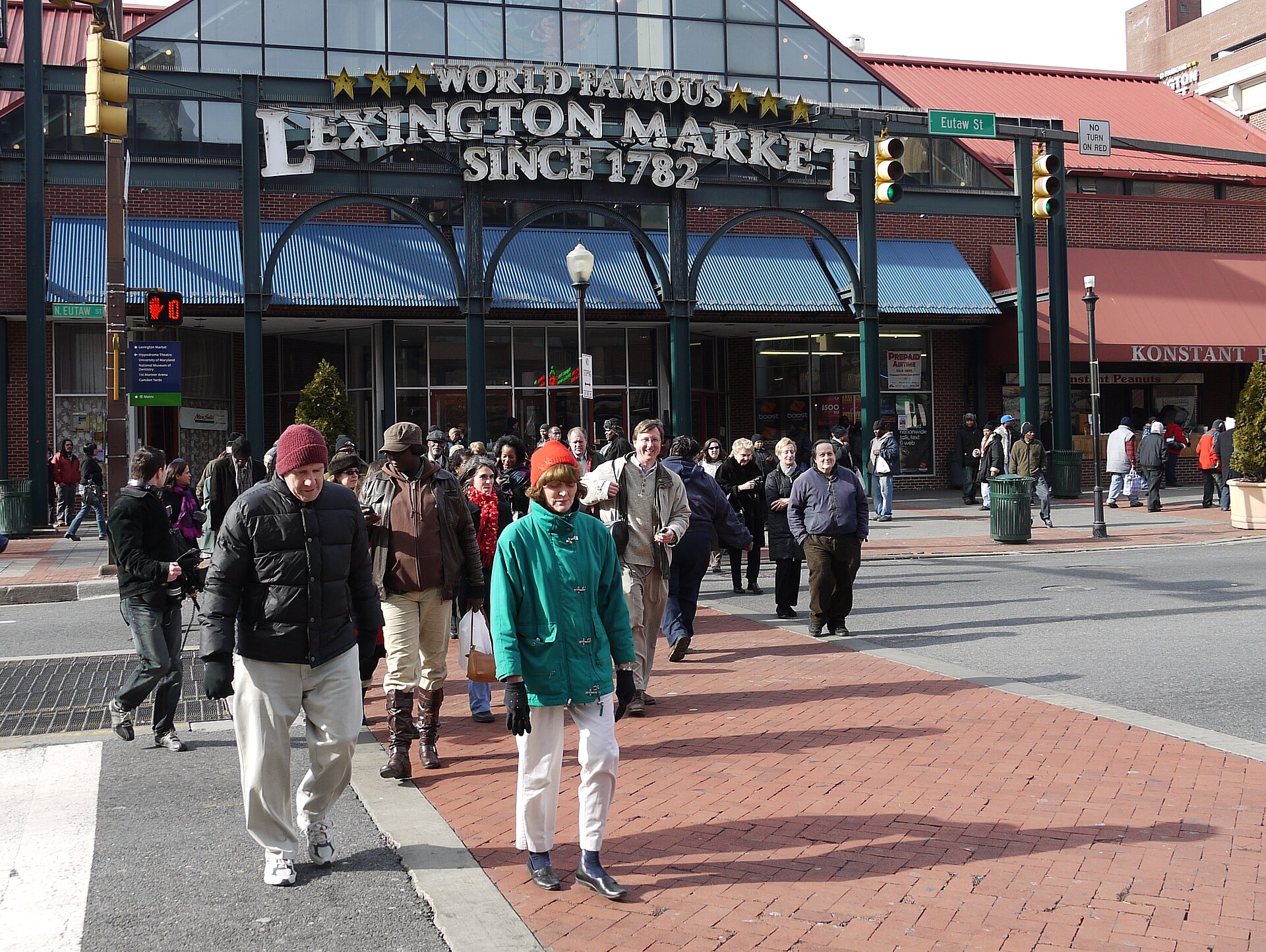
Lexington Market, originally called Western Precincts Market, was established in 1782 in downtown Baltimore. It is owned by the City of Baltimore and managed by a nonprofit.
A 60,000-square-foot market shed completed in 2022 now houses about 50 merchants and kiosks. The market sits near the Baltimore Light Rail and Metro Subway stops of the same name, about six blocks north of Oriole Park at Camden Yards. The nonprofit Baltimore Public Markets Corporation handles management, and the market’s history stretches across more than 240 years.
This article was produced with AI assistance and edited for accuracy against the sources linked above.