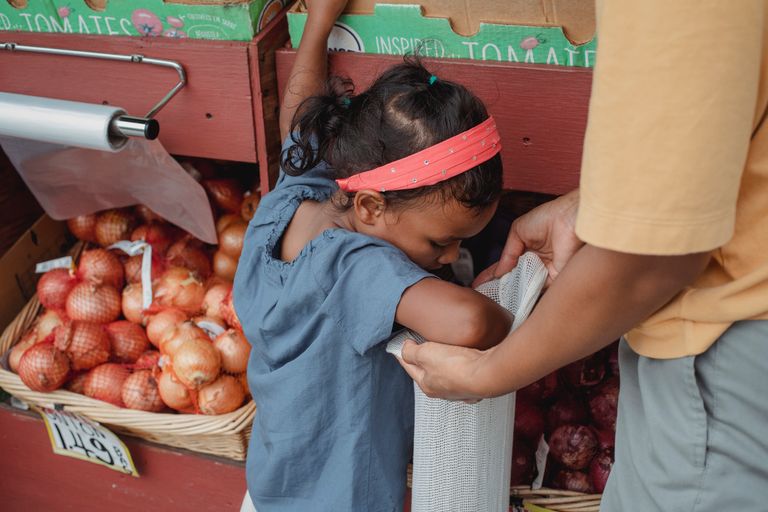
A sweet child does not always become an unhappy adult because they were weak, dramatic, or too sensitive. Sometimes they simply learned too early that love could disappear, peace could break without warning, and safety depended on keeping everyone else comfortable. They may have smiled through family dinners, behaved well at school, and made adults proud, all while quietly carrying fear they did not know how to name.
Childhood wounds can be easy to miss because they do not always look like an obvious disaster. A child can live in a clean house, earn good grades, say “please” and “thank you,” and still feel emotionally alone. Pain does not need a bruise to become real. Sometimes it grows through silence, criticism, rejection, comparison, or the exhausting job of being “the good kid” in an unstable home.
That is why this topic hits so many families in uncomfortable places. Many adults do not mean to hurt children, but repeated patterns can still leave marks. A child who is ignored, shamed, overcontrolled, or forced to grow up too quickly may carry those lessons into their friendships, work, marriage, parenting, and sense of self-worth. The wound becomes a private rule for how life must be survived.
These childhood wounds matter because they can turn naturally kind, loving, curious kids into adults who struggle to trust happiness when it finally appears. They may become people-pleasers, overthinkers, perfectionists, avoiders, or quiet adults who look functional but feel deeply tired inside. The saddest part is that many never connect their adult unhappiness to what they were taught to tolerate as children.
Being Loved Only When They Behaved Perfectly

Some children learn that love becomes warmer when they are easy, quiet, useful, and impressive. They receive praise when they get good grades, help at home, avoid conflict, or make adults look good. Over time, they stop asking what they need and start studying what keeps everyone pleased. That child may look sweet, but sweetness becomes a survival skill.
As adults, they may struggle to relax because they still feel they must earn affection. A mistake can feel like rejection, and a simple disagreement can feel like abandonment waiting to happen. Research on adverse childhood experiences shows that harmful or stressful childhood experiences can affect well-being long after childhood ends. Conditional love may not look dramatic from the outside, but it can teach a child that being loved depends on never becoming inconvenient.
Growing Up With Constant Criticism
A child who hears constant criticism may eventually stop hearing their own voice clearly. Comments about weight, grades, attitude, clothes, friends, manners, talents, or personality can become a running soundtrack inside their mind. Even when adults say they are trying to help, repeated criticism can make a child feel defective. They may grow up believing improvement is the only way to deserve peace.
The danger is that criticism can disguise itself as discipline, honesty, or high standards. A sweet child may try harder and harder, hoping one day the comments will stop. As an adult, that child may become painfully self-critical, always expecting judgment before it arrives. They may succeed on paper and still feel like one wrong move will expose them as not enough.
Having Their Feelings Dismissed
Some children are told they are too emotional, too dramatic, too sensitive, or that they are making a big deal out of nothing. They may cry and hear that they should stop, feel scared and hear that there is nothing to fear, or feel hurt and hear that they should get over it. The message is simple but damaging: your feelings are a problem. Eventually, the child learns to hide them.
Adults who grew up this way often struggle to identify their feelings before they are overwhelmed by them. They may apologize for crying, avoid hard conversations, or freeze when someone asks what is wrong. Healthy development depends partly on supportive relationships that help children manage stress, and prolonged stress without support can disrupt the toxic stress response. Dismissing feelings does not make children stronger. It often makes them lonelier.
Watching Adults Fight Without Repair
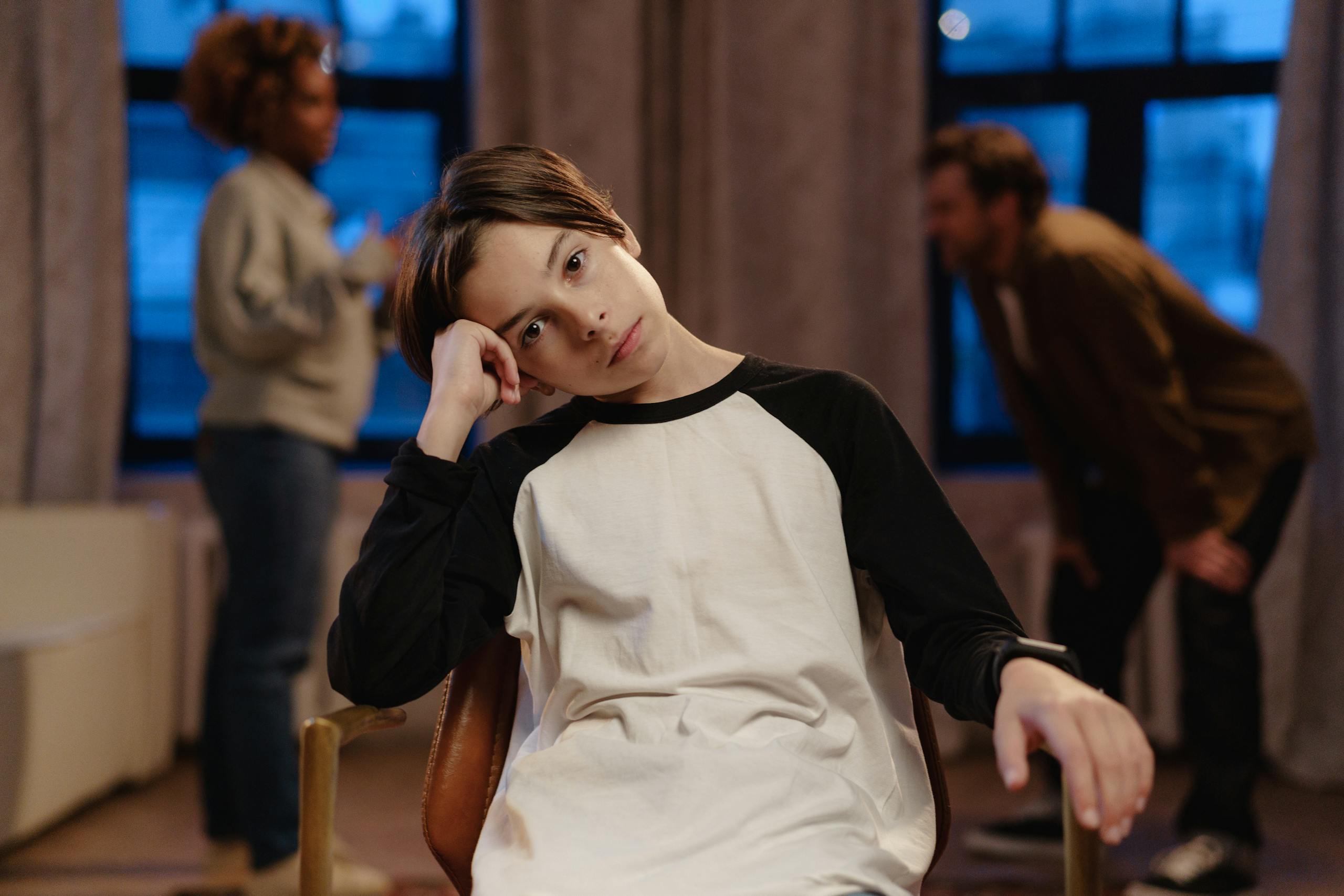
Many children can handle conflict when they also see repair, apology, and emotional safety afterward. The wound forms when arguments are loud, cold, repeated, or frightening, and nobody explains what happened. A child may sit in their room listening to doors slam, voices rise, or silence settle over the house like smoke. They may not understand the argument, but their nervous system understands danger.
That child may grow into an adult who fears conflict, even when it is normal and healthy. A partner’s frustrated tone may feel like the start of a disaster. A disagreement at work may feel like personal rejection. Without examples of repair, the child learns that conflict either explodes or freezes, but never heals. That lesson can follow them into every close relationship.
Being Forced to Act Older Than They Were
Some children become the emotional helper, unpaid babysitter, peacekeeper, translator, caregiver, or responsible one long before they should. Adults may praise them for being mature, but maturity can become a burden when it replaces childhood. The child learns to read moods, solve problems, and take on responsibilities that belong to grown-ups. They may feel proud and exhausted at the same time.
As adults, these once-sweet kids often struggle to ask for help because they were trained to be the help. Rest can feel selfish, and dependence can feel dangerous. They may choose relationships where they are needed more than loved. The world calls them strong, but inside, they may resent having to become useful so early.
Feeling Invisible in Their Own Home
Neglect does not always mean a child lacked food, clothes, or shelter. Sometimes it means nobody noticed their sadness, fear, interests, loneliness, or quiet attempts to connect. A child can sit at the dinner table surrounded by family and still feel emotionally unseen. They may learn that their inner world does not matter enough to interrupt anyone.
This wound can make adulthood feel hollow, even when life looks stable. A person may have friends, a job, a partner, and routines, but still feel like nobody truly sees them. Children and teens can show stress through sleep problems, headaches, guilt, withdrawal, or trouble concentrating after difficult experiences, as described in guidance on traumatic event reactions. Feeling invisible teaches a child to stop reaching and to let silence become a lifelong habit.
Being Compared to Siblings or Other Kids

Comparison can turn a child’s home into a scoreboard. One sibling is smarter, calmer, prettier, tougher, more athletic, more obedient, or more successful. Adults may think comparisons motivate children, but they often create shame, rivalry, and a fear of being loved less. A sweet child may begin measuring their worth against someone else before they even understand what worth means.
As adults, comparison wounds often show up as jealousy, insecurity, perfectionism, or constant self-doubt. A person may struggle to celebrate others because another person’s success feels like personal failure. They may also avoid trying new things because losing feels humiliating. The child who was often compared may grow into an adult who never feels safe enough to simply be themselves.
Living With Unpredictable Rules
Children need boundaries, but they also need consistency. A rule that changes depending on an adult’s mood can make a child anxious and hyper-alert. One day, a mistake gets laughed off, and another day, the same mistake triggers anger, punishment, or withdrawal. The child learns to study faces, voices, footsteps, and silence for clues.
That kind of unpredictability can create adults who overthink everything. They may read too much into texts, apologize too quickly, or feel tense when people around them seem quiet. Their minds keep searching for danger because childhood taught them that safety could change without warning. Even in peaceful homes, they may struggle to believe calm will last.
Learning That Love Always Comes With Guilt
Some children grow up hearing how much adults sacrificed for them, how hard they are to raise, or how much they owe the family. Gratitude is healthy, but guilt is different. A child should not feel responsible for an adult’s happiness, loneliness, financial stress, or emotional needs. When love comes with guilt, affection starts to feel like a debt.
Adults with this wound may struggle to set boundaries because saying no feels cruel. They may feel responsible for everyone’s emotions and guilty for wanting their own life. Supportive adults can help children recover from stress by offering stability, reassurance, and connection, which is why guidance on how to help children cope matters so much. Love should give children roots, not chains.
Conclusion

Childhood wounds do not always announce themselves loudly. Sometimes they hide inside the child who never causes trouble, never asks for much, never talks back, and always seems fine.
That child may become the adult everyone calls kind, dependable, thoughtful, and strong, while privately battling sadness they learned to hide too early. Sweetness can survive pain, but it should never be mistaken for proof that pain did no damage.
The point is not to blame every parent for every adult struggle. Families are complicated, adults are imperfect, and many people were doing the best they could with the tools they had. Still, good intentions do not erase harmful patterns. A child can be loved and still be wounded by silence, criticism, pressure, instability, or emotional neglect.
The hopeful truth is that childhood wounds can be understood, named, and healed with support, honesty, and safer relationships. But the first step is refusing to call old pain “normal” just because it happened inside a family. Which of these wounds do you think families overlook the most?