A five-year-old putting away laundry, helping prepare dinner, or knowing where dirty school clothes belong might seem unusual to some parents. But for a growing number of families, these small responsibilities are becoming part of everyday childhood.
While some children spend their afternoons waiting for someone else to prepare their meals, clean their rooms, or organize their belongings, other families are teaching their youngsters to participate in household activities from an early age.
And it isn’t necessarily about raising children to become perfect little housekeepers. It’s about helping them understand that looking after themselves and contributing to a household are important parts of growing up.
Several American families have attracted attention online for introducing their children to cooking, laundry, cleaning, and other everyday responsibilities long before they reach their teenage years. Their approaches are different, but they share an interesting idea: independence starts with small lessons at home.
Related: Children’s Free Play Fell From About 40% of Their Day in 1981 to 25% in 1997
A Milwaukee Mother Is Teaching Her Young Children to Prepare Family Meals
Shakayla Curtis, known online as Kayla Danielle, attracted attention after sharing videos of her three children helping in the kitchen.
In July 2023, Curtis introduced viewers to her seven-year-old twins, Paiden and Kaiden, and their five-year-old brother, Haiden.
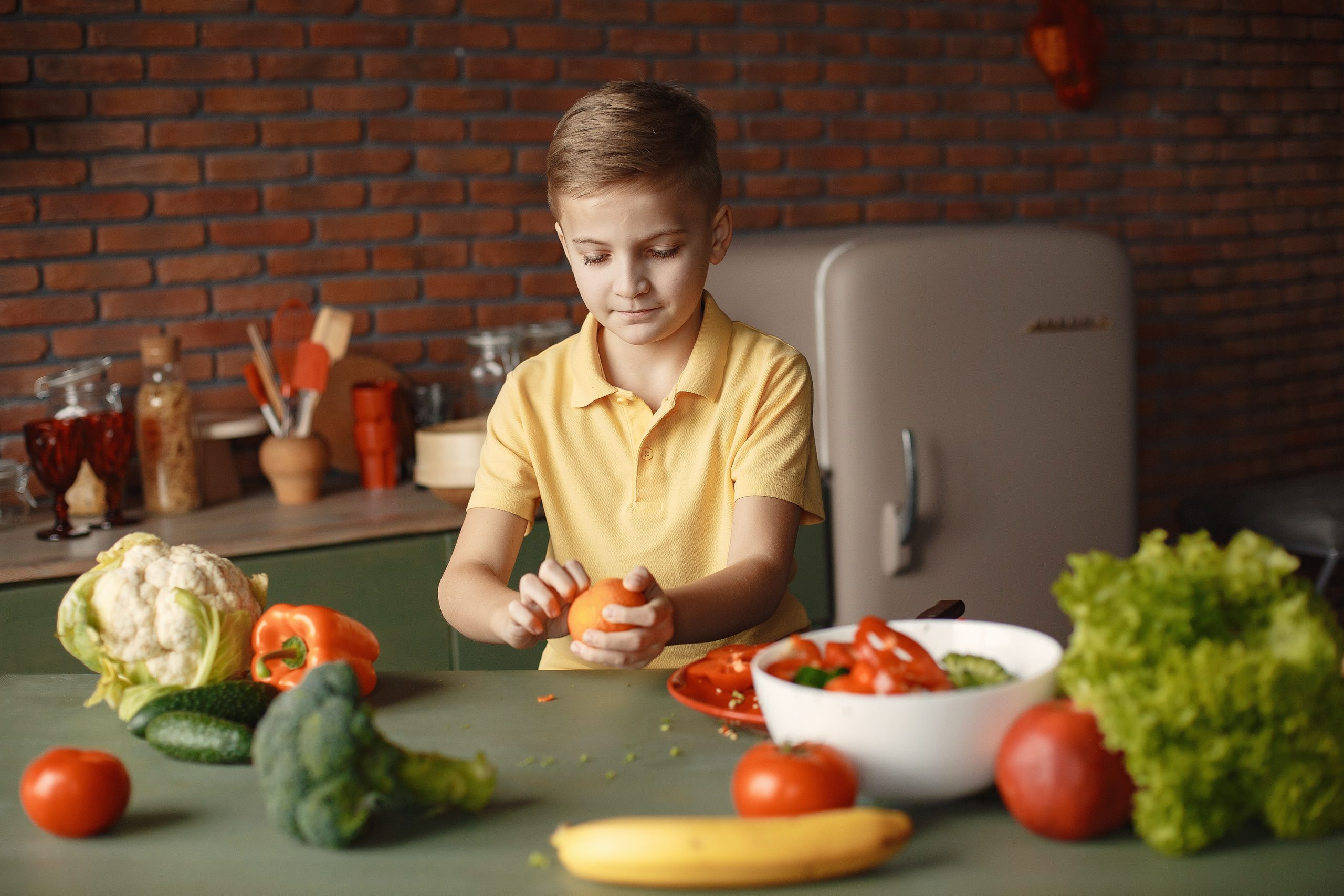
The children appeared in cooking videos, participating in different stages of meal preparation, including cleaning, chopping, and mixing ingredients under their mother’s guidance.
The family became known online as the Dens Trio.
What makes their story interesting is that cooking wasn’t simply something the children occasionally watched their mother do. They actively helped prepare meals for the family.
Curtis explained that she wanted her children to enjoy experiences and develop practical skills she hadn’t had in quite the same way growing up.
Their cooking sessions also became an opportunity for family bonding. Rather than treating the kitchen as an adults-only space, she encouraged the children’s curiosity and let them take on age-appropriate tasks.
The family reportedly cooked together two or three times each week.
Related:7 Skills American Kids Are Silently Losing
Cooking Together Became Part of Their After-School Routine
One particularly interesting detail about the Curtis household is how the family approached screen time.
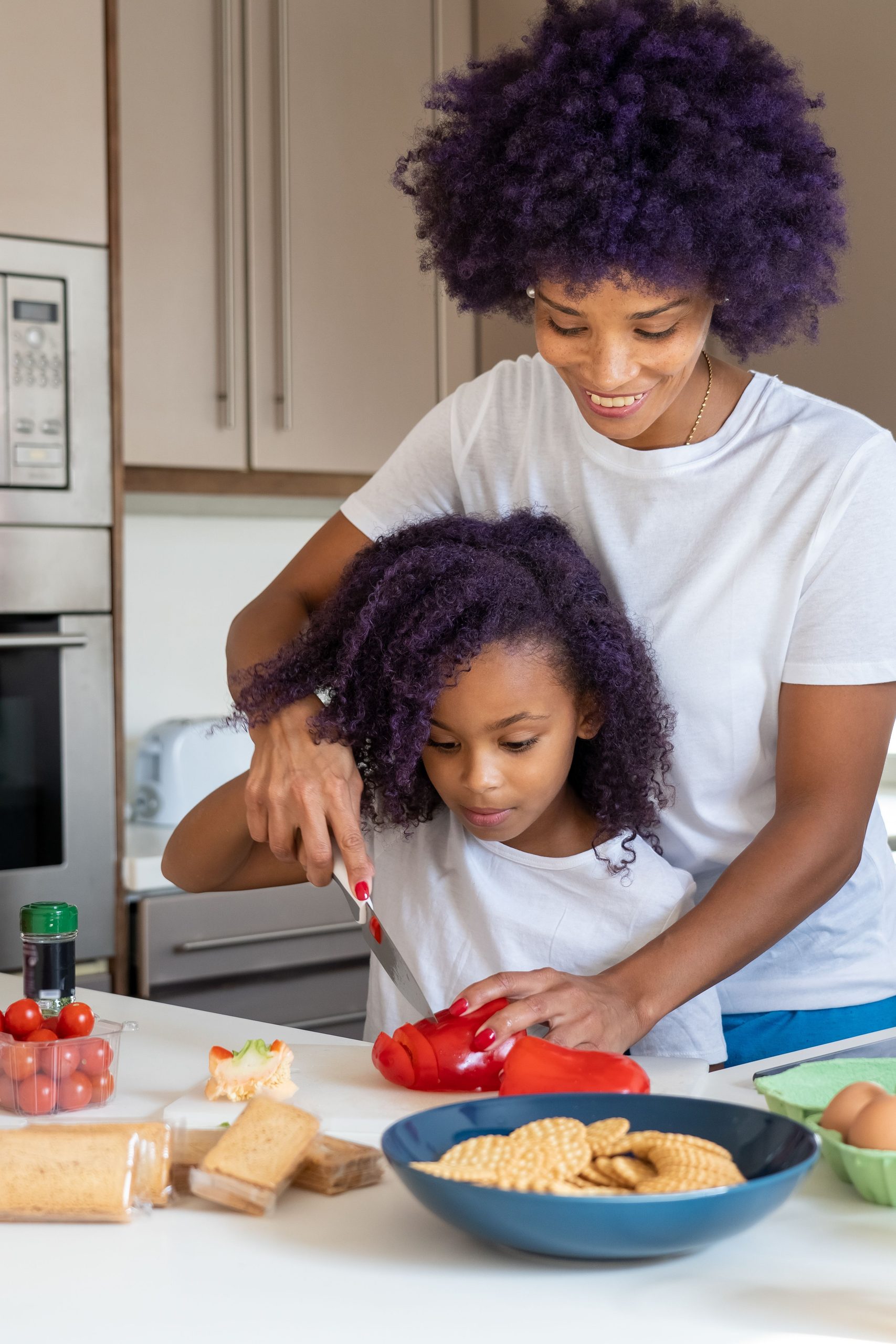
During her CBS 58 interview, Curtis explained that her children did not have screen time during the school week. Instead, they sometimes joined her in the kitchen after school and asked to help prepare dinner.
This approach turned an ordinary household responsibility into an activity the children could look forward to.
It also challenged the familiar idea that children should do household work only after parents have exhausted every other option.
Of course, cooking with young children requires patience. Spills happen, ingredients get mixed up, and meals can take longer to prepare when little hands are involved.
But those experiences can also become learning opportunities.
The key difference is that Curtis supervises the children and gives them opportunities to participate, rather than expecting them to manage an entire meal independently.
Related:8 Old-School Pantry Ingredients That Are Quietly Making a Comeback
A Michigan Mother Wants Her Son to Understand That Chores Aren’t Just for Women
Another family that drew attention for teaching children practical responsibilities is Nikkole Paulun’s family in Monroe, Michigan.
In 2016, Paulun made headlines after sharing photographs of her six-year-old son, Lyle, learning to cook, clean, and do laundry.
According to reports, she intended to raise a self-sufficient boy who would know how to look after himself as an adult.
Her approach also challenged traditional expectations about household responsibilities.
For generations, some families have treated cooking, washing clothes, and cleaning as responsibilities that naturally belong to women. Paulun wanted her son to understand that these are life skills everyone should learn.
That lesson becomes particularly important as children grow up and eventually live independently.
A boy who knows how to sort laundry, prepare a simple meal, and clean up after himself isn’t learning how to serve someone else. He’s learning how to manage his own life.
The same principle applies to girls.
Household responsibilities shouldn’t be assigned according to gender. Both boys and girls can learn to cook, wash dishes, organize their belongings, and help keep their homes tidy.
Related: Put Your Hose Away for Winter: Reels and Storage That Prevent Kinks, Cracks and Clutter
A Father of Seven Uses a Household Checklist to Teach Responsibility
Some parents prefer to introduce responsibilities through daily routines rather than relying on children to remember everything.
Richard Wadsworth, an American psychiatrist and father of seven, shared a household checklist that attracted attention online.
According to his family’s routine, children were expected to complete certain responsibilities before enjoying recreational screen time.
The checklist included organizing bedrooms, completing homework, handling assigned chores, doing laundry, exercising, and preparing for the following day.
The family displayed the list on the refrigerator so everyone could see what needed to be completed.
This approach offers an interesting alternative to parents repeatedly reminding children to clean their rooms or finish their homework.
Instead of turning every afternoon into another argument about responsibilities, children have a visible routine to follow.
The idea is straightforward: finish the day’s important tasks before moving on to entertainment.
Naturally, expectations need to reflect each child’s age and abilities. A teenager can handle more complicated responsibilities than a preschooler.
Still, the family’s approach demonstrates how consistency can help children understand that everyday responsibilities are part of family life.
Related:10 Kid-friendly Chores That Can Help Teach New Skills
A Toddler Folding Laundry Sparked a Debate About How Early Chores Should Begin
Not every family introducing children to household responsibilities starts with cooking or elaborate chore lists.
In March 2025, an Instagram video shared by @the_goddard_fam showed a toddler using a homemade cardboard template to help fold clothes.
The video attracted attention and divided viewers.
Some people appreciated the playful introduction to household participation, while others questioned whether toddlers should be expected to perform chores.
However, there is an important distinction between encouraging a toddler to participate in a simple activity and expecting that child to take responsibility for the household laundry.
Allowing a young child to help fold a small shirt or put toys away can make ordinary household activities feel familiar.
It doesn’t mean the child should be expected to complete the work perfectly.
At that age, participation, exploration, and play matter far more than producing a perfectly folded pile of clothes.
The example also highlights how parents can introduce practical habits without turning childhood into a list of obligations.
What Should Children Actually Be Expected to Do at Five?
Social media can make exceptionally capable children look like the standard every family should meet. But children develop at different rates, and household responsibilities should reflect their abilities.
The American Academy of Pediatrics, through its guidance on age-appropriate chores, recommends gradually introducing children to household responsibilities.
For children between five and seven, suggested activities include:
- Putting toys and belongings away.
- Making their beds.
- Placing dirty clothes in laundry hampers.
- Helping sort laundry.
- Setting the table.
- Participating in simple household organization.
Older children can gradually learn to prepare snacks, help with dinner, do laundry, and take on more involved household tasks.
Kitchen activities require particular attention. Under adult supervision, young children can help measure ingredients, stir mixtures, and identify different foods. Handling sharp knives, hot appliances, and other potentially dangerous equipment requires appropriate adult guidance.
The goal isn’t to prove that a five-year-old can manage a household. It’s to introduce useful skills gradually so children become more confident as they grow.
Teaching Children Responsibility Shouldn’t Mean Taking Away Their Childhood
There is a difference between raising independent children and expecting children to behave like adults.
A child who helps put away toys after playing isn’t being deprived of childhood. Neither is a youngster who helps measure ingredients while a parent prepares dinner.
However, household responsibilities should never replace time for play, schoolwork, rest, and other important childhood experiences.
Parents also need to recognize that children will make mistakes as they learn.
A five-year-old might spill flour while helping bake cookies. A young child learning to fold laundry might produce a pile that looks nothing like the neatly arranged clothes in a store.
That’s part of the learning process.
The families attracting attention online show different ways to introduce children to practical responsibilities. Their experiences don’t establish that every family needs the same routines or that every child should master household tasks at a particular age.
What matters is creating opportunities for children to participate, learn, and gradually become more independent.
The Real Lesson Is About Raising Capable Adults
Perhaps the most valuable lesson from these families is that independence doesn’t suddenly appear when a child turns 18.
It develops through everyday experiences.
A child who learns to put dirty clothes in the hamper may eventually learn to operate a washing machine. Someone who starts by stirring ingredients under supervision may eventually become comfortable preparing an entire meal.
And a youngster who learns to put away toys may gradually become responsible for keeping their bedroom organized.
Parents don’t need expensive equipment, complicated chore charts, or viral social media accounts to teach these lessons.
Sometimes, it begins with asking a child to clear their plate, help prepare dinner, or organize their school belongings.
The bigger question is whether families give children enough opportunities to participate in everyday life, rather than doing absolutely everything for them.
After all, children deserve a happy childhood, but they also deserve the opportunity to grow into adults who can look after themselves.
Would you encourage a five-year-old to help prepare dinner and sort laundry, or should household responsibilities wait until children are older?