That portable charger sitting in your handbag, backpack, bedside drawer, or car may deserve a closer look. Federal safety officials are warning consumers to stop using approximately 210,000 HAIARA portable power banks after receiving reports of fires, explosions, and other overheating incidents.
The warning involves the HAIARA W5 PRO, a black 20W portable charger sold through Amazon and Newegg. According to the U.S. Consumer Product Safety Commission (CPSC), the agency has received approximately 600 reports involving fires, explosions, and other thermal incidents. Three reports involved burn injuries, while nine involved property damage.
The announcement raises an important question for anyone who regularly carries a portable charger: How much attention do we pay to the safety of the small electronic devices we use every day?
Power banks have become convenient companions for people who travel, work remotely, attend events, or want to keep their phones charged throughout the day. But the latest federal warning shows why checking product information and paying attention to safety announcements matters.
Related:175,951 Gourmia Air Fryer Ovens Sold at Target Recalled After 40 Burn Incidents
More Than 210,000 HAIARA Power Banks Are Affected
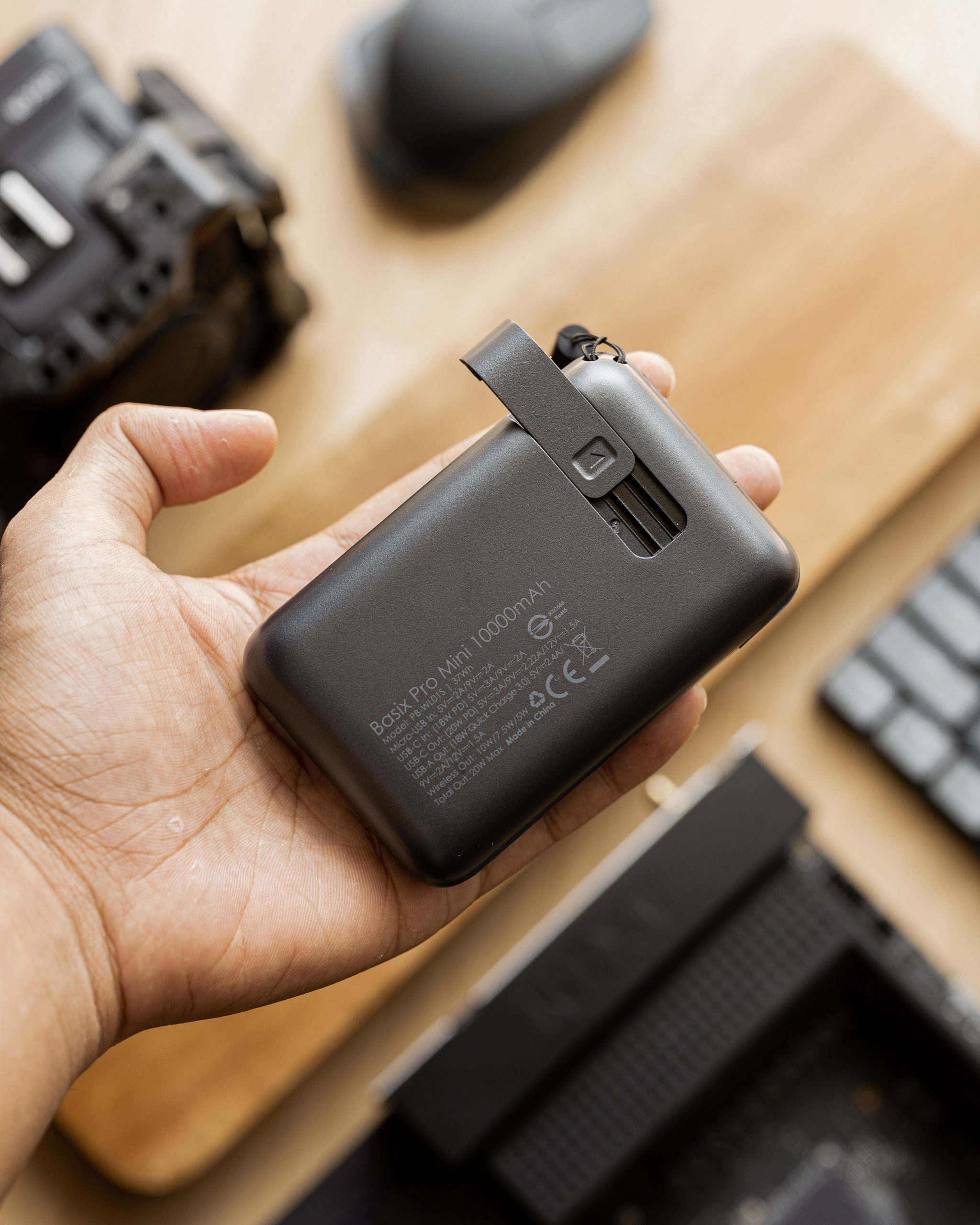
The CPSC issued its safety warning on November 5, 2026, involving approximately 210,000 HAIARA W5 PRO portable power banks sold in the United States.
The chargers contain lithium-ion batteries that can overheat, explode, or catch fire, creating potential fire and burn hazards.
Shenzhen Joway Power Supply Co., Ltd. manufactured the products in China and sold them online through Amazon and Newegg between January 2025 and October 2026.
The HAIARA W5 PRO is a black portable charger with a 20W marking on its front. Its model number is printed on the side.
Importantly, this warning does not cover every portable charger sold online or every product advertising 20W charging. It specifically identifies qualifying HAIARA W5 PRO power banks.
Consumers should check the actual product rather than assume that another charger with a similar appearance is affected.
Related: Ground Cinnamon Recalled in 14 States: 7 Things Shoppers Should Know
Six Hundred Reports Have Raised Concerns About Battery Fires
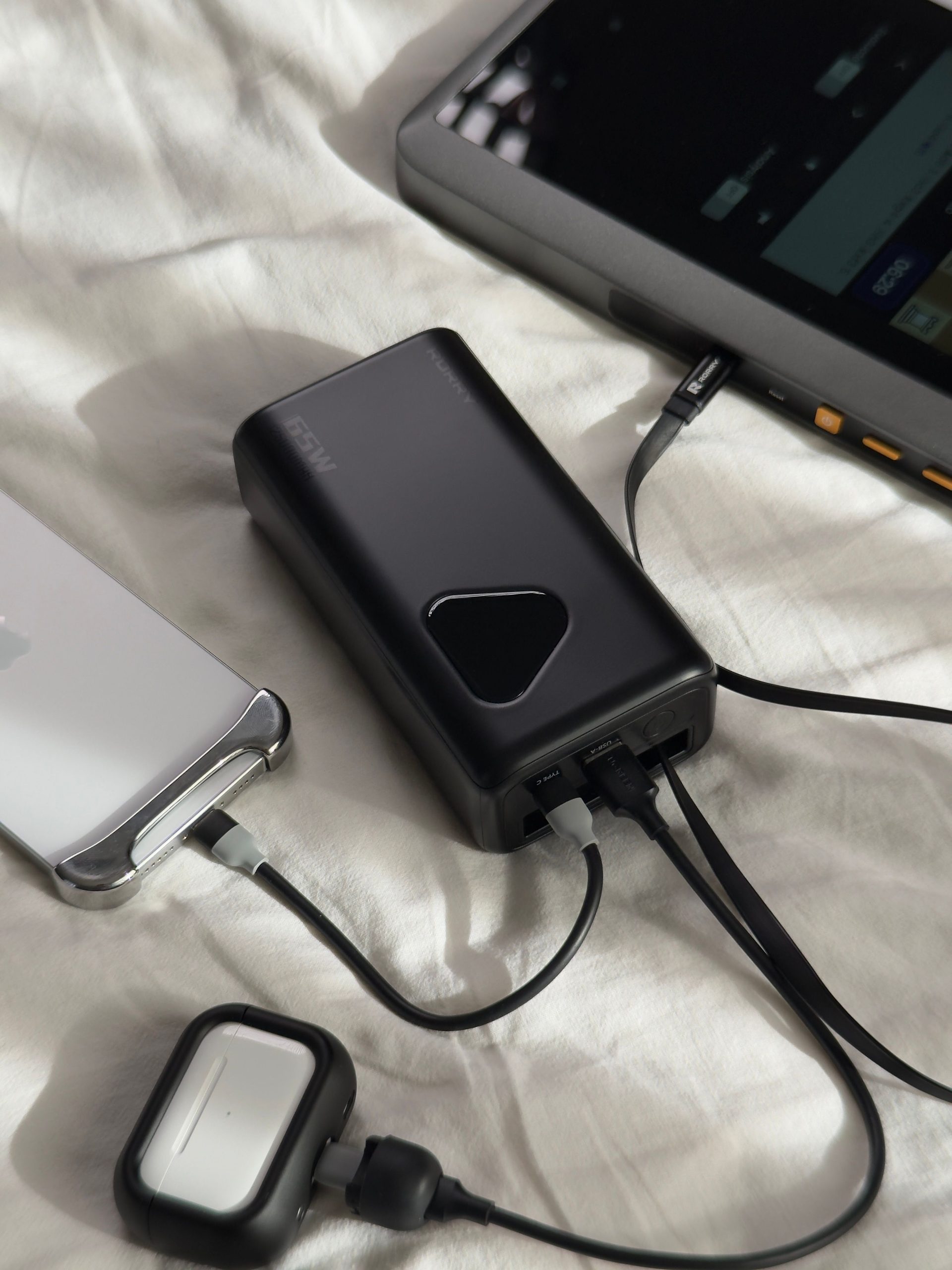
The number of reported incidents makes the announcement particularly concerning.
According to the CPSC, approximately 600 reports involve fires, explosions, and other overheating problems associated with the affected chargers.
Three reports involved burn injuries, while nine involved property damage.
These figures should not be confused with 600 confirmed explosions. The reported incidents include different types of thermal problems, and the agency has not said that every affected charger will necessarily malfunction.
Nevertheless, the reported injuries and property damage explain why officials are asking consumers to stop using the products.
The concern is not limited to a damaged phone or an accessory that stops charging. An overheating, fire-prone battery can put nearby belongings and household spaces at risk.
Imagine leaving a power bank charging beside your bed before bed or keeping one in a bag with clothes and other personal belongings. If the battery develops a serious fault, the consequences could extend beyond the device itself.
That is why the CPSC’s warning deserves attention rather than another quick scroll through social media.
How to Recognize the Recalled HAIARA Charger
The warning identifies the affected product through its brand, model, appearance, and manufacturing information.
Consumers should look for a black HAIARA power bank with a 20W marking on the front and W5 PRO printed on the side.
The agency also provides a specific identification detail: qualifying affected units do not have a manufacturing date code printed on the side in the YYYYMMDD format.
This means the absence of the eight-digit date code matters when checking the product.
Owners should compare their chargers with the photographs and identification instructions in the official CPSC announcement.
It is particularly important not to rely solely on the wattage marking. Other power banks may also advertise 20W charging, but that does not automatically make them part of this warning.
Amazon and Newegg Customers May Have Purchased the Chargers
The affected HAIARA power banks were sold through Amazon.com and Newegg.com from January 2025 through October 2026.
The CPSC has identified a complicated situation involving the sellers and the manufacturer.
The manufacturer, Shenzhen Joway Power Supply Co., Ltd., has not responded to the agency’s requests for information or to a recall request.
A separate recall also involves approximately 11,000 HAIARA W5 PRO chargers sold on Amazon by a seller called Mitrytech.
Mitrytech agreed to recall those units, which were sold between May 2025 and September 2026 for approximately $18 to $22.
However, that smaller recall should not be confused with the broader warning covering approximately 210,000 chargers.
The distinction matters because customers affected by the Mitrytech recall have a specific refund process. At the same time, the broader CPSC warning does not mean every owner of an affected HAIARA charger automatically qualifies for a refund.
What Should Owners Do Immediately?
The CPSC is advising consumers to stop using affected HAIARA W5 PRO chargers immediately.
Anyone who identifies a potentially affected product should disconnect it from connected devices and stop attempting to charge or recharge it.
Consumers should not open the power bank, attempt repairs, or modify the battery.
They should also avoid selling, donating, or giving the charger to another person.
Owners who purchased the affected units through Mitrytech should follow that seller’s recall instructions to request a refund.
For other affected products, the federal warning does not announce a general replacement or refund program.
Consumers can consult the official CPSC safety warning for the identification details and latest instructions.
Related:10 Pet Owners Are Sharing Hilarious Conflicts They Have With Them
Why Throwing the Charger in the Trash Is Not the Answer
One detail consumers should not overlook is what happens after they stop using an affected power bank.
A defective lithium-ion battery still requires appropriate handling. Simply placing it in a household garbage bin or ordinary recycling container is not recommended.
The CPSC advises consumers not to put the affected chargers in household trash, curbside recycling, or ordinary battery collection boxes at retail and home improvement stores.
Instead, owners should contact their local household hazardous waste collection facility and ask whether it accepts recalled lithium-ion batteries.
If the facility does not accept them, consumers should contact their municipality for further disposal instructions.
This distinction matters because not every battery collection point is equipped to handle a product identified as a fire hazard.
Other Power Bank Recalls Make Checking Product Details Important
The HAIARA warning is not the only portable charger safety action consumers have encountered.
Other manufacturers have faced separate safety actions involving lithium-ion power banks.
For example, approximately 210,000 INIU BI-B41 10,000mAh power banks were recalled in December 2025. Anker also recalled approximately 481,000 power banks involving five specified models in September 2025.
These are separate cases involving different products and safety announcements. Their numbers should not be combined with the HAIARA warning.
Still, they show why consumers should pay attention to product-specific recall notices rather than assuming a portable charger is safe simply because it is a familiar accessory.
A Convenient Accessory Should Not Become a Household Hazard
Portable chargers have made everyday life easier. They allow people to keep their phones running during long journeys, workdays, outdoor activities, and emergencies.
But convenience can also make consumers less attentive to the products they carry.
A power bank may spend hours inside a handbag or remain connected to a charging cable overnight without attracting much attention. Most people think about whether it has enough power, not whether its model has been identified in a safety warning.
The HAIARA case reminds us that even small electronic accessories deserve the same attention we give larger household appliances.
If you own a portable charger, take a moment to identify its brand and model, track relevant safety announcements, and follow manufacturer instructions if something goes wrong.
The latest warning is not a reason to panic about every power bank. It is a reason to take the specific products identified by federal officials seriously.
And here’s a question worth considering: How many people actually check the brand and model of a portable charger before buying one online, or do most of us choose the cheapest option with the highest charging speed?