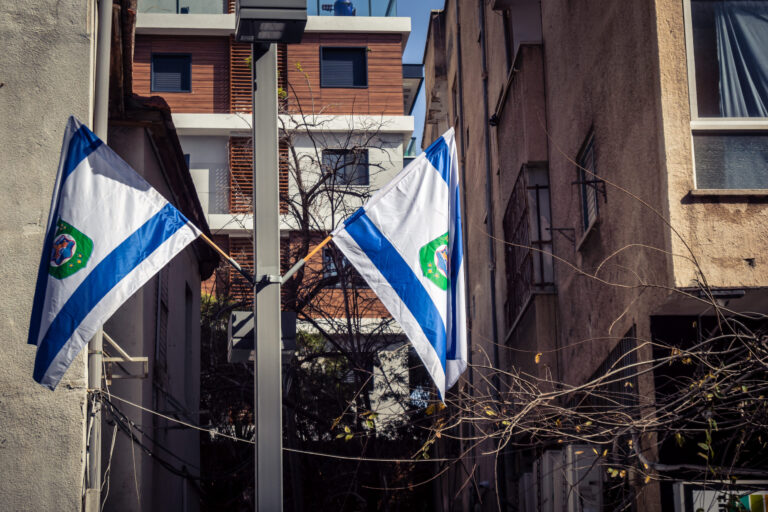
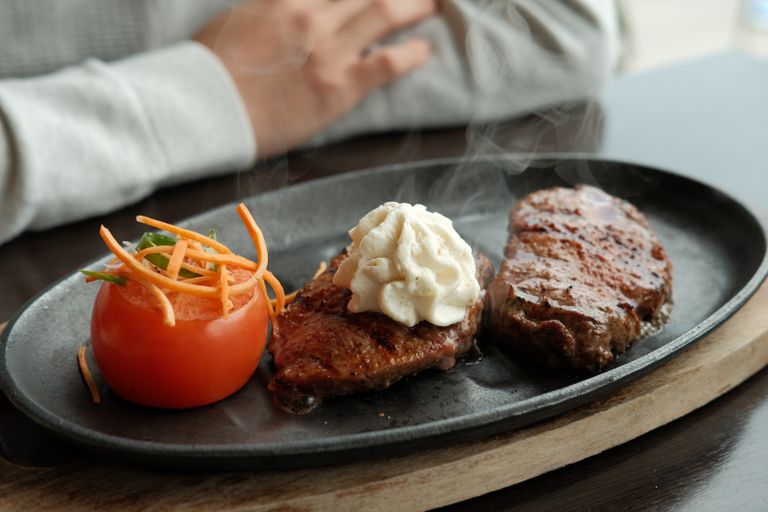
Georgia taco fans just lost a familiar name before many diners even had the chance to make it part of their routine. Torchy’s Tacos, the Austin born fast casual chain known for loaded tacos, green chile queso, breakfast tacos, margaritas, and its loud Texas personality, has shut down its only Georgia restaurant in Atlanta’s West Midtown.
The closing ends the chain’s short run in the state and adds another empty restaurant space to one of Atlanta’s most watched dining corridors. The West Midtown restaurant opened inside the Star Metals development on Howell Mill Road in 2024, arriving with the kind of buzz that usually follows a national brand with a devoted fan base.
Less than two years later, the same location became part of a wider round of company closures across several states. For Atlanta diners, the bigger story is not just that one taco shop closed. It is what the shutdown says about expansion, restaurant costs, local competition, and the tougher math behind fast casual dining in cities where customers have plenty of choices and less patience for average value.
Torchy’s Tacos Closes Its Only Georgia Location in Atlanta

Torchy’s Tacos closed its West Midtown Atlanta restaurant after operating at 1055 Howell Mill Road, Suite 130, inside the Star Metals development. The site was the company’s first and only Georgia location, which means the closure removes the brand from the state entirely.
That is a sharp reversal for a chain that entered Atlanta with strong name recognition. Torchy’s was not a small, unknown concept testing a random suburb. It was a Texas born brand with a national following, an established menu, a full fast casual identity, and years of expansion behind it.
The Georgia location is located in a high profile part of Atlanta, surrounded by offices, apartments, hotels, retail, and other restaurants. On paper, West Midtown looked like the kind of neighborhood that could support a polished taco chain with lunch traffic, dinner traffic, late weekend crowds, and catering potential.
But restaurant success in Atlanta rarely works on paper alone. A brand can have buzz, capital, and a strong origin story and still struggle if the neighborhood, price point, traffic patterns, and customer habits do not line up fast enough.
A Short Run After a Big Atlanta Arrival
Torchy’s arrival in Atlanta carried the feel of a long awaited debut. The chain had built its reputation in Austin, where it began as a food trailer before growing into a multi state restaurant brand. Its menu leaned into playful names, bold fillings, queso culture, and an informal Texas attitude.
The Atlanta restaurant opened with the kind of early attention that can make a new chain look like an instant winner. West Midtown was a visible location, and the Star Metals development gave the brand a polished address near other dining and entertainment options.
Still, first week curiosity is not the same as long term customer behavior. Many restaurants enjoy early lines, social media attention, and opening day excitement. The real test comes months later, when the novelty fades, and diners decide whether a restaurant belongs in their weekly routine.
Torchy’s short Georgia run suggests that early brand heat was not enough to secure a lasting foothold. In a competitive Atlanta corridor, the restaurant needed repeat visits, steady lunch demand, strong dinner traffic, and enough brand loyalty to overcome price sensitivity and local competition.
The Chain’s Wider Pullback Across the U.S.
The Georgia closure was not an isolated decision. Torchy’s Tacos also closed several locations across other states as part of a wider business reassessment. The company has described the move as a shift toward sustainable growth and stronger performing markets.
That language matters. It signals that the brand is not abandoning expansion altogether, but it is becoming more selective about where it grows. For restaurant chains, that can mean closing locations that do not meet sales goals, traffic expectations, labor efficiency targets, or long term market plans.
This is a common moment for fast growing chains. A brand expands beyond its home base, tests new cities, signs leases in promising corridors, and then discovers that some markets do not perform the way they looked in early projections. At that point, the company must choose between protecting the national growth story or cutting weak stores before they drain resources.
Torchy’s appears to be choosing discipline over unchecked expansion. For Georgia, that means the state lost its only location. For the company, it means future growth may focus on places where customer demand is already stronger, brand awareness is deeper, and operating costs make more sense.
Atlanta’s Taco Market Was Never Easy

Atlanta is a tough place for a taco chain to make a loud entrance because the city already has a crowded Mexican, Tex Mex, and taco scene. Diners can choose from neighborhood taquerias, stylish sit down restaurants, chef led concepts, late night spots, and quick service options.
That creates a high bar for any incoming chain. The food must be memorable, but the price must also feel fair. The location must be convenient, but parking and access must not become a headache. The atmosphere must stand out but not feel forced.
Torchy’s brought a recognizable menu and a polished brand, but Atlanta diners do not automatically reward outside concepts simply because they are popular elsewhere. A restaurant that feels iconic in Texas may feel optional in Georgia if customers already have trusted local alternatives.
That is the challenge national chains face in mature food markets. They are not just competing against similar brands. They are competing against neighborhood habits, local nostalgia, cheaper meals, better parking, stronger happy hours, and the simple comfort of places people already know.
West Midtown’s Restaurant Boom Has Become More Complicated
West Midtown has changed dramatically over the past decade. What was once more industrial has become a dense mix of apartments, offices, hotels, retail, entertainment, and restaurants. That growth made the neighborhood attractive to national brands and ambitious local operators.
But growth can also create pressure. When too many restaurants open near each other, customer demand gets divided. A busy Saturday night may hide weak weekday sales. A lunch crowd may not be enough to cover rising rent, labor, insurance, food costs, and marketing.
The Howell Mill corridor has seen several food and beverage concepts come and go, which makes Torchy’s closing part of a larger pattern. The area can still support strong restaurants, but it does not guarantee survival simply because the buildings are new and the neighborhood looks busy.
In that sense, Torchy’s closure is less about one failed taco shop and more about the harder truth of modern restaurant real estate. A high profile address can bring attention, but attention does not pay the bills unless it turns into dependable traffic.
The Price Problem Facing Fast Casual Chains
Fast casual restaurants have been squeezed by a difficult consumer mood. Diners still want convenience, flavor, and quality, but many are more cautious about spending. When a meal that once felt casual begins to feel expensive, customers start making sharper choices.
Torchy’s operates in a category where pricing matters. A taco meal with queso, a drink, tax, and tip can quickly move beyond what some customers expect from fast casual dining. That does not mean the food is not worth it to fans, but it does mean the brand must work harder to prove value.
Atlanta diners also have plenty of lower cost alternatives. If customers can get tacos from a local favorite, a food truck, a neighborhood taqueria, or another chain for less, Torchy’s needs a clear reason to win the repeat visit.
That is where many national fast casual concepts face trouble. They often arrive with polished interiors, larger spaces, bigger payroll needs, and higher operating costs. Those costs can push prices upward, and higher prices make customer loyalty harder to secure.
The local community impact also extends to suppliers, delivery drivers, cleaning crews, maintenance vendors, and other small businesses tied to restaurant operations. One closed storefront can quietly affect more people than customers see from the sidewalk.
What Could Replace the West Midtown Space?
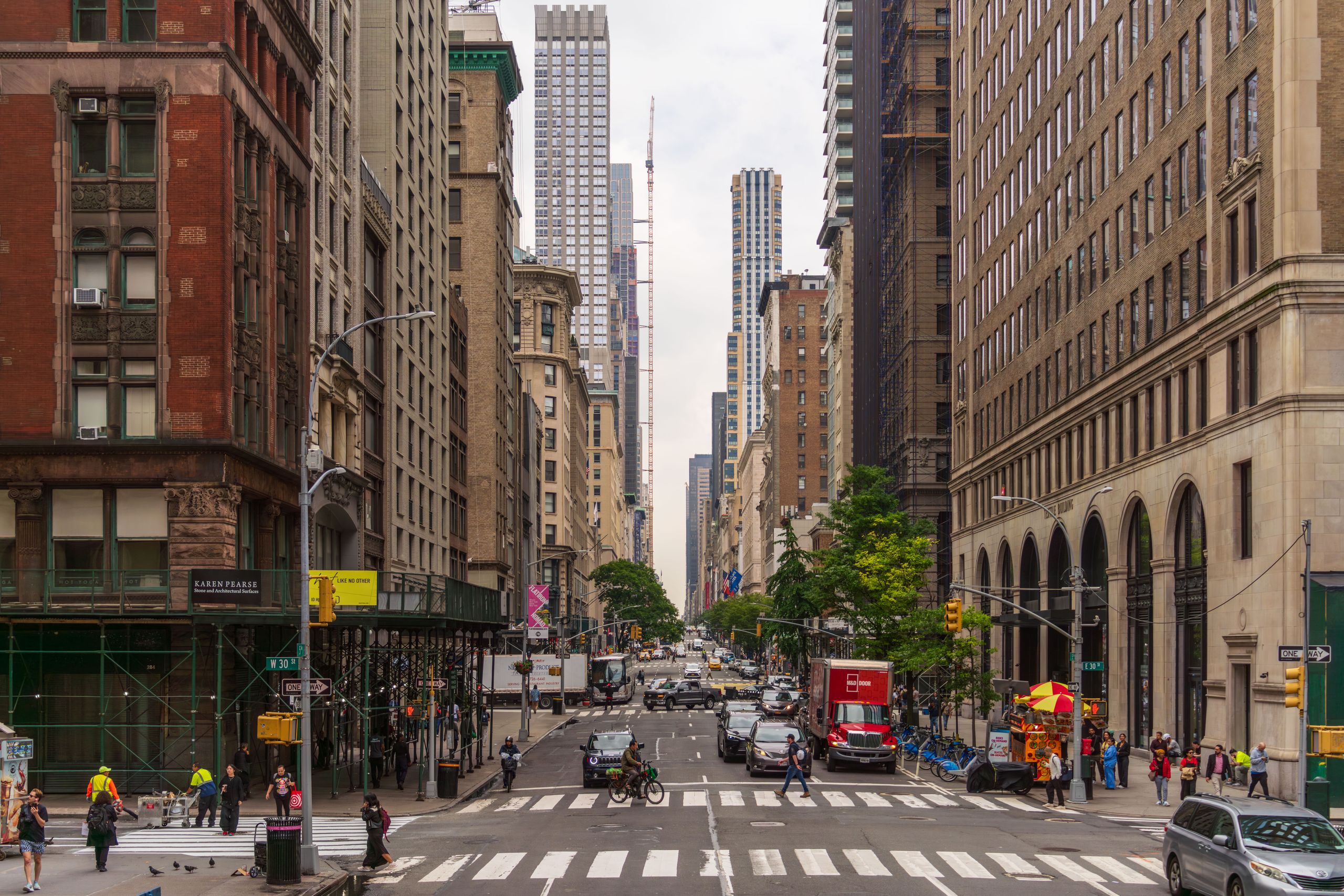
The former Torchy’s space could become valuable to another operator because restaurant buildouts are expensive. A second generation space can save a new tenant time and money if the kitchen, ventilation, plumbing, layout, and dining room can be reused.
That does not guarantee a quick replacement, but it improves the odds. West Midtown remains a visible area, and operators looking for Atlanta growth may see the space as a chance to enter a developed corridor without starting from a blank shell.
The next tenant will still face the same core challenge. It must bring a concept that fits the neighborhood’s actual habits, not just its image. A restaurant that works there will need repeatable value, strong neighborhood identity, and enough operational discipline to survive slow days.
The strongest replacement may not be another national chain. It could be a local brand with an existing Atlanta following, a smaller operator with lower overhead, or a concept built around everyday use rather than opening week buzz.
The Bigger Lesson From Torchy’s Georgia Exit
Torchy’s Tacos’s leaving Georgia is a clear reminder that restaurant expansion is no longer only about planting flags in trendy markets. Growth must be earned location by location, neighborhood by neighborhood, and customer by customer.
Atlanta is still a strong food city, but it is not an easy one. Diners are selective. Costs are high. Competition is intense. Real estate can be unforgiving. A brand that thrives in one region can struggle when it enters a city with different habits and different expectations.
We can read Torchy’s closure as part of a larger correction in fast casual dining. Chains that expanded quickly are now studying which stores truly perform and which locations looked better in a pitch deck than they did on a profit and loss statement.
For Georgia diners, the result is simple. The only Torchy’s Tacos in the state is gone. For the restaurant industry, the message is sharper: Atlanta will welcome new brands, but it will not rescue them from weak location economics, thin loyalty, or a crowded field of better known local options.