The Southern Baptist Convention has taken one of its most consequential steps yet toward formally restricting women from pastoral leadership, sending ripples through thousands of congregations across the United States.
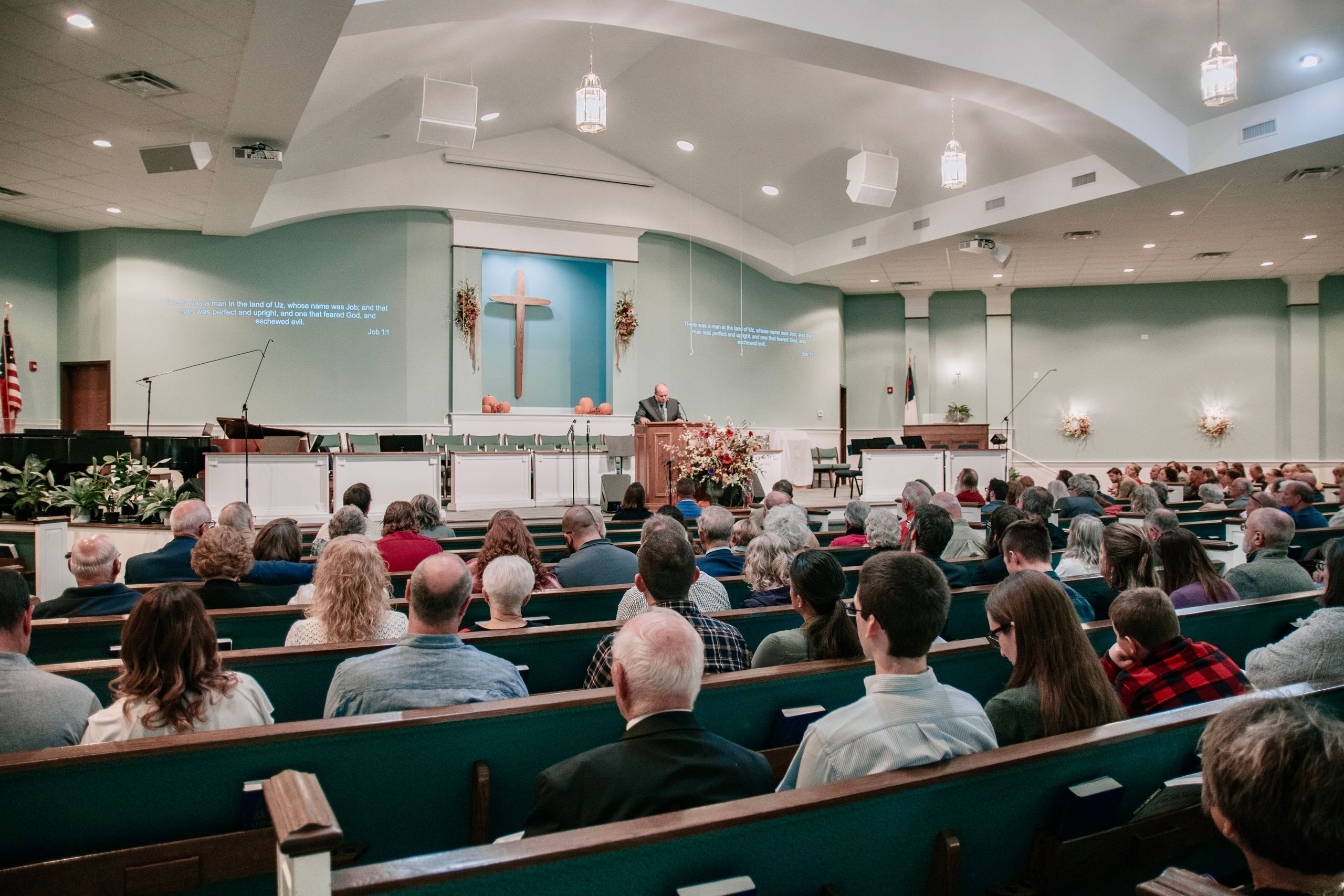
At the 2026 annual meeting in Orlando, delegates voted overwhelmingly to advance a constitutional amendment that would bar churches from remaining in cooperation with the denomination if they affirm, appoint, or endorse a woman in the office or function of pastor, elder, or overseer, especially when that role includes preaching to a gathered congregation.
The vote did not finalize the amendment, but it marks a decisive move toward cementing a policy that could redefine leadership opportunities for women across the denomination.
Southern Baptists Move Closer to a Formal Ban on Women Pastors
Supporters of the amendment cast 6,028 votes in favor, compared with 2,026 opposed, a margin well above the required two-thirds threshold to advance the proposal. The measure will now require another two-thirds vote at next year’s annual meeting in Indianapolis to enter the Southern Baptist Convention’s constitution.
This Orlando vote demonstrates the strength and organization of the denomination’s conservative wing. For many delegates, the issue extends beyond theology: it is a test of institutional authority, doctrinal consistency, and the SBC’s willingness to codify its conservative values into governance.
What the Amendment Would Do in Practice
While Southern Baptist churches remain self-governing, the SBC has the authority to determine which churches are in “friendly cooperation.” That designation affects a church’s ability to participate in denominational life, send messengers to annual meetings, and contribute to SBC missions.
Under the proposed amendment, any church that affirms, appoints, or endorses a woman in a pastoral role could be formally excluded from cooperation. Advocates emphasize that preaching to the assembled congregation is the defining function that triggers enforcement, signaling a clear line for what constitutes senior pastoral authority.

Historical Precedent Highlights the Stakes
The SBC has removed churches in the past for having women in senior pastoral roles. Notable examples include the high-profile Saddleback Church in California. The amendment seeks to formalize this selective enforcement, ensuring that the denomination has a consistent constitutional standard rather than relying on case-by-case decisions.
Supporters argue this clarity is necessary to prevent confusion and maintain doctrinal unity. Critics counter that the current framework already allows the SBC to enforce its beliefs without broad constitutional changes, warning that overreach could lead to internal conflict and alienation of member churches.
Regional and Cultural Context
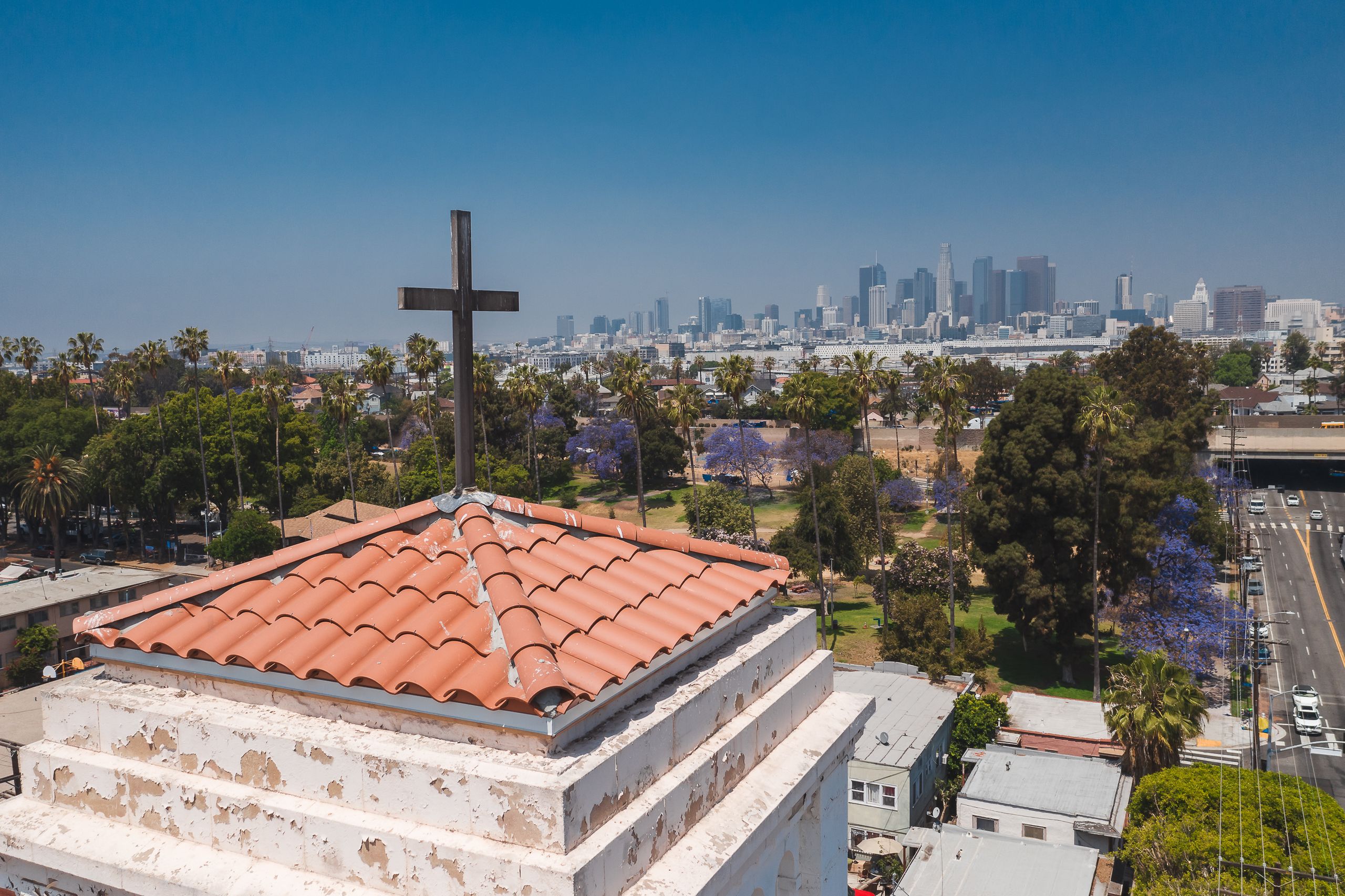
The amendment comes at a time when the Southern U.S. region, with the highest concentration of SBC congregations, continues to rank poorly for women in economic, social, and health measures. States like Louisiana, Arkansas, Oklahoma, and Texas consistently rank near the bottom on metrics such as wage equality, access to healthcare, political representation, and safety. This context underscores how denominational decisions interact with broader structural barriers facing women in these regions.
Voices From Women’s Ministry Advocacy
Organizations such as Baptist Women in Ministry have spoken out against the vote, emphasizing the human cost of restricting women from pastoral leadership. They argue that the amendment denies women affirmation, opportunity, and a platform to serve the church, amplifying barriers already present in conservative regions.
For women already in ministry roles, the proposed amendment is not abstract,it questions the legitimacy of their calling, public leadership, and professional identity, and it sends a broader message to emerging women leaders considering theological careers.
Leadership Alignment and Political Implications
The Orlando meeting also brought leadership changes that reinforce the amendment’s momentum. Florida pastor Willy Rice was elected SBC president, winning 58% of the vote over South Carolina pastor Josh Powell. Both candidates supported the amendment, reflecting alignment between top leadership and the conservative majority.
This alignment suggests that the push for a constitutional ban is not an isolated effort but part of a coordinated strategy within the denomination’s leadership to solidify conservative principles, particularly regarding gender roles.
Why This Vote Matters Nationally
The Southern Baptist Convention remains one of the largest Protestant bodies in the U.S., with influence extending into seminaries, missions, publishing, and political discourse. A formal ban on women pastors could affect hundreds of churches, seminary programs, and ministry networks.
Moreover, it sharply contrasts with other Protestant denominations that ordain women to the highest offices, as well as Pentecostal and charismatic churches where women hold prominent national leadership roles. This decision underscores the ongoing divide between conservative and progressive streams within American evangelicalism.
Next Steps and Long-Term Consequences
The amendment will face its second vote at the 2027 annual meeting in Indianapolis. If it passes again by a two-thirds majority, it will become part of the SBC constitution, formally barring churches with women pastors from remaining in cooperative membership.
The next year will likely see intense advocacy and lobbying on both sides, as supporters push to finalize the constitutional change and opponents argue for preserving autonomy and broader inclusion. The outcome could shape the denomination’s policies and leadership opportunities for women for generations to come.